
Double Sided Gas Fire Place — Room Divider, Heater or Both?
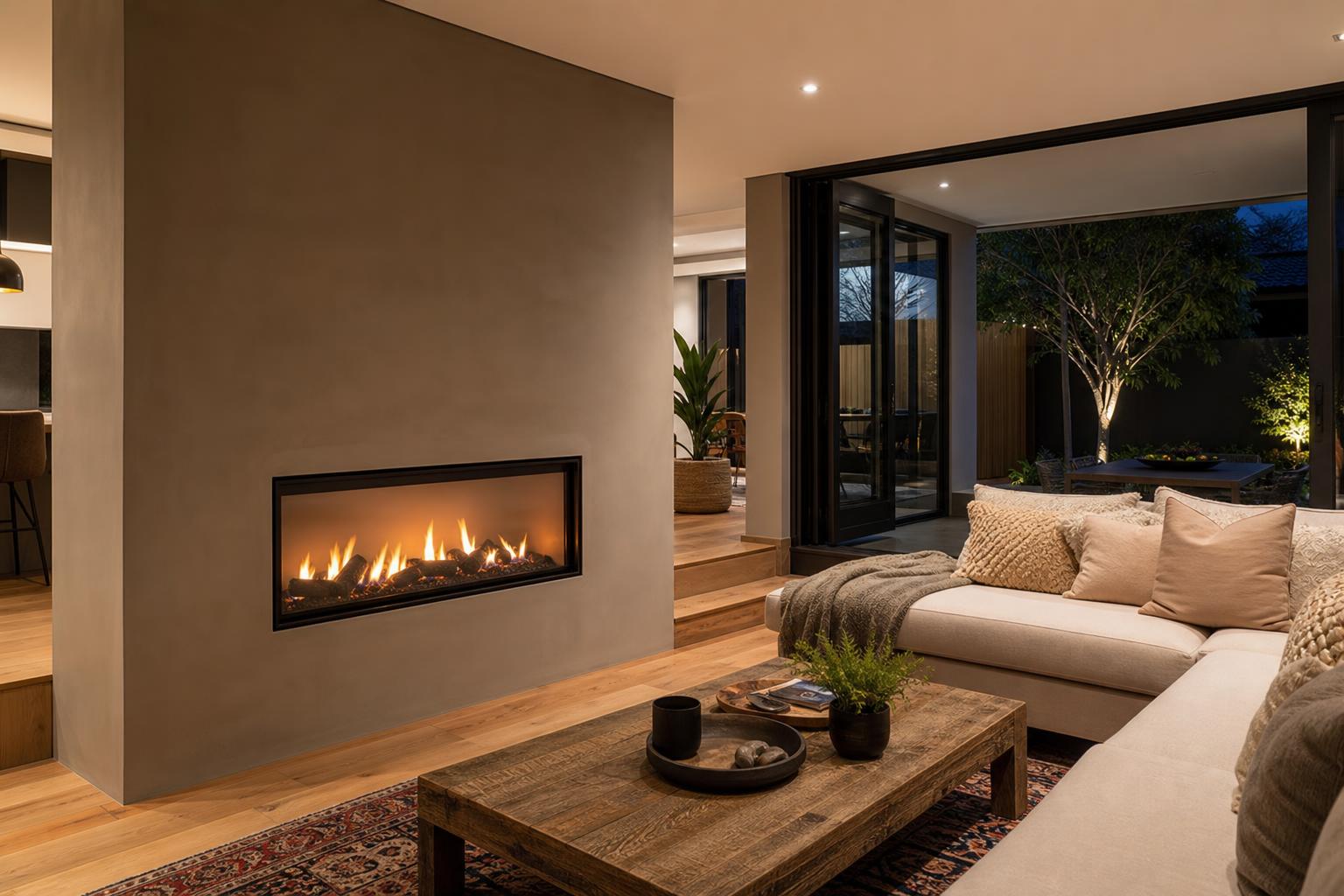
A double sided gas fire place offers the rare combination of striking design and practical dual-room heating. Before you invest R20 000–R80 000+, here are five things every SA buyer should know.
A double sided gas fire place is one of the most striking heating solutions you can add to a home — a flame visible from two rooms at once, with the practicality of gas. No log runs, no ash cleaning, no waiting for the fire to catch. If you’ve been weighing a unit that doubles as a room divider and a reliable heat source, you’re in the right territory. But before you spend R20 000 to R80 000 or more, there are five things worth knowing.

What a Double Sided Gas Fire Place Actually Is
A double sided gas fire place — sometimes called a see-through gas fireplace — is built into a wall or partition so the flame is visible from both sides. Unlike a standard gas fireplace that heats one room, a double-sided model serves two adjacent spaces simultaneously: typically a lounge and dining room, or a master bedroom and en suite. The flame runs on LPG (bottled gas) or natural gas where it’s available. Because there’s no wood to burn, there’s no ash, no creosote build-up, and no firewood to store. You turn it on with a remote or wall switch — immediately useful on a cold Cape Town morning when you don’t want to fuss with kindling.
Fire Flame Installers stocks and installs double-sided fireplaces in both wood-burning and gas variants. The gas units suit homes where convenience, load-shedding resilience, and clean living are the priority.
5 Proven Advantages That Justify the Premium
1. Heats Two Rooms From a Single Installation Point
The most obvious win: one firebox provides warmth to two separate living areas. In open-plan homes — especially where a built-in fireplace is the design centrepiece — a double-sided gas unit can replace two separate heaters while adding real visual impact. The symmetry of flame visible from both sides is hard to replicate with any other heating method.
2. No Flue Required on Some Models
Certain flueless double-sided gas units use catalytic combustion that produces minimal harmful emissions, removing the need for a traditional chimney. That said, all gas installations in South Africa must comply with SANS 10087-1 and require a Certificate of Compliance issued by a registered LP gas practitioner. Always confirm ventilation requirements before selecting a flueless model — particularly in smaller or poorly ventilated rooms where oxygen depletion is a genuine risk. For built-in double-sided gas units that do use a flue, our guide to flues and flue systems covers what to budget and how the options compare.
3. Keeps Working During Load-Shedding
LPG-fed gas fireplaces continue working when the power goes out. Most units use a piezoelectric or battery ignition, so the flame still lights and the heat output remains unchanged during load-shedding. For many Cape Town and Winelands households, this single advantage is the deciding factor when comparing gas against electric panel or infrared heaters.
4. Instant, Adjustable Heat
Unlike a wood fire that needs 20–30 minutes to reach useful output, a gas double-sided unit is at full heat within seconds and dimmable via a dial or remote control. Set a lower output for a mild evening, crank it up on a cold winter night, and turn it off the moment you leave the room — no banking a fire, no worrying about residual embers.
5. The Aesthetic Payoff Is Real
A good gas fire looks excellent. Modern burners use ceramic logs, decorative pebbles, or glass beads to create a convincing, consistent flame. Because you control the gas flow, the flame height is steady and predictable — no smoke puffback, no sparks. For interior-design-led homes, a double sided gas fire place between a lounge and dining room is often the statement piece the whole room is planned around.
Double Sided Gas Fire Place vs Wood: The Honest Trade-off
The choice between gas and wood in a double-sided unit usually comes down to three factors. Our full breakdown of gas vs wood-burning fireplaces covers running costs and efficiency in detail, but here’s the practical summary:
- Convenience: Gas wins hands-down. No fuel prep, no mess, instant control.
- Atmosphere: Some buyers prefer wood for the crackle and natural smell. Gas is quieter, cleaner, and more controllable.
- Running cost: With LPG at roughly R28–R35/kg and a 4–6kW gas fire consuming around 0.4–0.6kg per hour, expect R11–R21 per hour at full output. A well-sized wood burner can cost less per kWh if you source firewood cheaply — but the convenience trade-off often makes gas the better everyday choice.
- Installation complexity: Double-sided wood units need a properly sized flue running above the roofline. Double-sided gas units may need only a smaller flue or, in some cases, no flue. Our professional fireplace installation team can assess your specific space and recommend the right configuration.
Still weighing freestanding against built-in options? Our guide to freestanding vs built-in fireplaces covers the structural and design implications in full — worth reading before you commit to a double-sided install, which is always built-in and fixed in position.
What You’ll Pay: Realistic SA Price Ranges
A double sided gas fire place carries a premium over single-sided units — the larger glass span, the two-way frame, and the engineering involved justify the cost. Here’s what to realistically budget in 2026:
- Entry-level (R18 000–R28 000): Smaller units (800–1 000mm wide), standard LPG burner, basic remote. Suitable for an apartment partition or a smaller open-plan lounge.
- Mid-range (R28 000–R50 000): 1 000–1 400mm wide, variable flame height, more convincing log or pebble bed, wider glass span. The most popular range for family homes.
- High-end (R50 000–R90 000+): Designer-grade European or Australian imports, large format, programmable thermostat, bespoke custom surround. Common in luxury new builds and architect-led renovations.
Installation typically adds R6 000–R18 000 depending on wall structure, gas connection type, and any flue work required. For a complete breakdown, read our fireplace installation cost guide.
What the Installation Process Involves
Installing a double-sided gas unit means cutting through or building a wall section to house the firebox, securing the unit, connecting to an LP gas supply, and commissioning with a registered gas practitioner. Most installations take one to two days on-site. South African regulations require all LP gas appliance installations to be signed off under SANS 10087-1 — your installer must be registered with the LP Gas Association of South Africa. Fire Flame Installers is fully compliant and provides all required documentation. For buyers who want a single-sided wall-mounted gas option instead, our wall-mounted fireplaces range offers a less structural-intensive alternative.
FAQ: Double Sided Gas Fire Place
Can a double sided gas fire place work without a flue?
Yes — certain flueless catalytic models are designed for use without a traditional chimney. However, they require adequate room ventilation and must still comply with SA gas safety regulations. Most built-in double-sided gas units use a flue for safety and consistent performance. Always confirm requirements with a registered gas installer before purchasing a flueless model.
How much gas does a double sided gas fire place use per hour?
A typical 4–6kW double-sided unit burns approximately 0.4–0.6kg of LPG per hour at full output. At current SA LPG prices (around R28–R35/kg), that works out to roughly R11–R21 per hour. Most users run at partial output most of the time, keeping real-world costs lower than the maximum figure.
Is it safe to leave a gas fire on for extended periods?
Modern gas fireplaces include an oxygen depletion sensor (ODS) that automatically shuts the unit off if oxygen levels drop to an unsafe level. For double-sided installations, ensure adequate ventilation in both connected rooms. We recommend not leaving any gas appliance running unmonitored for long periods, and always follow the manufacturer’s operating instructions.
What size double-sided gas fire place do I need?
A useful starting rule: allow 1kW of output per 10–12m² of floor area for a well-insulated home. Since a double-sided unit heats two rooms, size to the larger of the two spaces plus a margin. Our team can assess your specific layout when you request a free installation quote — we’ll measure, check gas supply options, and recommend the right unit for your home.
Ready to Choose Your Double-Sided Gas Fire?
A double sided gas fire place is a considered investment — the right one transforms a home; the wrong size or spec leaves you with a unit that underperforms or costs more to run than expected. Fire Flame Installers has helped hundreds of Cape Town and Western Cape homeowners choose and install the right unit for their space. Browse our full gas fireplace range to see current stock, or get a free installation quote and we’ll assess your wall, room layout, and gas supply situation — no obligation.
Related reading
- Can You Install a Fireplace in an Existing Home? Yes — Here's How
- Combustion Fireplace Installation: How It Works, Costs & Compliance
- Need it done professionally? See our fireplace installation in Cape Town service.
Planning this kind of work?
Call or WhatsApp with your suburb and photographs. Fire Flames can discuss your fireplace, braai or home project and quote.
Get A Quote →