
Cracked Fire Bricks and Baffle Plates: When to Replace Them
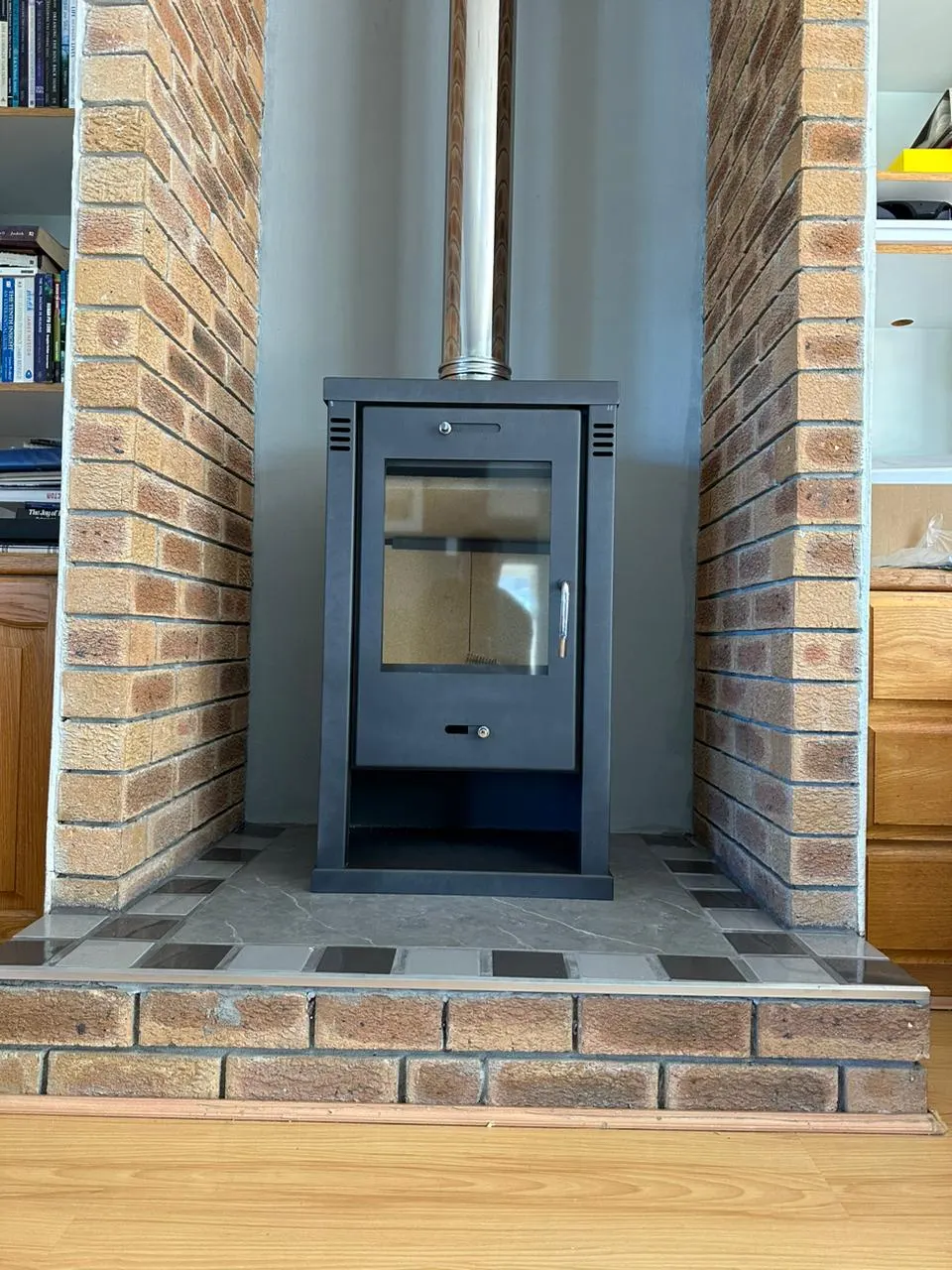
A hairline crack in a fire brick is normal. A brick that is crumbling, missing pieces or showing the steel behind it is not. Here is how to tell the difference, and what a worn baffle plate does to your fireplace.
Quick answer
Fine hairline cracks in fire bricks are normal and safe. Replace a fire brick when it is crumbling, has a piece missing, has moved out of place, or when you can see the steel body of the fireplace behind it. Replace a baffle plate when it is warped, cracked through, sagging or has burnt holes. Both are wear parts, so changing them is a routine repair, not a new fireplace.
Most closed combustion fireplaces and wood stoves are lined with fire bricks, and most have a baffle plate across the top of the firebox. Homeowners often only notice these parts when something looks wrong: a crack across a brick, a bit of rubble on the grate, or a fire that suddenly burns hotter and faster than it used to.
The good news is that this is one of the most common jobs we see, and it is usually quick. Below, our team explains what these parts do, which cracks you can ignore, and the signs that tell you it is time for a replacement.
What Fire Bricks and Baffle Plates Actually Do
Fire bricks are the light, heat-resistant panels that line the sides and back of the firebox. Some are dense clay, but many modern fireplaces use vermiculite boards, which are lighter and insulate well. Either way, they do two jobs.
They protect the steel
Fire bricks stop the flames from touching the steel or cast iron body directly. Without them, the body overheats, warps and can crack.
They keep the fire hot
By holding heat inside the firebox, fire bricks help the wood burn cleanly. A hotter fire means less smoke, less soot and less creosote in the flue.
The baffle slows the heat
The baffle plate sits above the fire and forces hot gases to travel further before they reach the flue, so more heat goes into your room instead of up the chimney.
The baffle protects the flue
It also shields the flue outlet from direct flame, which helps keep the flue and its joints in good condition.
If you have a closed combustion fireplace, both parts are working every time you light it. That is why they wear, and why the manufacturer treats them as replaceable parts.
How to Tell if Your Fire Bricks Are Cracked or Worn Out
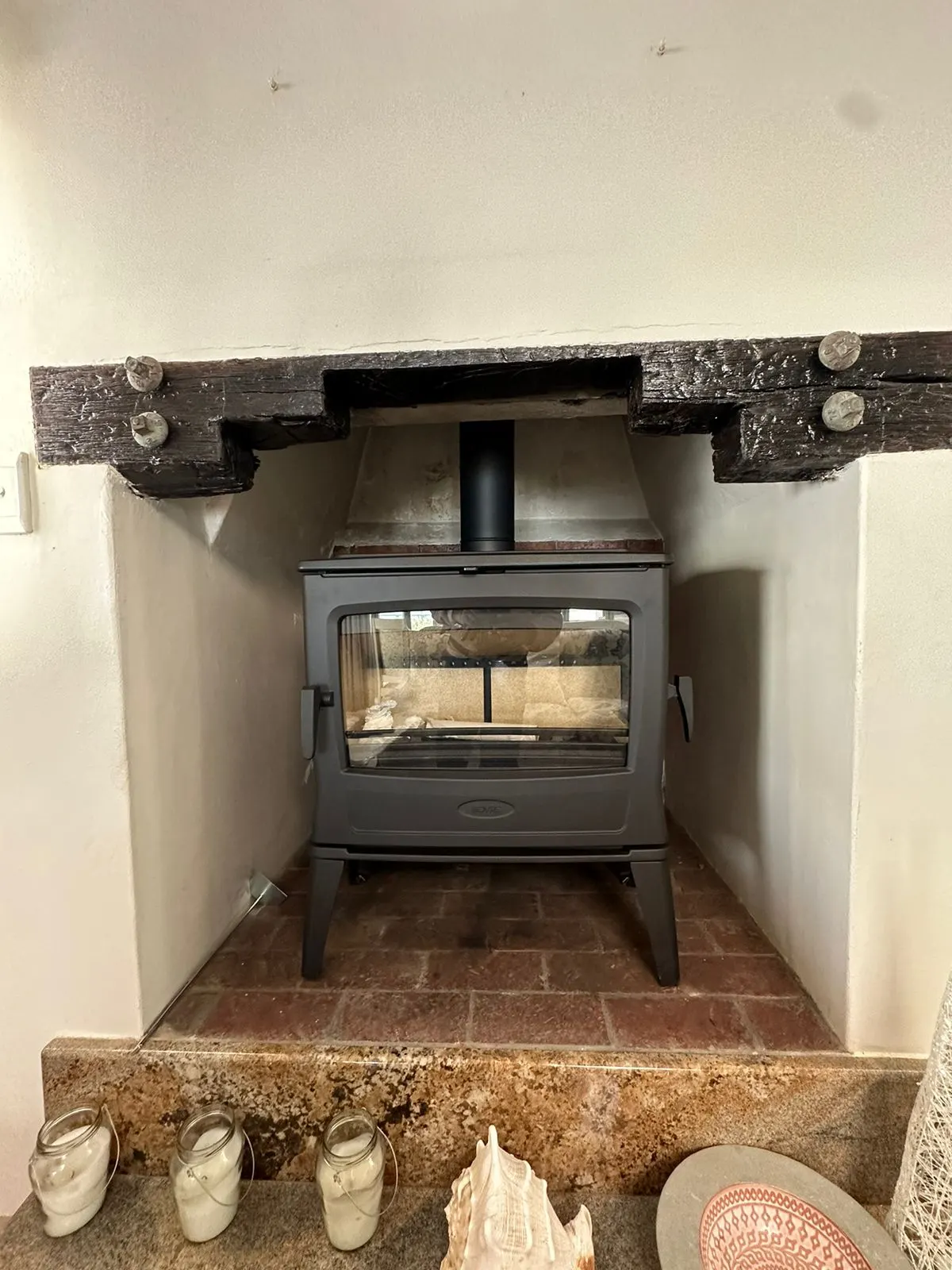
Check your fire bricks when the fireplace is completely cold, ideally at the start of the season or after a long winter. Use a torch and look at the back, both sides and the base.
What to look for in your fire bricks
- ✓Hairline cracks only, with the brick still in one piece and sitting flat
- ✓Deeper cracks where the two halves have started to separate
- ✓Crumbling edges or a brick that feels soft and powdery when touched
- ✓A missing corner or chunk, especially at the bottom near the grate
- ✓A brick that has slipped, leans forward or no longer sits in its clips
- ✓Bare steel visible between or behind the bricks
The first item on that list is fine. Everything after it is a sign the fire bricks are no longer doing their job properly.
Hairline Cracks vs Broken Fire Bricks: When to Replace Them
Fire bricks expand when they heat up and shrink as they cool. Over a few winters, that movement creates fine cracks. A brick with hairline cracks that is still whole and in place keeps protecting the steel, so there is no need to change it.
| What you see | What it means | What to do |
|---|---|---|
| Fine hairline cracks, brick still whole | Normal heat movement | Leave it and check again next season |
| Crack right through, halves still in place | Brick is weakening | Plan to replace it before winter |
| Crumbling, chunks missing | Steel is losing protection | Replace before the next fire |
| Steel visible behind the brick | Body is exposed to flame | Stop using it until repaired |
| Brick has slipped or fallen out | Gap in the lining | Stop using it until repaired |
A cracked firebox lining is cheap to fix compared with a cracked fireplace body. Once the steel itself warps or splits, the repair becomes far bigger, and sometimes the unit cannot be saved.
Baffle Plate Replacement: Signs the Plate Has Had Enough
The baffle plate takes the hottest part of the fire, so it often wears out before the fire bricks do. Depending on your model, it may be steel, cast iron or vermiculite board.
- Warping or sagging. A steel baffle that bows down in the middle is no longer guiding the gases properly.
- Cracks or burnt holes. Flames can now reach the flue outlet directly.
- A fire that races. Wood burns much faster than it used to, and the room gets less heat for the same amount of wood.
- More soot and smoke. Black glass or a smoky smell can point to a baffle that has moved or broken.
- The plate has dropped. If it has slipped off its supports, it can block part of the flue.
A baffle plate replacement is usually a straightforward job, but the new plate must be the right part for your model. A plate that is the wrong size, or sits in the wrong position, can cause smoke to spill into the room.
Why Fire Bricks Crack in Cape Town Homes
Some wear is just age. But a few habits we see in local homes speed it up a lot.
Wet wood
Damp wood from a rainy winter steams and spits, and the fire needs more air to keep going. Burn wood that has dried for at least a season.
Throwing logs in
Dropping heavy logs onto the base or against the back is the most common cause of chipped and broken fire bricks.
Running it flat out
Burning with the air control fully open for hours overheats the firebox and the baffle plate.
Washing the bricks
Water soaks into vermiculite and clay bricks and weakens them. Clean them dry with a soft brush instead.
Strong south-easter and northwest winds can also make a fire burn harder than usual. If your fireplace struggles in windy weather, ask our team to check the flue and cowl at the same time.
What Happens When Our Team Replaces Fire Bricks
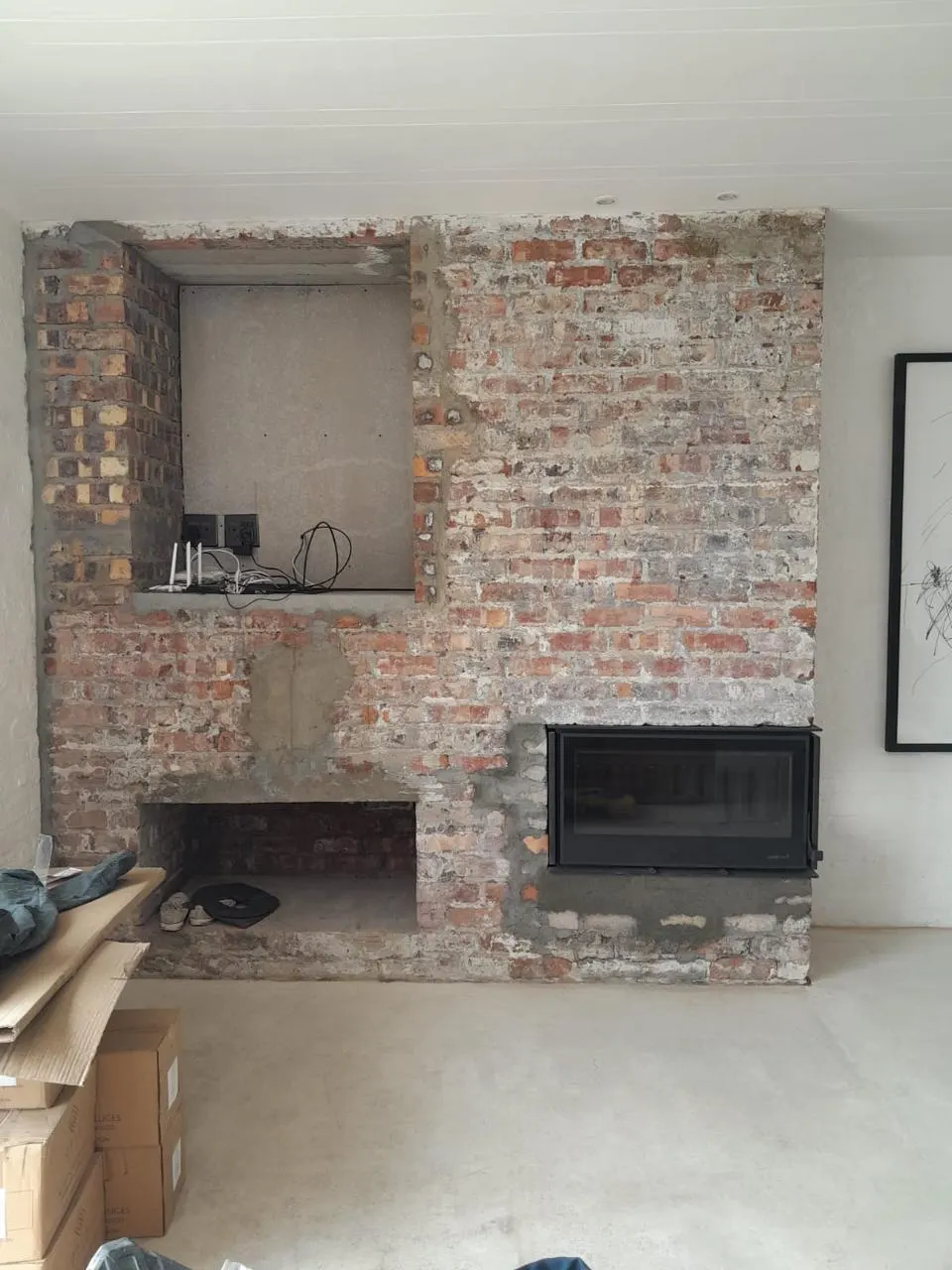
Replacing fire bricks and a baffle plate is part of our fireplace repairs work. A typical visit looks like this.
Check the model
We identify the make and model so the new fire bricks and baffle plate fit exactly.
Inspect the firebox
With the old parts out, we check the steel body, welds and door for cracks or warping.
Check the seals and glass
Worn door rope lets in extra air, which overheats the bricks. We can handle fireplace glass replacement and new rope seals on the same visit.
Fit the new parts
New fire bricks are cut or fitted to size, the baffle plate is seated on its supports, and everything is checked for gaps.
Test and advise
We run the fireplace, check the draw and talk you through how to use it so the new lining lasts.
If the fireplace has not been swept in a while, it makes sense to book chimney sweeping at the same time. With the baffle out, the flue is easy to reach and clean properly. And if the flue pipe itself is rusted or damaged, we can quote for a new fireplace flue.
⚠ Safety first
Do not keep using a fireplace with missing fire bricks, a fallen baffle plate or visible steel in the firebox. The body can overheat, and a dropped baffle can block the flue and push smoke and carbon monoxide into the room. Leave it unlit until it has been repaired.
How to Make Your Fire Bricks and Baffle Last Longer
- ✓Burn only dry, seasoned hardwood. Never burn treated, painted or pallet wood.
- ✓Place logs in gently. Do not throw them in or ram them against the back bricks.
- ✓Keep a thin bed of ash on the base. It protects the bottom bricks.
- ✓Do not run the fire with the air control wide open for long periods.
- ✓Clean fire bricks dry with a soft brush. Never use water or harsh cleaners.
- ✓Have the fireplace and flue checked once a year, before winter.
A yearly check is also a good time to look at the door, glass and seals. Our fireplace winter maintenance guide covers what to do before the cold sets in, and if you are weighing up a new heater altogether, our guide to the cast iron wood stove explains how cast iron and steel bodies age differently.
Seen crumbling fire bricks or a warped baffle plate? Send us a photo of the inside of your fireplace, with the make and model if you know it, and our team will tell you what needs replacing. You can also book a fireplace repair online.
Fire Bricks and Baffle Plates: Common Questions
Is it safe to use a fireplace with cracked fire bricks?
Yes, if the cracks are fine hairlines and the bricks are still whole and in place. If a brick is crumbling, has pieces missing or has moved so that the steel behind it shows, stop using the fireplace until the brick has been replaced.
How long do fire bricks last?
It depends on how often the fireplace is used and how it is burnt. With dry wood and gentle loading, fire bricks often last many seasons. Wet wood, heavy logs and running the fire flat out can wear them out much sooner.
Can I use any fire brick in my fireplace?
No. Fire bricks and baffle plates are made to fit a specific model. The wrong size or material can leave gaps or block the flue, so always match the part to your make and model.
What does a baffle plate do in a fireplace?
The baffle plate sits above the fire and makes the hot gases travel further before they leave through the flue. That puts more heat into the room, helps the wood burn cleanly and protects the flue outlet from direct flame.
Can cracked fire bricks be repaired with fire cement?
Fire cement can fill small gaps between bricks, but it does not make a crumbling or broken brick strong again. A damaged brick should be replaced so the steel body stays properly protected.
Planning this kind of work?
Call or WhatsApp with your suburb and photographs. Fire Flames can discuss your fireplace, braai or home project and quote.
Get A Quote →