
Fireplace With Fan: How a Blower Spreads the Heat
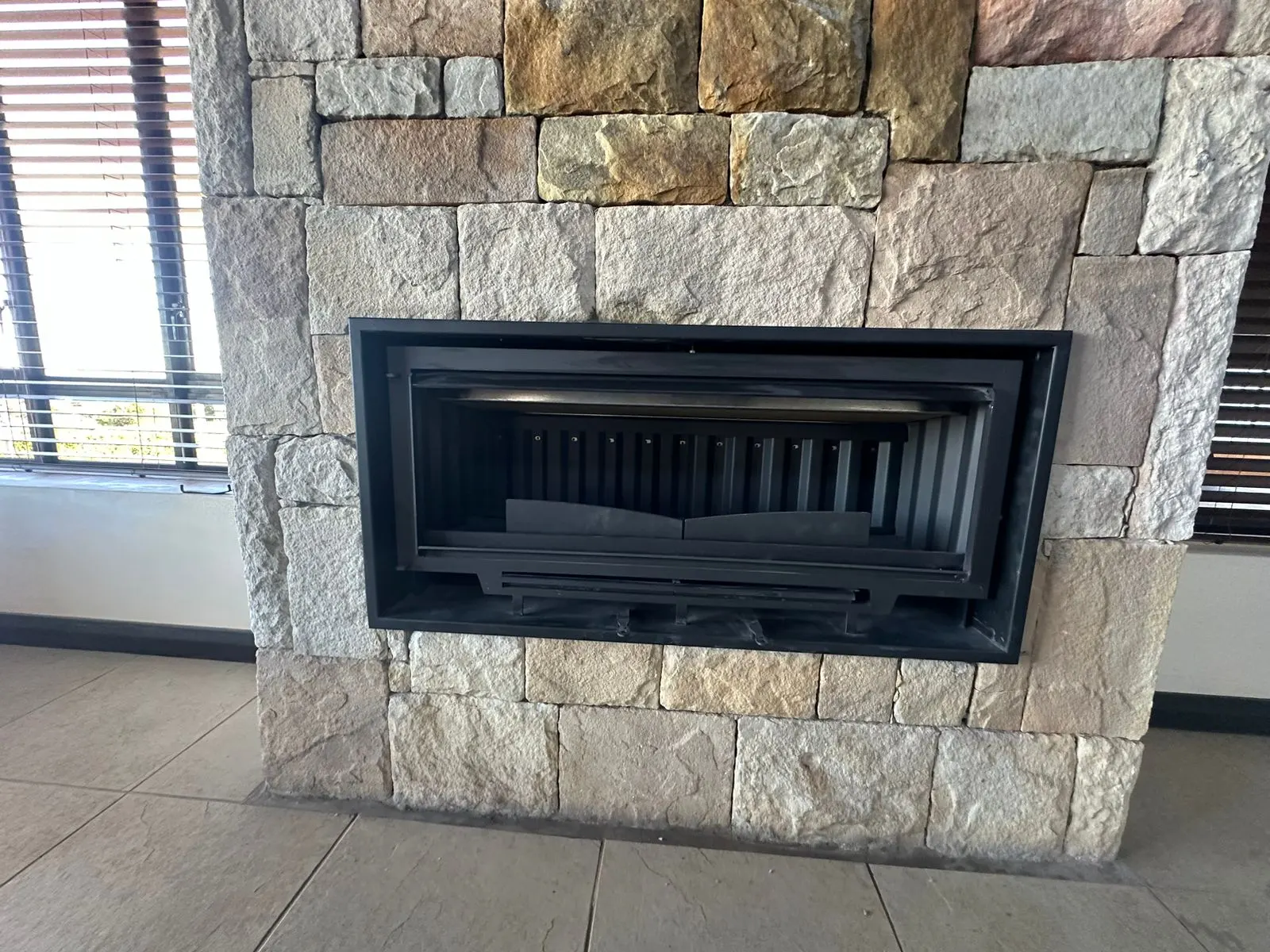
A fireplace with a fan blows warm air out into the room instead of letting it collect near the ceiling or inside the wall. Here is how a blower works, when it is worth having and what to know about power cuts.
Quick answer
A fireplace with a fan has an electric blower that pulls cool room air in, passes it around the hot firebox and pushes it back out as warm air. The fire itself works the same, but the heat reaches further into the room and warms it faster. A fan is most useful in large, open-plan or high-ceiling rooms and with built-in fireplaces. It needs a plug point, and during load shedding the fan stops while the fire keeps burning.
Many closed combustion fireplaces are sold in two versions: with a fan and without. The difference on paper is small, but in the right room it makes a big difference to how warm you feel on the couch, not just right in front of the glass.
Below, our team explains how a fireplace fan works, the types you will come across, what to expect when the power goes off and how to decide whether your home needs one.
How a Fireplace With Fan Works
A closed combustion fireplace heats a room in two ways. It radiates heat through the glass and the body, and it warms air that flows around the firebox. The fan improves the second part.
Cool air goes in
Room air is drawn in through vents low down on the fireplace.
It passes the firebox
The air moves through a channel around the hot steel body, called the convection chamber, and heats up.
The fan pushes it out
The blower forces the warm air out through grilles near the top, towards the middle of the room.
You control the speed
Most fans have a speed control, and some switch on by themselves once the fireplace is hot.
Without a fan, the same process happens slowly on its own, because warm air rises. The fan simply moves far more air, so the heat spreads out instead of rising straight to the ceiling.
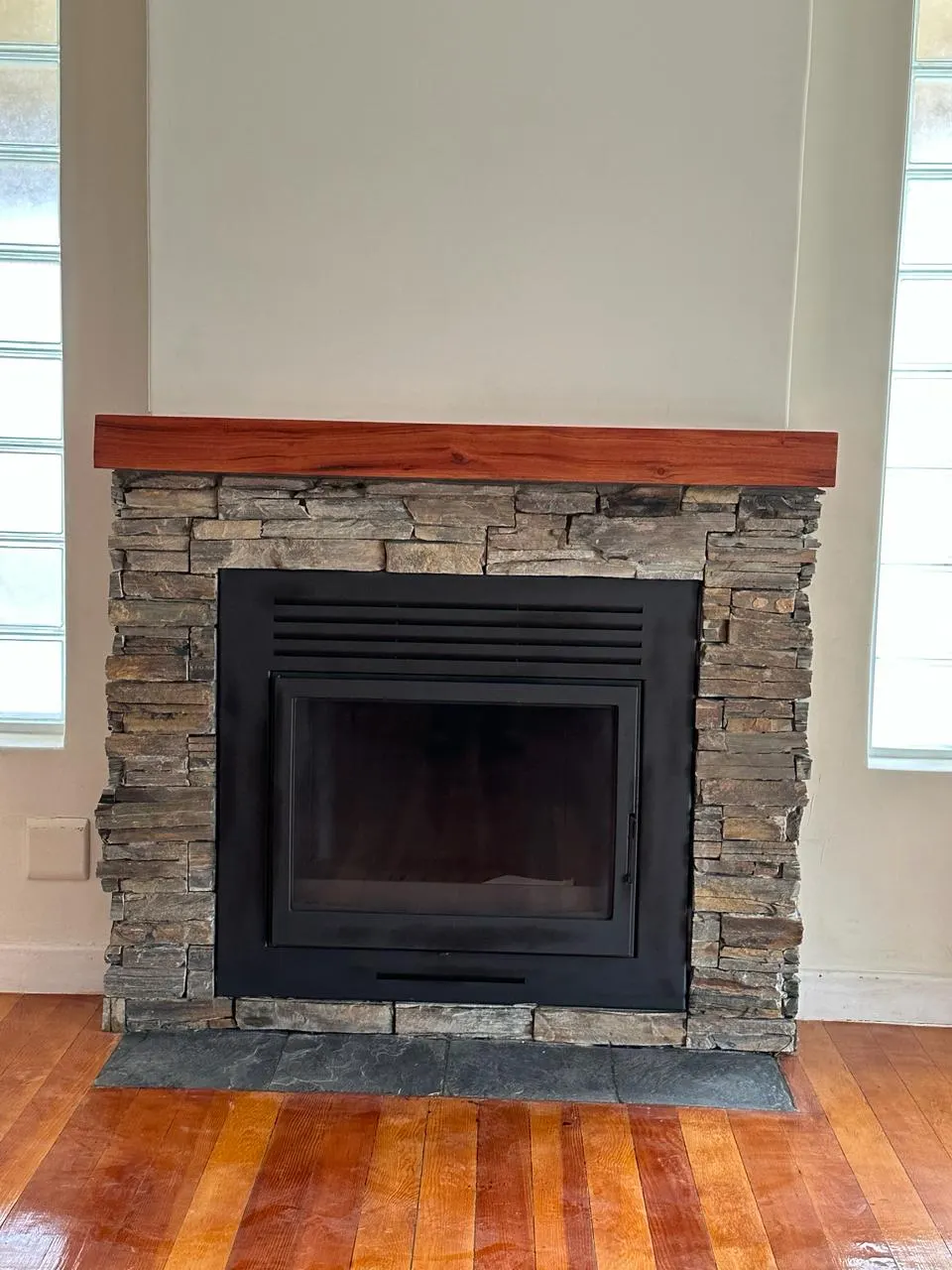
Fireplace With Fan vs Without: What Changes
| With a fan | Without a fan | |
|---|---|---|
| How heat spreads | Warm air is pushed out into the room | Heat rises and spreads slowly |
| Warm up time | Room feels warm sooner | Takes longer in a big room |
| Far corners | Reached more easily | Often stay cooler |
| Power needed | Yes, for the fan | No |
| Noise | A low hum, depending on speed | Silent |
| Upkeep | Fan needs cleaning and may need replacing one day | Fewer parts to service |
The fire, the wood you burn and the flue are the same either way. A fan does not make a small fireplace into a big one. It helps the heat you already make get to where you sit.
Types of Fireplace Fan
When people talk about a fireplace fan, they usually mean one of three things.
Built-in blower
Fitted inside a built-in insert or cassette, behind the grilles. It runs off a plug point and usually has a speed dial or switch. This is the most common type.
Fan kit added later
Some inserts are made to take a fan kit that is sold separately. It is worth checking this before you buy, in case you want one later.
Heat-powered stove fan
A small fan that sits on top of a freestanding stove and spins from the heat of the stove itself. It needs no power, but moves far less air than a blower.
Ducted warm air
Some built-in models can send warm air through ducts to another room or vent. This needs careful planning at the build stage.
Ducting is not the same as a double-sided fireplace, which shows the fire in two rooms. A ducted system moves warm air, not the view of the flame.
Load Shedding and a Fireplace With Fan
A blower needs electricity, so it stops when the power goes off. The good news is that the fire itself does not. A wood fireplace keeps burning and keeps heating the room through the glass and the body, just with less air movement.
- The room heats more slowly. Expect the far side of the room to cool down during a long outage.
- Read the manual. Some models say how to run the fire when the fan is off. Follow it, and avoid running the fire flat out without the fan.
- Backup power is optional. A fan uses little power, so it can usually run from a home backup supply during outages.
- A heat-powered stove fan needs no power. On a freestanding stove, it keeps working through load shedding.
This is a big difference from a pellet stove, which stops burning altogether when the power goes. With a wood fireplace with fan, you never lose your heat, only some of the spread.
Who Should Choose a Fireplace With Fan
A fan earns its place in some rooms more than others. These are the cases where we usually recommend one.
A fan makes sense when you have
- ✓Large, open-plan living areas where the lounge, dining room and kitchen share one space
- ✓Rooms with high or raked ceilings, where warm air collects far above your head
- ✓Long rooms where the fireplace sits at one end and the seating is far away
- ✓Built-in fireplaces set into a chimney recess or wall, where heat can stay trapped in the cavity
- ✓Older homes with thick walls and big rooms that are slow to warm up
In a small, closed lounge, a fireplace without a fan is often enough. The glass and body radiate plenty of heat and the room fills up quickly. Our guide to choosing a heating fireplace covers sizing in more detail, and our comparison of built in vs freestanding wood burning stoves helps if you are still deciding on the type.
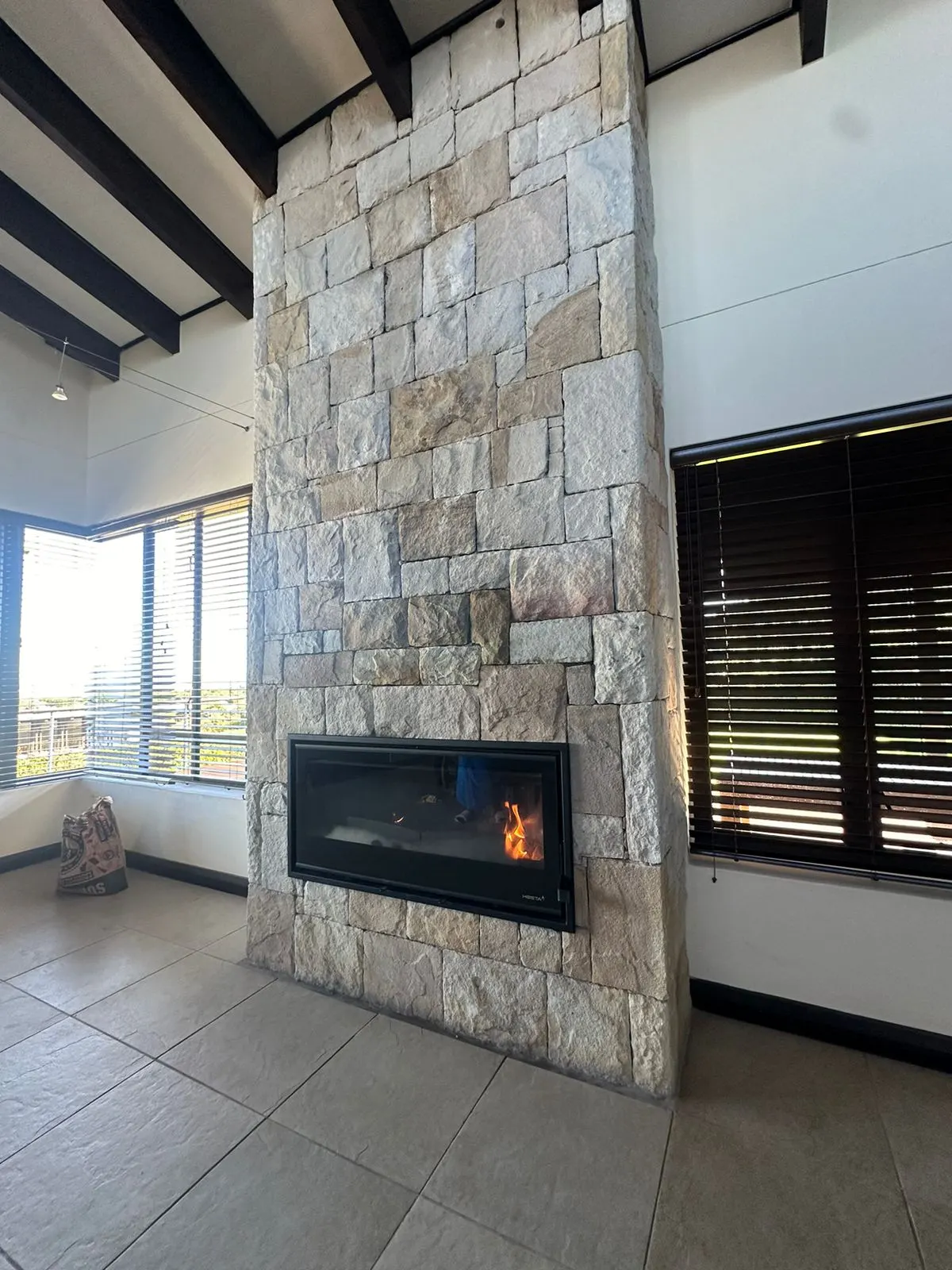
Fireplaces With a Fan in Our Shop
Our shop stocks Carbel built-in fireplaces in versions with and without a fan, so you can choose to suit the room. The Carbel I 60 with fan is a compact built-in model, while the Carbel Atlas insert comes without a fan and has convection outlets for warm air. We also stock fan inserts such as the Merida fireplace fan insert.
Check each product page for the heat output and size, and ask our team which suits your room. A fireplace that is too big for the space will be run low all the time, which is not good for the glass or the flue.
Installing a Fireplace With Fan
Fitting a fireplace with fan is the same as any closed combustion fireplace installation, plus a few extra points.
Plan the power
The fan needs a plug point close to the fireplace. If there is none, have a qualified electrician fit one before installation day. Long extension leads are not safe near a fire.
Keep the vents clear
The air intake and the warm air grilles must stay open. Cladding, mantels and shelves are planned around them.
Allow for service access
The fan must be reachable for cleaning and replacement without breaking into the surround.
Fit and test
We install the fireplace and flue, then run the fire and fan together and check the air flow at each speed.
If you are planning a built in fireplace with stone or tile cladding, tell us early that you want a fan. It is much easier to plan the grilles and the cable route before the surround is built.
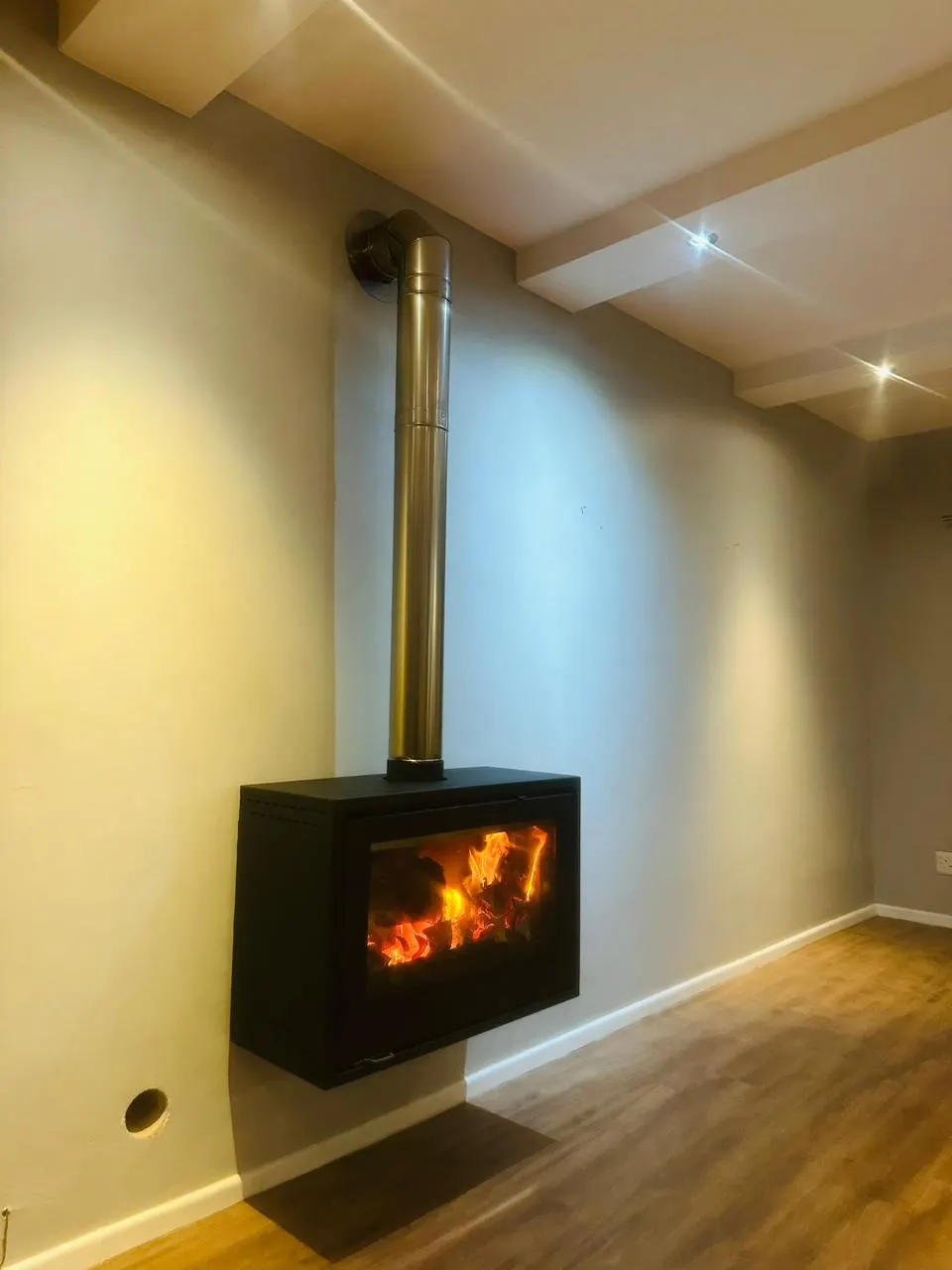
Looking After a Fireplace Fan
A blower is a simple part, but dust and ash shorten its life. A little care keeps it quiet.
- Switch off the fan and let the fireplace cool fully before any cleaning.
- Vacuum dust and pet hair from the air intake vents regularly, as the manual describes.
- Listen for new rattles, grinding or a fan that slows down. These are early signs of wear.
- Have the fan checked during the yearly service, when the flue is cleaned.
⚠ Safety first
Never open the fan housing or work on the wiring yourself. If the fan stops, rattles or trips the power, switch it off at the plug and call our team or a technician. A faulty fan does not stop you using the fire, but get it checked before you run the fireplace hard.
A noisy or dead blower is a common job for our fireplace repairs team. Thinking about a new fireplace with a fan? Send us a photo of the room and where you would like the fireplace, and our team will advise on the size and whether a fan is worth it. You can also book a combustion fireplace installation online.
Fireplace With Fan: Common Questions
Does a fireplace fan really make a difference?
In a large, open-plan or high-ceiling room, yes. The fan pushes warm air out into the room so it warms up faster and more evenly. In a small, closed room the difference is smaller.
Can I use a fireplace with fan during load shedding?
Yes. The fire keeps burning and heating the room, but the fan stops until the power comes back. Follow the manual on how to run the fire with the fan off.
Is a fireplace fan noisy?
Most make a low hum. On the lowest speed it is usually easy to ignore. A fan that gets louder over time may need cleaning or a check.
Can a fan be added to my existing fireplace?
Some inserts are made to take a fan kit, but many are not. Send us the make and model and we will tell you if a fan can be fitted.
Does a fan use a lot of electricity?
No. A fireplace blower is a small motor and uses little power compared with an electric heater. It still needs a safe plug point close to the fireplace.
Planning this kind of work?
Call or WhatsApp with your suburb and photographs. Fire Flames can discuss your fireplace, braai or home project and quote.
Get A Quote →