
Heat Resistant Paint: Painting a Brick Fireplace or Steel Stove
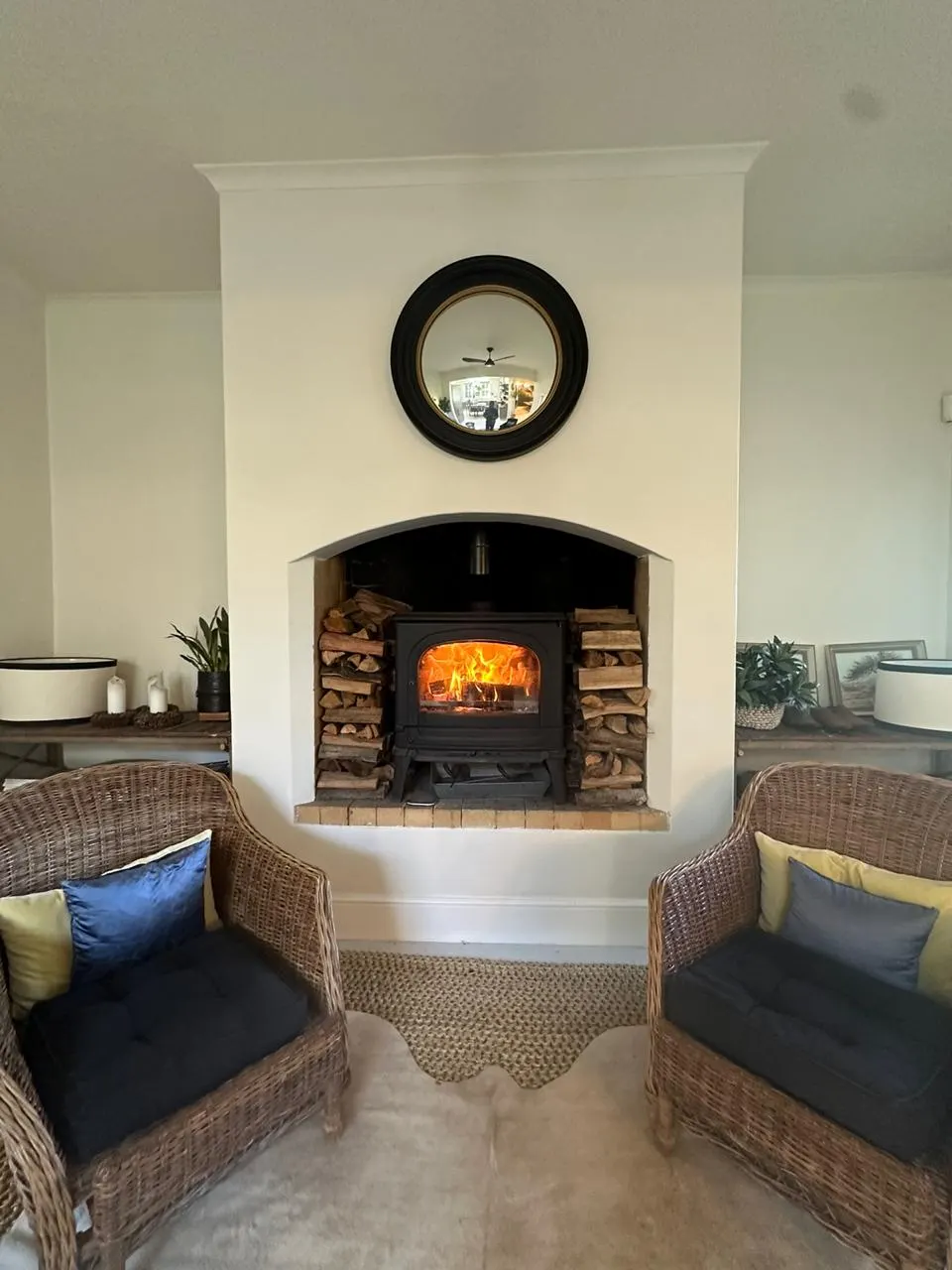
A brick surround and a steel stove need very different paints. Use the wrong one and it blisters, smells or peels after the first fire. Here is which heat resistant paint goes where, and how to get a finish that lasts.
Quick answer
Use high-temperature stove paint on anything that gets very hot: the steel or cast iron body of a stove and any painted steel flue pipe. Use a heat resistant masonry paint on brick or plaster close to the fire opening, and normal wall paint only where the surface stays just warm. Never paint the inside of the firebox, the glass or the door seals. Clean and dry the surface first, apply thin coats, then cure the paint with a few small fires as the tin directs.
A fresh coat of paint is one of the quickest ways to make an old fireplace look new. A tired red brick surround can be painted white, and a faded grey stove can be brought back to a deep matt black. It is a job many homeowners want to tackle before winter.
The problem is that a fireplace is not an ordinary wall. Different parts reach very different temperatures, and paint that is fine on a lounge wall can bubble, peel or give off fumes next to a fire. Below, our team explains which heat resistant paint to use where, and how to make it last.
What Heat Resistant Paint Is and Where You Need It
Heat resistant paint is made to stay stuck and keep its colour when the surface underneath gets hot. Each product is rated to a maximum temperature, which is printed on the tin. The trick is to match the paint to the hottest temperature that part of the fireplace reaches.
Very hot zone
The steel or cast iron body of a stove, the door frame and any mild steel flue pipe. These need a proper high-temperature stove paint.
Hot zone
Brick, stone or plaster right around the fire opening and the hearth edge. Use a heat resistant masonry paint rated for the job.
Warm zone
The chimney breast higher up and the walls beside it. Good quality wall paint is usually fine here.
Do not paint
The inside of the firebox, fire bricks, baffle plate, glass, rope seals, hinges and handles.
If you are not sure how hot a surface gets, treat it as the hotter zone. It costs little extra and saves you from repainting after the first cold front.
Choosing the Right Fireplace Paint for Each Part
| Part of the fireplace | Paint to use | Finish we suggest |
|---|---|---|
| Steel or cast iron stove body | High-temperature stove paint, spray or brush | Matt or satin black, anthracite or grey |
| Mild steel flue pipe | High-temperature stove paint | Matt black to match the stove |
| Stainless steel flue | Usually left unpainted | Clean and polish instead |
| Brick around the opening | Heat resistant masonry paint | Matt, in a light or dark colour |
| Chimney breast and walls | Quality interior wall paint | Matt or low sheen to match the room |
| Hearth slab | Usually left natural or sealed | Ask before painting a hearth |
Stainless steel flues are made to resist rust and heat without paint, so we normally leave them bare. Mild steel pipe is different. Near the coast, salt air rusts unprotected steel quickly, and a rusty flue needs attention before you think about colour.
Painting a Brick Fireplace With Heat Resistant Paint
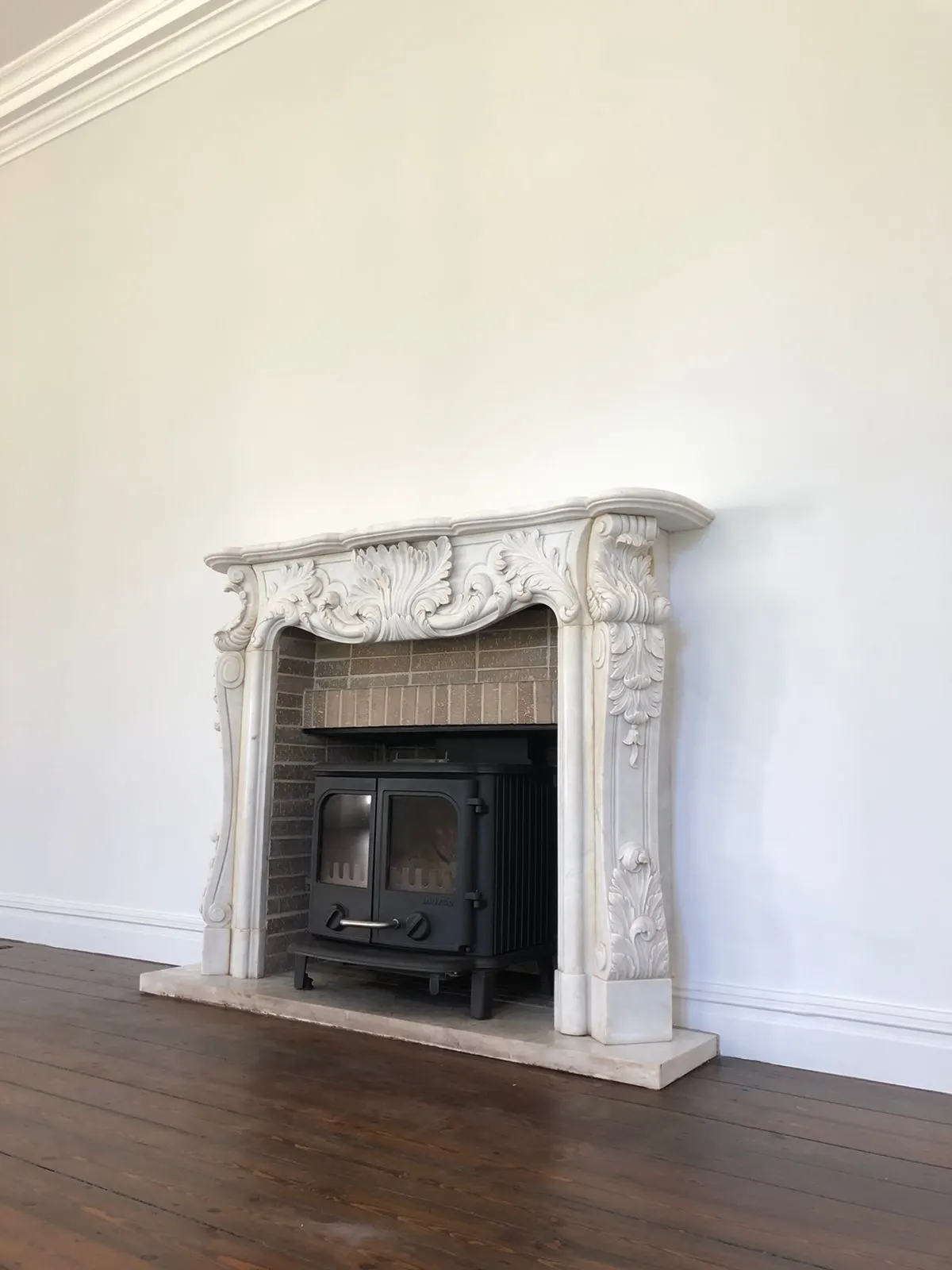
Painting a brick fireplace is mostly preparation. Old brick holds soot, dust and sometimes damp, and paint will not grip any of them. This is how our team goes about it.
Let it go cold
The fireplace must be completely cold, ideally unused for a full day. Cover the floor and furniture well, because soot spreads.
Clean off the soot
Brush the brick with a stiff brush, then wash it with a degreaser such as sugar soap. Rinse and let it dry fully, which can take a few days in a damp Cape winter.
Repair the mortar
Rake out and refill loose or cracked joints. Paint will not hide crumbling mortar for long.
Prime the brick
Use a primer suited to masonry. Soot stains tend to bleed through, so a stain-blocking primer helps on older fireplaces.
Paint in thin coats
Apply two or three thin coats of heat resistant paint, letting each dry as the tin says. Work the paint into the mortar lines with a brush before rolling the flat faces.
Think carefully before you paint face brick. Paint is very hard to remove from brick once it is on, so this is a long term choice. If you want a completely new look rather than a colour change, fireplace cladding in stone or tile is the other route.
Stove Paint: Refreshing a Steel or Cast Iron Stove
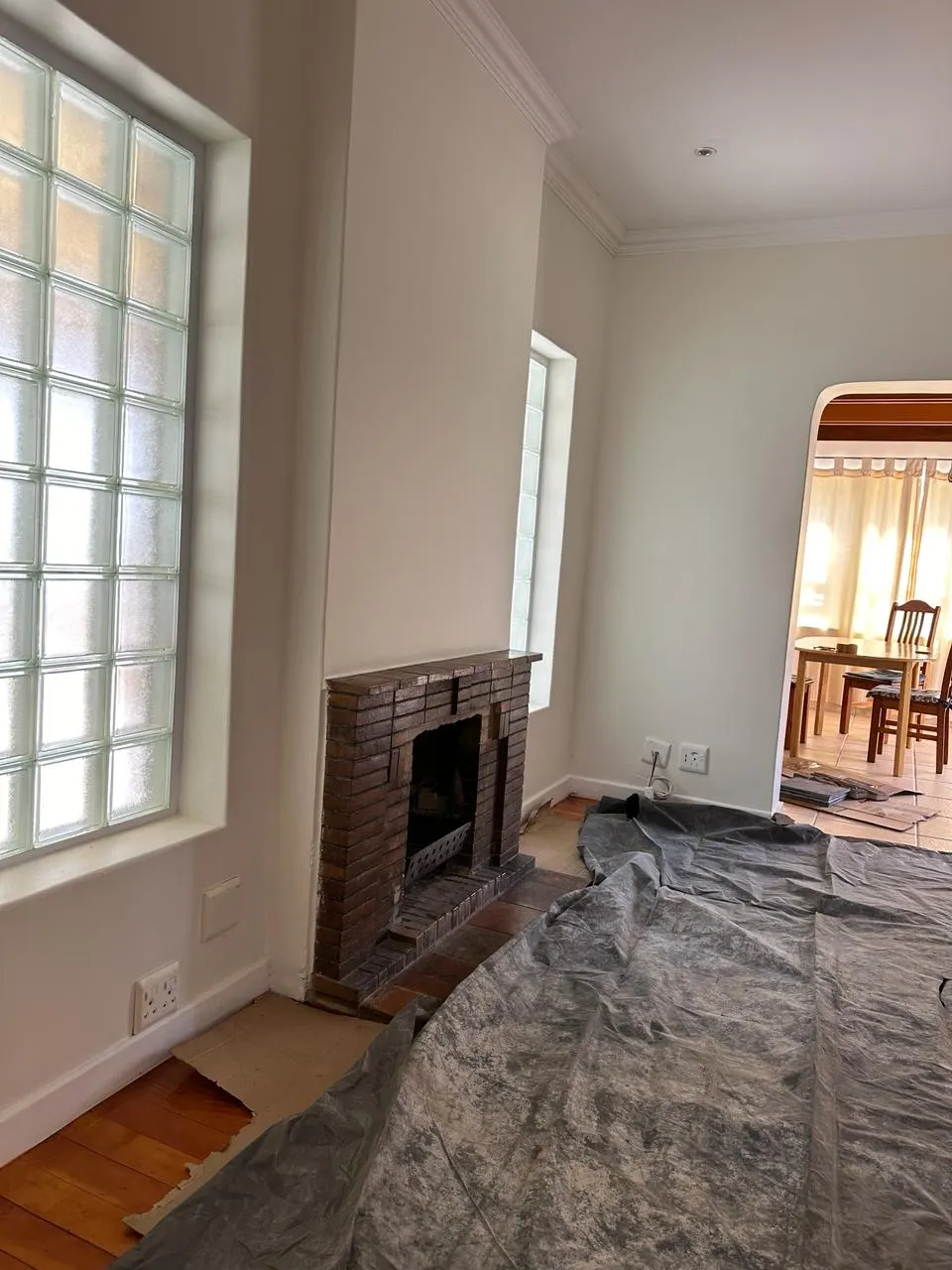
A stove that has gone grey, rusty in spots or patchy can look new again with stove paint. Most stove paints come as an aerosol spray, which gives the smoothest finish, or as a brush-on paint for small touch ups.
Before you spray a stove
- ✓Work only on a stove that is completely cold.
- ✓Brush off rust and loose paint with a wire brush, then sand any rough edges smooth.
- ✓Wipe the body clean of dust and grease and let it dry.
- ✓Mask the glass, door handles, hinges, rope seals and any badges with tape and paper.
- ✓Open windows and doors well. Spray fumes build up quickly in a closed lounge.
- ✓Spray in light, even coats from the distance shown on the can. Several thin coats beat one thick one.
Cast iron and steel age differently, and our guide to the cast iron wood stove explains what to expect from each. If a stove body is cracked or warped, paint will not fix it. That is a job for our fireplace repairs team.
⚠ Safety first
Stove paint sprays are flammable. Never spray near a lit fire, pilot light or heater, and never paint a stove that is warm. Keep children and pets out of the room until the paint is dry and the room has aired out.
Curing Heat Resistant Paint Before the First Fire
Most stove paints and many heat resistant paints only reach full strength after they have been heated. This is called curing, and skipping it is a common reason for a sticky or soft finish.
- Let it dry first. Wait the full drying time on the tin before lighting the fire.
- Start small. Light a small fire for a short time, let it cool, then repeat with a slightly bigger fire. Follow the exact steps on the tin.
- Expect a smell. The paint may give off smoke and a strong smell during the first burns. Open the windows and keep the family out of the room.
- Do not touch. The paint stays soft until it is fully cured. Do not load logs against it or wipe it during this time.
Curing at the start of autumn is ideal. Doing it in the middle of a cold, wet spell means windows open while you need the heat most.
Why Heat Resistant Paint Peels or Bubbles
When fireplace paint fails, it is nearly always one of these causes.
Wrong paint
Wall paint on a stove or hot brick will blister and discolour. Check the temperature rating on the tin before you buy.
Too thick
Heavy coats trap solvent, which bubbles when heated. Thin coats cure far better.
Dirty or damp surface
Soot, grease and damp stop the paint from bonding. Brick that has not dried properly is a common culprit after rain.
Not cured
Paint that was never heated in stages can stay soft and peel off in sheets.
Damp brick is worth a closer look. If a chimney breast keeps staining or peeling after rain, water may be getting in at the top of the chimney or around the flue. Paint will not stop that, so the source needs fixing first.
When Paint Is Not the Answer
Paint is a finish, not a repair. Some problems need fixing before any colour goes on, or instead of it.
- A flue pipe that is rusted through or has holes needs a flue replacement, not paint.
- Smoke marks on the chimney breast can point to a leaking door or worn rope. Our fireplace rope seal replacement service sorts that out.
- Heavy soot inside the chimney should be cleared by our chimney sweeping services before you clean and paint the outside.
- Cracked fire bricks or a warped baffle need new parts. Never paint them.
Paint touch ups fit neatly into your fireplace winter maintenance routine. A soft brush, heat resistant gloves and an ash vacuum are the fireplace accessories that make the cleaning part easier.
Want your fireplace and lounge repainted without the mess? Send us a photo of the fireplace and the room, and our painters in Cape Town will tell you what prep it needs and which paint we would use. You can also book painting services online.
Heat Resistant Paint and Fireplace Paint: Common Questions
Can I use normal paint on a brick fireplace?
Only on parts that stay just warm, such as the chimney breast higher up. The brick right around the fire opening gets hot, so use a heat resistant masonry paint there. Check the temperature rating on the tin.
Can I paint the inside of my fireplace?
No. Do not paint the firebox, fire bricks or baffle plate. The heat inside is far beyond what paint can handle, and it will burn off and smoke. Paint only the outside of the stove and surround.
How long does stove paint take to cure?
It depends on the product. Most need to dry fully first, then be heated with a few small fires in stages. Follow the drying time and curing steps on the tin exactly.
Why does my new stove paint smell when the fire is lit?
A smell and some smoke during the first few fires is normal while the paint cures. Open the windows and keep people and pets out of the room. If the smell continues long after curing, the paint may be the wrong type or too thick.
Should I paint a stainless steel flue?
Usually not. Stainless steel is made to handle heat and resist rust without paint. Keep it clean instead. Mild steel flue pipe can be painted with high-temperature stove paint.
Planning this kind of work?
Call or WhatsApp with your suburb and photographs. Fire Flames can discuss your fireplace, braai or home project and quote.
Get A Quote →