A Practical Guide to Buying a Freestanding Wood Fireplace in South Africa

Winter in South Africa — whether you’re tucked into the Boland, bracing a Cape Town south-easter, or dealing with frosty Highveld mornings — hits harder than people expect. A freestanding wood-burning fireplace is one of the most practical ways to heat a living space efficiently, beautifully, and completely independently of Eskom. No electricity. No gas cylinders. Just seasoned wood and a real flame doing what fire has done for thousands of years.
This guide is for South African buyers who want honest, practical information: what types of freestanding wood fireplaces are available, what they cost in Rands, what to watch for when shopping, and what installation actually involves. If you’re also weighing up whether a freestanding unit suits your home — or whether a built-in might serve you better — our comparison of freestanding vs built-in fireplaces covers that decision in detail.
Why South Africans Are Choosing Freestanding Wood Fireplaces
There are three practical reasons freestanding units have grown in popularity here.
Load-shedding resilience. A wood fireplace operates entirely off-grid. During Stage 4 or 6, your home stays warm. That’s not a minor convenience — for many SA families it’s the primary reason they buy.
Flexibility and rental-friendly installation. Unlike a built-in fireplace, a freestanding unit requires only a flue pipe routed through a ceiling or wall — no major structural work, no refractory brickwork, no knock-through into an existing chimney. This makes them popular in rental properties and in homes where a permanent built-in isn’t practical or permitted.
Cost-effective heating. Closed combustion fireplaces (which most modern freestanding wood units are) are highly efficient — burning significantly more of the wood’s energy as heat rather than smoke. Compared with running a gas fireplace or electric heater through a long Western Cape or Gauteng winter, wood can be considerably cheaper per unit of heat delivered, especially if you source hardwood locally.
Types of Freestanding Wood Fireplaces Available in South Africa
Walk into any fireplace showroom and you’ll see a wide range. Here’s how to make sense of the categories.
Closed Combustion Steel Fireplaces
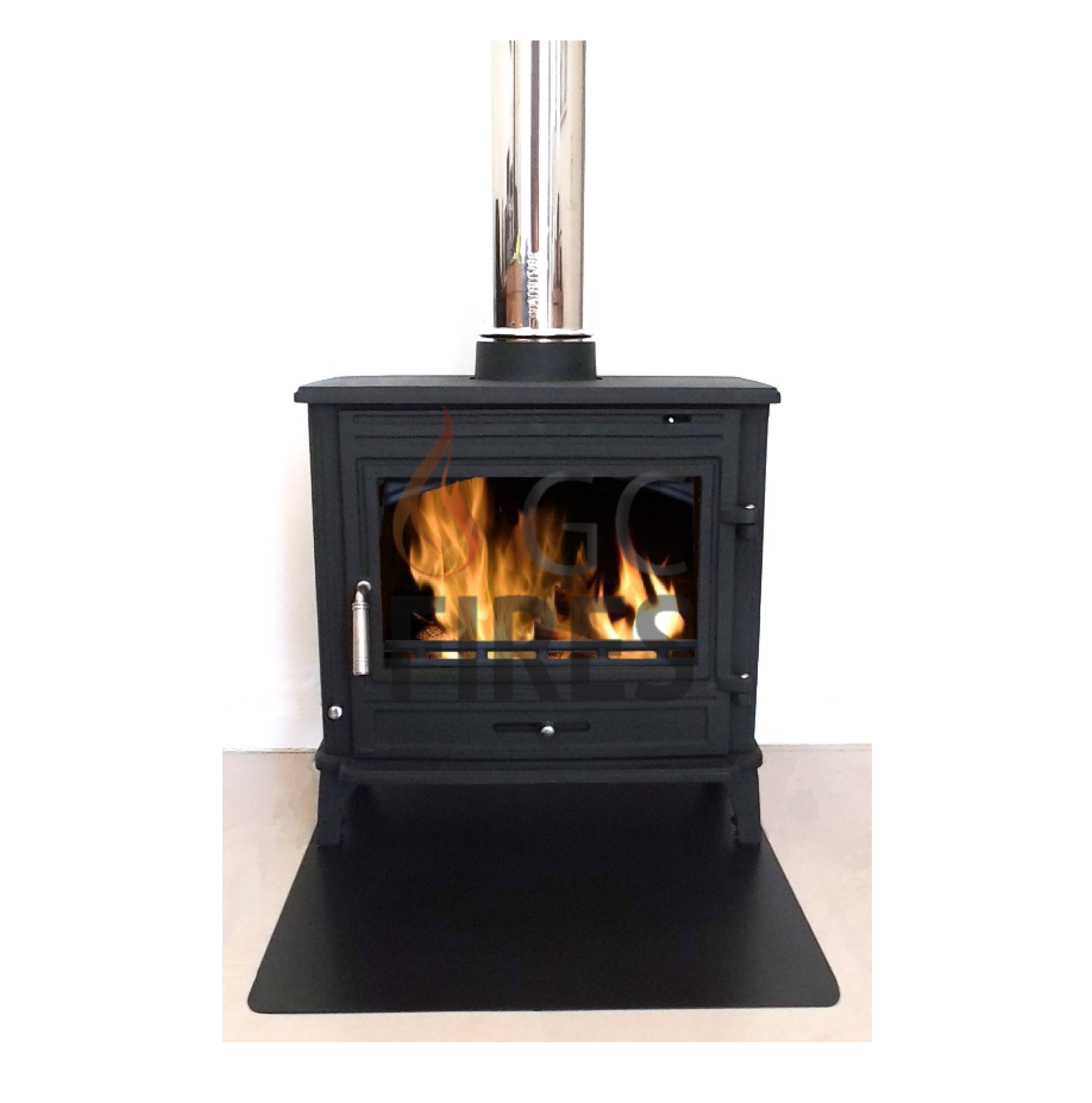
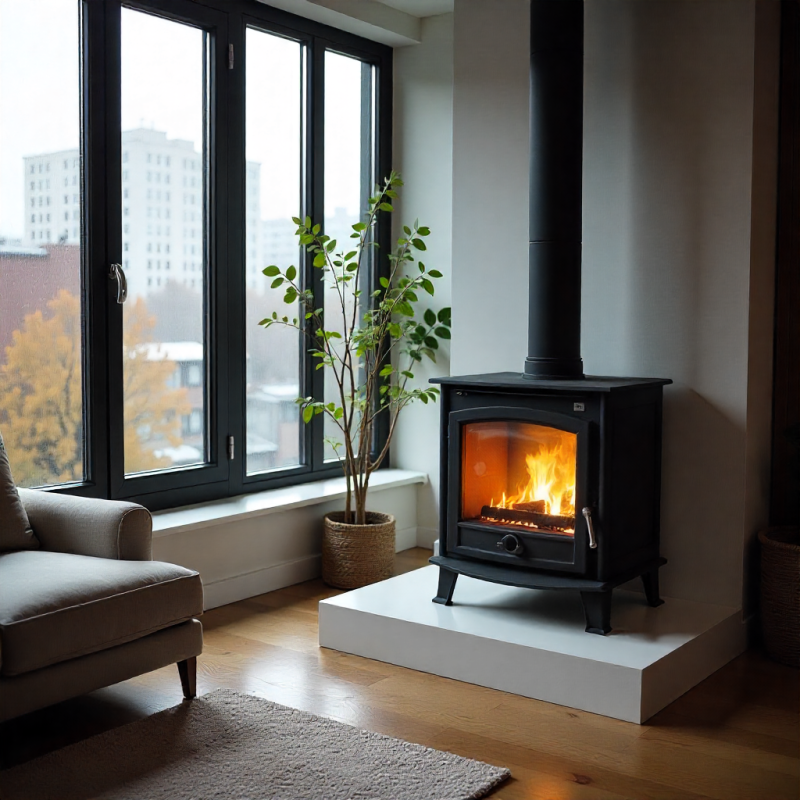
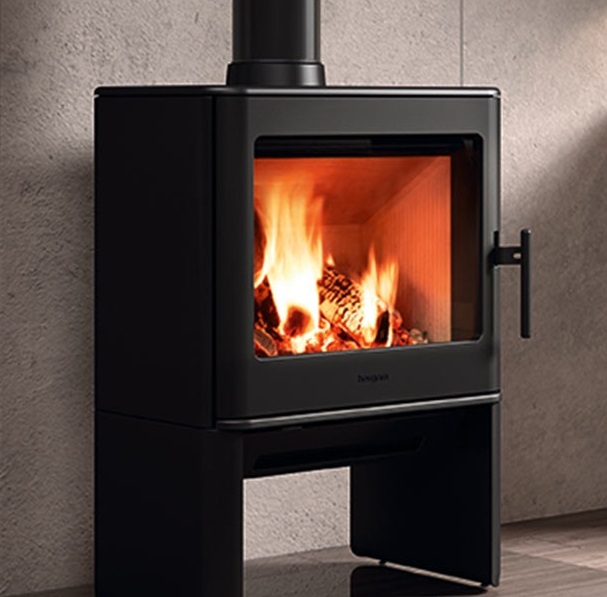
The workhorse of the South African market. These are fabricated from heavy-gauge mild steel (typically 4–6 mm plate), with a sealed combustion chamber, a glass viewing window, and a cast-iron or steel door. Because combustion air is precisely controlled, they burn at high efficiency — 70–85% in good models. Brands like Hydrofire, Northern Flame, and Dovre produce popular units in this category. Sizes range from compact 8 kW units for a bedroom or small lounge, up to 18–25 kW models capable of heating an open-plan living area.
Ceramic Pot Fireplaces (Earthfire-Style)
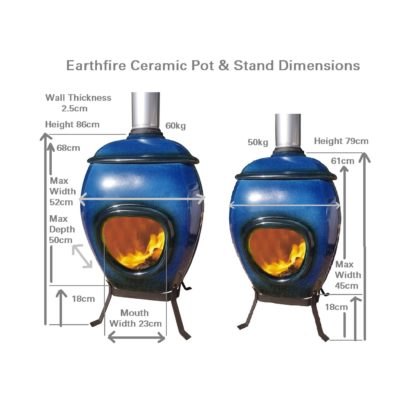
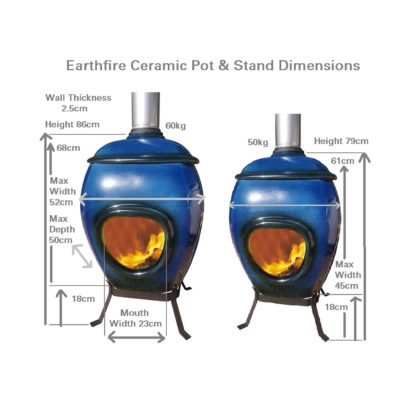
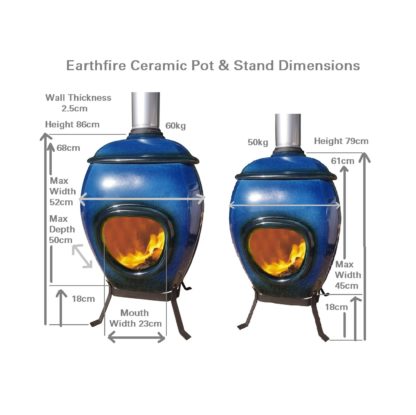
South Africa has a strong tradition of the ceramic pot-style fireplace — kiln-fired clay bodies in warm earthy tones, hand-crafted, and distinctly local in character. The Earthfire range is the most well-known. These units are slower to heat than steel models but retain heat for longer and radiate gently after the fire dies down. They’re particularly popular in Cape Winelands and Karoo homes where aesthetics matter as much as output. Prices are generally higher than comparable steel units.
Cast Iron Freestanding Fireplaces
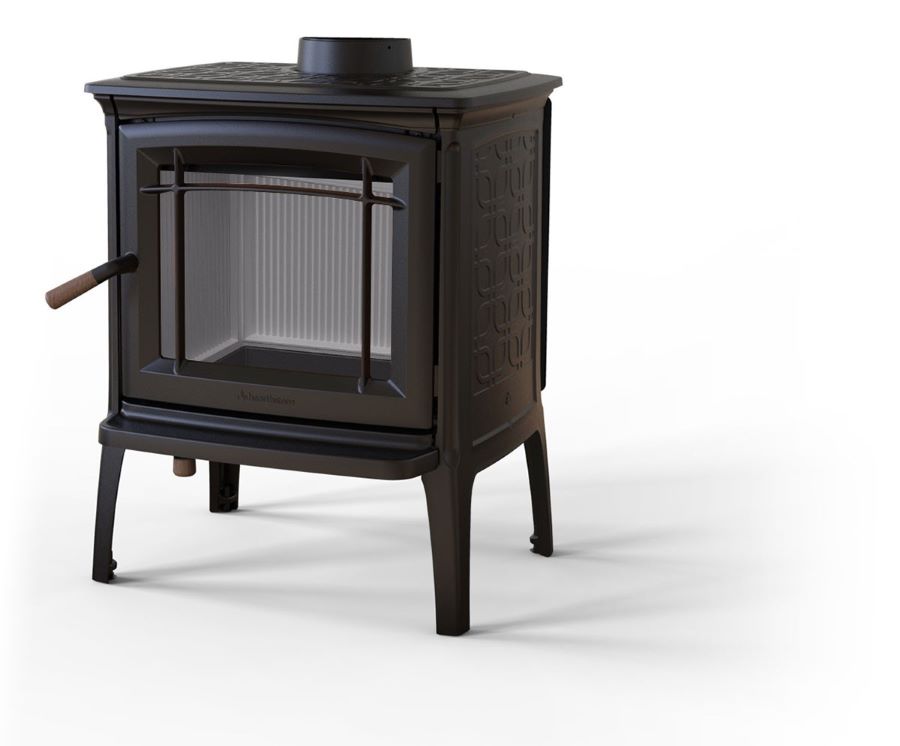
Cast iron heats slowly and cools slowly — it’s the original thermal battery. Cast iron units tend to be heavier, more expensive, and more refined-looking. European brands like Dovre and Morso are imported into South Africa; local prices reflect freight and import duties. If you’re looking at our full fireplace collection, you’ll find cast iron options listed alongside steel and ceramic models.
Compact / Bedroom Freestanding Units
Not every room needs a 20 kW beast. Smaller freestanding units — 6–10 kW, with a slimmer footprint — are designed for bedrooms, studies, or smaller entertainment areas. Installation requirements are the same (you still need a proper flue), but the running cost per session is lower and the unit takes up less space.
What to Look For When Buying a Freestanding Wood Fireplace
Heat Output (kW) vs Room Size
A rough rule of thumb used widely in South Africa: 1 kW of output heats approximately 10 m² of standard ceiling-height (2.4 m) living space in a reasonably insulated room. An open-plan kitchen/dining/lounge of 60 m² would need roughly 6 kW minimum — in practice, 8–10 kW gives you comfort without running the fire at full throttle continuously.
For coastal homes — Cape Town, Hermanus, Knysna — factor in the damp. Humidity slows perceived warming and a slightly oversized unit is rarely a mistake. Our guide to choosing the right fireplace for your home walks through this sizing calculation in more depth.
Steel Specification for Coastal Environments
If you live within about 10 km of the ocean, pay attention to the steel specification. Mild steel that isn’t properly powder-coated or treated will rust in high-salt-air environments within a few seasons. Look for powder-coated finishes with full seam-sealing, and ask specifically about marine-grade treatments. High-quality units use 304 stainless steel for external components — it’s worth paying the premium if you’re in Blouberg, Muizenberg, Fish Hoek, or any coastal suburb.
Glass Quality and Door Seals
The viewing glass should be robust borosilicate glass rated for high temperatures. Cheap units use thinner glass that cracks after thermal cycling. Door seals — the rope gasket around the door frame — should be inspected annually; deteriorated seals allow uncontrolled air ingress, which reduces efficiency and can cause over-firing.
Flue Compatibility
Most freestanding units in SA use a 150 mm or 200 mm diameter single-wall or twin-wall flue pipe. Twin-wall insulated flue is more expensive but safer for installations that pass through ceilings, roof spaces, or exterior walls — and required by SANS 10400 in certain configurations. Your installer will specify the correct type based on your house structure and the unit’s outlet collar size.
Price Guide: What to Budget in South Africa (2026)
Prices shift with exchange rates (imported units) and steel costs (locally fabricated), but here are realistic 2026 Rand ranges for the unit alone, excluding flue and installation:
- Entry-level steel (compact, 6–10 kW): R5,000 – R9,000
- Mid-range steel closed combustion (10–16 kW): R10,000 – R18,000
- Premium steel / ceramic pot (16–25 kW): R18,000 – R30,000
- Cast iron imported (Dovre, Morso, Kratki): R22,000 – R55,000+
- Flue system (twin-wall, 4–6 m run): R4,000 – R10,000
- Professional installation (labour): R3,500 – R8,000 depending on complexity
Total installed cost for a quality mid-range freestanding fireplace typically lands between R18,000 and R35,000. For a full breakdown of what drives installation pricing in South Africa, read our fireplace installation cost guide.
Installation: What the Process Actually Involves
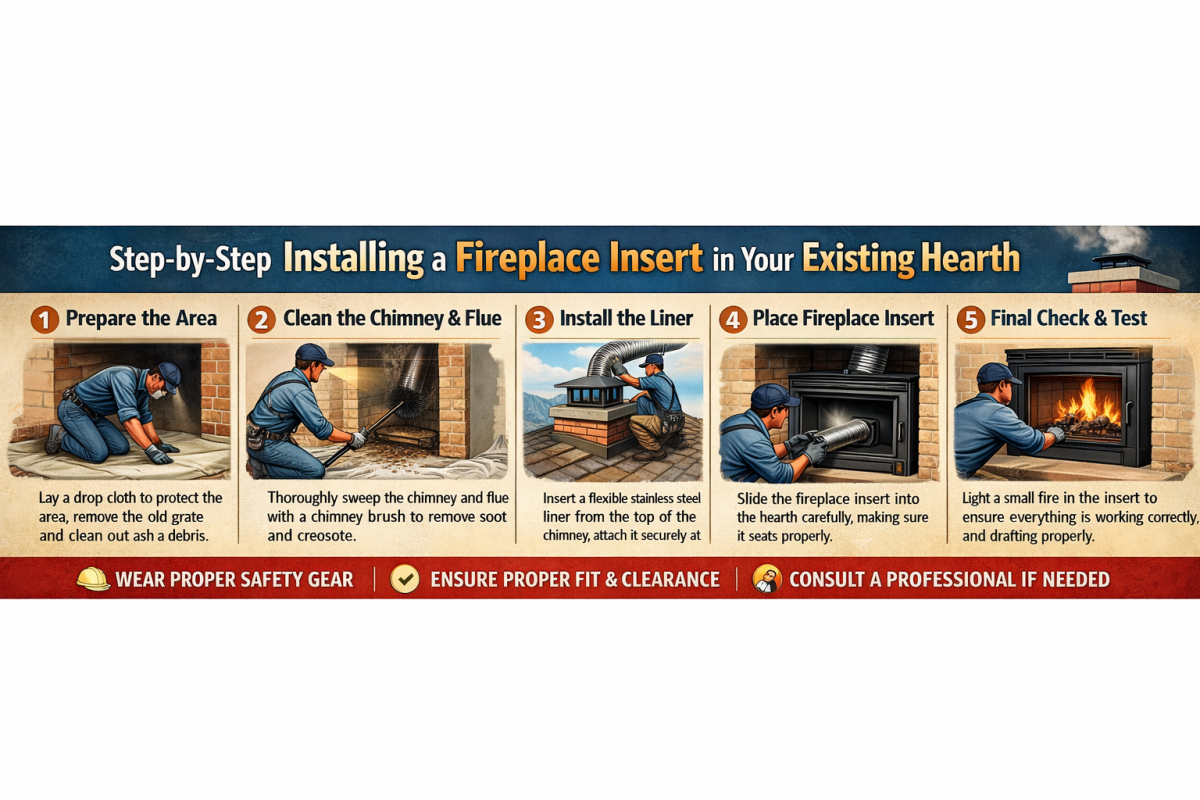
One of the great advantages of freestanding units is the relative simplicity of installation compared to a built-in fireplace. There is no brickwork, no lintel, and no existing chimney required. Here’s the typical sequence:
- Site assessment: The installer checks ceiling height, roof structure, and the proposed flue exit point.
- Hearth preparation: A non-combustible hearth pad (slate, tile, stone, or purpose-made steel plate) is positioned under and around the unit to meet SANS clearances.
- Unit placement: The fireplace is positioned with the correct clearances from combustible walls (minimum 300–500 mm on sides and rear for most units).
- Flue assembly: Single-wall or twin-wall sections are assembled, supported with bracket kits, passed through a ceiling medallion (or wall thimble), and terminated above the roofline with a cowl.
- Commissioning: A test fire verifies draw, checks for smoke spillage, and beds in the paint on new steel units (first fires produce some odour — this is normal).
While a competent DIYer can install a simple freestanding fireplace, having it done by professional fireplace installers ensures the flue is correctly supported and sealed, the clearances are code-compliant, and the installation won’t void your home insurance. It’s worth the peace of mind.
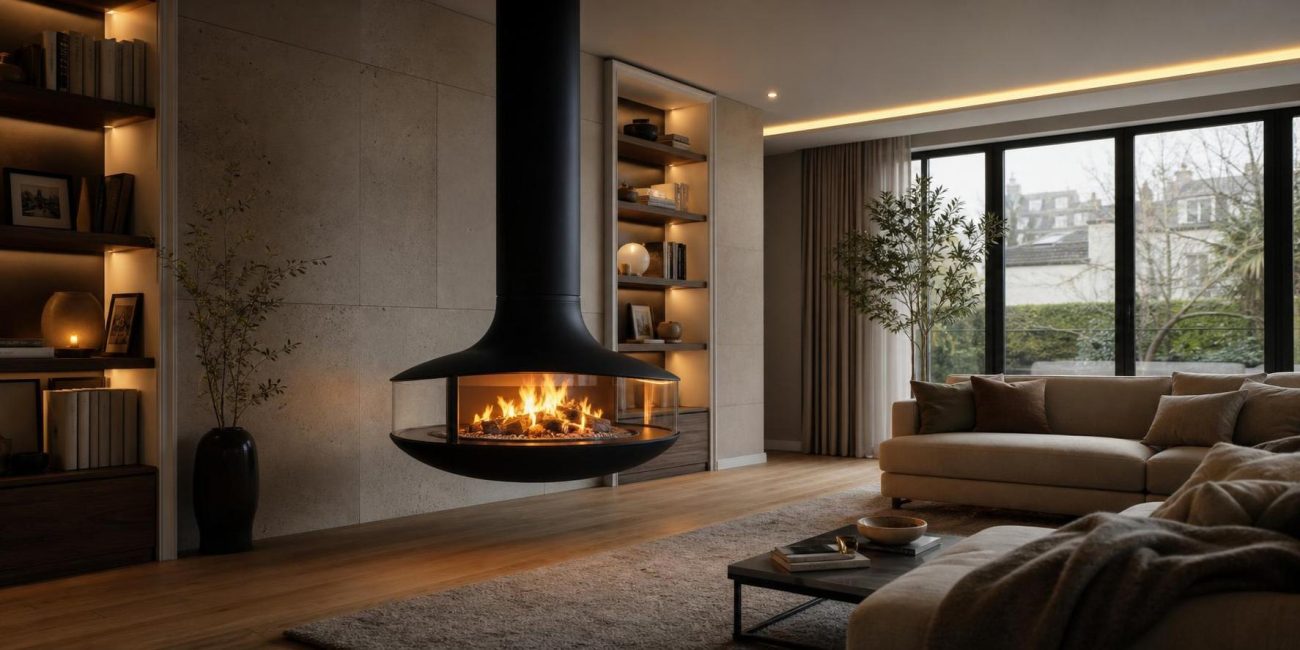
If you’re also curious about what’s trending in fireplace design right now, our look at 2026 fireplace design trends covers the aesthetic shift from chunky traditional units toward slimmer, more architectural freestanding profiles.
Frequently Asked Questions
Can I install a freestanding wood fireplace in a townhouse or sectional title property?
Yes, in many cases — but you’ll need body corporate approval before installation. The main consideration is the flue exit point: it must not impinge on a neighbour’s unit or the common roof. Twin-wall flue that exits through an exterior wall (rather than the roof) is often the cleanest solution in townhouse complexes. Your installer can assist with a written proposal for the body corporate if needed.
How much wood does a freestanding fireplace use per evening?
For a 10–12 kW unit run for 4–5 hours, expect to burn roughly 3–6 kg of dry hardwood (such as black wattle, bluegum, or rooikrans — all common in SA). Wet or green wood burns far less efficiently and produces significantly more creosote in the flue. Always burn well-seasoned wood, ideally with a moisture content below 20%.
Do I need council approval to install a freestanding fireplace?
Building plan approval is generally not required for a freestanding fireplace in South Africa, provided it’s installed on an existing solid floor and the flue penetration doesn’t affect structural members. However, the installation must comply with SANS 10400 Part T (fire protection) requirements around clearances and flue construction. A reputable installer will handle compliance as part of the job.
How does a freestanding fireplace compare to a built-in in terms of heat output?
Gram for gram of wood burned, a well-made freestanding closed combustion unit and a comparable built-in closed combustion fireplace are similar in efficiency. The key difference is aesthetics and installation: built-in fireplaces integrate flush with a wall and can include a surround, mantle, and hearth as part of a designed feature — but they cost more to install and require structural work. Freestanding units are more flexible and faster to install.
Ready to Choose Your Freestanding Fireplace?
Browse our full range of freestanding wood-burning fireplaces — from compact 6 kW bedroom units to large-format ceramic and steel models capable of heating an open-plan living area. If you’d like a recommendation based on your room size, home layout, and budget, get in touch with our installation team for a free, no-obligation consultation. We serve Cape Town and surrounding areas and can visit your home to advise on the best unit and flue configuration for your specific situation.
Related reading
- Can You Install a Fireplace in an Existing Home? Yes — Here's How
- Combustion Fireplace Installation: How It Works, Costs & Compliance
- Need it done professionally? See our fireplace installation in Cape Town service.