Ceramic Fireplace Explained: Styles, Features & What to Know Before You Buy

If you have ever walked into a Cape Town showroom and stopped in front of a beautifully glazed, pot-shaped wood-burner, you have already met the ceramic fireplace. These sculptural, freestanding heaters have developed a loyal following in South Africa — and for good reason. They heat a room effectively, look extraordinary as a centrepiece, and carry an artisan character that no flat-panel electric unit can match. Before you buy one, though, it helps to understand exactly what you are getting, what the realistic costs are, and how installation works. Our ceramic fireplace range gives you a sense of what is on the market, but this guide will help you decide whether a ceramic fireplace is right for your home in the first place.
What Is a Ceramic Fireplace?
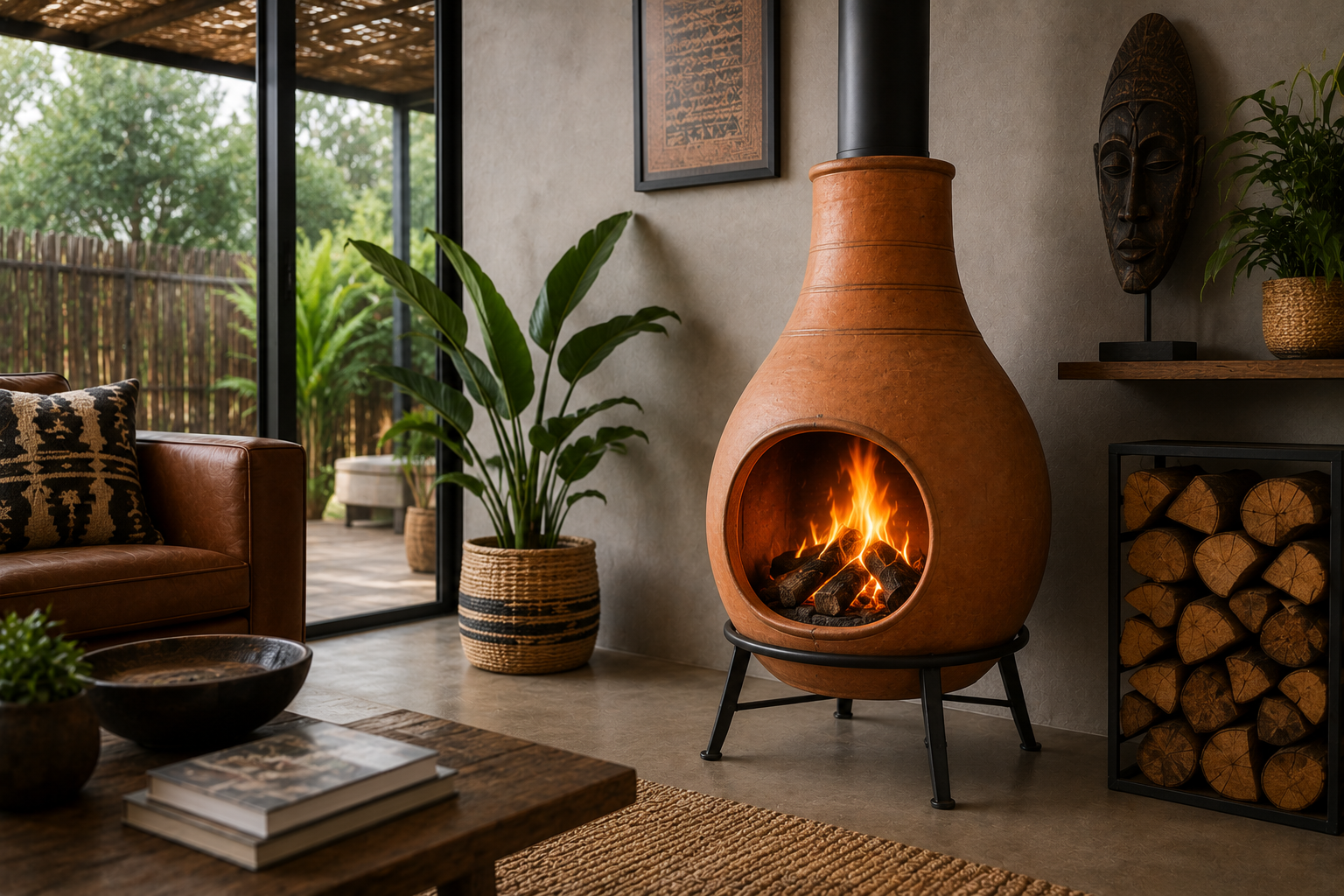
The term “ceramic fireplace” in the South African market refers almost exclusively to a style of freestanding, wood-burning heater built from kiln-fired ceramic or terracotta clay, typically shaped like a rounded pot or vessel. The fire chamber sits inside the ceramic body, which absorbs heat from combustion and then radiates it gently into the room for an extended period — even after the fire dies down.
This radiant heat characteristic is one of the key differences between a ceramic fireplace and a standard steel or cast iron unit. Steel heats a room quickly and cools equally fast. Ceramic — like its masonry-stove cousins popular in Scandinavia and Central Europe — stores thermal energy in its walls and releases it slowly, maintaining a steady warmth that feels less aggressive and more consistent. In a South African context, where winter nights in Cape Town, the Winelands, or the Highveld are cold but not extreme, that gentle, sustained warmth is often exactly what is needed.
Most ceramic fireplaces on the South African market are glazed, meaning the clay is fired with a coloured glass coating that gives the unit its distinctive sheen. Common glazes run from classic terracotta and matt earth tones through to crisp white, charcoal black, and rich honey-brown. Some units are unglazed, presenting a more rustic, raw-clay aesthetic.
Ceramic Fireplace Styles: Which One Suits Your Home?
Browse the category and you will find several distinct shapes. Understanding them makes narrowing your choice much easier.
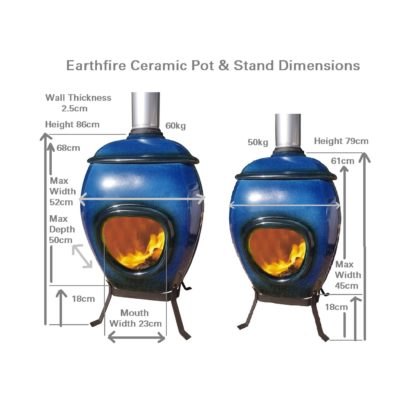
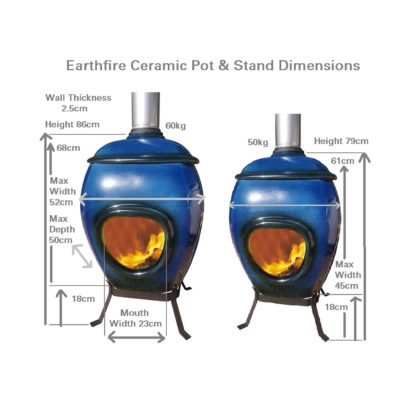
- Round pot-style (most common): The classic SA ceramic fireplace. A round, bulbous body — almost amphora-like — sits on a detachable metal stand or directly on a hearth. The fire door is cast iron or steel, set into the ceramic body. This style suits contemporary, Moroccan, Scandi-influenced, or heritage Cape interiors with equal ease.
- Oval or elongated pot: A taller, slimmer profile that works in rooms with lower ceilings or narrow floor spaces. The heat output is similar; the footprint is smaller.
- Multi-coloured or patterned glaze: Some makers offer units with two-tone glazes (for example, white body with a honey-brown lid), hand-painted detailing, or textured surfaces. These are statement pieces, typically priced at a premium but essentially unique in a lounge or study.
- Unglazed terracotta: A plainer, more affordable option that blends well in rustic, farmhouse, or Cape-country interiors. Less water-resistant than glazed units — keep this in mind if the fireplace will live on a covered but exposed patio or in a room with high humidity.
If you are weighing the ceramic style against other options, our article on freestanding vs built-in fireplaces walks through the full trade-off, from installation cost to aesthetic flexibility.
Ceramic vs Cast Iron vs Steel Fireplaces
Most South African buyers compare ceramic against the two other dominant freestanding fireplace materials. Here is how they stack up.
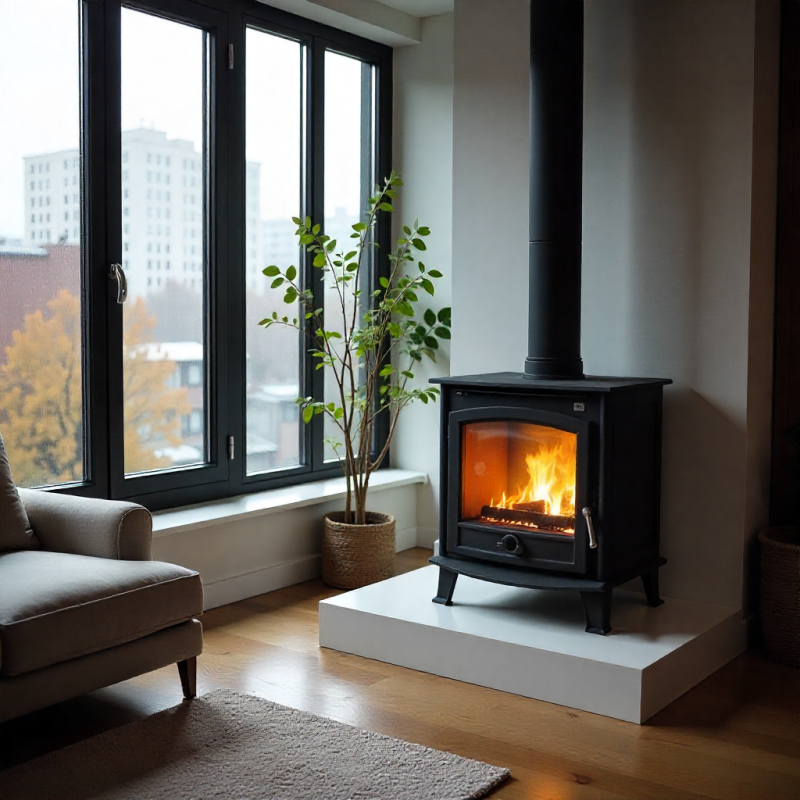
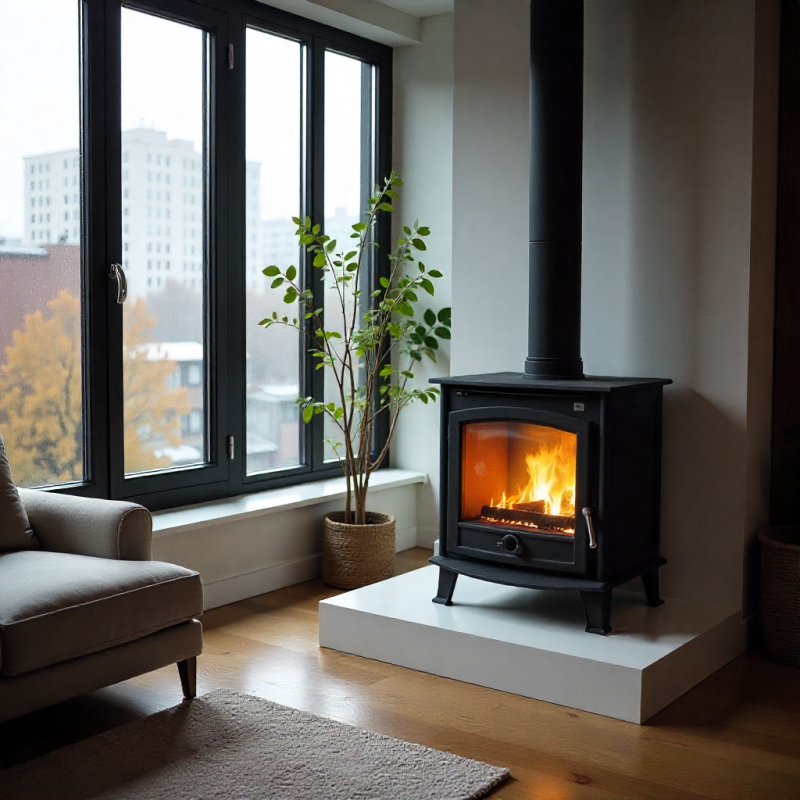
- Radiant heat retention: Ceramic wins. A cast iron stove retains more heat than a plain steel unit, but a ceramic body with thick walls outperforms both on extended radiant output after the fire is out.
- Warm-up speed: Steel wins. A thin-walled steel fireplace heats a room within 15–20 minutes. Ceramic takes 45–60 minutes to reach operating temperature and radiate properly.
- Aesthetics: Subjective, but ceramic is the stand-out choice for design-led interiors. Cast iron suits traditional and country homes; steel suits industrial and contemporary spaces.
- Durability: Cast iron is the most impact-resistant; ceramic can crack if knocked hard or subjected to rapid thermal shock (e.g., cold water on a hot surface). Treat a ceramic fireplace with the same care you would give quality crockery — not fragile, but not indestructible.
- Price: Ceramic units typically sit in the mid-range bracket. Steel freestanding fireplaces start cheaper; cast iron can reach similar or higher price points.
For a broader comparison that includes gas and built-in alternatives, choosing the right fireplace for your home is a useful starting point.
Key Features to Look For
Not every ceramic fireplace is equal. When comparing models, pay attention to these specifics:
- Wall thickness: Thicker ceramic walls = more heat storage and better long-term performance. Reputable manufacturers specify this; thin-walled budget imports lose the characteristic radiant-heat advantage.
- Cast iron fire door: A quality cast iron door seals properly, controls the air intake for combustion, and survives decades of use. Avoid units with ill-fitting steel doors — they let smoke into the room and make fire management frustrating.
- Flue collar size: Most SA ceramic fireplaces use a 150 mm (6-inch) flue collar. Confirm this before purchasing a flue system — mismatched sizing causes smoke leakage.
- Stand or legs: Some models include a fitted stand; others rest on a separate welded steel base. A stand raises the heat source to a more comfortable level and makes ash removal easier.
- Glaze quality and food-safe certification: Good-quality glazes are non-toxic and stable at high temperatures. Ask your supplier about the firing temperature — a properly kiln-fired glaze will not release toxins at normal operating temperatures.
Ceramic Fireplace Prices in South Africa
Pricing varies with size, glaze complexity, and brand, but here are realistic 2026 benchmarks for the South African market:
- Entry-level unglazed terracotta unit (small, ~8 kW): R6,500 – R9,000
- Standard glazed ceramic pot fireplace (medium, 10–12 kW): R9,500 – R15,000
- Premium two-tone or hand-finished glaze (large, 12–15 kW): R15,000 – R22,000
- Installation (flue, hearth, fitting): R4,500 – R9,000 depending on flue length and complexity
Total installed budget for a mid-range ceramic fireplace therefore sits comfortably between R14,000 and R24,000 for most Cape Town homes. For a detailed breakdown of what drives the installation portion, read our fireplace installation cost guide. And if you are comparing the ceramic option against the wider freestanding fireplace range, it helps to see what comparable steel and cast iron units cost at the same output level.
What’s Involved in Installing a Ceramic Fireplace?
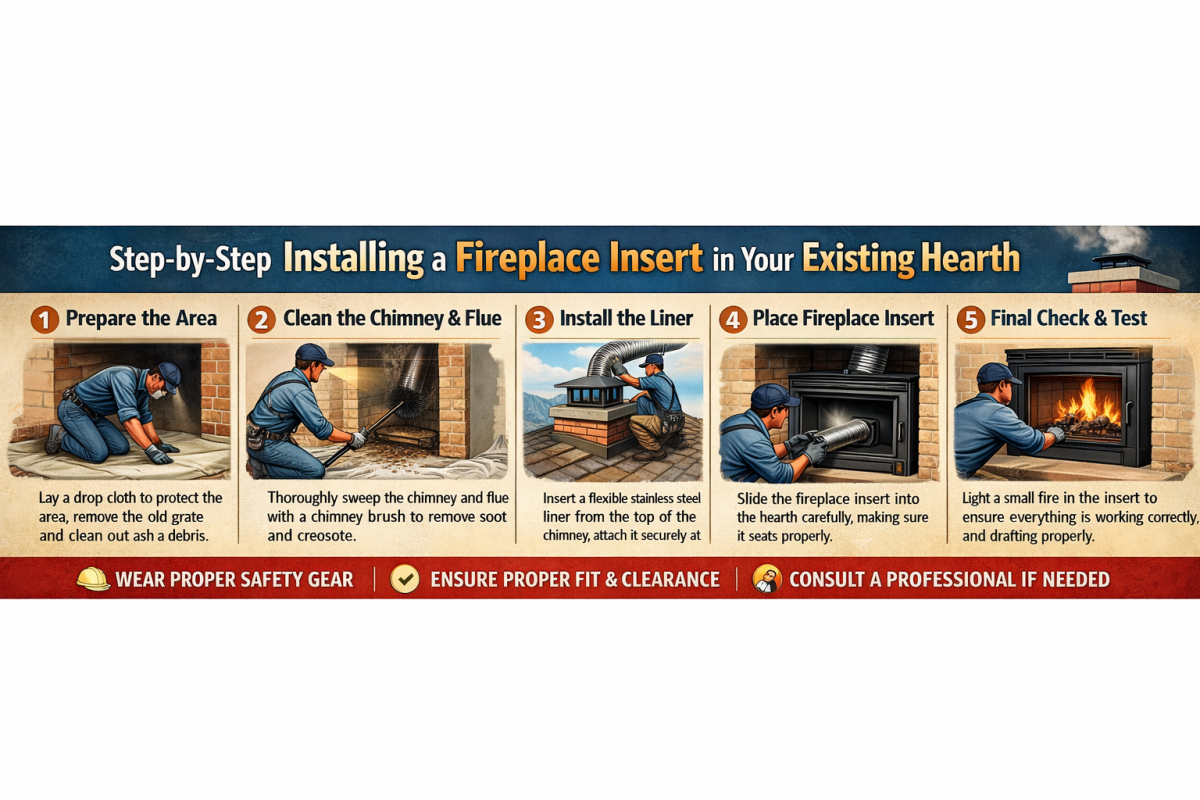
Ceramic fireplaces are freestanding, which means installation is considerably less disruptive than a built-in fireplace — no core-drilling through walls, no major masonry work. The main requirements are:
- A non-combustible hearth: The ceramic body and its stand must rest on tile, stone, slate, or a purpose-made fireplace hearth mat. A minimum 300 mm clearance on all sides from combustible surfaces (curtains, wooden furniture) is standard practice.
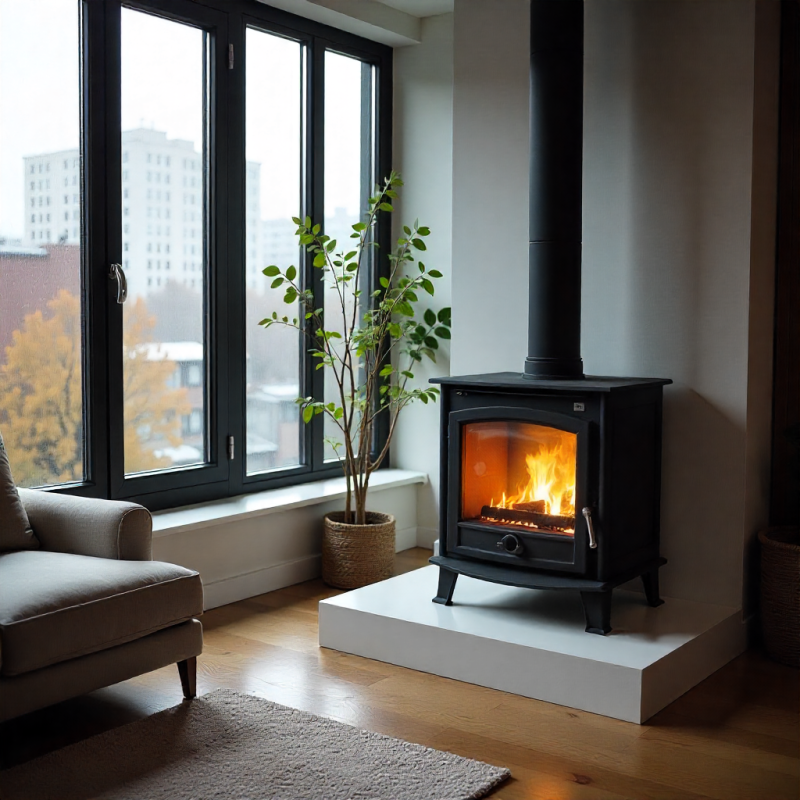
- A flue run to the outside: Every wood-burning fireplace needs a flue. For ceramic fireplaces in a room without an existing chimney — which is the majority of SA homes — a twin-wall insulated flue pipe is the preferred solution. It runs from the 150 mm collar on the fireplace up through the ceiling and roof, exiting via a flue cap above the roofline. Insulated flues for your fireplace are worth the extra cost over single-wall pipe: better draw, less creosote accumulation, and no condensation dripping back into the unit.
- Adequate room ventilation: Wood combustion consumes oxygen. In a well-sealed modern home, a small dedicated air vent (typically a hit-and-miss vent in an external wall) keeps combustion clean and prevents negative pressure.
- A certified installer: While a handy homeowner can move a ceramic fireplace into position, the flue penetration through the roof and the final commissioning should be done by a professional. Incorrect flue installation is the leading cause of house fires linked to solid-fuel appliances. Our professional fireplace installation service covers the full scope — site assessment, flue design, fitting, and final inspection.
Browse our full fireplace collection to compare ceramic options alongside the rest of what we stock, from gas inserts to built-in combustion units.
Frequently Asked Questions
Can a ceramic fireplace be used in a coastal home?
Yes, with the right flue components. The ceramic body itself is unaffected by sea air — fired clay is inert and does not rust. However, the steel stand and the flue system require attention. Specify 304-grade stainless steel for all flue components, brackets, and hardware. A 304-grade installation resists salt-air corrosion significantly better than galvanised or mild steel, and it should still be inspected annually.
How large a room will a ceramic fireplace heat?
A 10–12 kW ceramic fireplace will comfortably heat a well-insulated open-plan living area of 40–60 m². A 12–15 kW unit extends that to 70–90 m² in a modern, reasonably insulated Cape Town home. Poorly insulated older homes (think single-brick walls, no ceiling insulation) lose heat faster — size up by one bracket and make sure doors between rooms can be closed to help contain the heat.
Do ceramic fireplaces need a chimney?
They need a flue — but not necessarily a traditional brick chimney. A twin-wall insulated flue system achieves the same function: it vents combustion gases safely out of the home and creates the draw needed to keep the fire burning cleanly. This is the standard installation in Cape Town homes that were not originally built with a chimney breast. Your installer will assess the best flue route — typically straight up through the ceiling is the most efficient and creates the best natural draw.
How long does a ceramic fireplace last?
A well-made, properly maintained ceramic fireplace can last 20–30 years or more. The ceramic body is the durable element; wear items — the cast iron fire door, grate, and rope seal — are replaceable and cost R300–R800 each. Avoid thermal shock (never throw cold water on a hot unit), keep the firebox clean of excessive ash, and have the flue swept at the start of each winter season to maximise the lifespan.
Ready to Choose Your Ceramic Fireplace?
A ceramic fireplace is a long-term investment in your home’s warmth and character. The combination of radiant heat performance, unmistakable South African craft aesthetic, and relatively straightforward installation makes it one of the most rewarding choices for a lounge, study, or open-plan living area. If you are ready to see specific models and get sizing advice for your space, request a free installation quote and our team will walk you through the options and what installation will involve at your property.