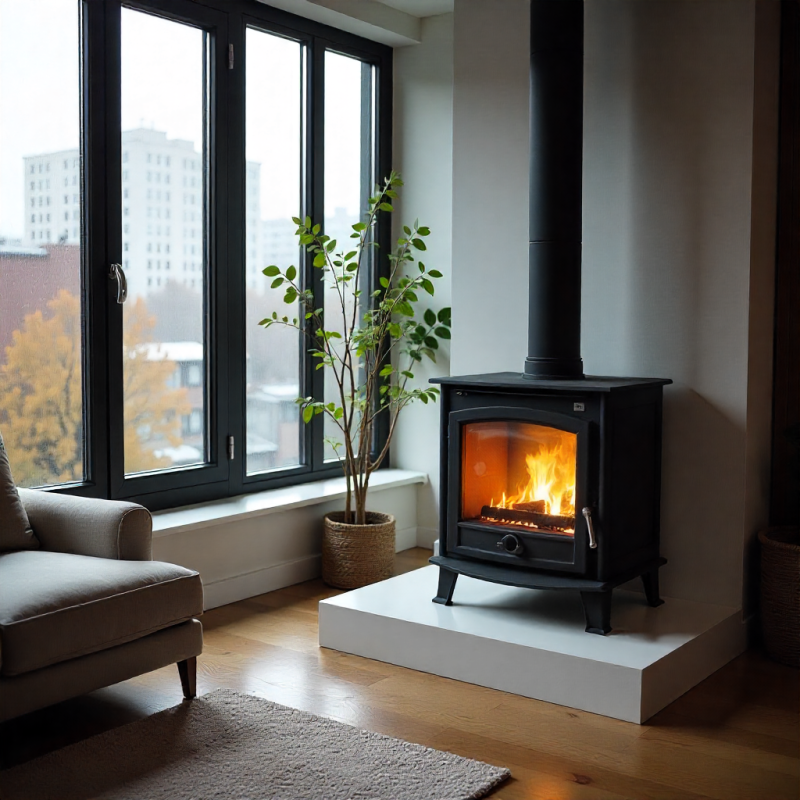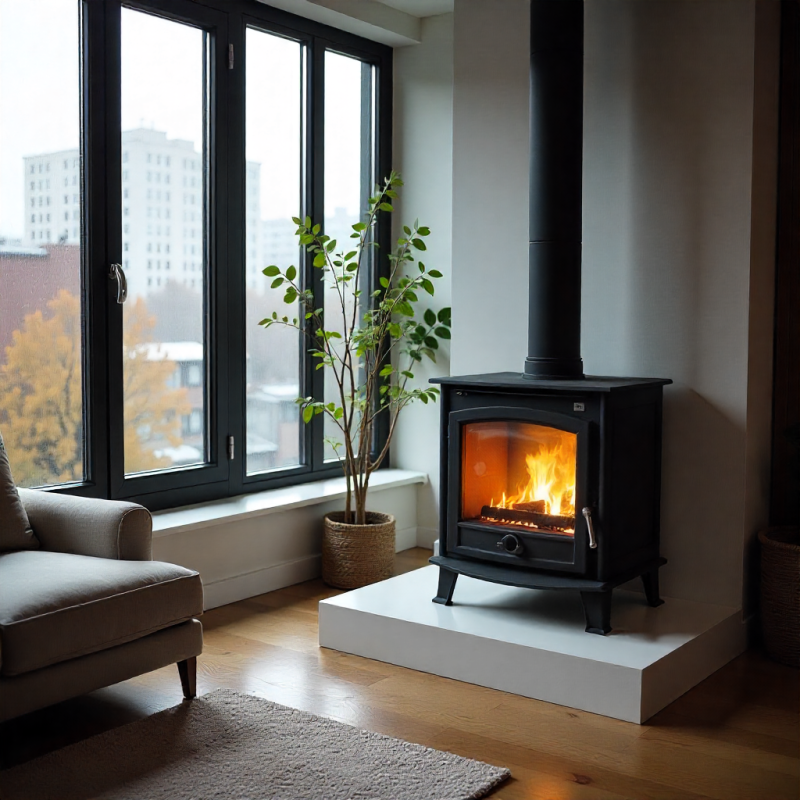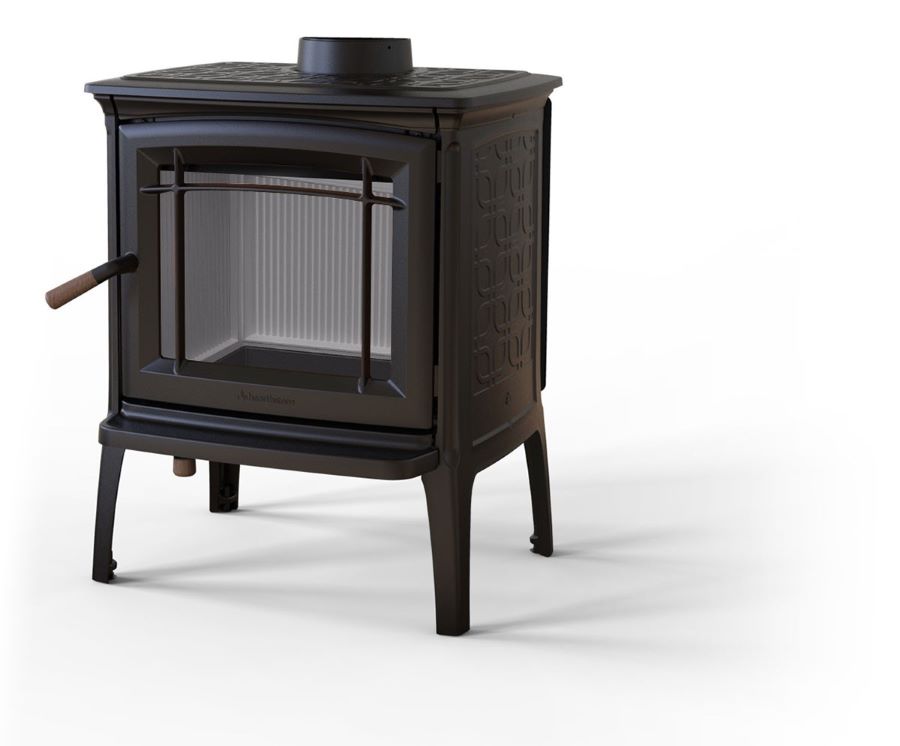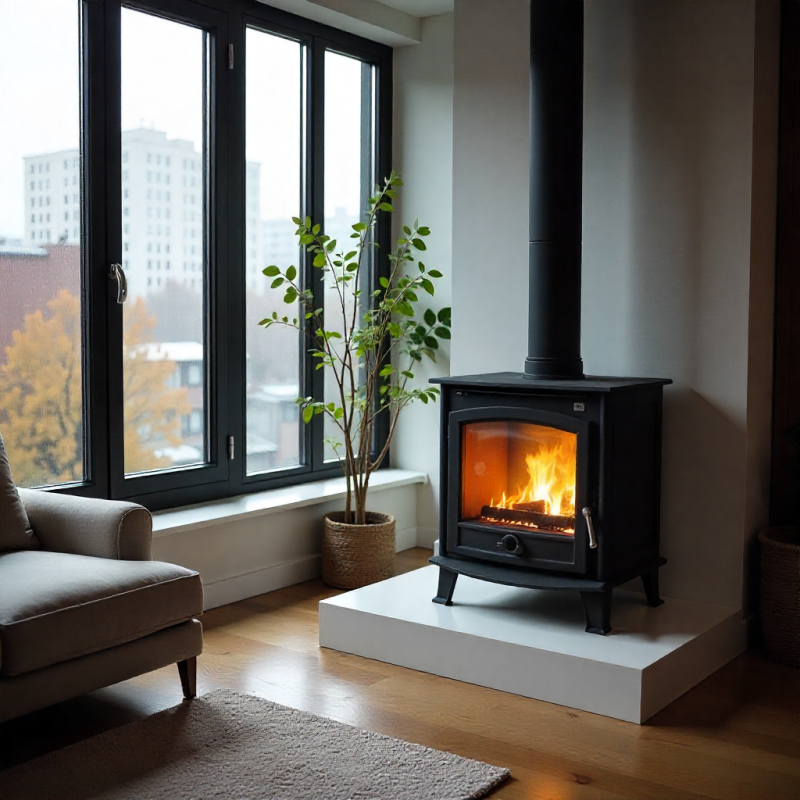

Every winter, thousands of South African homeowners start searching for a wood fire stove for sale — only to get overwhelmed by brands, kilowatt ratings, and price tags that range from R8,000 to well over R35,000. The good news: buying the right stove is straightforward once you know what to look for. This guide walks you through every decision point, with real Rand figures and SA-specific context, so you leave with confidence rather than confusion. Browse our full range of freestanding fireplaces once you’ve finished reading — you’ll know exactly which spec to look for.
For broader home fire safety context, the Fire Protection Association of Southern Africa is a useful independent reference.
Closed Combustion vs Open Fireplace: The Key Distinction
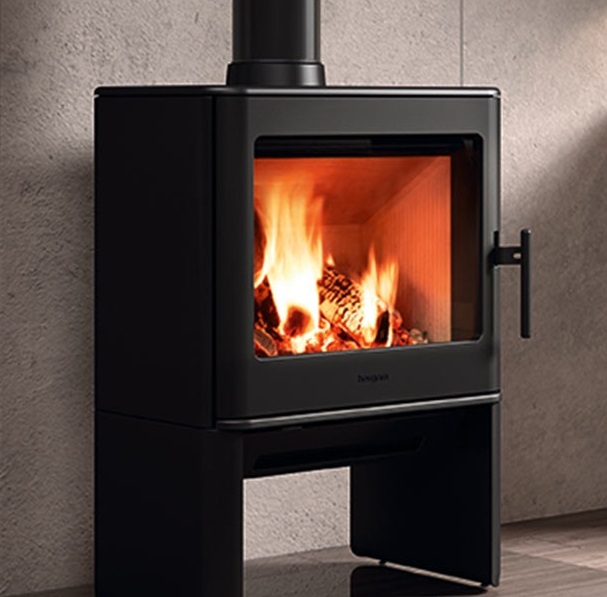
Most wood fire stoves sold in South Africa are closed combustion units — a steel or cast-iron firebox with a glass door and a controlled air supply. This design is far more efficient than a traditional open fireplace. Where an open hearth loses 60–80% of its heat up the chimney, a quality closed combustion stove converts 70–85% of the wood’s energy into room heat. Over a Cape Town winter, that difference translates directly into how much firewood you burn and how warm your lounge actually gets.
If you’re still weighing your options, our guide to freestanding vs built-in fireplaces covers the structural and budget tradeoffs in detail.
Sizing: Getting the kW Output Right
The single biggest buying mistake is choosing a stove that’s either too small (it never warms the room) or too large (you have to damper it down constantly, which causes creosote build-up). Use this rough guide for SA conditions:
- Up to 50 m² — 6–8 kW is sufficient for well-insulated rooms.
- 50–80 m² — 8–12 kW covers most open-plan Cape Town living areas.
- 80–120 m² — 12–18 kW handles large, double-volume, or draughty older homes.
South African homes are often less well-insulated than European ones, so if your house has big windows, concrete floors, or gets the Cape south-easter, size up rather than down. Also factor in load-shedding: a wood fire stove requires zero electricity to operate, making accurate sizing even more important — on a Stage 6 night, this may be your only heat source.
What to Check Before You Buy
1. Steel Thickness and Build Quality
Entry-level stoves use 4–6 mm mild steel, while premium units use 8–10 mm or cast iron. Thicker steel holds heat longer after the fire dies down and warps less over years of thermal cycling. In coastal cities like Cape Town, check whether the flue collar and any external fittings are 304 stainless steel — mild steel fittings corrode quickly in salt-laden air. This is a question worth asking your supplier explicitly.
2. Door Seal and Glass Quality
Open the door (or ask to see a demo). The rope seal around the frame should be firm and uncompressed. Loose seals allow uncontrolled air in, which means you can’t regulate the burn rate — the fire either roars or goes out. The glass should be high-temperature borosilicate (or ceramic glass), rated to at least 700 °C. Cheap soda-lime glass cracks within a season.
3. Air-Wash System
A good air-wash design channels a curtain of preheated air across the inner surface of the glass, keeping it clean and clear. Without it, your beautiful fire view disappears behind a wall of black soot within an hour of use. Ask specifically whether the stove you’re considering has a primary, secondary, and air-wash control — three separate air inlets indicate a well-engineered unit.
4. Flue Outlet Size and Position
Most South African freestanding stoves use a 150 mm or 200 mm flue outlet. Confirm this matches the flue system your installer is specifying — mismatched diameters waste money on adaptors and reduce draw efficiency. The outlet can be top-exit (simpler chimney run) or rear-exit (better for low-ceiling or cavity-wall installations). Check our flue systems range to understand the options before finalising your stove choice.
5. Ash Pan and Cleaning Access
Practical point, but often overlooked: a removable ash pan makes weekly maintenance fast and clean. Stoves without one require you to scoop ash out through the door — messy and time-consuming in a lounge setting. Check that the pan slides out without tools and fits neatly back in.
SA Brand Guide: Who Makes What
The South African market is served by a mix of European imports and local manufacturers. Here’s a quick orientation:
- Hydrofire — Cape Town-made, widely stocked, excellent support network. Strong value in the R10,000–R20,000 bracket. One of the highest-demand brands locally.
- Kratki — Polish-manufactured, good quality glass and modern aesthetics, R12,000–R25,000.
- Dovre & Godin — European brands (Norwegian and French respectively) with strong cast-iron heritage. Premium end, R18,000–R35,000+.
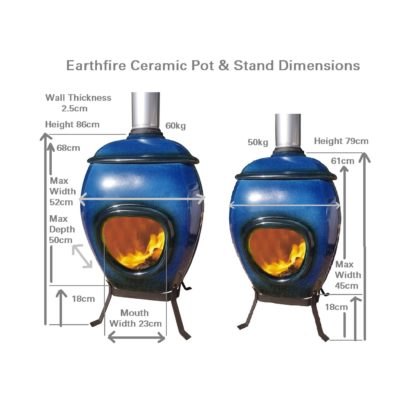
- Earthfire / Northern Flame — Mid-range SA options with reasonable parts availability.
- Home Fires — Budget-accessible, wide distribution, R8,000–R15,000.
For a broader overview of available models, browse our full fireplace collection — we carry freestanding, built-in, double-sided, and wall-mounted options.
What Does a Wood Fire Stove Cost in South Africa? (2026 Prices)
Prices vary significantly by output, brand, and build quality. As a guide for 2026:
- Entry-level (6–8 kW): R8,000–R13,000 for the stove unit alone.
- Mid-range (8–12 kW): R13,000–R22,000 — covers the majority of quality freestanding models.
- Premium (12 kW+, cast iron or designer): R22,000–R40,000+.
Installation costs are additional — flue systems, hearth preparation, and labour typically add R8,000–R18,000 depending on complexity and whether a new chimney is required. For a full breakdown, see our fireplace installation cost guide. The total installed cost of a quality wood fire stove in Cape Town typically falls between R20,000 and R45,000 — a significant but durable home improvement that adds resale value and eliminates load-shedding discomfort in winter.
Choosing the Right Firewood
Even the best wood fire stove performs poorly on wet or unseasoned wood. South African hardwoods perform well — rooikrans, bluegum, and Port Jackson are dense and readily available in the Western Cape. Kiaat and indigenous hardwood off-cuts burn hot and long. Avoid pine (high resin content, rapid creosote build-up) as your primary fuel. Wood should be split and air-dried for at least six months; moisture content below 20% is the target. A cheap moisture meter (R200–R400 from hardware stores) pays for itself in better burns and fewer chimney sweeps.
Installation: DIY vs Professional
Tempting as it is to handle installation yourself, a wood fire stove involves a permanent flue penetration through your roof or ceiling, which affects your home’s structural integrity, fire insurance, and waterproofing. Most insurers require proof of professional fireplace installation for fire-damage claims. A qualified installer also ensures correct flue height (critical for draw), proper hearth clearances, and a sealed, weatherproof roof penetration. If you’re planning a built-in installation or a double-sided unit instead, our guide to choosing the right fireplace for your home covers the full range of installation styles.
Frequently Asked Questions
How much does a wood fire stove cost in South Africa?
A quality freestanding wood fire stove costs between R8,000 and R35,000 for the unit itself. With professional installation, flue system, and hearth work, budget R20,000–R50,000 all-in. Mid-range stoves in the R13,000–R22,000 bracket offer the best balance of quality and longevity for most SA homes.
Do wood fire stoves work during load-shedding?
Yes — and this is one of their biggest advantages in South Africa. A closed combustion wood fire stove requires no electricity whatsoever. It generates heat through combustion alone, with airflow controlled by manual dampers. During prolonged outages, it can be your primary heat source and even a cooking surface if needed.
How often do I need to service a wood fire stove?
The flue and chimney should be swept at least once per season (annually if you burn daily in winter). The stove itself needs a visual inspection of door seals, glass condition, and baffle plate annually. Rope seals typically last 2–3 seasons before they need replacing — a R150–R300 DIY job. A quality stove, properly maintained, will last 15–25 years.
Can I install a wood fire stove in a townhouse or sectional title?
Potentially yes, but you’ll need approval from your body corporate and confirmation that a flue can be routed safely through or alongside the roof structure. Ground-floor units in sectional titles are often feasible; upper floors depend on the building layout. Speak to a qualified installer who can assess your specific situation before you buy.
Ready to Find Your Wood Fire Stove?
Knowing what to look for is half the battle — the other half is finding a model that fits your room, your budget, and your aesthetic. Explore our freestanding fireplace range to compare models side by side, or request a free installation quote and let our Cape Town team match you with the right stove and handle the installation from start to finish.