Freestanding Fireplace in Cape Town: Supply, Installation & Prices (2026)

Cape Town winters can catch you off guard — especially on the Peninsula where a cold south-easter drop at night means jumping for the duvet in June. A freestanding fireplace solves the heating problem elegantly: it sits where you need it, heats a room fast, and works through every stage-6 load-shedding bout without missing a beat. If you have been weighing up your options, this guide covers everything — types, prices in Rands, what installation involves, and how to choose the right model for your home.
You can browse our full fireplace range to see current stock, or keep reading for the buying essentials first.
What Is a Freestanding Fireplace?
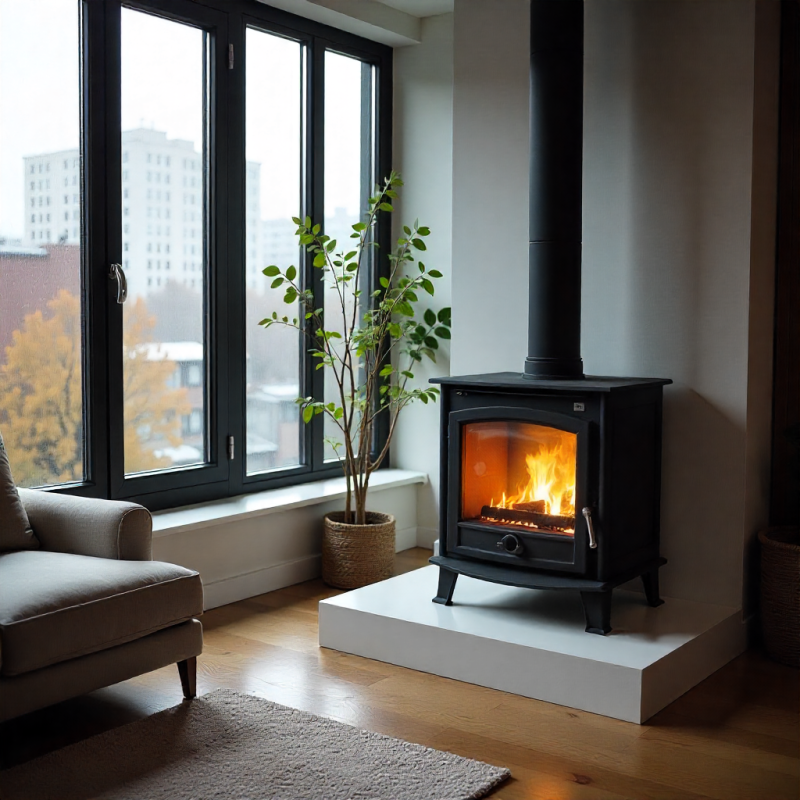
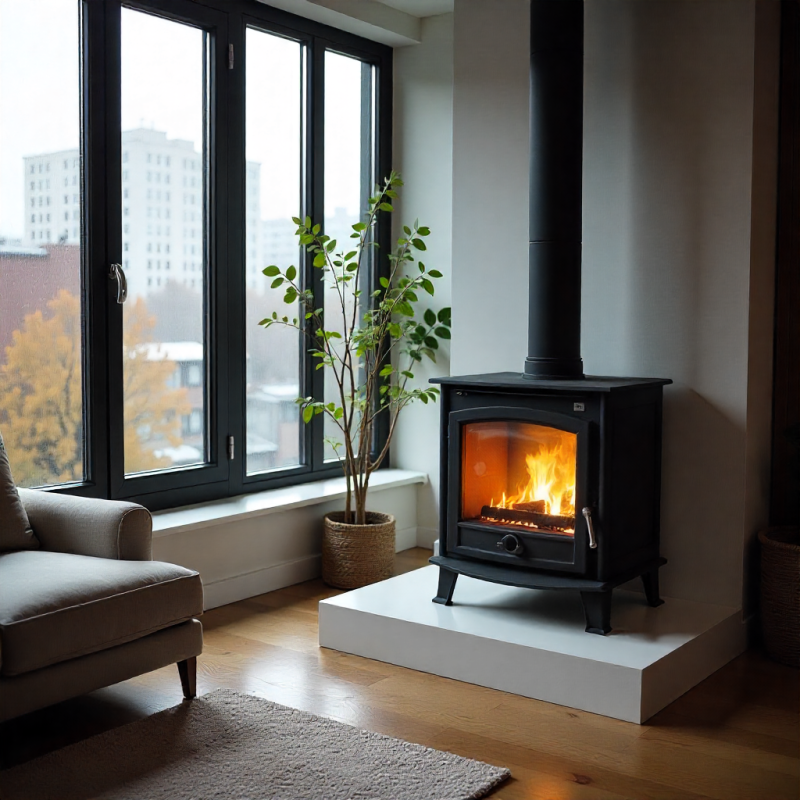
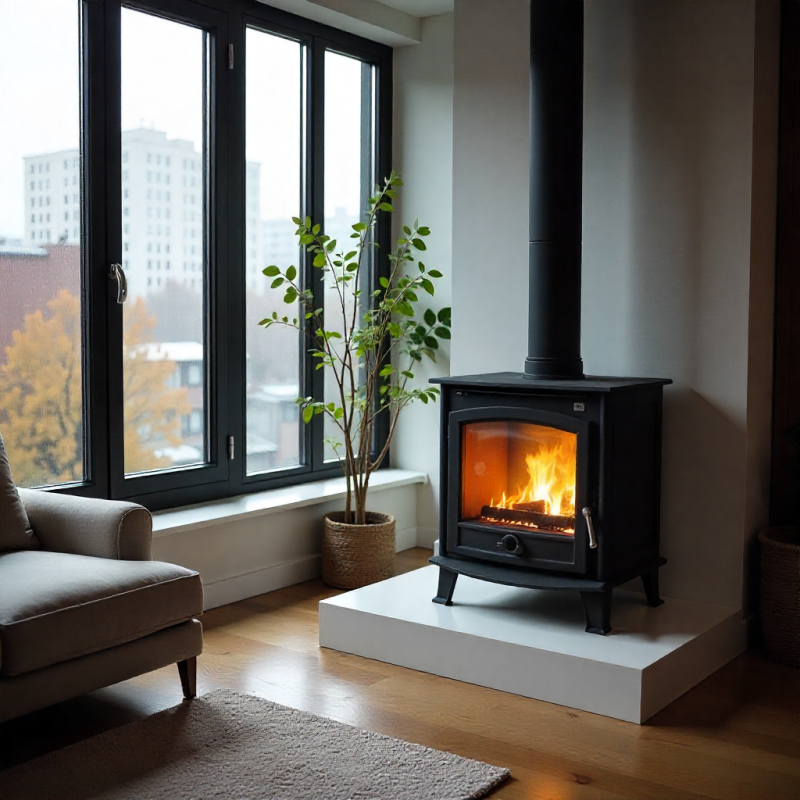
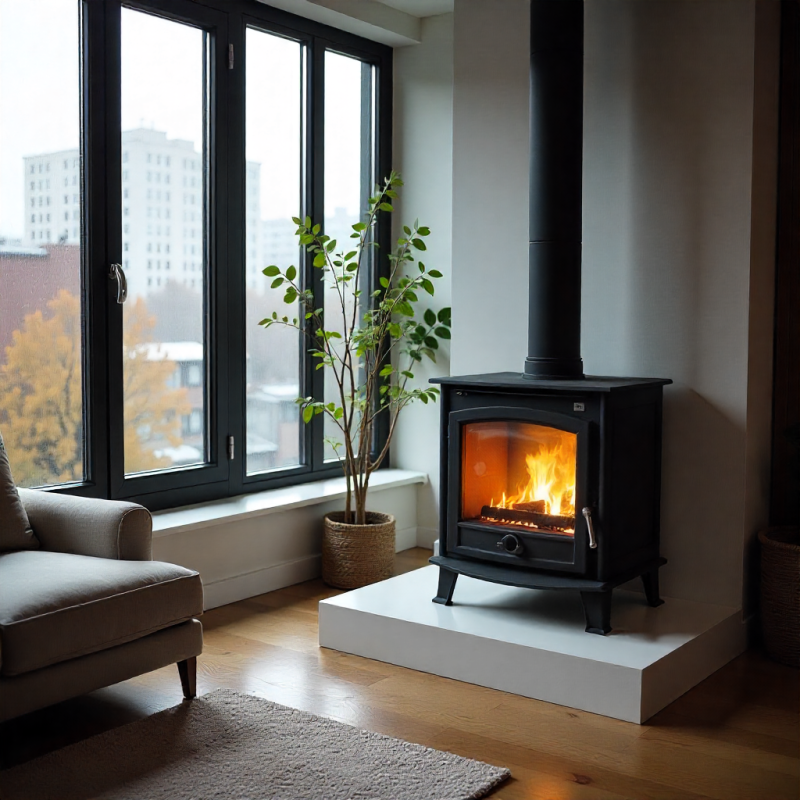
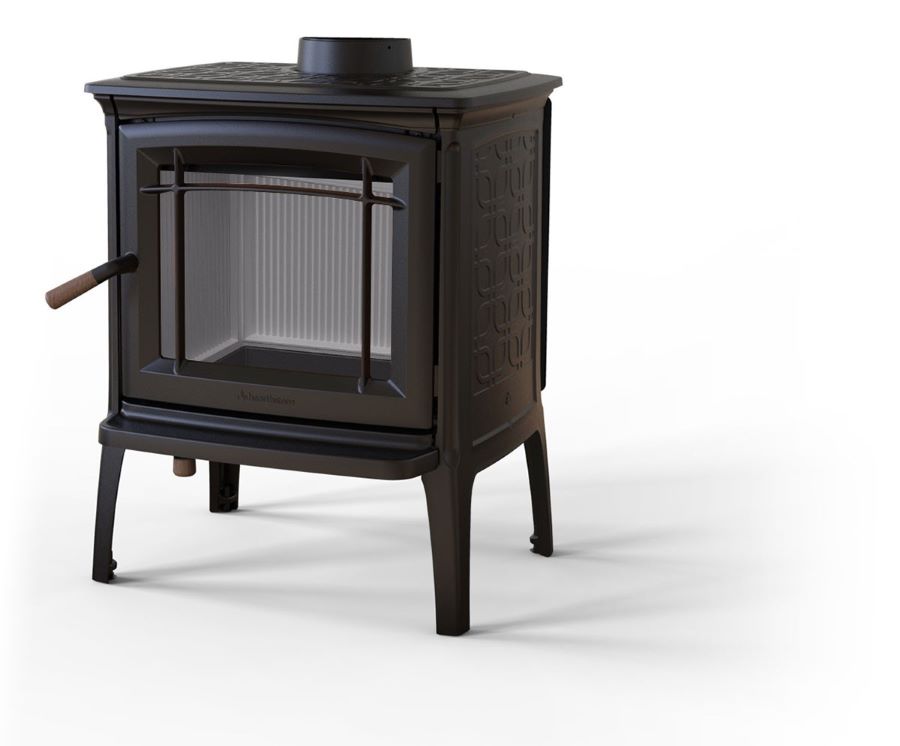
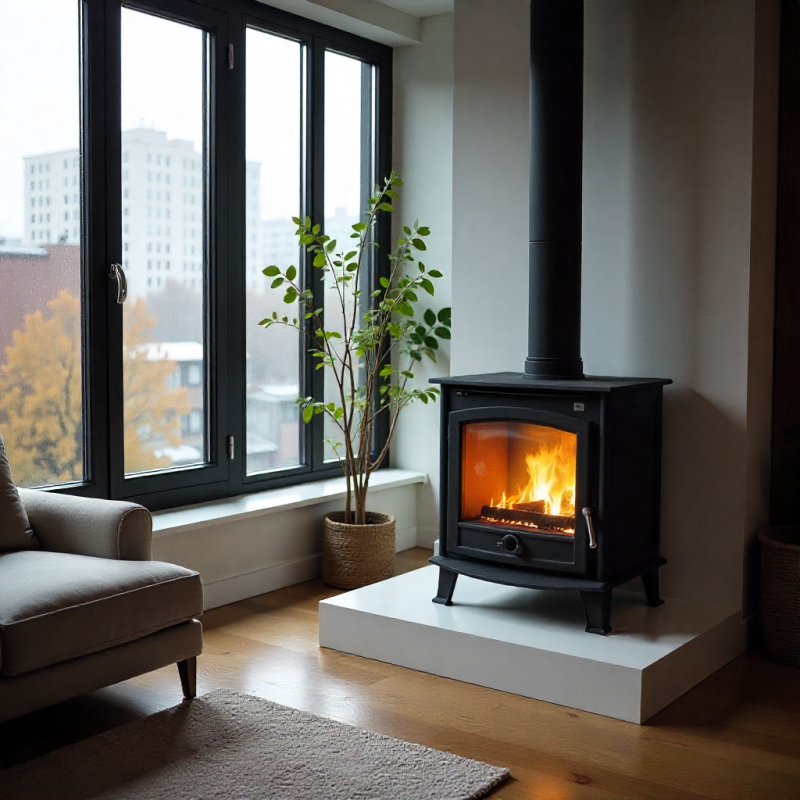
A freestanding fireplace is a self-contained heating unit that stands independently on legs or a base rather than being cut into a wall. It connects to a flue that exits through an existing chimney, a new penetration through the ceiling and roof, or — in some designs — through an exterior wall.
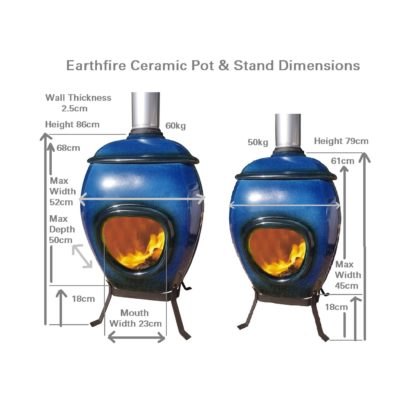
Because it does not require structural masonry work, a freestanding unit is typically faster and cheaper to install than a built-in fireplace insert. It is also movable in theory (though the flue connection makes this a job for professionals). The trade-off is footprint: you need clearances of 300–600 mm on all sides from combustible surfaces in line with SANS 10400 Part T requirements.
Why Cape Town Homeowners Choose Freestanding Fireplaces
Several factors make freestanding wood-burning fireplaces a particularly smart fit for the Western Cape:
- Load-shedding resilience. A closed-combustion wood fireplace needs zero electricity. It heats your home regardless of the Eskom schedule — a persuasive argument in winter when stages 4–6 routinely coincide with the coldest evenings.
- Coastal durability. If you live in Sea Point, Kommetjie, or anywhere on the Atlantic Seaboard, salt air is a real concern. Ask your installer about 304-grade stainless steel flue systems — they resist corrosion far better than mild steel and are the correct choice for coastal properties.
- Heritage homes and older stock. Many Cape Town homes — semis in Gardens, older cottages in Kenilworth — lack the wall space for a built-in. A freestanding unit can slot into an existing fireplace opening or stand against a feature wall without touching the building fabric.
- Fast, efficient heat output. Closed-combustion freestanding fireplaces heat a room far more efficiently than an open fireplace because the combustion chamber is sealed and glass-fronted, radiating warmth forward rather than losing it straight up the chimney.
For a full cost-versus-benefit breakdown of the two main options, read our guide on choosing between freestanding and built-in fireplaces.
Types of Freestanding Fireplaces in South Africa
Closed-Combustion Wood-Burning Models
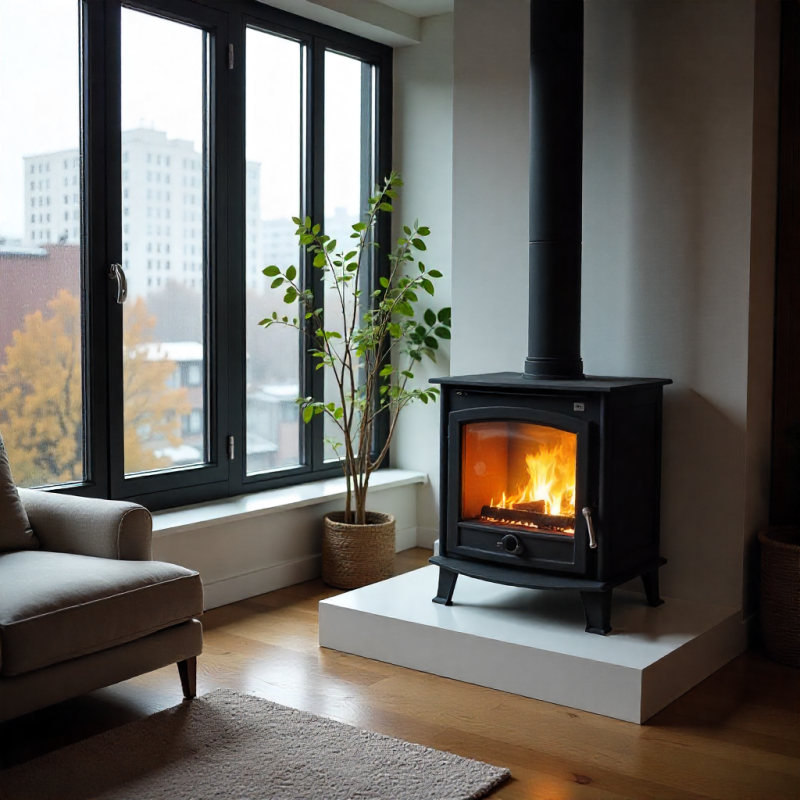
The most popular category on the Cape. A closed glass door traps heat in the firebox, directing it into the room rather than straight up the chimney. Efficiency ratings of 65–80% are common, meaning far less firewood is needed compared to an open hearth. Models typically range from 5 kW (suitable for a bedroom or study up to 40 m²) to 15 kW or more (open-plan living areas above 80 m²).
Multi-Fuel Freestanding Stoves
Some imported European-style stoves are rated for both seasoned wood and coal (smokeless anthracite). Coal quality varies in South Africa, so most local buyers stick to wood — but the multi-fuel approval gives flexibility if you can source good anthracite in your area.
Cast-Iron vs Steel Bodies
Cast-iron bodies retain heat longer and are the traditional choice. Steel units heat up faster but cool down more quickly once the fire dies. For overnight heating in a cold Cape winter, cast iron is generally preferred; for occasional use or smaller bedrooms, a steel unit is perfectly adequate.
Designer and Contemporary Freestanding Fireplaces
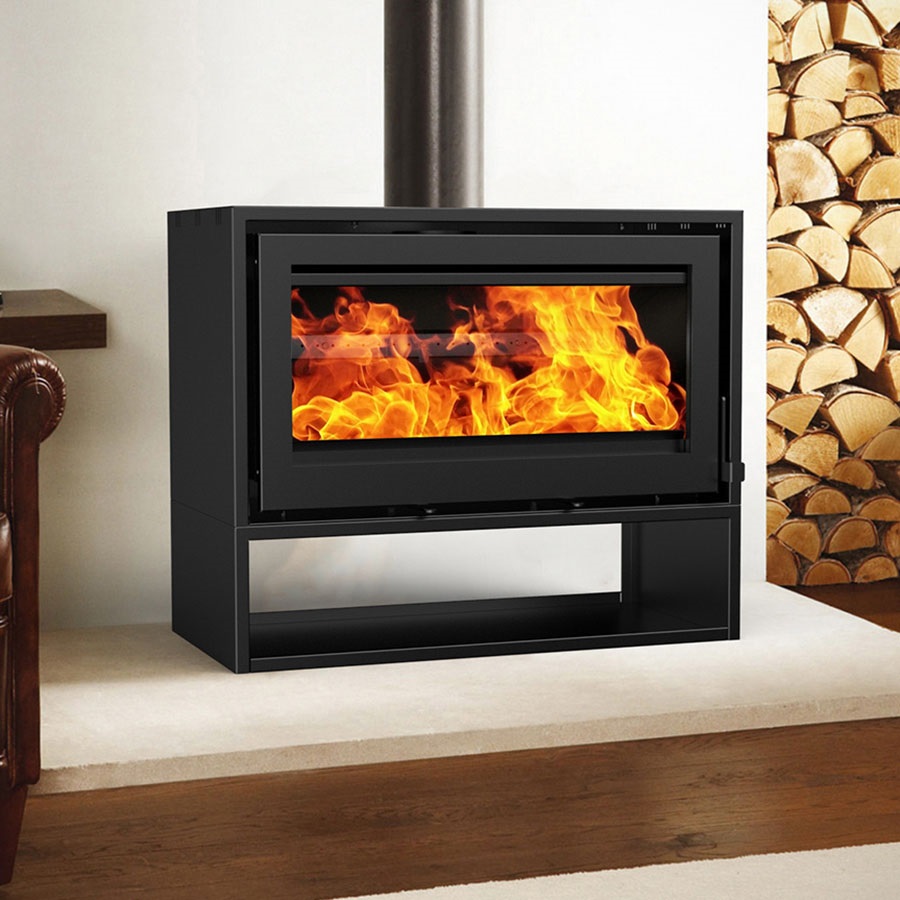
A growing niche: slimmer profiles, powder-coated colour finishes (matt black, anthracite, warm cream), and pivoting glass doors. These suit modern interiors and open-plan homes where the fireplace doubles as a visual centrepiece. Check the 2026 fireplace design trends article for current inspiration.
Freestanding Fireplace Prices in South Africa (2026)
Prices vary widely based on origin (locally manufactured versus European import), heat output, and body material. Here is a realistic budget guide based on units currently available in the South African market:
- Entry-level (5–7 kW, imported or local mid-range): R6,000 – R12,000 for the unit
- Mid-range (7–10 kW, European or premium SA brand): R12,000 – R22,000
- Premium or large-output (10–18 kW, cast iron or designer finish): R22,000 – R40,000+
Installation adds approximately R4,500 – R9,000 depending on the flue route (a straight single-storey roof penetration versus a complex multi-storey route), flue material (304 stainless steel versus mild steel), and whether a hearth pad still needs to be laid. Our detailed breakdown of what fireplace installation costs in South Africa covers all these variables with current Rand figures.
For specific unit prices, visit our freestanding fireplace range — prices are listed on each product page and updated as stock changes.
How to Choose the Right Freestanding Fireplace
Getting the kW output right is the single most important decision. Undersized, and the room never reaches a comfortable temperature; oversized, and you constantly damp the fire down, causing creosote to build up in the flue. A rough calculation: 1 kW heats approximately 10 m² with standard 2.4 m ceilings. Open-plan areas, high ceilings, or exposed walls on the wind-facing side of the Peninsula all push the requirement higher.
Other key considerations:
- Flue routing. Where will the flue exit? Straight through a flat or tiled roof is simplest. An existing chimney breast reduces cost further. Complex routes involving horizontal runs or multiple bends may need a powered draught fan.
- Hearth requirements. The floor under and in front of the unit must be non-combustible (tile, stone, slate) to a minimum depth of 300 mm in front of the door opening under SANS regulations.
- Glass door quality. Look for ceramic glass (borosilicate or Robax equivalent) — it handles repeated thermal shock far better than ordinary toughened glass and stays cleaner thanks to an air-wash system.
- Brand reputation and local parts availability. European brands are excellent, but spares can take weeks to arrive. SA-stocked ranges like the Sentinel freestanding fireplaces have parts on hand locally, which matters when your glass seal fails mid-winter.
Not sure which model suits your space? Read our guide on choosing the right fireplace for your home or get in touch with our installation team directly.
What Freestanding Fireplace Installation Involves
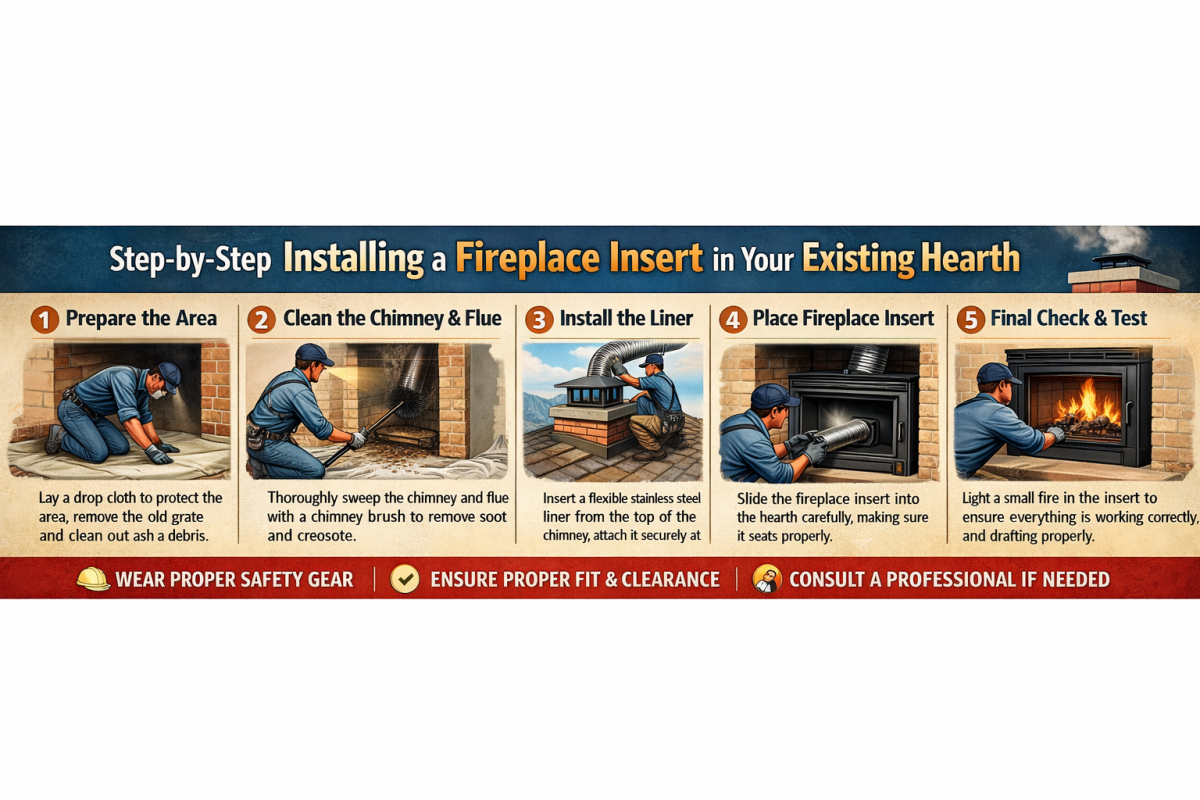
Our professional fireplace installation services cover the complete job: site assessment, flue specification, unit placement, connection, and a commissioning fire to verify draw and seal. A straightforward single-storey installation in a Cape Town home typically takes one day. The key steps:
- Site visit to confirm flue route, floor material, and required clearances.
- Supply and preparation of a hearth pad if one is not already in place.
- Flue pipe assembly and roof penetration with stainless flashing — 304 SS for all coastal sites.
- Fireplace positioning and final flue connection with high-temperature sealant.
- Test fire and air-wash check; verification that the draught is drawing correctly.
- Homeowner briefing: seasoning fires, firewood recommendations, and annual sweep schedule.
After installation, protect your investment with an annual chimney sweep before winter. Creosote builds up faster with unseasoned wood and can cause a flue fire if left unchecked — a sweep takes around an hour and is cheap insurance.
Frequently Asked Questions
Can I install a freestanding fireplace in a Cape Town apartment?
It depends on the building’s body corporate rules and whether a flue route is physically feasible. A top-floor apartment with direct roof access is sometimes viable; a mid-floor apartment with no external-wall flue path generally is not. A site visit is the only way to give a definitive answer — contact our team and we can advise before you buy.
Does a freestanding fireplace need planning permission in South Africa?
Solid-fuel appliances must comply with SANS 10400 Part T and the National Building Regulations. In practice, most Western Cape municipalities require a notice of building work rather than full plans approval for a domestic fireplace installation — but requirements vary. A registered installer handles the compliance documentation as part of the job.
How much firewood does a freestanding fireplace use per Cape winter?
A well-sealed 8 kW unit burning for three to four hours each evening through a Cape Town winter (roughly May–August, around 120 nights) typically uses 1.5 to 2.5 cubic metres of seasoned hardwood. Rooikrans is widely available in the Western Cape and an excellent choice: it burns hot, produces long-lasting coals, and is sustainably harvested because it is an invasive alien species. Dry wood is non-negotiable — wet wood produces far more smoke, less heat, and faster creosote build-up.
What is the difference between a closed-combustion fireplace and a wood stove?
The terms are used interchangeably in South Africa. Both describe a sealed, glass-fronted appliance with a flue damper that controls the burn rate. “Wood stove” tends to be used for European-style cast-iron units; “closed-combustion fireplace” is the local SA terminology for the same category of appliance. For a broader comparison between fuel types, see our article on gas vs wood-burning fireplaces.
Ready to take the next step? Request a free installation quote from our Cape Town team — we supply, deliver, and install, and can advise on the right model for your space and budget.