Built Bomas
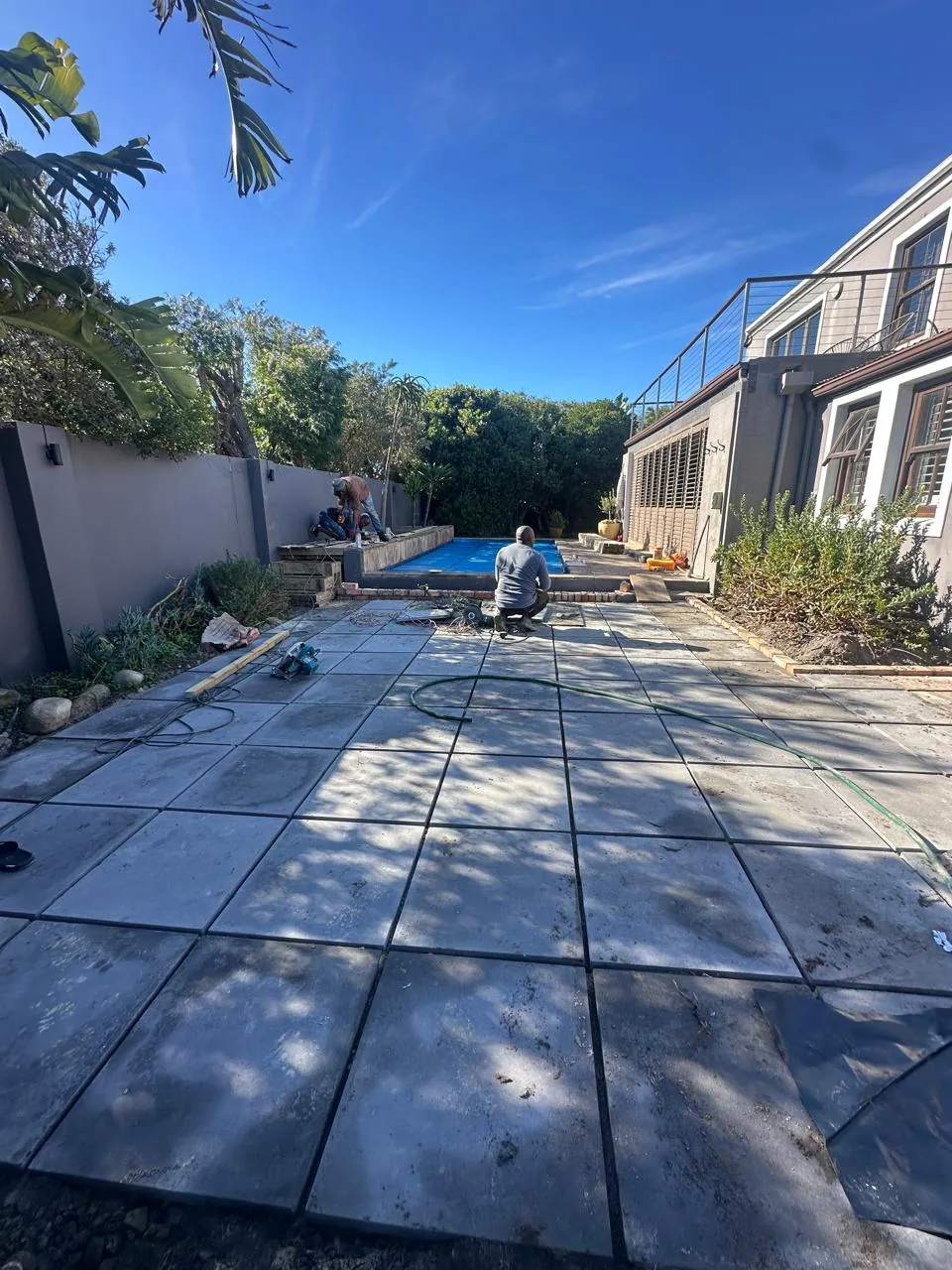
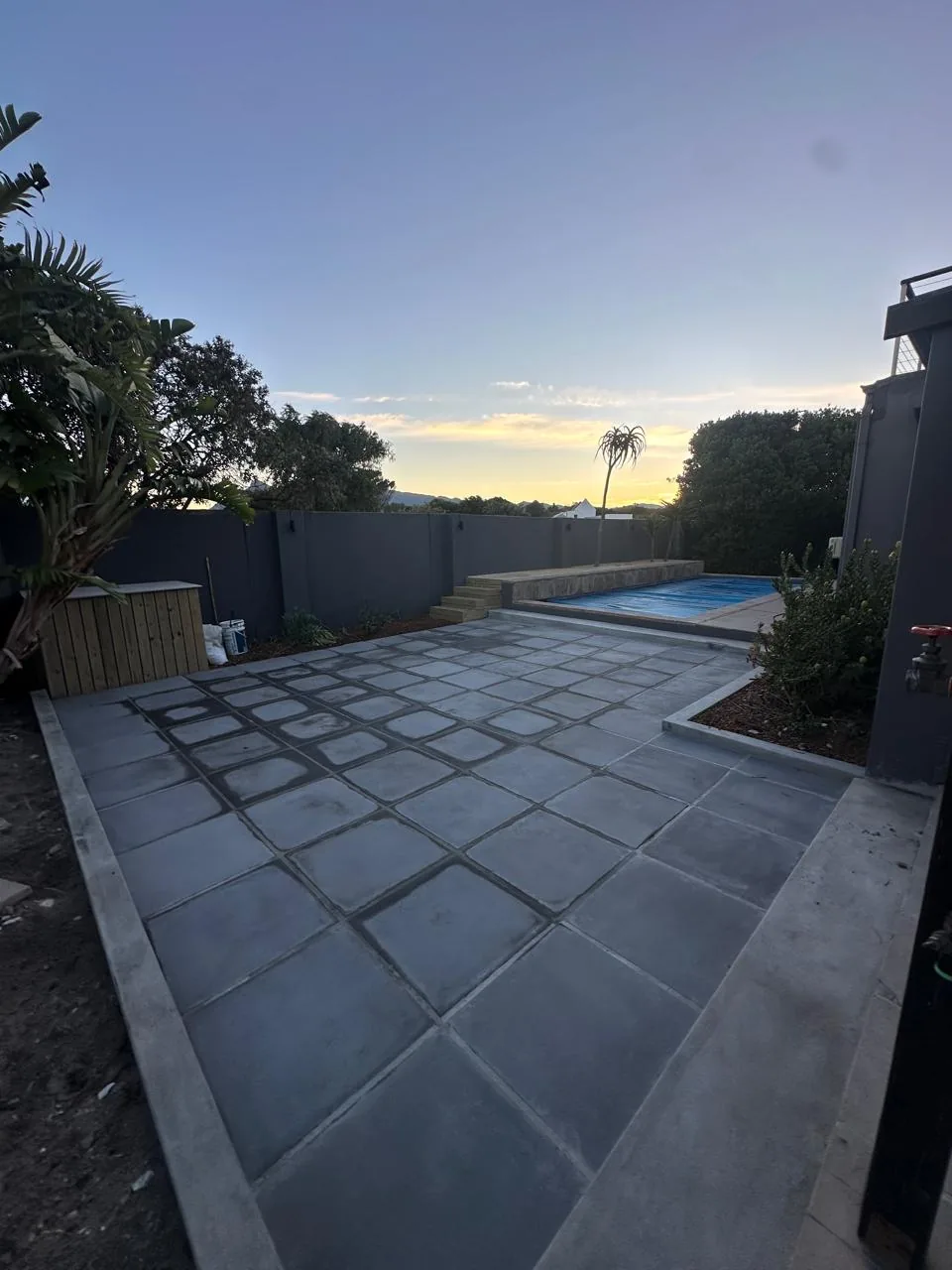
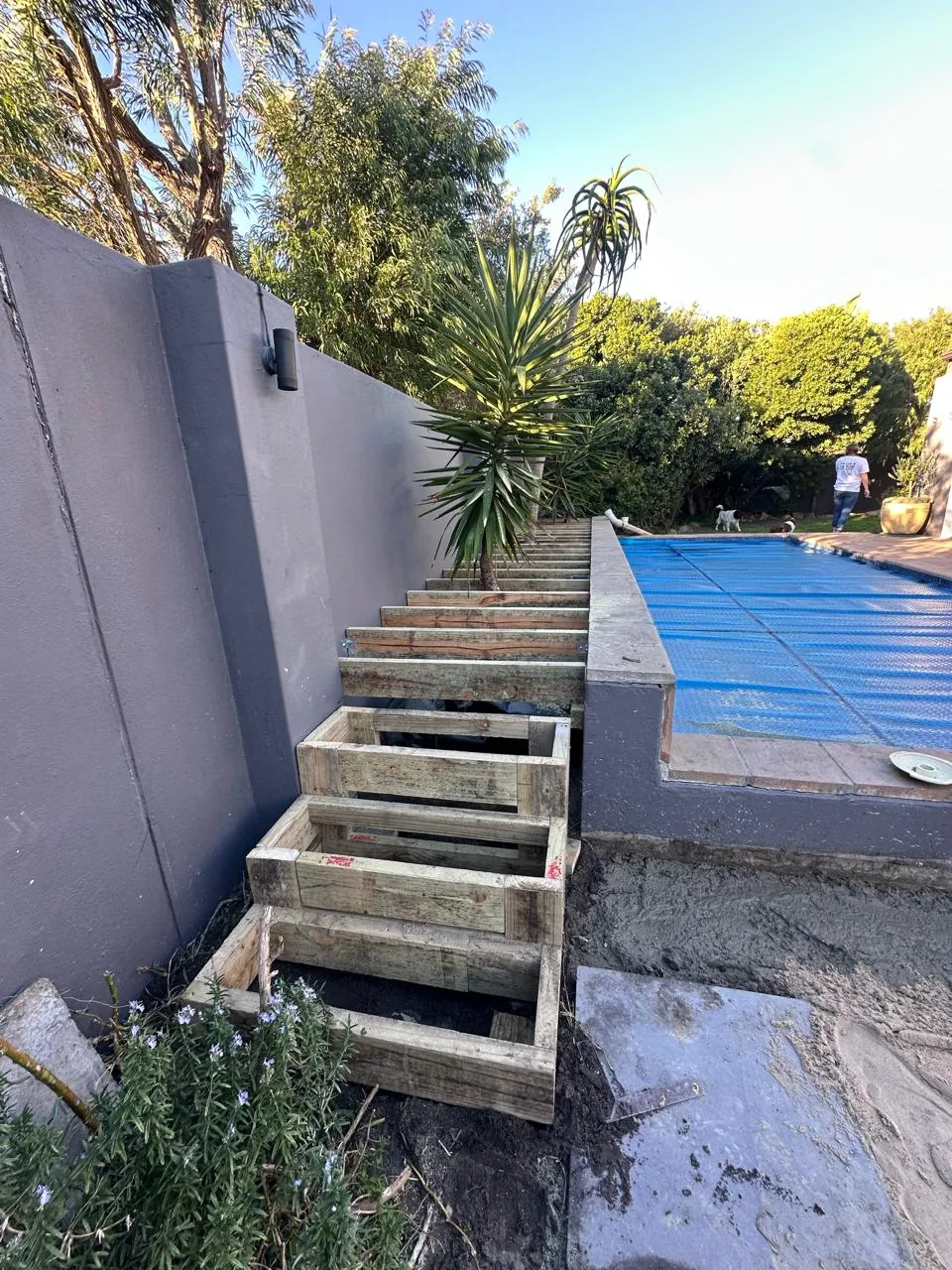
- Circular seating walls in brick or stone
- Sunken or level boma floors
- Paving, gravel or tiled surfaces
- Built-in benches and backrests
- Steps and edging around the boma
- Drainage so winter rain runs off
A boma brings everyone round the fire. We build bomas and fire pits across Cape Town, from sunken seating circles to raised and gas fire pits, with the paving, seating and drainage done by our own team.
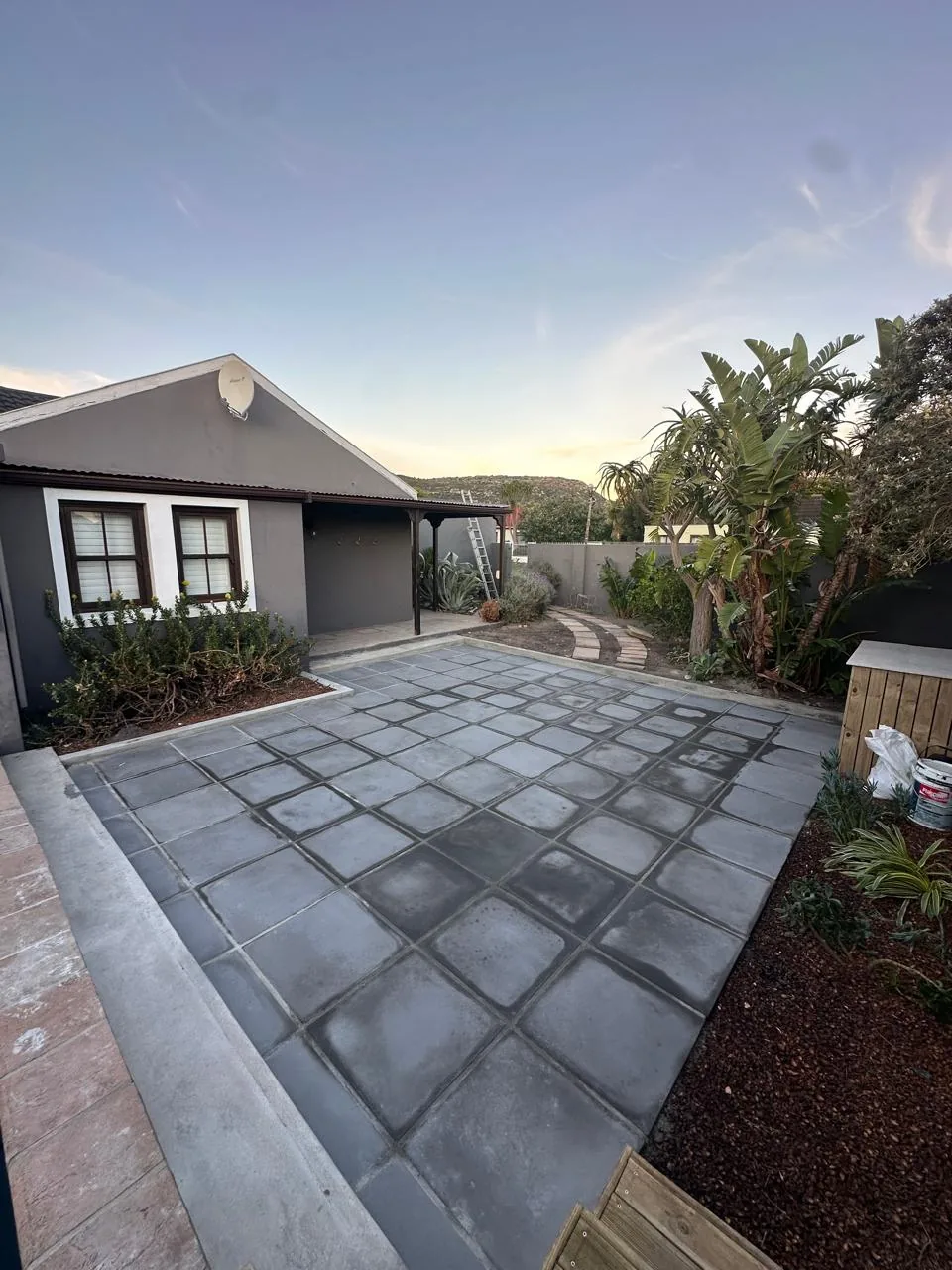
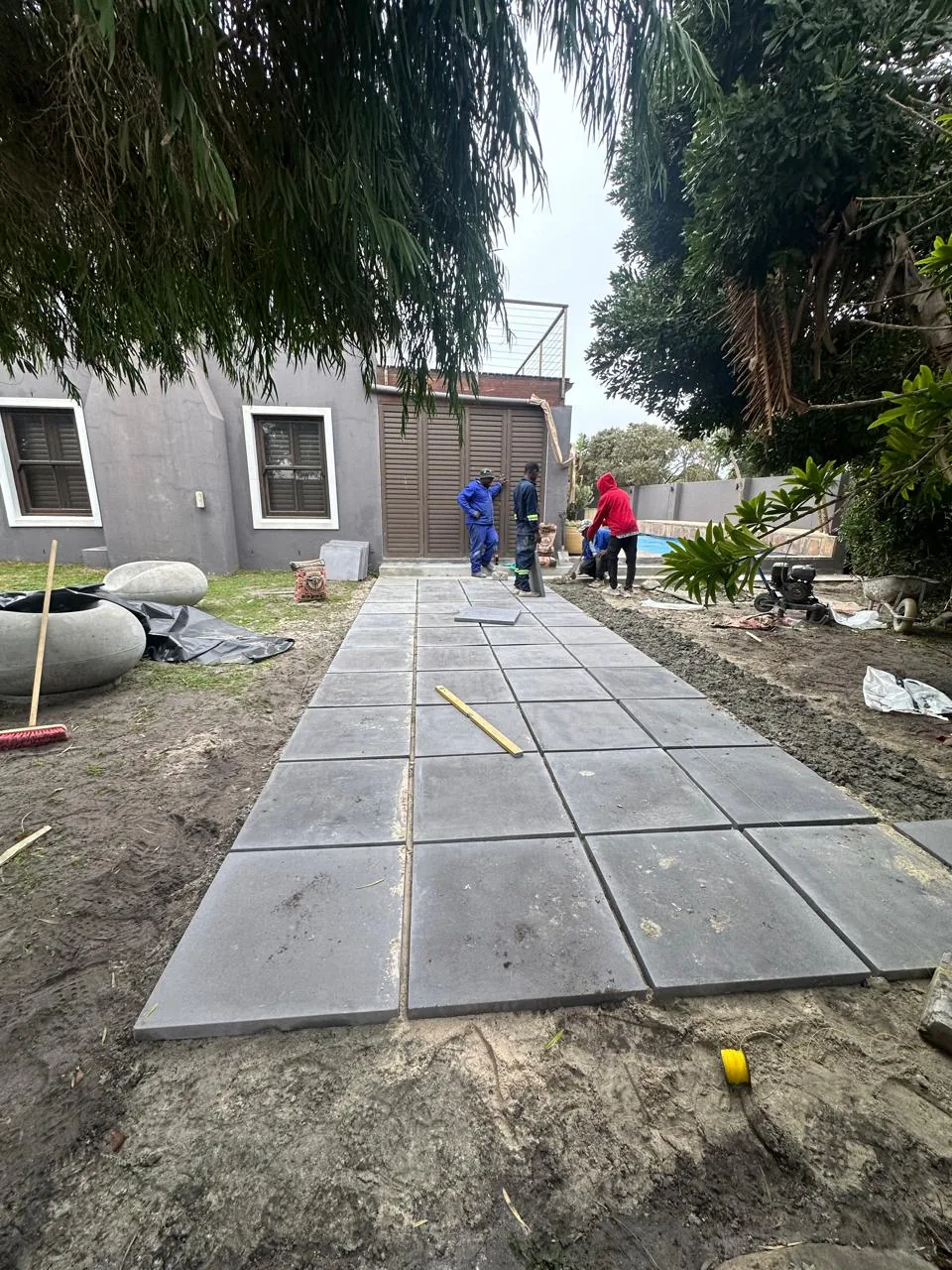
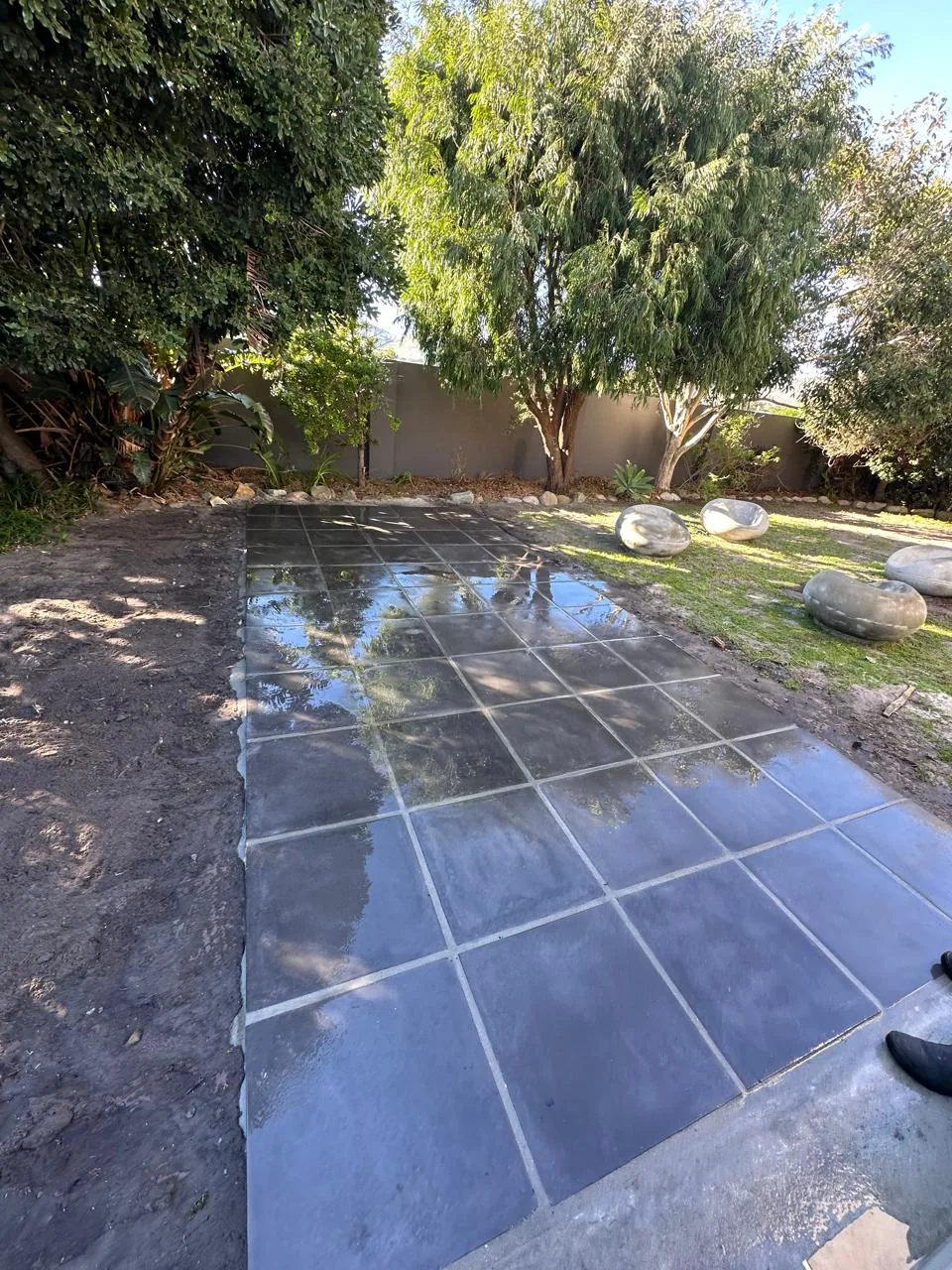
A boma is a round seating area built around a fire. It can be sunk into the garden, built level with low walls, or set on a paved platform. The fire pit sits in the middle and everyone faces the flames.
Wind and fire safety come first. In Cape Town a spark carried on the south-easter can travel a long way, so we keep the fire pit well clear of thatch, trees, timber decks and boundary walls. Sunken bomas also need drainage, or the winter rain turns them into a pond.
For a full outdoor area with a braai and kitchen, see our braai area design and build page. For materials and upkeep, read our guide to building a fire pit.
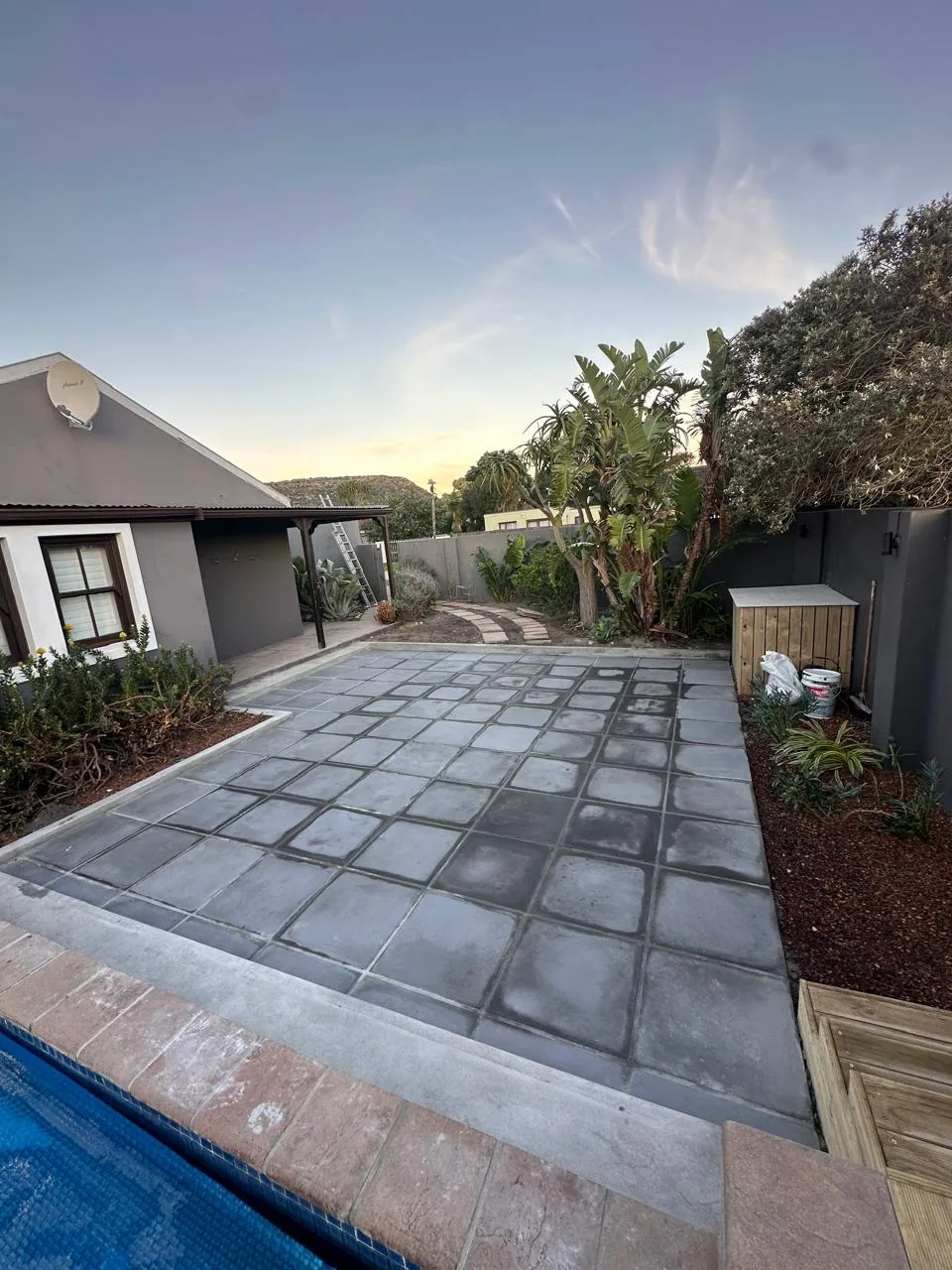
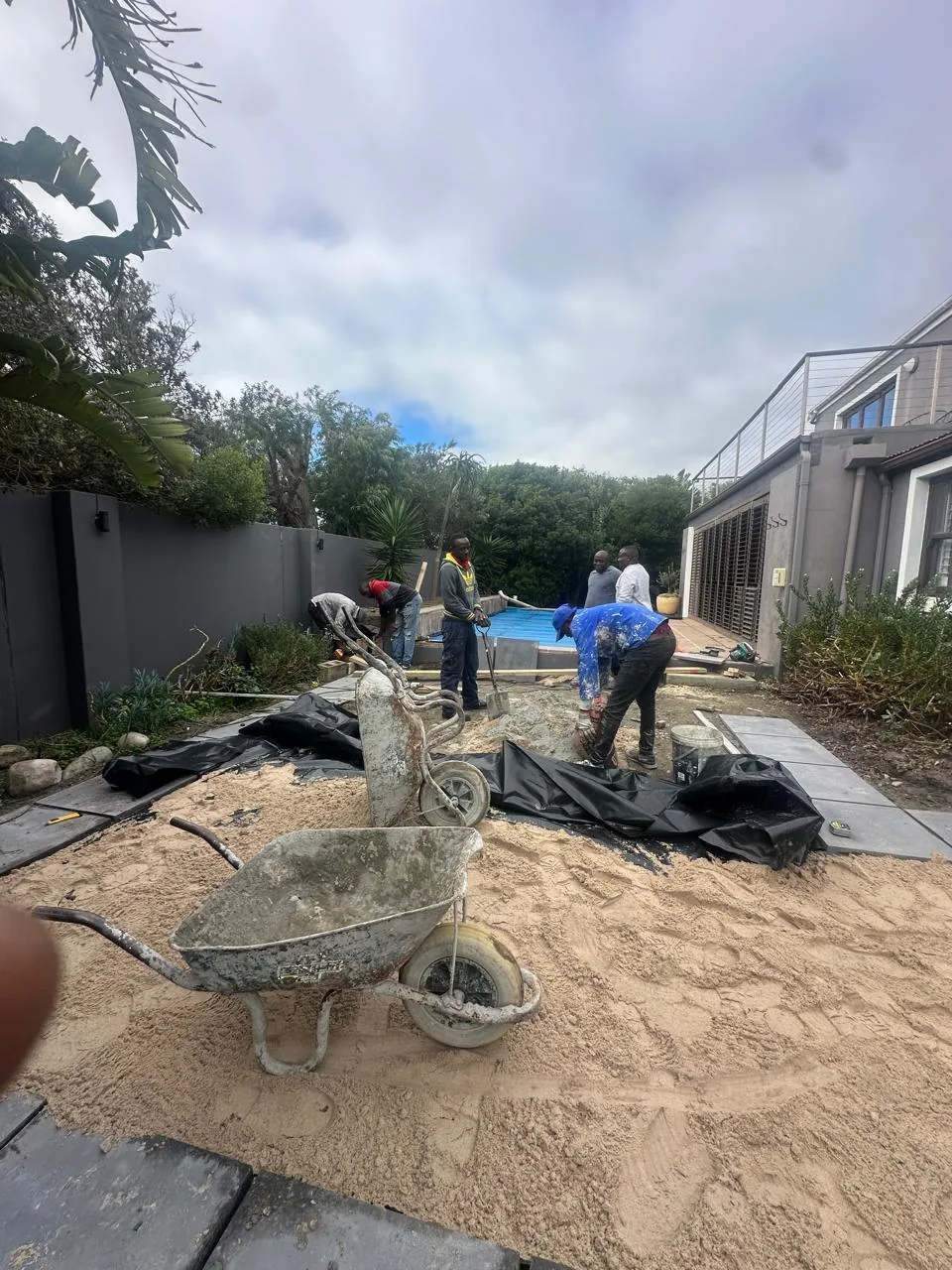
Every garden is different, so we quote your boma after a site visit. These are the things that change the price.
Size and seating. A small fire pit with loose chairs is a much smaller job than a full circle of built-in seating.
Sunken or level. Digging out a sunken boma means more excavation, retaining walls and drainage.
Wood or gas. A gas fire pit needs a gas line, a burner and a Certificate of Compliance from a registered installer.
Finishes. Face brick, stone, plaster, paving slabs or gravel, and timber or tiled seat tops.
Access. Narrow side passages and steep gardens make it harder to bring materials in.
Get my free quote1. Photos and ideas. Send photos of the garden and any bomas or fire pits you like the look of.
2. Site visit. We check the ground, the drainage, the wind and the distance to the house, trees and decks.
3. Written quote. You get one quote for the fire pit, the seating and the paving.
4. Dig and foundations. We excavate, compact the ground and lay foundations for the walls and seating.
5. Build and pave. The seating walls, fire pit and paving go in, with any gas line laid underground.
6. Test and handover. We test the fire or gas burner, sign off gas work with a CoC and leave the garden clean.
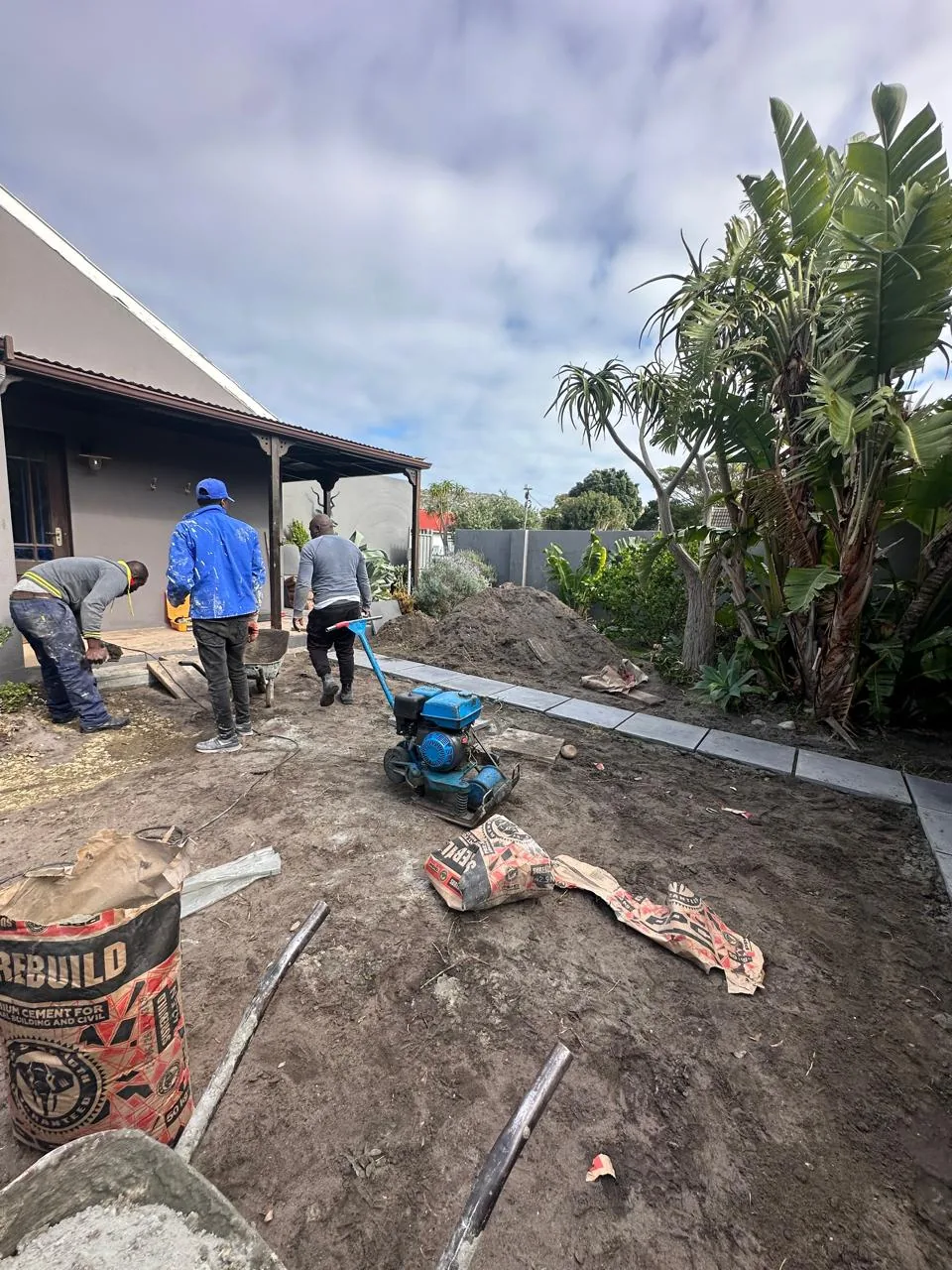
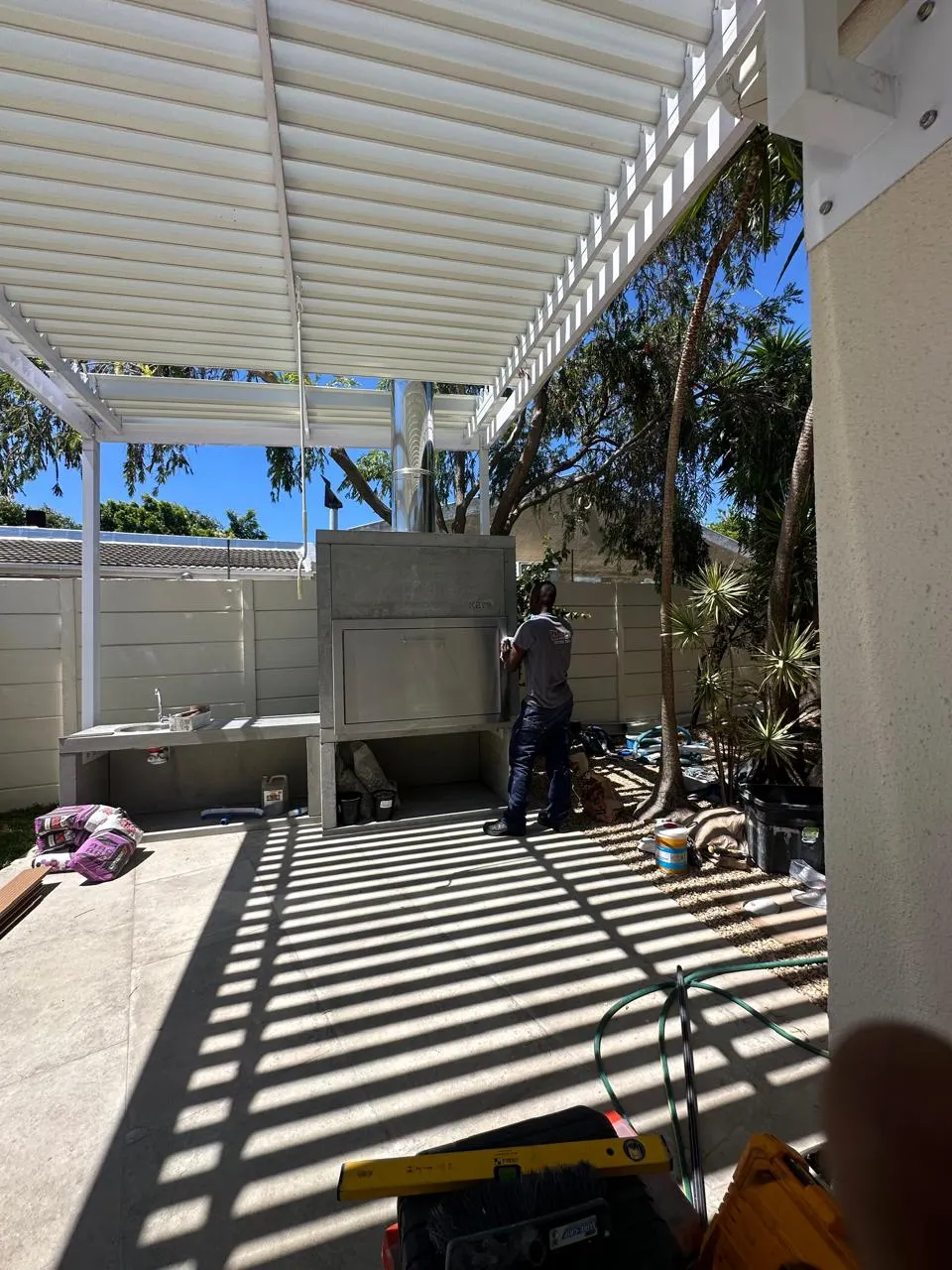
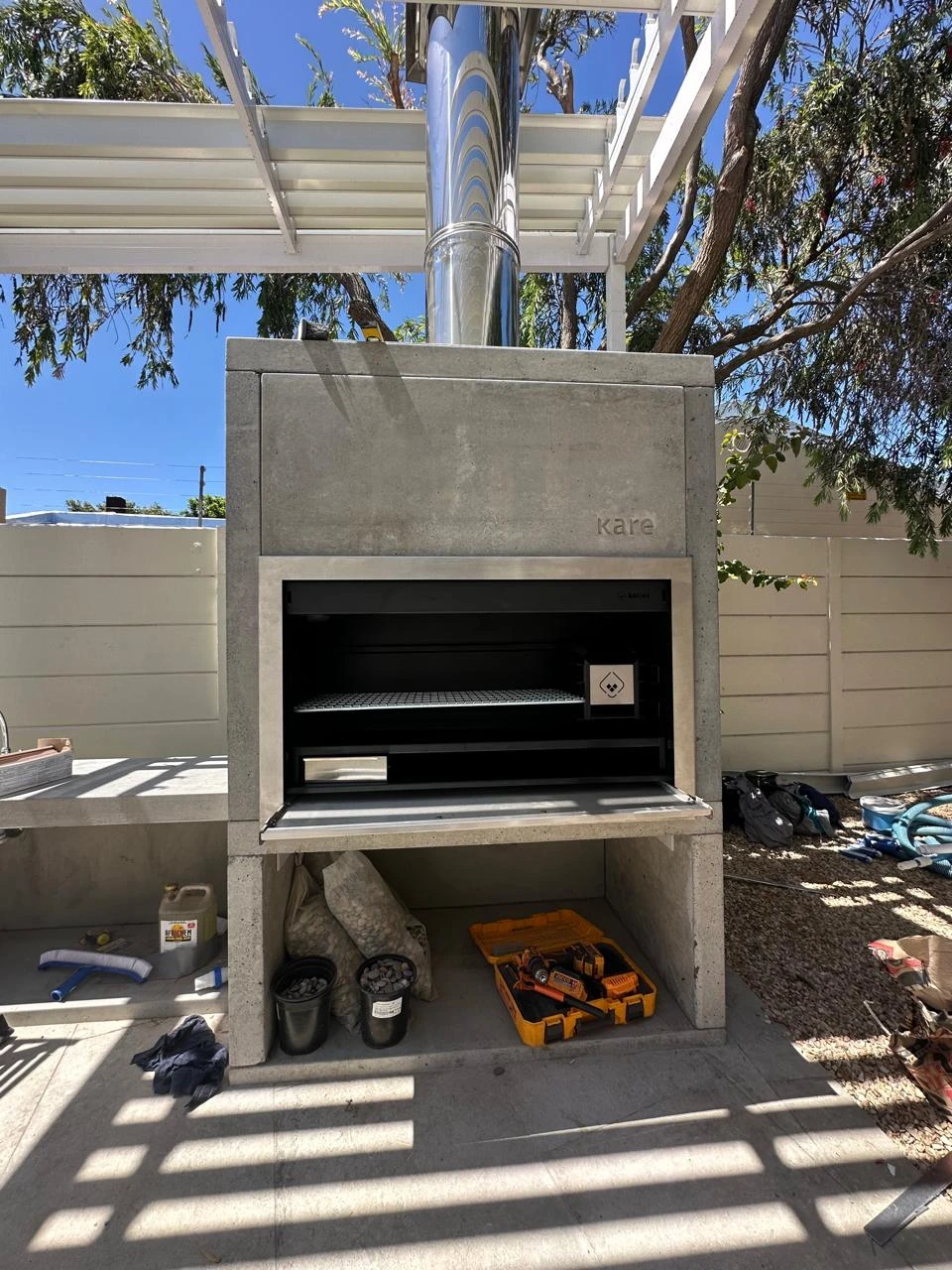
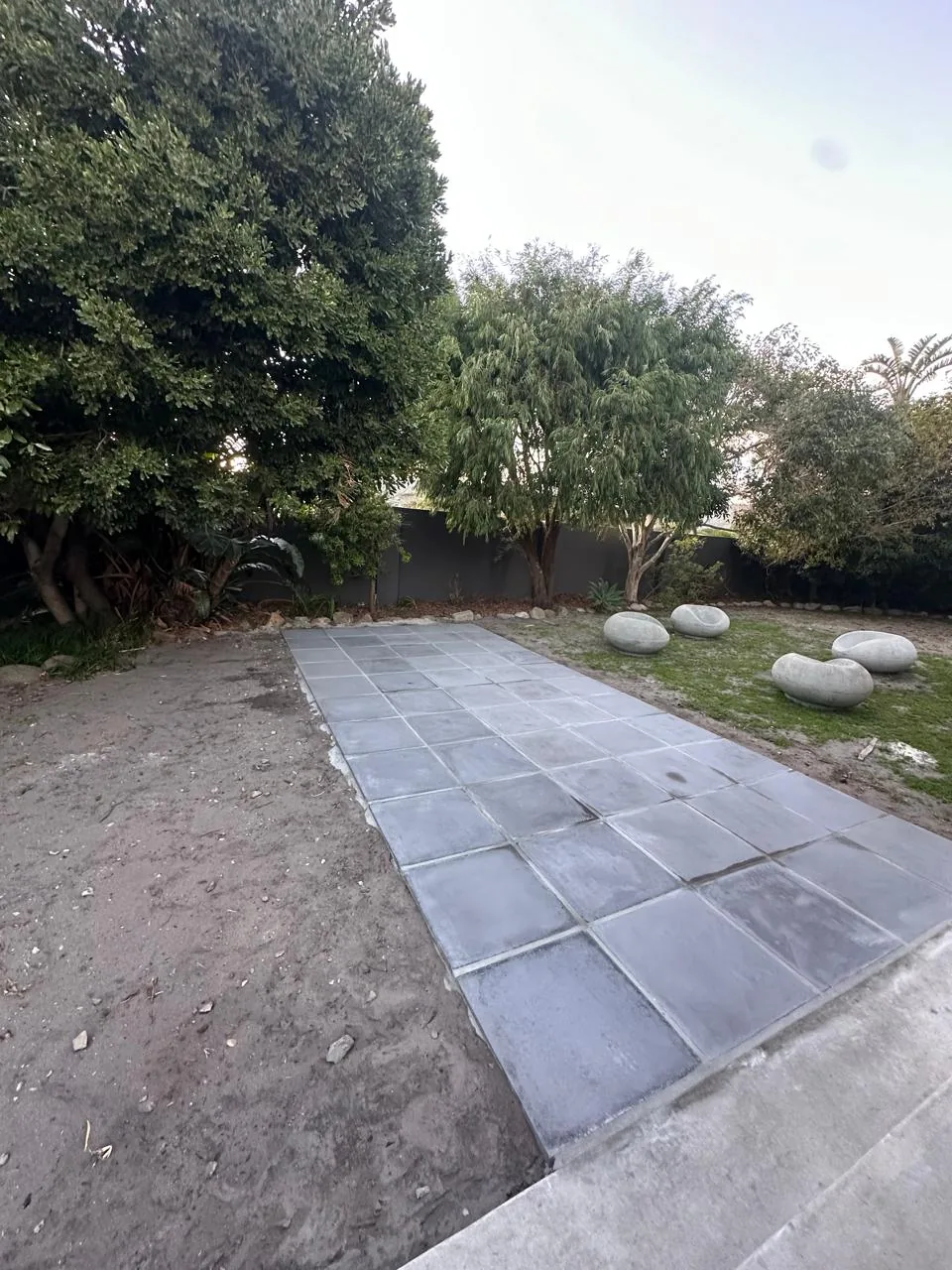
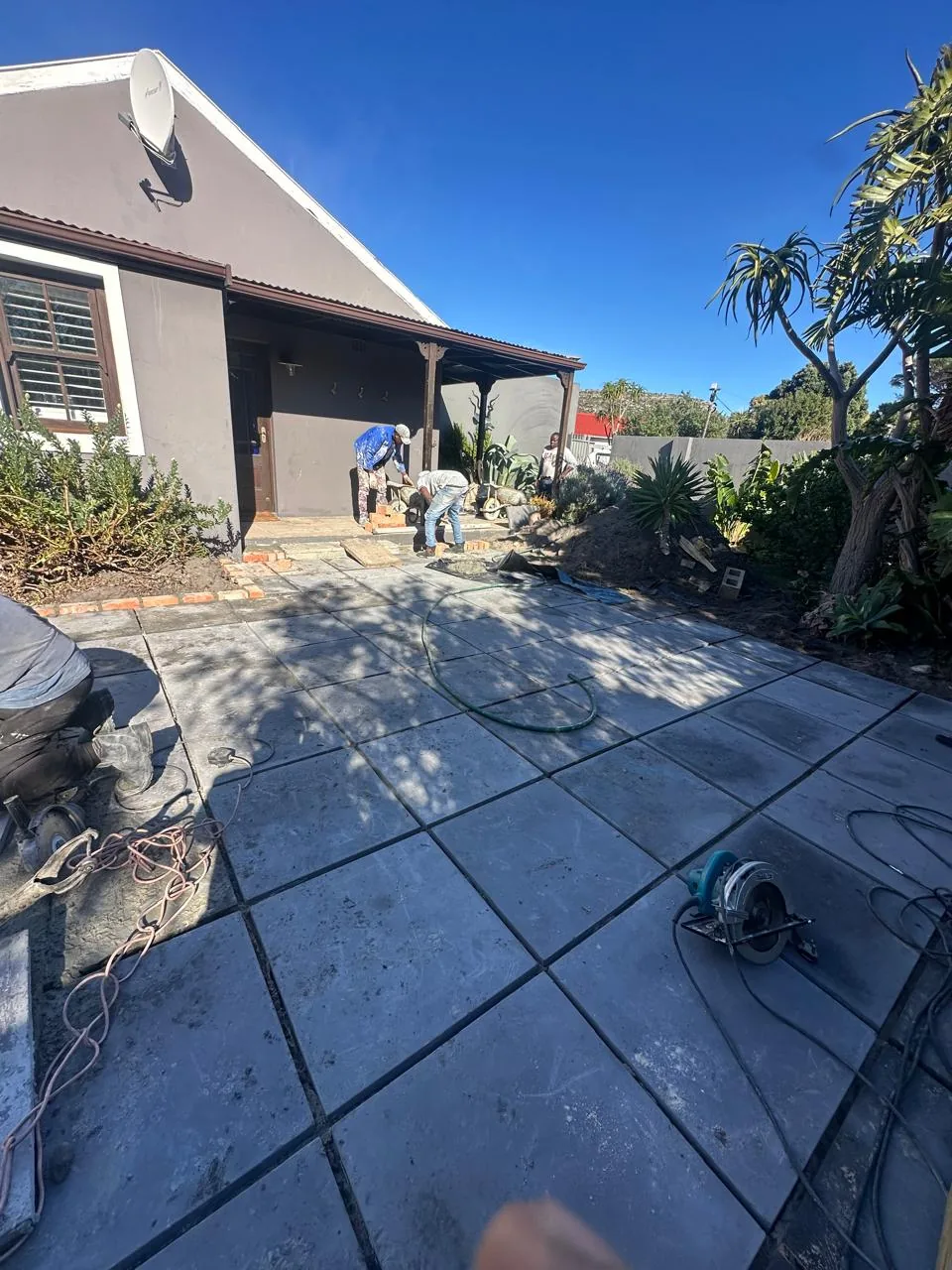
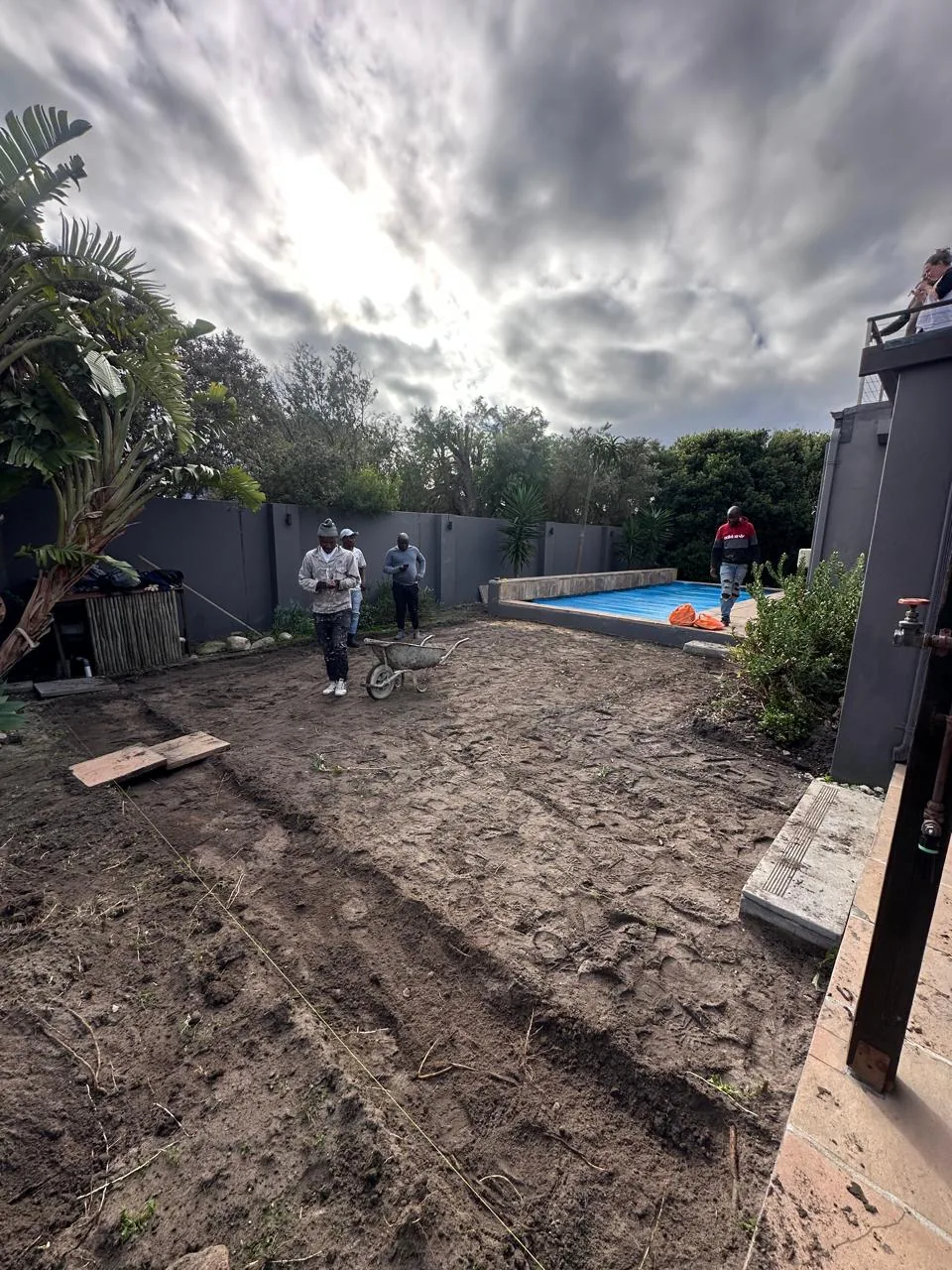
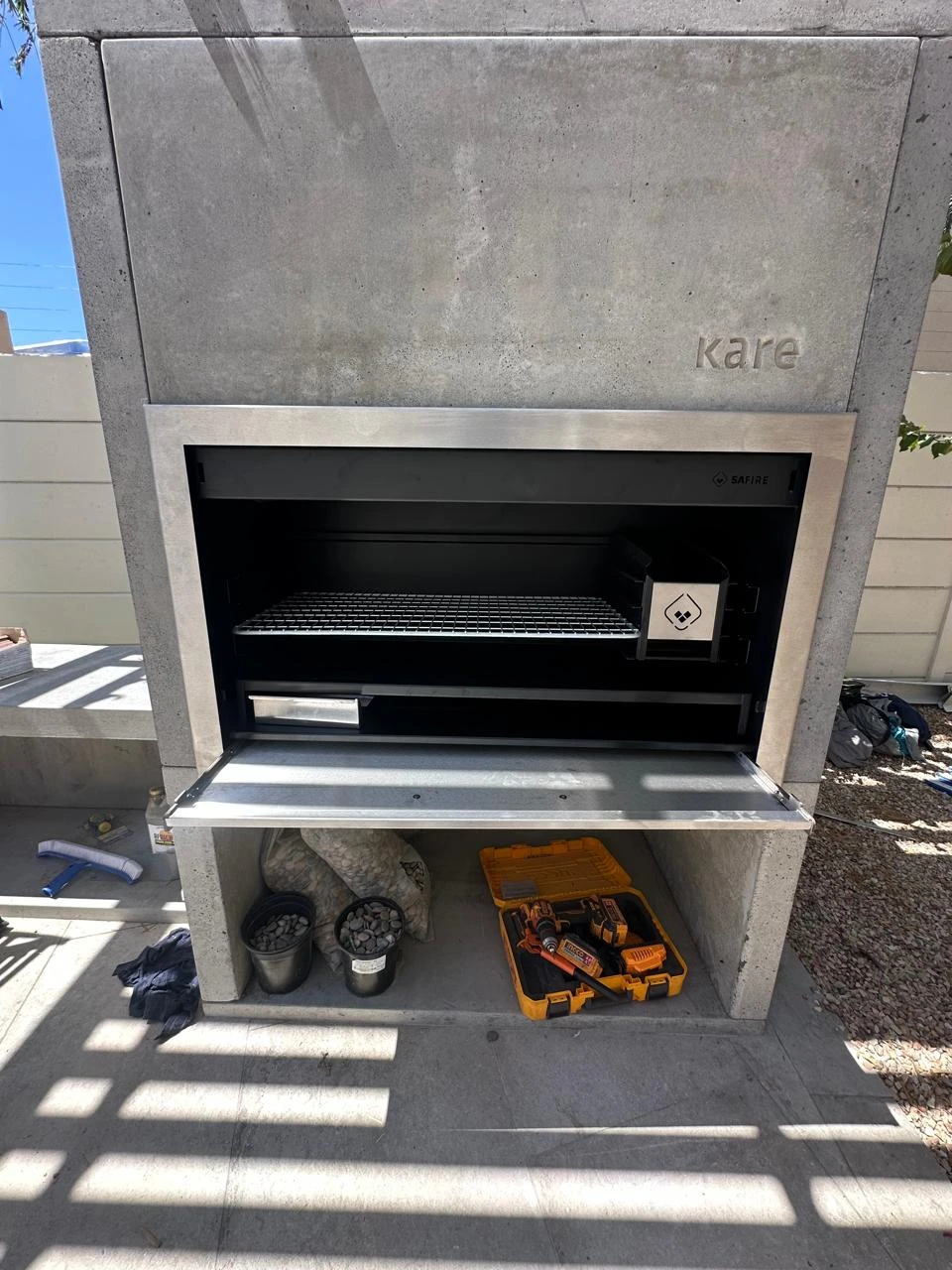
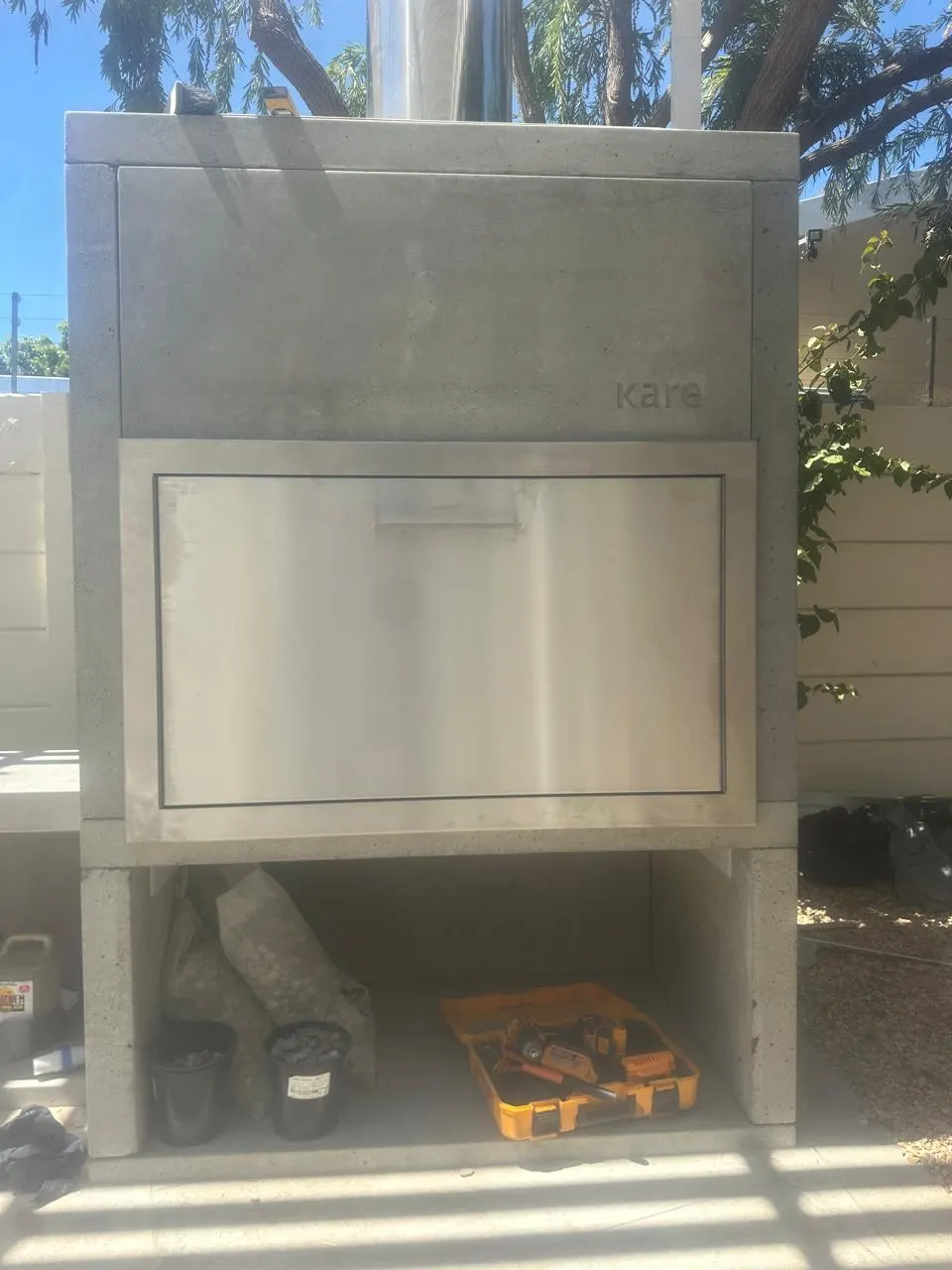
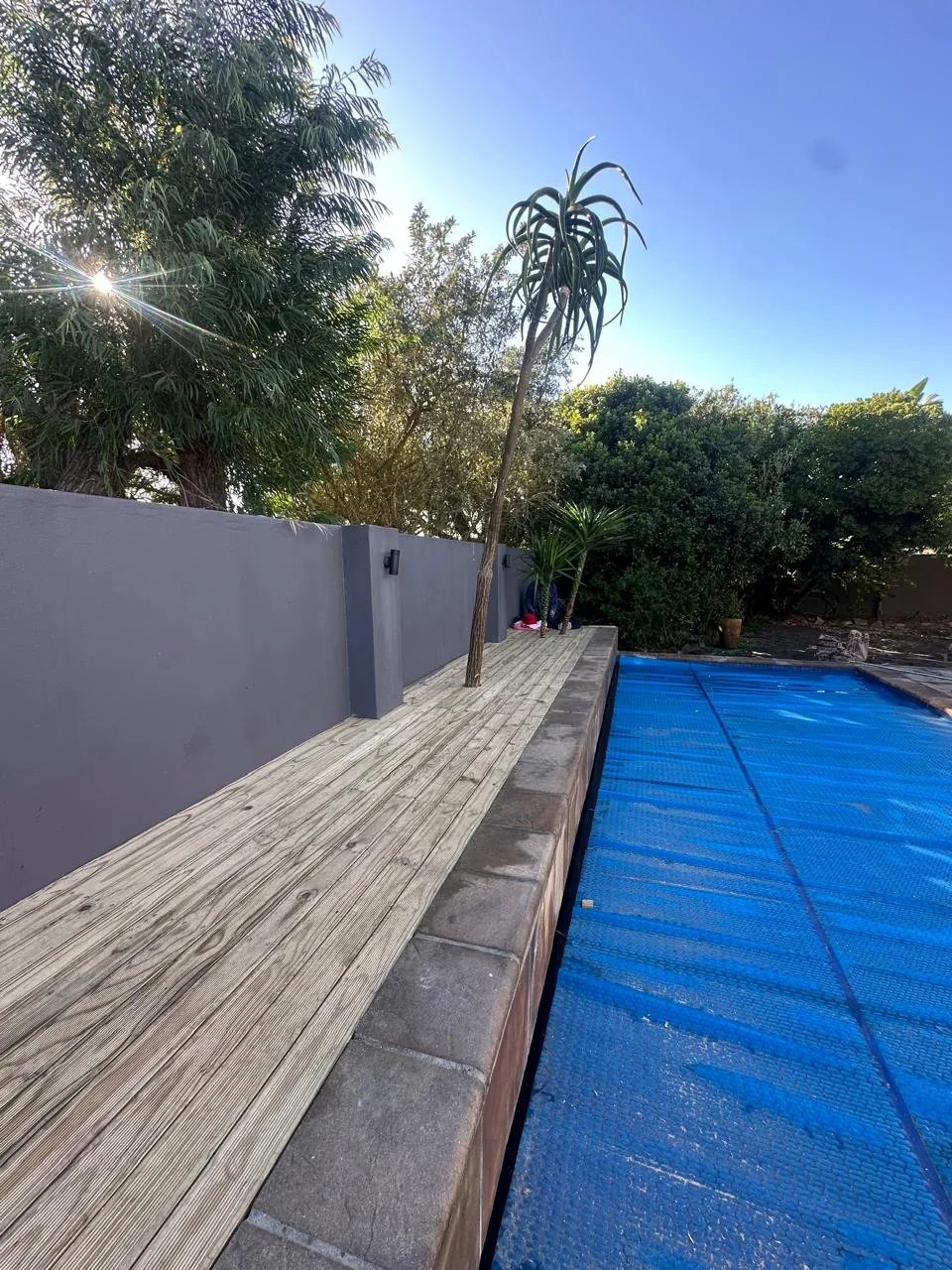
Paving, decks and outdoor braai work from our recent Cape Town jobs. Every boma starts with groundwork like this.
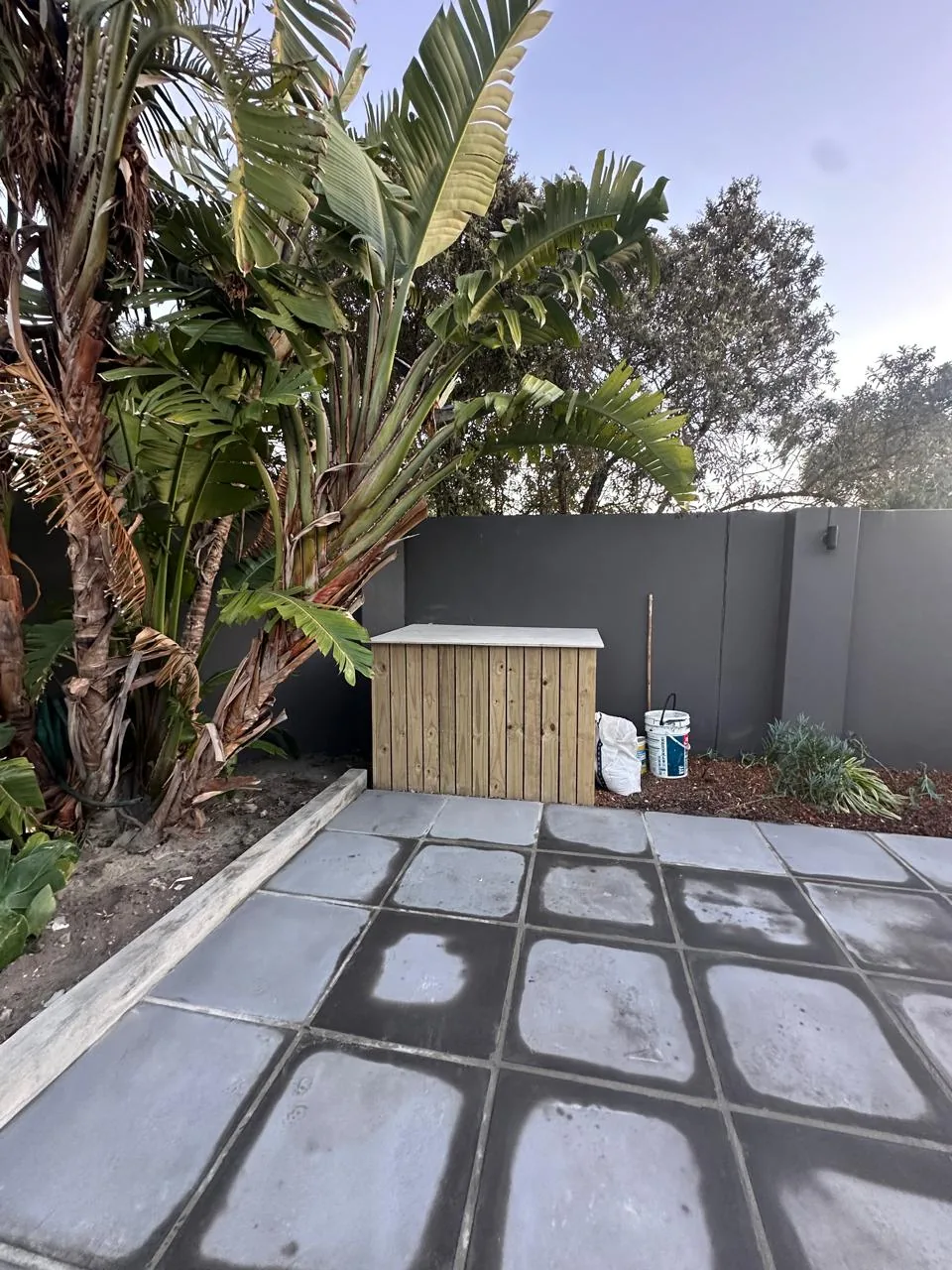
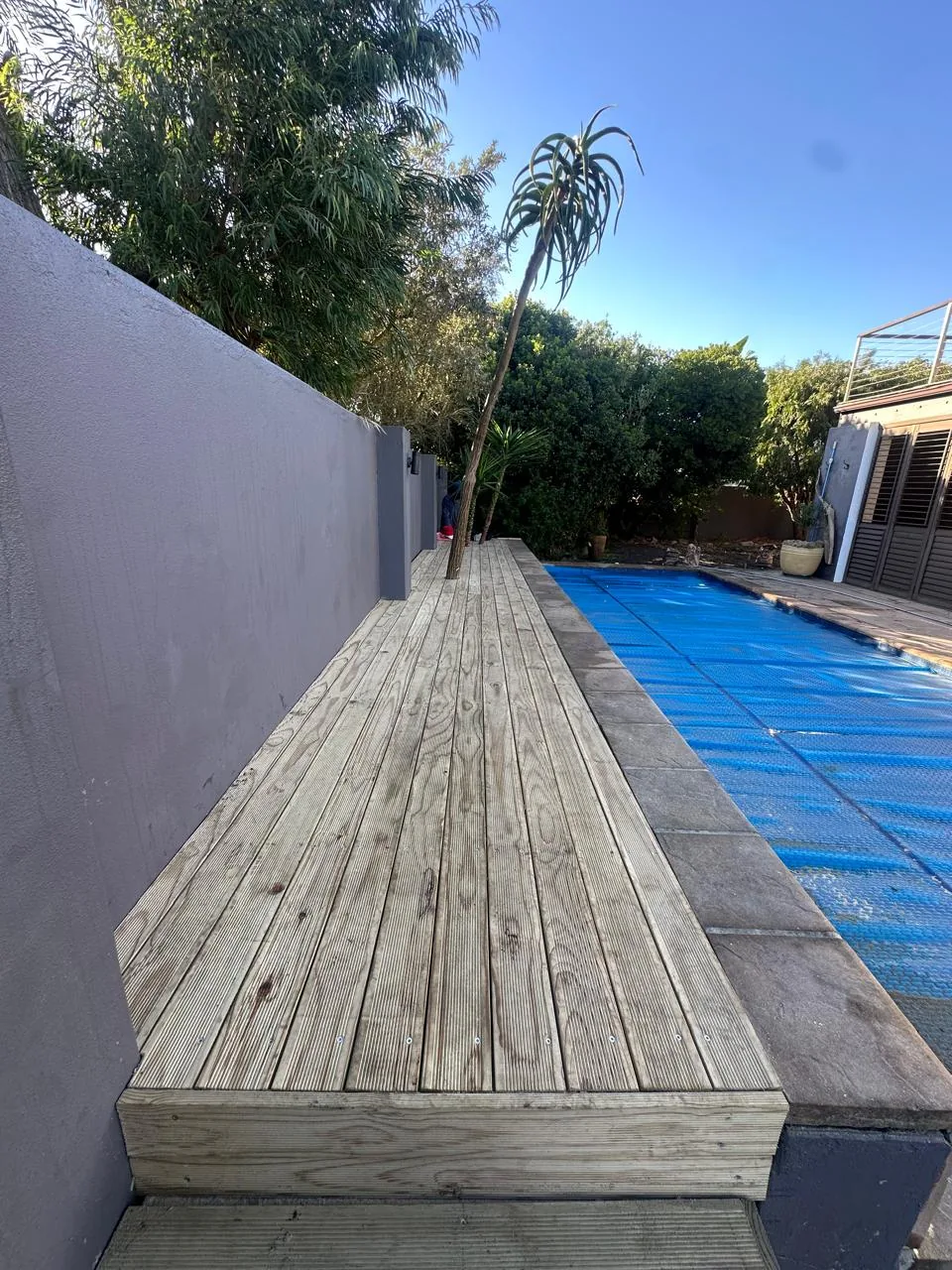
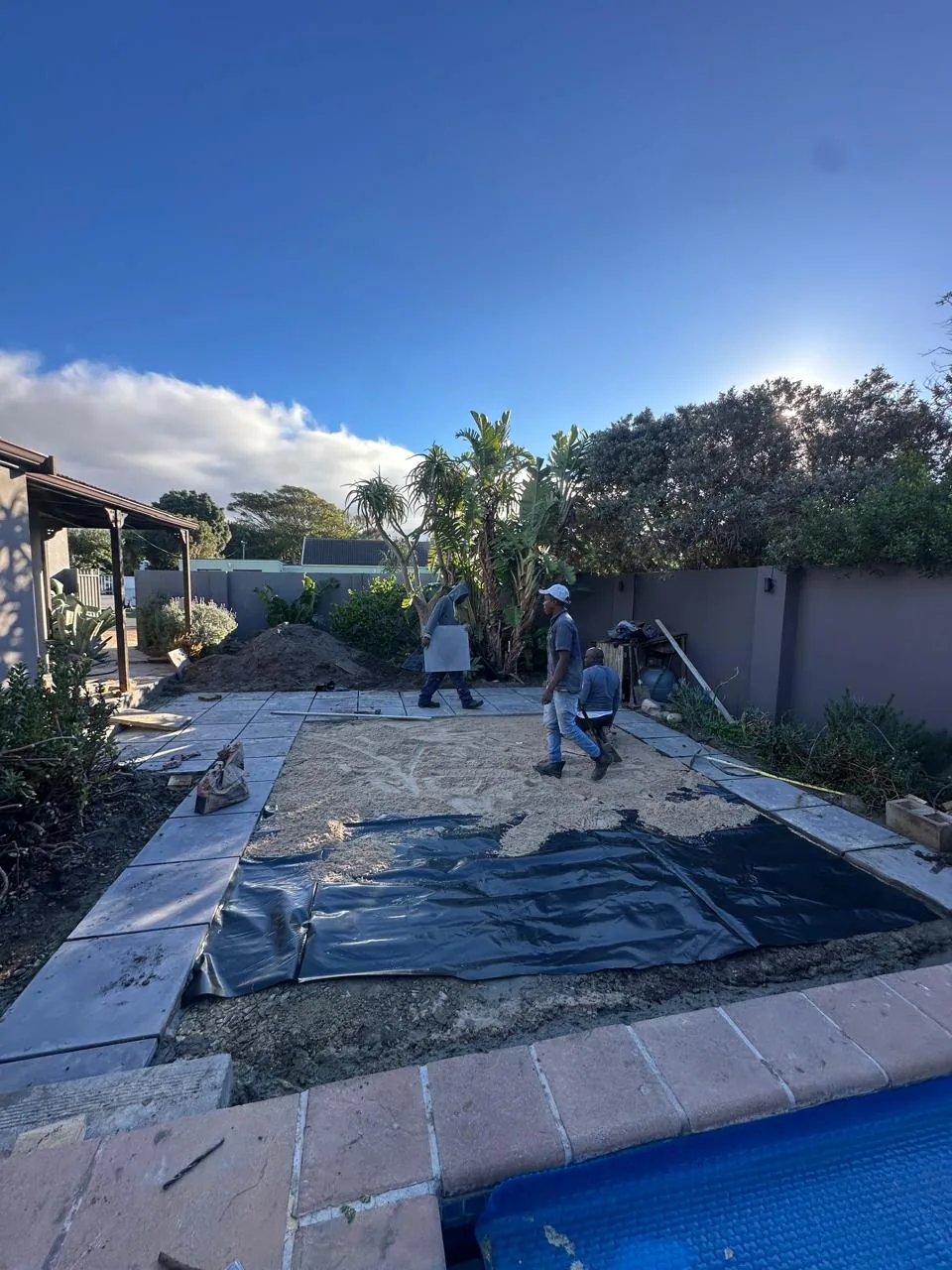
Send us photos of your garden and we will come back with ideas and a written quote.
Sunken boma. A circle dug into the garden with built-in benches, which also keeps the wind off.
Raised fire pit. A brick or stone fire pit at knee height, so the heat reaches people in chairs.
Gas fire pit. A gas burner set in stone or concrete, with no smoke and no ash to clean.
Fire bowl on paving. A steel fire bowl on a paved circle next to the braai or the pool.
Boma by the braai. Seating and a fire pit beside the braai area, for the evening after the meal.
In South African gardens, a boma is a round seating area built around an open fire. It is usually paved, often sunken or walled, with built-in benches or space for chairs around a central fire pit.
Keep it well away from the house, thatch, timber decks, trees and boundary walls. The right distance depends on the size of the fire and the wind. We check the spot on site and follow any estate rules.
Fire pits on private property are common, but the City of Cape Town and many estates have fire safety rules, especially in high fire risk areas. Check your estate rules, and do not light the fire when the wind is strong.
Wood gives you the crackle and coals for cooking. Gas lights at the turn of a knob, makes no smoke and leaves no ash, which suits complexes and small gardens. We are registered gas installers, so gas fire pits come with a Certificate of Compliance.
Not if it is built with drainage. We slope the floor and add a drain or soakaway, so rainwater runs away instead of pooling around the fire pit.