
Braai Fire Pit Buying Mistakes Most Homeowners Make
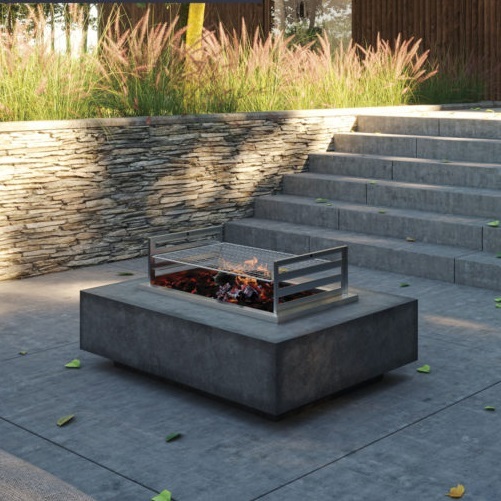
Avoid the most common braai fire pit buying mistakes — from wrong sizing to rust-prone materials. Includes realistic Rand price ranges and a freestanding vs built-in comparison.
A braai fire pit is one of the most rewarding additions you can make to a South African outdoor space — but also one of the easiest purchases to regret. Whether you’re shopping for a compact freestanding unit or planning a year-round outdoor entertainment area, the choice involves more than picking a look you like. Size, material quality, installation type, and whether the unit suits how you actually braai all affect whether it performs well five years from now — or sits rusting in the corner.
At Fire Flame Installers, we’ve built and installed braai fire pits across Cape Town and the Western Cape for over two decades. We see the same buying mistakes repeat themselves. This guide covers the five most common errors, what a braai fire pit realistically costs across different budgets, and how to decide between a freestanding and a built-in setup before you spend a rand.
What Is a Braai Fire Pit?
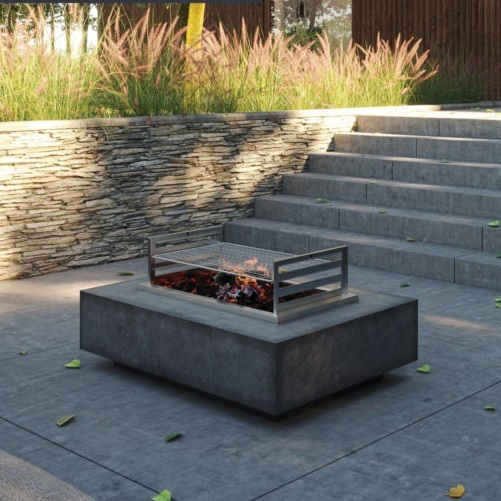
A braai fire pit combines the open-air cooking function of a traditional braai with the warmth and ambiance of a fire pit. Unlike a flat-plate gas braai or a closed-combustion fireplace, a braai fire pit burns wood or charcoal in an open or semi-open bowl, grate, or firebox — while still providing enough heat control for actual cooking. Some models are purely decorative fire pits with a braai grid bolted on; others are purpose-built braai units with fire-pit-style surrounds and full ash-management systems.
In South Africa, the term is often used interchangeably with a freestanding wood-burning braai, but it can also refer to open pit-style built-in structures set into a patio or outdoor kitchen. The key distinction from a pure fire pit: a braai fire pit is designed to cook on, not just look at.
The 5 Most Common Braai Fire Pit Buying Mistakes
1. Choosing a Unit That’s Too Small for How You Braai
This is the most common mistake — and the most expensive to undo. A braai fire pit that comfortably handles four chicken pieces won’t feed a family of eight or a Saturday gathering of twelve. As a working rule: for a household of four, look for a cooking surface of at least 50 cm × 40 cm; for regular entertaining, 60 cm × 50 cm or larger. If you’re going built-in, deliberately oversize — you can always cook on half the grid, but you can’t expand a masonry structure without demolishing it.
2. Ignoring the Difference Between Mild Steel and Stainless Steel
Not all braai fire pits are built the same. Entry-level units often use mild steel (powder-coated or painted), which is cheaper but corrodes faster — especially in coastal areas like the Cape Peninsula, Bloubergstrand, and Hermanus where salt air accelerates rust. A mild-steel unit might last three to five years with careful maintenance; a 304-grade stainless steel built-in braai can last twenty years or more. For reference, SAFire’s Plateau range uses heavy-gauge stainless steel specifically engineered for South African coastal conditions. Spend more upfront on material quality and you won’t be shopping again in three years.
3. Skipping the Ventilation and Clearance Check
A braai fire pit generates real heat and real smoke. Position it too close to a wall, pergola beam, or roof overhang and you risk charring timber or, in a worst case, a structure fire. Most manufacturers specify a minimum clearance of 600–900 mm to combustible surfaces and at least 2 m of vertical clearance above the cooking surface. This matters especially in covered braai areas and lapa structures. Before buying, walk the intended space with a tape measure and check the manufacturer’s clearance requirements — not just the sales brochure dimensions.
4. Not Budgeting for Proper Installation
The unit price is only part of the total cost. A freestanding braai fire pit may be assembly-only, but a professionally built braai installation — base slab or plinth, brickwork surround, chimney flue or open extraction, and finishing materials — adds significantly to the bill. See the cost breakdown below, but the short version is: don’t budget only for the unit and then be caught short by the civil work.
5. Buying a Unit That Can’t Handle Regular Winter Use
Load-shedding has made wood-fire cooking more practical than ever, and many households have shifted from weekend braaing to cooking on open fire four or five nights a week during winter. A lightweight single-skin bowl fire pit was never designed for that intensity. Look for thick-walled fireboxes (at least 3 mm steel or fire-rated cast iron), reinforced grates, and ash drawers or removable ash pans that make daily cleaning quick. Explore our full braai range to see which units are built for hard, regular use rather than occasional garden parties.
What Does a Braai Fire Pit Cost? Realistic Rand Prices
Prices vary widely depending on whether you want a moveable freestanding unit or a permanently installed structure. Here’s an honest breakdown of what different budgets actually buy:
- R3,000–R7,000: Entry-level freestanding braai fire pits — mild steel or thin-gauge stainless, adequate for occasional use on a flat patio. Brands like Megamaster and various import ranges sit here. Quality control is inconsistent at this tier; check weld quality and grid thickness in person before buying.
- R8,000–R18,000: Mid-range freestanding and semi-permanent units — heavier-gauge steel or cast iron, better grate systems, often with ash management built in. Home Fires, SAFire, and similar SA brands are well represented here. These units suit most households that braai once or twice a week.
- R20,000–R50,000+: Built-in braai fire pit structures including brickwork, stone or tile cladding, chimney, and finishing. Appropriate for integrating into a covered patio or outdoor kitchen where the braai becomes part of the architecture. Custom braai islands with countertops and built-in lighting sit at the upper end of this range.
Installation labour for a built-in structure typically runs R5,000–R15,000 depending on complexity, access, and finish materials. Always request itemised quotes so you can compare like-for-like.
Built-In vs Freestanding Braai Fire Pit: Which One Fits Your Life?
The decision comes down to three factors: permanence, budget, and how often you braai.
A freestanding braai fire pit offers genuine flexibility — you can move it, resell it, or take it with you when you move house. It needs no civil work, no building plan, and no professional installation. The trade-off is longevity: even the best freestanding units have a shorter lifespan than a quality built-in structure, and they rarely look as integrated into the space as a proper masonry build.
A built-in braai fire pit is a permanent structure. Installed correctly, it adds tangible value to the property, looks considered and finished, and will outlast decades of regular use. The downside is the upfront cost and the requirement for a professional builder or braai installation specialist. For outdoor braai installation in Cape Town, we regularly hear from homeowners who attempted the DIY route first and then needed the structure rebuilt — so if you’re going built-in, involve a professional from the planning stage, not as a rescue call later.
Frequently Asked Questions
What’s the difference between a braai fire pit and a regular fire pit?
A regular fire pit is primarily decorative — designed for warmth and ambiance, with no cooking provision. A braai fire pit includes a cooking grid, adjustable height mechanism, or grate system that makes it practical for preparing food. Some products sit in both categories, but if cooking is your main goal, confirm the unit is specifically rated for it before buying.
Can I install a braai fire pit myself?
A freestanding unit, yes — most are assembly-only and need no trades. A built-in braai fire pit involving brickwork, a chimney, or integration into a covered outdoor kitchen does require a professional. In South Africa, any gas braai also requires a Certificate of Compliance (CoC) from a registered installer. For permanent wood-burning structures, check with your local municipality whether a building plan submission is required — requirements vary by area.
What size braai fire pit do I need?
For a family of four, a cooking surface of at least 50 × 40 cm is a sensible minimum. For regular entertaining of eight or more, aim for 60 × 50 cm or larger. If you’re building a permanent structure, size up — you can always braai on half the grid, but expanding a built-in structure means demolition and rebuild.
How do I get a quote for a built-in braai fire pit?
The most accurate way is an in-person site visit so the installer can assess your space, surface, and any overhead clearance constraints. We offer free braai installation quotes for Cape Town and the surrounding Western Cape — get in touch and we’ll send someone out to measure up and give you a realistic, itemised price.
Planning this kind of work?
Call or WhatsApp with your suburb and photographs. Fire Flames can discuss your fireplace, braai or home project and quote.
Get A Quote →