
Old Fireplace Stove: Proven Reliable Heat for Under R20,000
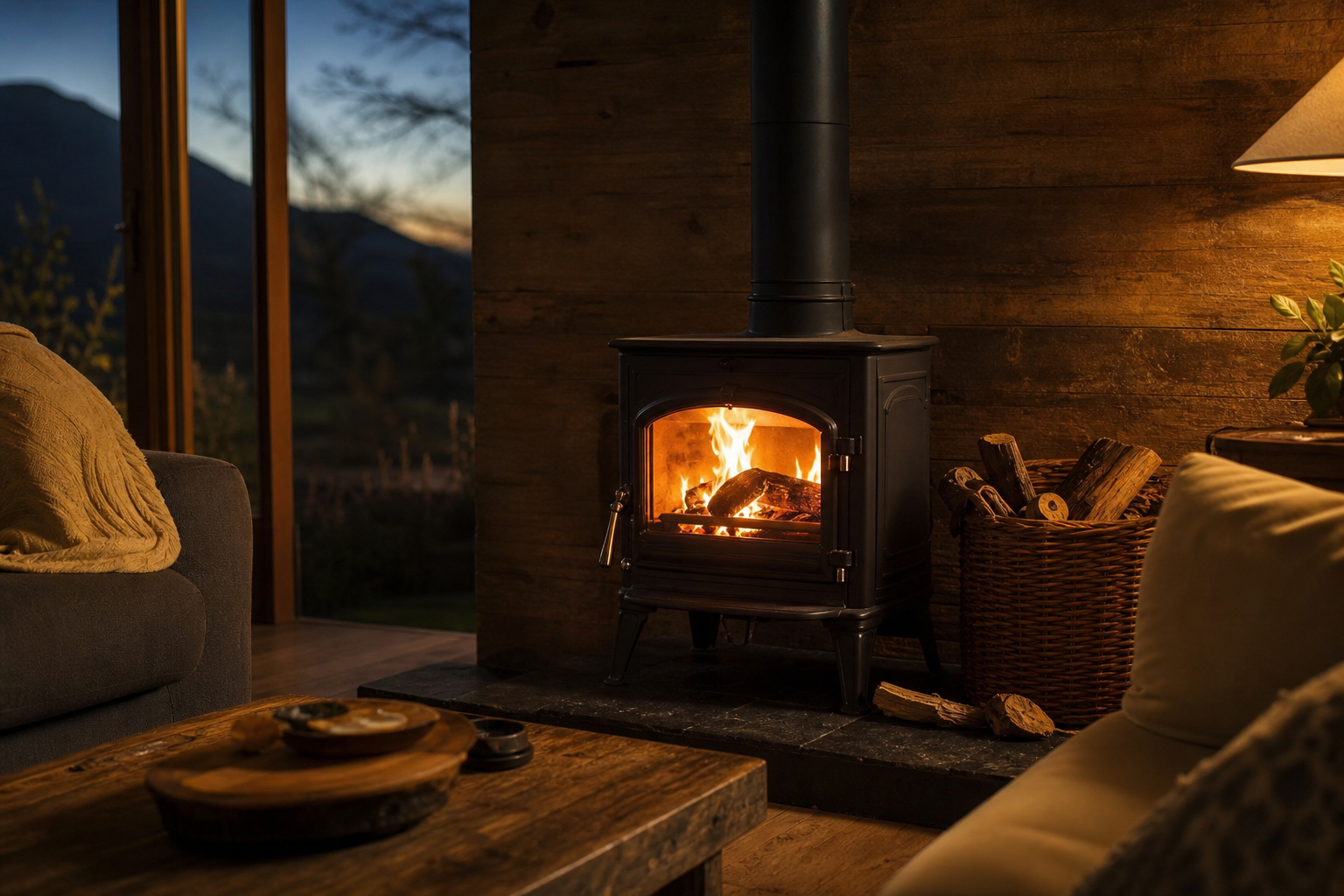
An old fireplace stove can heat your home more efficiently than an open fire — and for less than you might expect. Here's what to look for, what to pay, and how to get it installed right.
An old fireplace stove – the cast-iron, wood-burning kind that has been heating South African homes for generations – is staging a serious comeback, and for good reason. While open fireplaces lose up to 80% of their heat up the chimney, a traditional closed-combustion freestanding stove traps that warmth and pushes it into your room for hours after the fire dies down. If you have been eyeing one of these classic units, here is exactly what you need to know before you buy.
These units sit in our freestanding fireplaces range – browse current stock if you want to skip straight to models and pricing.
What Makes an Old Fireplace Stove Different
The term “old fireplace stove” covers cast-iron and steel freestanding units that combine a closed firebox with a visible flue pipe. Unlike modern bioethanol or gas inserts, these burn real wood and deliver radiant heat that warms both the air and surrounding surfaces – walls, floors, furniture – which keeps rooms warmer for longer.
Key differences from an open fireplace:
- Combustion efficiency: A closed-combustion stove typically runs at 65-80% efficiency. An open fireplace sits closer to 20-30%. That means for every log you burn, you are getting two to three times more usable heat.
- Load-shedding resilience: No electricity required. An old fireplace stove burns wood and nothing else – making it completely grid-independent during Cape Town’s rolling outages.
- Heat retention: Cast-iron stoves absorb heat and radiate it slowly, continuing to warm a room for two to three hours after the fire burns down.
If you are weighing your options, our guide on choosing between freestanding and built-in fireplaces covers the structural trade-offs in detail.
Types of Old Fireplace Stoves in South Africa
Not all freestanding stoves are the same. Here is how they break down by material and burn style:
Cast-Iron Freestanding Stoves
The classic. Cast iron heats slowly but stores enormous thermal mass – a well-loaded cast-iron stove at bedtime will still be warm at 5 AM. Prices range from R6,000 for entry-level units to R20,000+ for premium European-style models with glass doors and secondary burn chambers.
Look for stoves with at least 5kW output for a standard bedroom, 8kW or more for an open-plan living room. A 10kW cast-iron unit can comfortably heat 40-50m2 – enough for most South African lounge-dining spaces.
Steel Freestanding Stoves (Closed-Combustion)
Steel stoves heat up faster than cast iron but cool down more quickly. They are typically lighter, easier to reposition, and often more affordable at the R5,500-R15,000 range. Modern steel units use baffle systems that create a secondary burn cycle, consuming smoke before it exits the flue and dramatically reducing creosote build-up.
Slow-Combustion Units (Multi-Hour Burn)
Some freestanding stoves are designed specifically for overnight burns. They use air-damper controls that allow you to slow the fire’s oxygen intake, extending a full load of wood to eight to ten hours. For homes in colder regions – Hermanus, Swellendam, the Winelands – these units are particularly popular through the Cape winter months.
Old Fireplace Stove Price Ranges: R6,000 to R35,000

South African pricing for freestanding old fireplace stoves in 2026 breaks into three clear tiers:
- R5,000-R9,000 (entry level): Steel or cast-iron stoves, 5-7kW output, single-pane door glass, basic damper control. Adequate for heating one room reliably.
- R10,000-R18,000 (mid-range): Closed-combustion units with secondary burn chamber, panoramic glass door, 70-75% efficiency. Heats 25-40m2 comfortably.
- R20,000-R35,000 (premium): European-spec stoves, 10-15kW, 80%+ efficiency, full cast-iron body, EN 13240 compliant. Handles open-plan spaces and cold coastal climates with ease.
These prices are for the stove unit only. Budget an additional R8,000-R18,000 for professional installation depending on flue length and whether you need a new hearth slab. See the full fireplace installation cost guide for a line-by-line breakdown.
Key Features to Look For in an Old Fireplace Stove
Glass door quality: Look for borosilicate or ceramic glass, not standard window glass. It tolerates extreme heat and will not crack under thermal cycling. Air-wash systems keep the glass clear without manual wiping after every fire.
Firebox size: A larger firebox takes longer logs (reducing splitting labour) and holds more wood per load. A firebox depth of 45cm or more handles standard-cut logs without re-splitting.
Compliance markings: In South Africa, thermal installations in buildings are governed by SANS 10400-T (the National Building Regulations). Any stove used as a primary heat source should comply, and a properly executed professional fireplace installation gives you a Certificate of Compliance (CoC) – required by most home insurers.
Ash pan: A removable ash pan makes cleaning far easier. Models without one mean scooping ash directly from the firebox every two to three days.
Secondary combustion: Double or triple combustion chambers burn off gases before they exit the flue. This means less creosote, a cleaner chimney, and more heat per log. It is the single biggest efficiency differentiator between budget and mid-range units.
If you are not sure whether a freestanding or built-in unit suits your space, our team can advise – get in touch with our team for a no-obligation conversation.
Installation: What to Expect
A freestanding old fireplace stove installation typically involves four steps:
- Hearth slab: Most stoves require a non-combustible hearth extending at least 30cm in front and 15cm either side of the door. Tile, slate, or brick all work well.
- Flue pipe: This connects the stove collar (usually 150-200mm diameter) to the chimney or twin-wall flue system. Our flues and flue systems range covers both insulated and single-wall options.
- Chimney connection: Whether you connect to an existing masonry chimney or run a new twin-wall flue up an external wall, proper draught (minimum 4Pa) is critical for combustion and smoke draw.
- Certificate of Compliance: Required for insurance purposes in most home policies. Your installer will issue this once the installation is inspected and signed off.
Average total installation time is half a day to a full day for a straightforward freestanding setup. If you are still comparing fuel types, our gas vs wood-burning fireplaces guide lays out the running costs side by side.
After installation, plan for annual chimney sweeping services to remove creosote and keep the flue drawing safely through every winter season.
Frequently Asked Questions
How efficient is an old fireplace stove compared to an open fireplace?
A closed-combustion old fireplace stove typically runs at 65-80% efficiency, compared to 20-30% for a traditional open fireplace. Most South African homeowners report burning 30-40% less firewood after switching from an open fire to a freestanding stove – a meaningful saving given rising firewood prices in the Cape.
Can I install an old fireplace stove in an apartment or townhouse?
It depends on the flue exit point. Freestanding stoves need a chimney or approved twin-wall flue system exiting through the roof or external wall. Body corporates may restrict roof penetrations – always check your sectional title rules first. Our article on how to choose the perfect fireplace covers the space and planning considerations in more detail.
What wood should I burn in an old fireplace stove?
Seasoned hardwood with moisture content below 20%. In the Western Cape, rooikrans, Port Jackson, and fynbos-scrub firewood are widely available and affordable. Avoid treated timber, painted wood, or green (unseasoned) logs – these produce excessive smoke, accelerate creosote build-up, and can void your stove warranty.
How often does the chimney need cleaning after installing one of these stoves?
Once per year as a minimum if you burn regularly through winter. For daily users, twice a year is recommended. Our chimney and flue maintenance guide explains what to look for between professional sweeps and how to spot early signs of creosote blockage.
Ready to Heat Your Home This Winter?
An old fireplace stove is one of the most cost-effective ways to heat a South African home – fuel-independent, long-lasting, and genuinely warming in a way that electric panel heaters simply cannot match. With the right unit and a properly certified installation, you will have a stove that pays for itself within a few winters and lasts 20 to 30 years.
Request a free installation quote and our team will recommend the right model, kW output, and flue setup for your home.
Related Posts
Planning this kind of work?
Call or WhatsApp with your suburb and photographs. Fire Flames can discuss your fireplace, braai or home project and quote.
Get A Quote →