
Lava Braais: 7 Smart Benefits That Beat a Standard Gas Braai
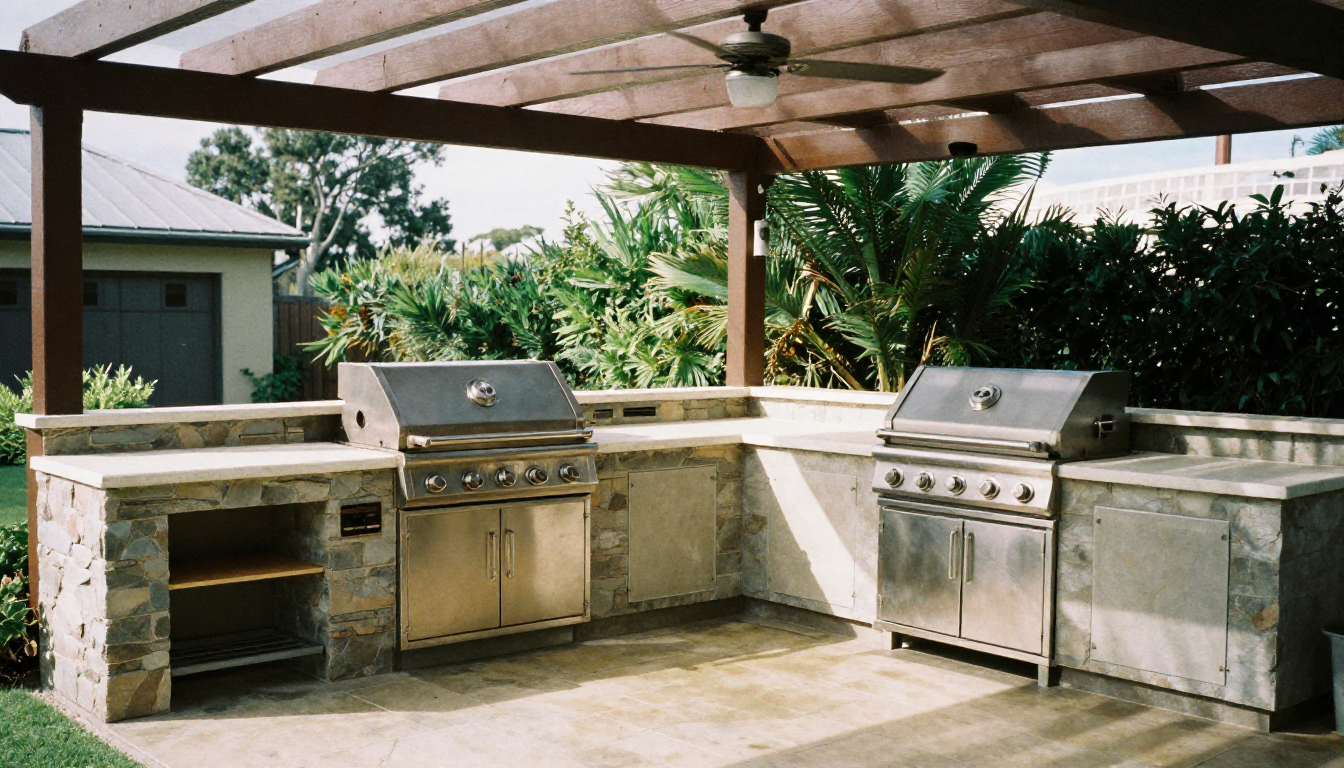
Lava braais deliver even heat, better flavour and fewer flare-ups compared to standard gas models. Here are 7 proven benefits, SA price ranges, and what to look for before you buy.
Lava braais have quietly become one of the most popular upgrades among serious South African home cooks — and once you’ve cooked on one, it’s hard to go back to a plain gas burner. Whether you’re planning a new outdoor kitchen or replacing an ageing gas unit, understanding what sets a lava rock braai apart could save you a very disappointing purchase. This guide covers how lava braais work, what they cost across different budget levels, seven real benefits over standard gas models, and what to look for in coastal environments where corrosion is a genuine concern. Browse our range of braais to see the full selection of lava rock, gas, and built-in options we supply and install across Cape Town and the surrounding areas.
What Are Lava Braais and How Do They Work?
A lava braai is a gas-powered cooking unit that uses porous volcanic lava rocks — sometimes called lava stones — positioned between the burners and the cooking grate. When the burners fire up, the rocks absorb and store heat. As fat and juices drip from food above, they hit the hot lava surface and vaporise instantly, producing a characteristic smoky flavour you’d usually only get from a charcoal or wood-fire braai.
The rocks serve four purposes simultaneously: they distribute heat more evenly than open burners, they convert fat drips into flavour-enhancing smoke, they protect the burners from grease build-up, and they significantly reduce direct flare-ups. Over time, the rocks self-clean as residue burns off at high temperatures — one less maintenance task compared to a standard gas grill.
This is very different from a standard gas braai, where burners are exposed to grease, flare-ups are frequent, and heat can concentrate in lines directly above the burner tubes.
7 Smart Benefits of Lava Braais Over Standard Gas Models

If you’re choosing between a lava rock model and a plain gas braai, here’s what swings the decision:
1. Even Heat Distribution
Standard gas burners heat in concentrated lines directly above each tube. Lava rocks absorb and radiate heat uniformly across the entire bed, eliminating the hot-spot-and-cold-spot problem. You can cook a full rack of ribs across the whole grate without rotating every few minutes.
2. Better Flavour — Closer to Charcoal
When fat drips onto hot lava rocks, the instant vaporisation produces smoke compounds that add depth to the flavour of the food — far more than what you’d get from fat hitting an open burner or drip tray. Most cooks who switch to lava braais say the flavour difference is noticeable from the first cook.
3. Fewer Flare-Ups
On a standard burner, fat pooling directly on the heat source catches flame easily. On a lava rock bed, drips vaporise immediately rather than accumulating, cutting the flare-up risk significantly. This matters when you’re managing load-shedding-style timing and can’t keep a constant eye on the braai.
4. Faster, More Consistent Heat
Lava rocks pre-heat in 10–12 minutes and hold heat efficiently once up to temperature. The thermal mass of the rocks smooths out the cooking environment, so you’re not fighting temperature swings when you add food to a cold section of the grate.
5. Easier Maintenance
After each cook, simply run the braai on high for 5–10 minutes to burn off residue. The self-cleaning effect means far fewer deep scrubs of the cooking surface. Every month or two, flip the rocks to distribute wear evenly. Compare that to scrubbing out grease traps and burner pans on a standard gas braai.
6. Longer Burner Life
Because the lava rocks absorb most of the grease before it reaches the burners, the burners themselves last longer between servicing. This matters particularly in coastal areas from Bloubergstrand to Hermanus, where salt air already shortens the lifespan of metal components — the last thing you want is grease accelerating that corrosion.
7. Gas Convenience With Fire-Braai Flavour
No charcoal to buy, no lighting struggles when you’re short on time, no 45-minute wait for coals to grey over. Lava braais bridge the gap between the ease of gas and the results of a real fire braai — which is why they’ve become the default upgrade for SA homeowners who cook on the patio more than once a week.
Built-In vs Freestanding Lava Braais: Which Should You Choose?
The next decision after choosing a lava braai format is how to install it. Both approaches suit different situations.
Built-in braais are set into a custom masonry, steel, or tiled surround — ideal if you’re building or renovating a patio, or if you want a permanent feature as the centrepiece of an outdoor kitchen. Installation requires a permanent gas line connection and a gas Certificate of Compliance (CoC) from a registered gas installer. The LP Gas Association of Southern Africa sets the standards for safe gas appliance installation, and reputable installers work within those specifications. The result is a clean, permanent setup with typically a larger cooking surface and a more polished aesthetic.
Freestanding lava rock braais connect to a portable gas cylinder and sit on a trolley, making them flexible if you rent, move, or want to reposition your setup seasonally. They’re simpler to install, usually more affordable, and still deliver the same lava rock cooking benefits. The trade-off is ongoing cylinder logistics and slightly lower build quality at the entry-level price points.
If you’re planning a full outdoor entertaining area around a braai, our guide to designing your outdoor kitchen covers how to integrate a braai with prep surfaces, lighting, and storage properly.
Lava Braai Prices in South Africa
Price ranges vary significantly depending on the brand, size, material grade, and whether installation is included. As a realistic baseline for 2026:
- Entry-level freestanding lava rock gas braai: R8,000 – R15,000
- Mid-range built-in lava braai (unit only): R15,000 – R35,000
- Premium or large-format built-in lava braai: R35,000 – R80,000+
- Professional braai installation (labour): R5,000 – R18,000 depending on complexity
Installation cost depends on whether there’s an existing gas line, how much brickwork or surround construction is needed, and whether a new CoC is required. For a realistic quote on what professional braai installation costs for your specific setup in Cape Town, contact our team — we’ll walk you through the options before you commit to anything.
Materials Matter: Choosing Stainless Steel for Coastal SA Conditions
If you live near the coast — anywhere from the West Coast to the Garden Route — the material quality of your lava braai becomes a critical decision. Salt air accelerates corrosion on low-grade metals, and a cheap braai that looks great at purchase can be rusting within 18 months of regular coastal use.
Look for 304-grade stainless steel on the firebox, burner holders, and cooking grates. Grade 304 contains higher levels of chromium and nickel than the more common 430 grade, giving it substantially better resistance to coastal conditions. Many entry-level units use 430-grade or even aluminised steel — they can look identical in a showroom but perform very differently over time.
Lava rocks themselves are highly durable and unaffected by salt air. They won’t rust, they handle moisture well, and they’ll often outlast the braai body itself. Replace them if they crack from thermal cycling — which happens occasionally — or when they no longer distribute heat evenly. A fresh set of lava rocks typically costs R200–R600 and swaps out in under five minutes.
Our guide to choosing a freestanding braai covers material grades, burner quality indicators, and sizing decisions for both coastal and inland use.
Keeping Your Lava Braai in Top Condition
Lava braais are lower-maintenance than charcoal setups but need a simple routine to stay in top shape:
- After every cook: Run on high for 5–10 minutes to burn off residue.
- Monthly: Flip rocks so both sides wear evenly.
- Every 6–12 months: Remove rocks, check burner jets for blockage, and inspect the gas connection and hose.
- Replace rocks when: They’re visibly crumbling, cracked into multiple pieces, or producing noticeably uneven heat. New lava rocks are inexpensive and available from most SA braai suppliers.
If you’re thinking about making your outdoor entertaining space work all year round, our article on extending your outdoor living season has practical ideas for using a braai effectively during Cape Town’s colder winter months.
Frequently Asked Questions About Lava Braais
Are lava rocks safe to use in a gas braai?
Yes — volcanic lava rocks designed for gas braai and BBQ use are chemically inert, naturally porous, and stable at typical braai temperatures. Make sure you buy braai-specific lava rocks, not decorative garden stones, which may crack or release particles at high heat.
How long do lava rocks last in a braai?
With normal use and basic maintenance — regular burn-off and periodic flipping — a set of lava rocks will typically last 1–3 years. Coastal environments with high humidity can shorten this slightly. Crumbling or visible cracking are the main signs it’s time to replace them.
Can I convert my existing gas braai to use lava rocks?
In many cases, yes. If your gas braai has an open burner above the firebox with enough clearance, you can add a bed of lava rocks. Not all designs are compatible — check your unit’s manual or ask a professional installer whether a lava rock conversion kit suits your model.
What’s the difference between lava rocks and ceramic briquettes?
Both are used in gas braais and work on the same principle. Lava rocks are natural, generally more affordable, and widely available in SA. Ceramic briquettes are more uniform in shape and may last slightly longer. For authentic braai flavour, most South African users prefer natural lava rocks.
Ready to Upgrade Your Outdoor Braai Setup?
Whether you’re planning a custom braai island as the centrepiece of a new outdoor kitchen, or simply upgrading an ageing gas unit that no longer delivers, lava braais give you a meaningful step up in cooking results without the complexity of charcoal. We supply and install gas braais across Cape Town — from built-in setups in formal outdoor kitchens to freestanding solutions for smaller patios and rental properties.
Considering outdoor braai installation in Cape Town? Get in touch for a free consultation — we’ll help you pick the right model, material grade, and installation approach for your space and budget.
Planning this kind of work?
Call or WhatsApp with your suburb and photographs. Fire Flames can discuss your fireplace, braai or home project and quote.
Get A Quote →