
Are Homefires Braais Worth It? What the Full Range Actually Delivers
Homefires is one of South Africa's most trusted braai brands — but which configuration is right for your space? We break down 5 key options, real rand price ranges and what to check before you buy.
If you’ve been researching braais online, the homefires braai probably came up pretty quickly. Homefires is one of South Africa’s most recognisable names in quality built-in braais and fireplaces — and for good reason. But with several configurations available and prices ranging from around R8,000 to R80,000+, knowing exactly what you’re getting before you commit matters. This guide covers five key options from the range of braais we supply and install, what each one costs, and how to choose the right configuration for your space.
What Is Homefires — and Why Do SA Buyers Keep Coming Back?
Homefires is a South African manufacturer with decades of experience producing braais, fireplaces and combustion stoves. Their products are widely respected for using 304 stainless steel — the marine-grade alloy that resists rust and corrosion even in coastal environments like Cape Town and the Garden Route. That matters when you’re spending R15,000 or more on a built-in unit you expect to last 15 to 20 years.
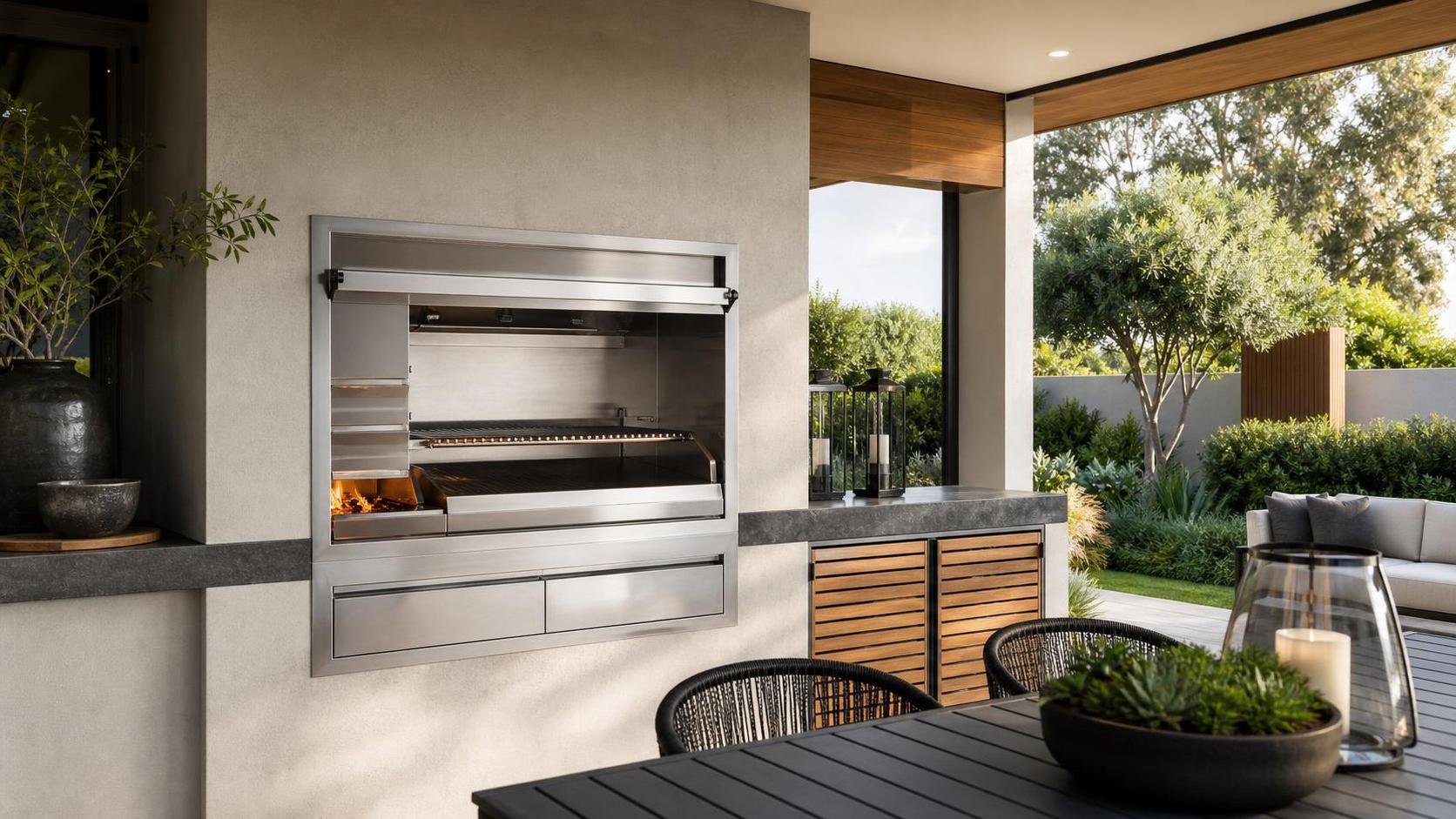
Their built-in braai units slot into a masonry or tiled surround that you either have built as part of the installation or retrofit into an existing structure. The result is a permanent, professional-looking centrepiece that looks like it always belonged there. Homefires braai quality is also verified through their wide distribution via specialist fireplace and outdoor living retailers across the Western Cape — which makes sourcing parts and getting professional support straightforward.
5 Homefires Braai Options Worth Knowing
1. Standard Built-In Wood Braai
The entry point to the Homefires range is the standard built-in wood braai — typically 60–80cm wide. This is the most popular option for residential patios, fitting comfortably into most outdoor entertaining areas. Expect to pay R10,000–R18,000 for the unit itself, with professional braai installation adding R8,000–R14,000 depending on surround complexity and access.
The standard unit includes a sliding grate, adjustable grate height, and an ash drawer for easy cleaning. Because it burns wood (no gas lines, no electrical ignition), it keeps working perfectly during load-shedding — a genuine advantage in South Africa where power interruptions remain a daily reality in many areas.
2. Large or XL Built-In Braai (for Serious Entertaining)
If you regularly cook for eight or more people, stepping up to a wider braai unit (900mm–1200mm) is worth serious consideration. A larger grate area lets you manage multiple cuts at different heat zones simultaneously — no more juggling steaks and boerewors in shifts across a single small grate.
These wider units typically run R18,000–R32,000 for the braai itself. They’re heavier and need a more substantial masonry surround, but if you’re building a dedicated outdoor kitchen, they form the heart of the layout. You can browse the built-in braai range to see sizing options currently available and what finishes suit which applications.
3. Countertop or Freestanding Homefires Braai
Not every home has a permanent masonry wall to build into — and not every buyer wants one. The countertop or freestanding Homefires braai sits on a flat surface: a concrete patio counter, outdoor kitchen island or a purpose-built braai table. Prices typically start from R5,000–R9,000, making it the most accessible entry point in the range.
This configuration also suits renters or those who want flexibility to move the unit or upgrade later. When paired with a solid outdoor counter, it looks just as deliberate and intentional as a fully built-in setup. The freestanding braai range includes several widths suited to this approach, and our guide to choosing a freestanding braai covers what to look for.
4. Gas Braai Option
For households that want convenience over tradition, Homefires also offers gas braai configurations. Gas braais heat up in minutes, allow relatively precise temperature control and eliminate ash cleanup. They’re particularly popular with homeowners who entertain mid-week when a slow charcoal build simply isn’t practical.
Gas units typically run R14,000–R25,000, plus the cost of gas line installation if you’re plumbing into a reticulated gas supply. One honest note: unlike wood braais, gas units require a functioning gas supply — which means LPG cylinder backup is worth planning for. If load-shedding resilience is the priority, wood remains the more independent choice. See the gas braai range for current models we supply and install.
5. Full Homefires Braai Station — Outdoor Kitchen Setup
The top of the range is a complete outdoor kitchen build: a Homefires braai unit as the centrepiece, flanked by granite or porcelain countertops, cabinetry, a prep area and optional sink. These setups are custom-built to your patio layout and can include a rotisserie motor, stainless steel hood, side burner and integrated lighting.
Full outdoor kitchen installations run from R50,000–R85,000+ depending on size, materials and finishes. If you’re renovating a patio or building new, this is the moment to spec it properly rather than retrofitting later. Read our guide to designing your outdoor kitchen with a braai for layout ideas, and our post on building a custom braai island if you’re planning a more comprehensive island structure.
What Does a Homefires Braai Cost? A Realistic Rand Breakdown
Prices vary based on three factors: the unit size, the surround and installation complexity, and any additional features like a hood or rotisserie motor.
| Configuration | Unit cost | Typical installation | Total range |
|---|---|---|---|
| Countertop / freestanding | R5,000–R9,000 | Minimal | R5,000–R12,000 |
| Standard built-in (60–80cm) | R10,000–R18,000 | R8,000–R14,000 | R18,000–R32,000 |
| Large / XL built-in (90–120cm) | R18,000–R32,000 | R12,000–R20,000 | R30,000–R52,000 |
| Full outdoor kitchen setup | R22,000–R45,000 | R28,000–R40,000 | R50,000–R85,000+ |
These figures are indicative for the Cape Town market and vary based on patio access, concrete work required and the finishes you choose.
Why 304 Stainless Steel Matters for Coastal Buyers
This point trips up buyers regularly: not all stainless steel braais perform equally in coastal environments. Standard 430-grade stainless — used in many budget units — will develop surface rust within a few years when exposed to salt air. 304-grade stainless contains higher nickel and chromium content, giving it significantly better corrosion resistance in humid, salty conditions.
If your home is within 10km of the ocean — which covers most of Cape Town’s Southern Suburbs, Atlantic Seaboard, Helderberg basin and False Bay coastline — specifying 304-grade stainless isn’t optional. It’s the difference between a braai that still looks clean in five years and one that needs replacing. The Homefires range is well established across the Western Cape precisely because buyers have seen this difference first-hand. According to Homefires’ own product documentation, their braai units use 304-grade stainless as standard throughout.
4 Practical Checks Before You Buy
1. Wall space and surround dimensions: Measure the full width available for the unit plus masonry surround, side panels and any countertop extension. Even a standard braai unit needs at least 1.2m of wall width to sit comfortably in a well-proportioned surround.
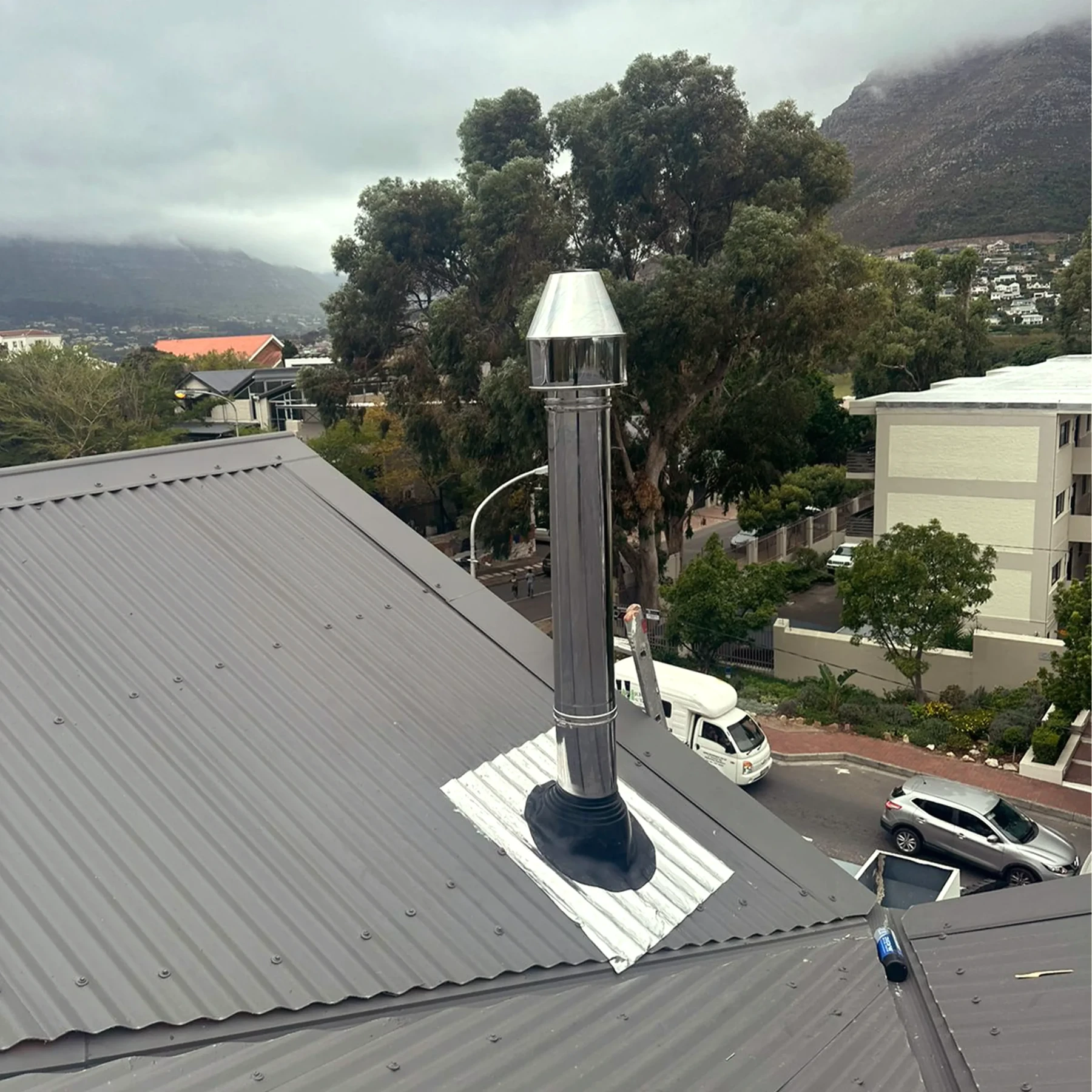
2. Ventilation and smoke management: Built-in wood braais need a proper flue opening or chimney structure. If your patio has a low ceiling or is fully enclosed on three sides, smoke removal should be a central part of the installation plan — not an afterthought.
3. Foundation load: Masonry surrounds are heavy. A standard concrete patio slab typically handles the load without issue; a suspended timber deck may need reinforcement. Your installer should assess this before construction begins.
4. Installation timeline: Quality braai installation typically involves 2–3 days of brickwork, drying time and finishing. Plan at least a week from order to first fire, and longer if you’re doing a full outdoor kitchen build. For anyone planning an outdoor braai installation in Cape Town, getting a professional site assessment before purchasing the unit saves costly rework later.
Frequently Asked Questions
Is Homefires a South African brand?
Yes. Homefires is a South African company and one of the country’s most established braai and fireplace manufacturers. Their products are designed specifically for SA conditions, including coastal humidity and the practical realities of load-shedding. You can view their full product range at homefires.co.za.
Can I install a Homefires braai myself?
The braai unit itself can be dropped into a surround you’ve already built. However, the masonry surround, any gas connections and flue structures require professional work — and you’ll need a Certificate of Compliance (CoC) for gas installations. For wood braais, professional installation ensures the smoke management, structural integrity and finishing are done correctly and safely.
How long does a Homefires braai last?
A well-maintained 304 stainless steel built-in braai should last 15–25 years with normal care. The grate and ash pan are the components most exposed to direct flame and will need eventual replacement, but the main body and firebox typically outlast most home renovation cycles.
Does a Homefires braai work during load-shedding?
Yes — wood and charcoal braais are completely electricity-independent. No ignition circuit, no motor, no fan. You light a fire and braai. This is one of the main reasons built-in wood braais have stayed dominant in South Africa despite the growing popularity of gas alternatives.
Ready to Plan Your Braai Installation?
Fire Flame Installers supplies and installs the full Homefires braai range across Cape Town and the Western Cape. Whether you want a straightforward built-in unit or a complete outdoor kitchen, we can help you size it correctly and build it properly. Request a free installation quote and we’ll work through the right configuration for your space.
Planning this kind of work?
Call or WhatsApp with your suburb and photographs. Fire Flames can discuss your fireplace, braai or home project and quote.
Get A Quote →