
Why Cast Iron Wood Heaters Outlast Steel — and When They Don’t
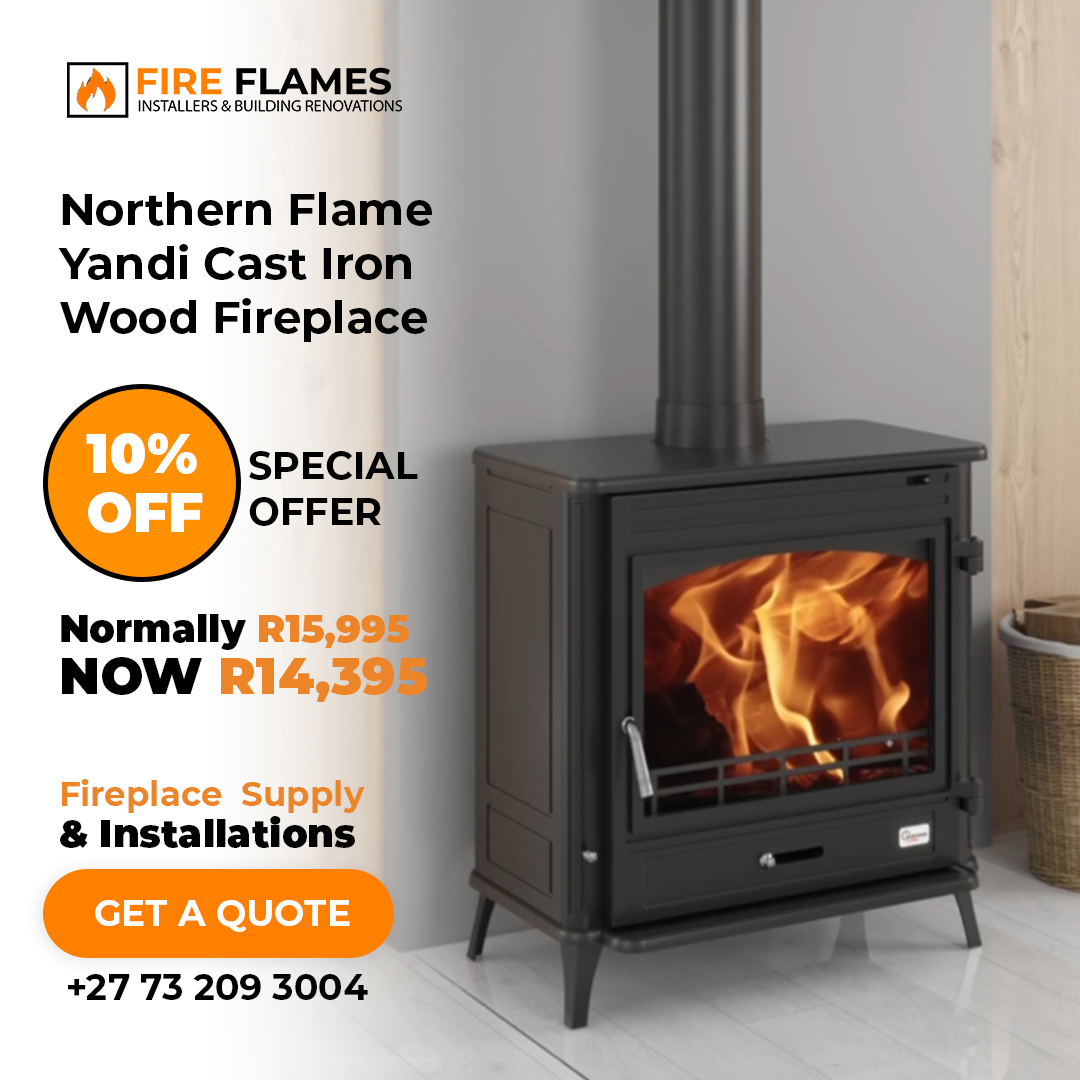
A cast iron wood heater outlasts steel in most cases — but only if you choose the right one. Here's the honest guide to how they work, what they cost and how to pick the right size.
A cast iron wood heater holds heat for far longer than its steel equivalent — even after the fire has died down, the iron radiates warmth into the room for hours. That single advantage drives a significant chunk of the buying decision for South African homeowners who want reliable overnight heat without constant reloading. But cast iron also costs more, weighs substantially more, and demands slightly more care to prevent rusting. Here’s what to actually know before spending anything.
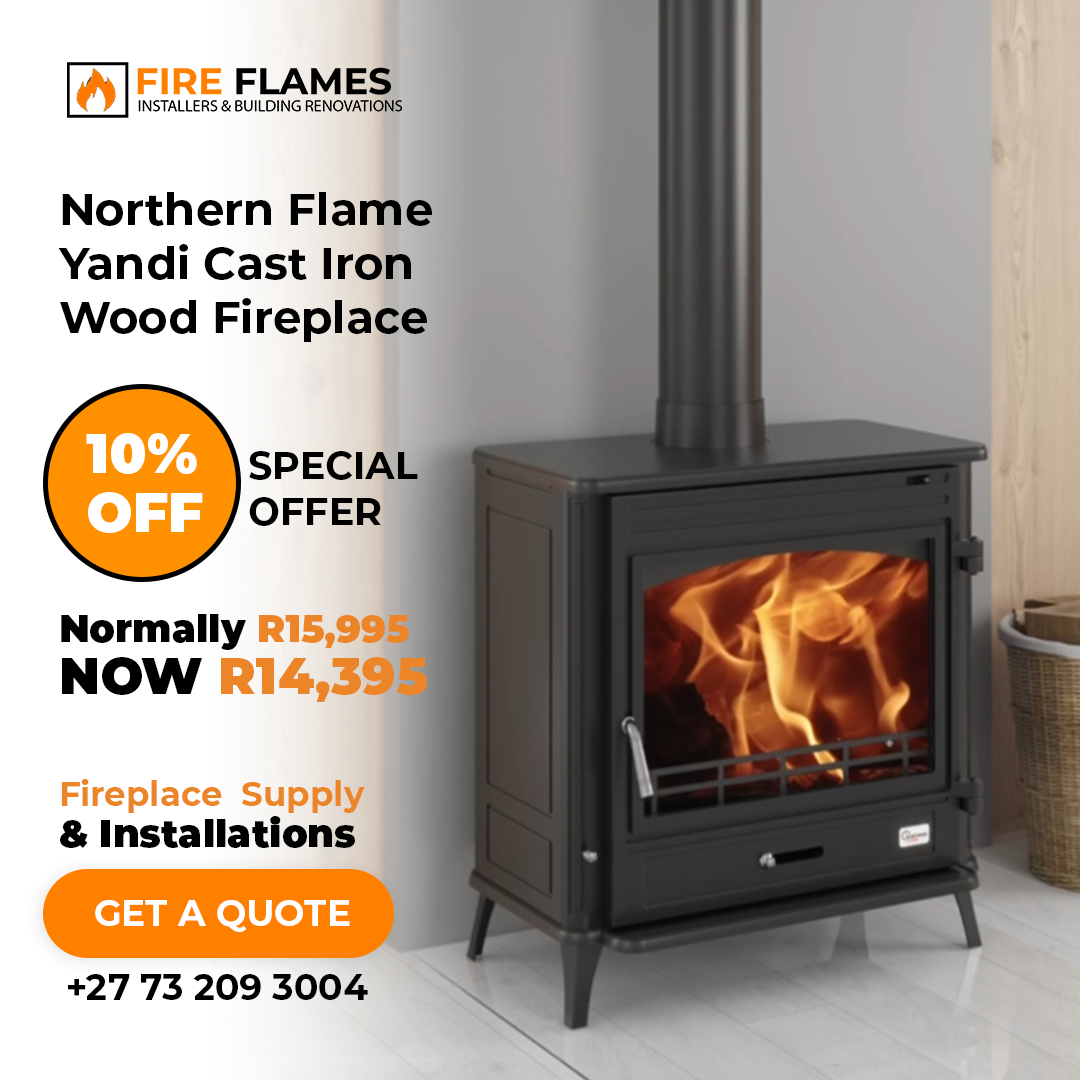
If you’re still working out which format is right for your home, our guide on how to choose the right fireplace for your home covers the broader decision across fireplace types.
What Makes a Cast Iron Wood Heater Different?
A cast iron wood heater is exactly what it sounds like: a wood-burning stove or freestanding fireplace where the firebox and body are manufactured from cast iron rather than welded steel plate. The distinction matters because cast iron and steel behave quite differently as heating materials.
Steel heats up faster — within 15–20 minutes of lighting, a steel fireplace is radiating significant heat. Cast iron takes longer (typically 30–45 minutes to reach operating temperature) but stores more thermal energy in the process. Once fully heated, a cast iron body releases that stored heat slowly and steadily — which is where the longevity of warmth comes from. You can let the fire burn low or even die out, and the cast iron continues warming the room for hours.
This property is particularly useful in SA homes where people light a fire at 6pm, enjoy it through the evening, and want residual warmth past midnight without starting a second fire.
Cast Iron Wood Heater Prices in SA: What Different Budgets Get You
Price range in the local market is wide, reflecting significant quality variation. Here’s a realistic breakdown for freestanding fireplaces in the cast iron category:
R5 000 – R10 000 (entry-level): Mostly Asian-manufactured units sold under generic or unknown brand names. Thin-wall cast iron, basic air controls, minimal glass quality. The kind that develop warped door seals within 2–3 seasons of regular use. They heat a small room adequately but often disappoint buyers expecting the durability associated with cast iron.
R10 000 – R20 000 (quality mid-range): Where most serious buyers in the SA market land. Thicker castings, better door seals, quality ceramic glass and functioning air-intake systems that allow controlled burns. Models in this range from established local distributors represent the best practical value for rooms up to 40–50 m².
R20 000 – R35 000 (premium local and mid-range imports): Larger output ratings (14–18 kW), multi-stage air systems, better aesthetic finishes and longer warranty coverage. Units from brands like Sentinel with cast iron components fall into this tier, as do some mid-range European-specification imports. Well-suited to large open-plan living areas.
R35 000 – R55 000+ (European premium): Brands like Invicta (France) and Dovre (Norway) at the higher end of their ranges — high-grade cast iron, precision air controls, enamelled finish options and combustion efficiency ratings that reflect decades of engineering refinement. Best value for buyers who run a fireplace heavily for 5–6 months per year rather than occasionally.
Installation adds R8 000 – R18 000+ on top of the unit cost depending on flue configuration, hearth requirements and ceiling height. Read our full fireplace installation cost guide for a detailed breakdown of what moves the price in either direction.
7 Key Facts to Know Before You Buy a Cast Iron Wood Heater
1. Weight Is a Real Consideration
Entry-level cast iron freestanding heaters start around 60–80 kg. Mid-range and large units run 100–180 kg or more. This matters for delivery, positioning and — if you’re on a suspended timber floor — structural loading. Most concrete slab homes handle it without issue. Timber floors need a load check with a builder before installation.
2. Cast Iron Cracks Under Thermal Shock
Cast iron is brittle. Throwing water on a lit fire, or lighting a fire in a very cold unit at full intensity from the start, can crack the casting. The fix is to warm new units gradually for the first few fires — small fires, short burn times — before running them at full output. This initial seasoning cycle protects the casting for life.
3. Rust Is the Enemy — But Manageable
Cast iron oxidises when exposed to moisture, particularly in coastal environments. A fireplace sitting dormant through summer in a Cape Town home near the ocean needs attention. The prevention is straightforward: keep a small fire burning occasionally through damp months, apply a light coat of stove paint or black grate polish to bare surfaces, and ensure the flue cap keeps rain out. Our guide on how to clean and maintain your chimney and flue covers the full maintenance process.
4. Heat Retention Is Real, But Depends on Mass
The heat-retention advantage of cast iron over steel is directly linked to the mass of the casting. A thin-walled budget unit won’t retain heat meaningfully longer than a thick-gauge steel fireplace. At the quality mid-range and above, the retention difference becomes noticeable — a genuinely well-made cast iron unit loaded with a full charge of dry hardwood at 10pm will still be radiating warmth by 2am.
5. Dry Wood Is Non-Negotiable
Every wood-burning fireplace benefits from seasoned hardwood, but cast iron units — particularly those with secondary air burn systems — suffer measurably more from wet wood. Undried wood burns cooler, produces more creosote, and reduces the thermal mass advantage cast iron offers. Rooikrans, wattle and kiaat seasoned for at least 12 months are the standard reliable choices in the Western Cape.
6. Glass Viewing Panels Vary Significantly in Quality
The ceramic glass in a cast iron wood heater takes repeated thermal cycling — heating to 400°C+ and cooling to ambient, night after night. Cheap glass cracks within a season. Quality ceramic glass from brands like Schott Robax handles this indefinitely. Check that the glass and its gasket seal are replaceable components when buying — both will need servicing over the life of the unit.
7. When Steel Beats Cast Iron
Steel fireplaces are the better call when fast heat is the priority. If you need a room warm within 20 minutes of arriving home — rather than a slow sustained burn through the evening — a steel closed-combustion fireplace gets there faster. Steel is also easier to weld for complex shapes, which is why double-sided and architectural fireplace designs are usually steel construction. Browse our range of fireplaces for both cast iron and steel options side by side.
How to Size a Cast Iron Wood Heater for Your Room
Output rating (kW) to room size rough guide:
- Up to 30 m²: 6–8 kW
- 30–50 m²: 8–12 kW
- 50–80 m²: 12–16 kW
- 80 m²+ or double-volume: 16 kW+
If your room is between size brackets, go larger. An oversized cast iron unit running at reduced air intake burns longer per load and lasts longer than an undersized unit running flat out every night. Our comparison of freestanding vs built-in fireplaces covers how the format choice also affects heat distribution in different floor plans.
Frequently Asked Questions
Does a cast iron wood heater need a Certificate of Compliance?
Yes. In South Africa, any fixed solid fuel appliance (which includes freestanding cast iron wood heaters connected to a flue) requires a Certificate of Compliance (CoC) issued by a registered installer after installation. This is a legal requirement when selling or renting a property, and it documents that the installation meets current safety standards for flue routing, clearance distances and hearth specification.
How long does a quality cast iron wood heater last?
A well-made cast iron unit, properly maintained and not thermally shocked, typically lasts 20–30+ years. European heritage brands have units in service for 40 years. The components that need periodic replacement are consumables: door glass (every 5–10 years under regular use), door rope gasket (every 2–4 years), and the baffle plate (every 8–12 years). The casting itself, if not cracked, can last decades.
Can I use a cast iron wood heater in a gas-fired fireplace opening?
Typically not directly. A freestanding cast iron unit connects to a standalone flue system, not a gas flue. The size, materials and draught requirements are different. Consult your installer — in some cases an existing chimney void can be relined for a wood burner, but this requires professional assessment before committing to a purchase.
Where can I get a cast iron wood heater installed in Cape Town?
Our team supplies and installs cast iron freestanding heaters across Cape Town and the Western Cape. Request a free quote — we’ll assess your space, recommend the right unit for your room size and budget, and handle the full installation including flue, hearth and CoC. You can also engage our professional fireplace installation service directly for a site visit.
Related reading:
Planning this kind of work?
Call or WhatsApp with your suburb and photographs. Fire Flames can discuss your fireplace, braai or home project and quote.
Get A Quote →