What You Actually Get With a Double-Sided Fireplace — and What It Costs

A double sided fire place — one you can see and enjoy from two rooms at once — is one of the most dramatic improvements you can make to an open-plan South African home. Instead of two separate heating appliances, or one room that’s warm while the other stays cold, a double-sided unit shares a single firebox across a wall or room divider, delivering real heat and a living focal point to both spaces simultaneously. This guide explains how they work, what they actually cost, and what to check before you buy.
How a Double Sided Fire Place Works
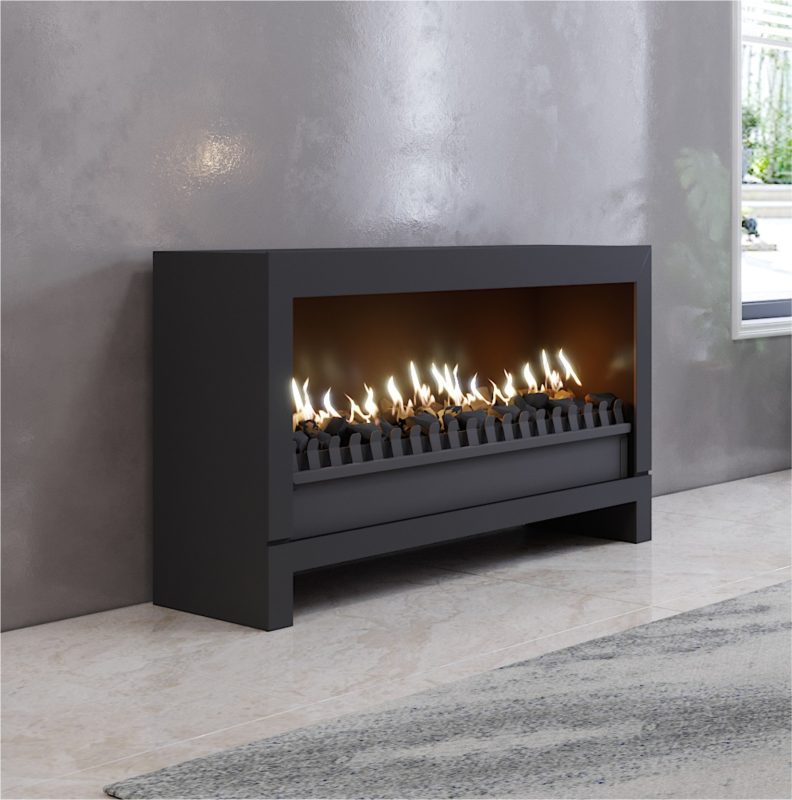
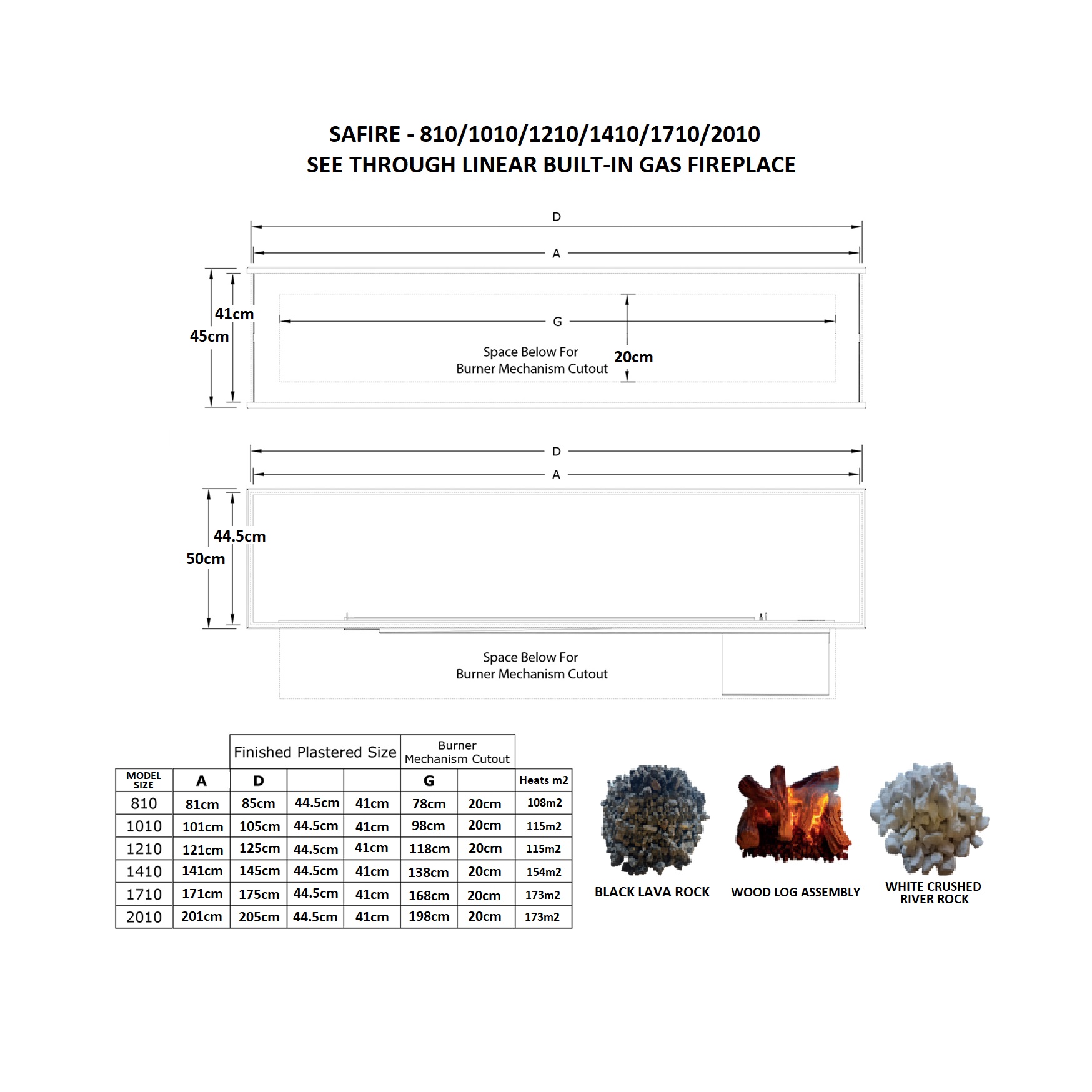
A double sided fire place is a see-through firebox with glazed openings on two sides, typically recessed into a structural or purpose-built wall. The fire burns in the shared centre, radiating heat in both directions. Both rooms share the same flue system — which means one flue run, one chimney register plate, and one installation — making them more cost-effective than two separate fireplaces when you’re already heating adjacent spaces.
Three main fuel types are available:
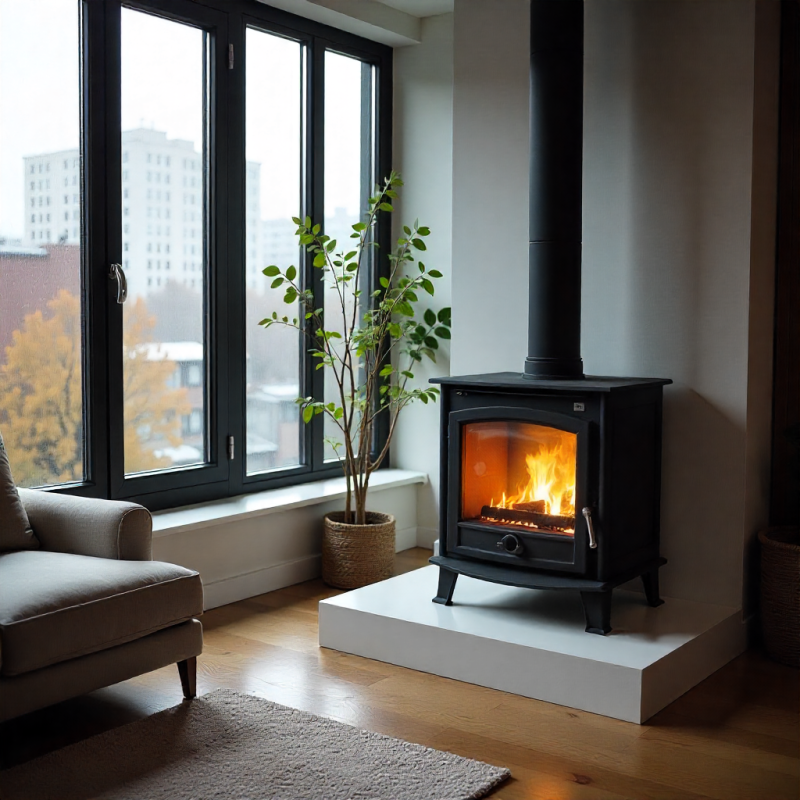
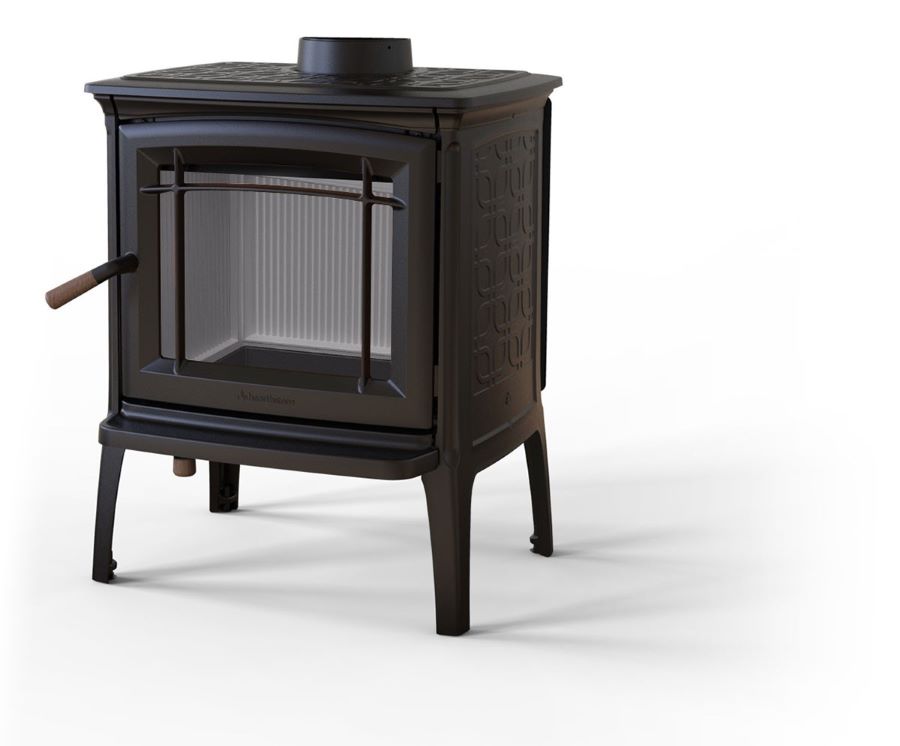
- Wood-burning (closed combustion): Most popular for South African winters. Real flame, strong heat output (typically 10–20kW), and excellent for load-shedding when electricity is out. Requires a proper flue system and wood supply.
- Gas: Cleaner, more controllable, and no firewood logistics. Can be flueless if room ventilation is adequate, though vented gas models look and perform better. Popular in apartments and sectional title where open flues aren’t practical.
- Electric: No flue required and minimal installation, but provides minimal real heat output — better suited as a visual feature than a primary heat source.
For most SA homeowners wanting genuine warmth through winter, wood-burning and gas double-sided units are the working options. Our gas vs wood-burning fireplaces comparison covers running costs and load-shedding performance in detail to help you decide on fuel type.
Double-Sided Fireplace Costs: What Different Budgets Get You in SA
Double-sided units are premium products and priced accordingly. Here is a realistic breakdown across budget levels:
- R30 000–R50 000 (unit only): Entry-level double-sided fireplaces from local distributors or Asian-origin brands. Functional and adequate for standard wall openings up to around 1 000mm wide, but with fewer design options and variable local spare-parts support.
- R50 000–R90 000 (unit only): Mid-range European-origin models offering better glass quality, more precise combustion control, wider opening formats, and stronger after-sales support in South Africa. This is the most common choice for quality residential builds.
- R90 000–R180 000+ (unit only): Top-specification units with frameless glass panels, panoramic three-sided views, remote-controlled dampers, and bespoke surround integration. Common in high-end residential projects and architect-specified renovations.
On top of the unit price, budget R15 000–R35 000 for installation depending on wall structure, flue run length, hearth work, and finishing. Our fireplace installation cost guide explains every line item so there are no surprises.
Is a Double Sided Fire Place Right for Your Home?
The double-sided format excels in specific layouts — and underperforms in others. Here’s how to assess your situation honestly:
Excellent fit:
- Open-plan living and dining areas divided by a half-wall, counter, or column — where the fireplace itself becomes the room divider
- Indoor-outdoor setups: a double-sided unit in an exterior wall lets the living room and a covered patio share the same fire and heat source
- Main bedroom and en-suite combinations where warmth is shared without losing privacy
- Hospitality venues, restaurants, and showrooms where visual drama and ambience are as important as heat
Poor fit:
- Fully enclosed structural walls between rooms — retrofitting a double-sided firebox into an existing loadbearing wall is expensive and structurally complex
- Small rooms on both sides, where a high-output unit would overheat both spaces
- Body corporate or sectional title properties that prohibit solid-fuel appliances
If you’re comparing a double-sided built-in against a standalone unit, our guide on freestanding vs built-in fireplaces walks through the key trade-offs. You can also browse our wider range of fireplaces to see how double-sided units sit within the full category.
Installation: What a Double-Sided Fireplace Actually Requires
A double sided fire place installation is more demanding than a standard single-sided unit. It must be handled by a qualified installer who can issue a Certificate of Compliance (CoC) to SANS 10400-T. Key requirements include:
- Structural support: The firebox is heavy — 150–400kg for larger units — and must rest on a properly engineered hearth or concrete slab, with the surrounding wall capable of carrying the load. Loadbearing wall openings require structural engineer sign-off.
- Flue system: A twin-wall insulated flue is the standard. In coastal Western Cape locations, 304-stainless construction is essential to resist salt-air corrosion. See our flues and flue systems page for available options.
- Air supply: High-output wood-burning double-sided units consume significant combustion air. A dedicated fresh-air duct is often required in well-sealed modern homes.
- Hearth protection: Non-combustible hearth pads are required on both sides of the opening, not just one — factor this into flooring budgets and timelines on both sides of the wall.
- Clearances: Minimum distances to combustible materials must be maintained simultaneously on both openings. A compliant installer calculates these to SANS specification as part of the design process.
Because the wall cavity must be prepared before the unit goes in, double-sided fireplaces work best when planned during the design stage of a new build or renovation. Retrofitting is possible but adds cost. Our professional fireplace installation team assesses wall structure, flue route, and floor loading as part of the quoting process — get a free installation quote to get started. You can also browse our full double-sided fireplace range to see the models we supply and install.
Ongoing Maintenance
A double-sided unit requires the same maintenance as any other closed-combustion fireplace — with the added practical point that both sides of the glass need regular cleaning, so plan for access from each room. Annual chimney sweeping is non-negotiable for safety compliance. Our guide on chimney and flue maintenance covers the full routine. For technical reference, the UK’s HETAS (Heating Equipment Testing and Approval Scheme) publishes solid-fuel appliance maintenance guidance that maps closely to South African SANS requirements.
Frequently Asked Questions About Double-Sided Fireplaces
Can a double sided fire place be retrofitted into an existing wall?
Yes, but it is a significant construction project. The wall must be opened up, reinforced to carry the firebox weight, lined on both faces with non-combustible materials, and a full flue run installed. Loadbearing walls require sign-off from a structural engineer. Budget accordingly — this is not a simple appliance swap.
How much heat does a double-sided fireplace actually produce?
Wood-burning double-sided units typically output 10–25kW depending on firebox size. Gas units range from 4–12kW. Because heat radiates in two directions simultaneously, each room receives roughly half the radiated output — though convected heat distributes more freely through connected open spaces. Size the unit based on the combined floor area of both rooms, not just one.
Do both sides of the fireplace operate at the same time?
Yes — it is a single shared firebox seen from both sides. You cannot heat one room and not the other. This is the defining feature of a double-sided design. If you need independent heat control in two separate rooms, two standalone fireplaces or a zoned gas system gives more flexibility, though at higher total cost.
What is the difference between a double-sided and a multi-sided fireplace?
Double-sided means two open faces — typically front and back. Multi-sided designs include three-sided (peninsula) units that can be seen from three angles, and four-sided (island) designs that float in the middle of a room. All require purpose-built structural support and a flue run that typically rises through the centre of the space. Choosing the right fireplace format for your layout is something our team can advise on during a site visit.