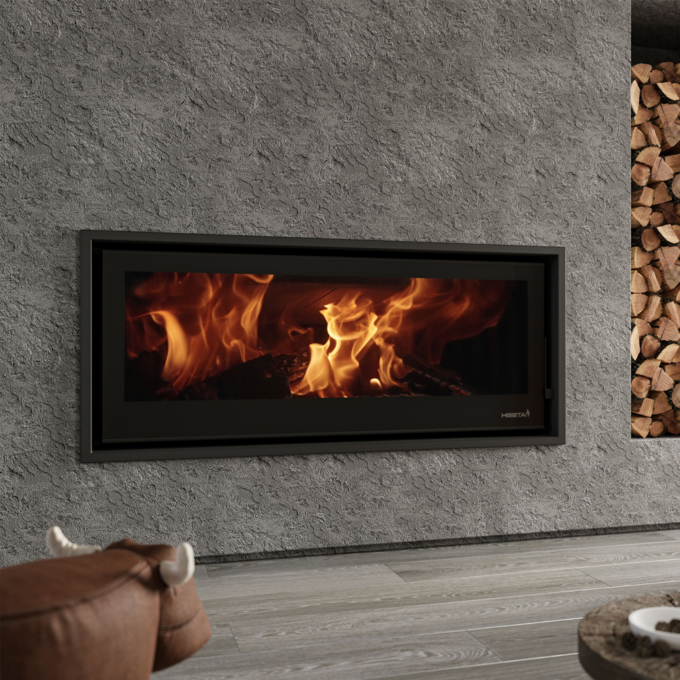

A wall hanging fireplace transforms a flat wall into the focal point of a room — without tearing out floors, building a hearth from scratch, or committing to major structural work. It is one of the most practical ways to add a real fire to a modern South African home, and the market now covers gas, electric, bioethanol, and fully recessed styles that cater to very different budgets and building types.
But not all wall-mounted fires are equal, and picking the wrong style for your home can mean under-heating a room, failing a gas compliance inspection, or ending up with a unit that costs a fortune to run. Before you browse our wall-mounted fireplaces range, here is exactly what separates the four main styles — and which one is likely right for your space.
What Is a Wall Hanging Fireplace?
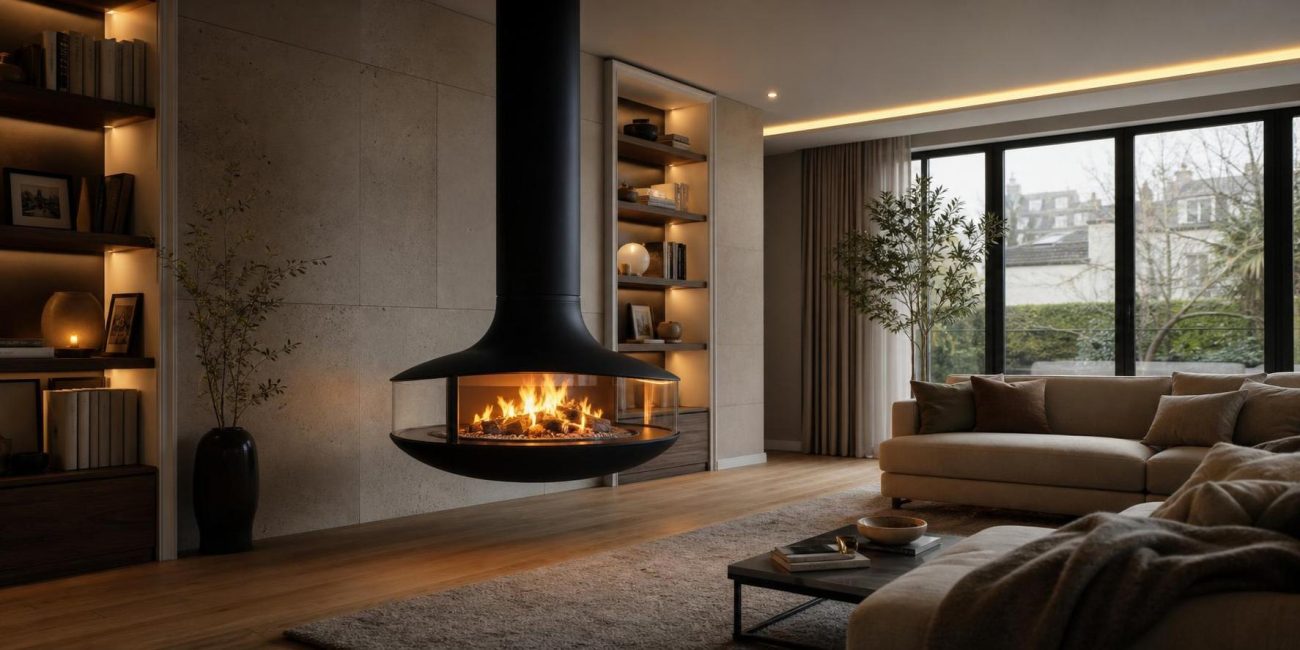
A wall hanging fireplace — also called a wall-mounted fireplace — is any heating unit fixed flat against a wall surface rather than standing on the floor or recessed into the masonry. The unit hangs much like a large television: it protrudes 10–25 cm from the finished wall, runs a concealed balanced flue through the wall behind it (gas models), or needs no flue at all (electric and bioethanol). The flame display sits behind toughened glass and faces directly into the room.
They suit apartments, narrow townhouses, open-plan extensions, and any space where a traditional built-in or freestanding unit would require structural changes that simply are not feasible. If you want to compare wall-hanging models against floor-standing alternatives, our freestanding fireplaces range shows what is possible with a different installation style.
The 4 Wall Hanging Fireplace Styles That Work in SA Homes
South African conditions — load-shedding, coastal humidity, relatively short but cold winters in Cape Town and frost nights on the Highveld — all influence which fuel type performs best for your household. Here is a clear breakdown of each style.
1. Gas Wall Hanging Fireplaces
Gas models are the most popular wall hanging fireplace we install, and the clearest all-rounder for South African conditions. A quality gas wall-hanger delivers instant, controllable heat with a real flame and does not depend on Eskom for ignition — manual valve models light and run through load-shedding without interruption. They look exceptional in both modern and transitional interiors.
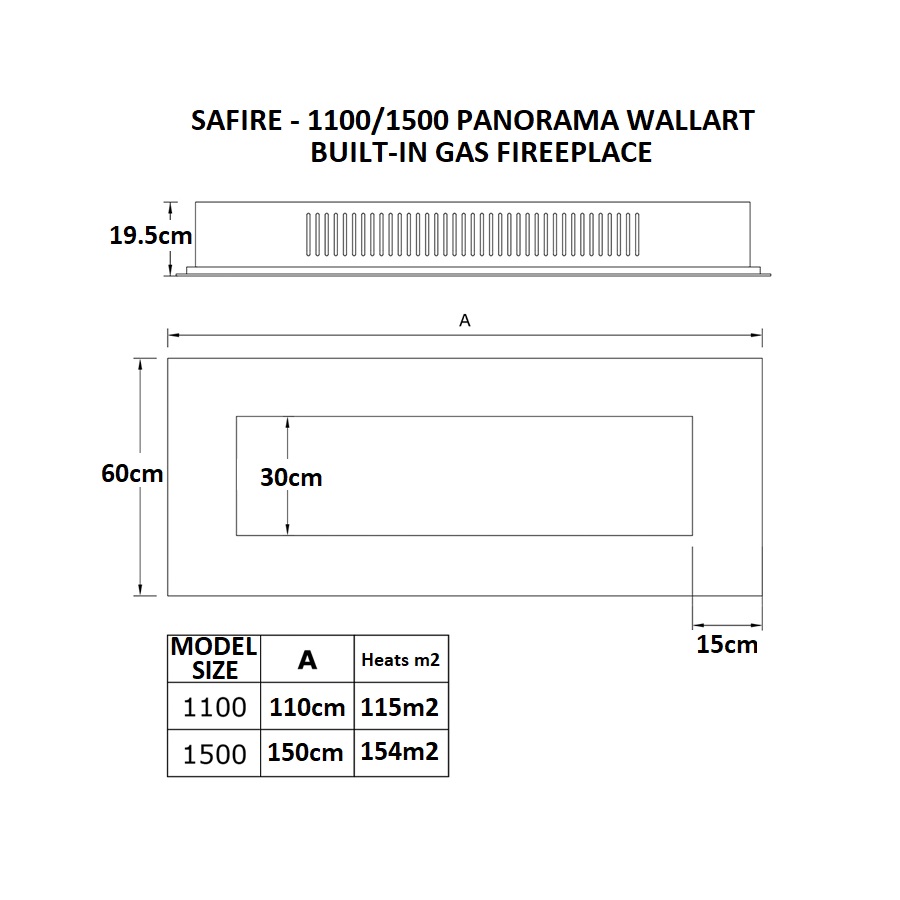
Local brands include SAFire’s Panorama WallArt and Chanterie WallArt series, available in 1100 mm and 1500 mm widths. They run on LPG cylinder or piped natural gas and use a balanced flue — a short horizontal duct that exits through the wall directly behind the unit. No chimney is needed, but a wall penetration is required, and every gas installation must be completed and signed off by a licensed LP gas practitioner. A Certificate of Compliance (CoC) is mandatory under South African gas regulations; any installer who skips it is cutting a dangerous corner.
Coastal buyers should specify 304-grade stainless-steel fittings and body panels. A wall hanging fireplace installed within roughly 5 km of the ocean will face corrosive salt air, and standard mild-steel components will degrade within months. For the full current line-up of models and heat output specs, SAFire’s catalogue is the authoritative starting point: safire.co.za covers the Panorama and Chanterie ranges in detail.
Installed price range: R18,000–R55,000, depending on model width and flue routing complexity.
2. Electric Panel Fireplaces
Electric wall-hanging panels are the simplest to install — they mount on a bracket, plug into a standard 15A outlet, and start immediately at the touch of a button. The flame effect is generated by LED lighting behind a rotating media tray; it looks convincing at a distance but is not real combustion. There is no flue, no gas connection, and no ventilation requirement whatsoever.
In a South African context, electric panels work best as a visual feature in a room that already has a primary heat source — a heat pump, ceiling cassette, or underfloor heating — or as a supplementary heater in a bedroom or study. As a standalone heater during a four-hour load-shedding outage they fail completely. If your intention is to heat a room through Eskom outages, this is not the style for you.
Price range: R3,500–R18,000 for the unit alone, with installation limited to mounting hardware and confirming your outlet rating.
3. Bioethanol Wall Fires
Bioethanol fires burn denatured alcohol, producing a real open flame and genuine radiant heat with zero chimney, flue, or gas connection. They hang on the wall, you fill the burner tray with bioethanol liquid or gel, and the flame burns freely until the fuel is spent.
The installation appeal is obvious; the ongoing running cost is less so. A standard 2-litre burner runs 2–3 hours per fill. At current South African bioethanol prices (approximately R80–R120 per litre), a full winter evening by the fire costs R200–R400 in fuel alone. For occasional ambiance — a feature fire in a dining room or weekend lounge — this can be cost-effective. As a daily primary heater it is one of the most expensive ways to warm a room in this country.
Worth noting: bioethanol combustion produces CO₂ and water vapour, which means adequate ventilation remains important even without a conventional flue. A room with at least one opening window or vent is the minimum requirement.
Price range: R6,000–R22,000 for the unit; fuel is a significant recurring overhead.
4. Recessed Built-In Wall Units
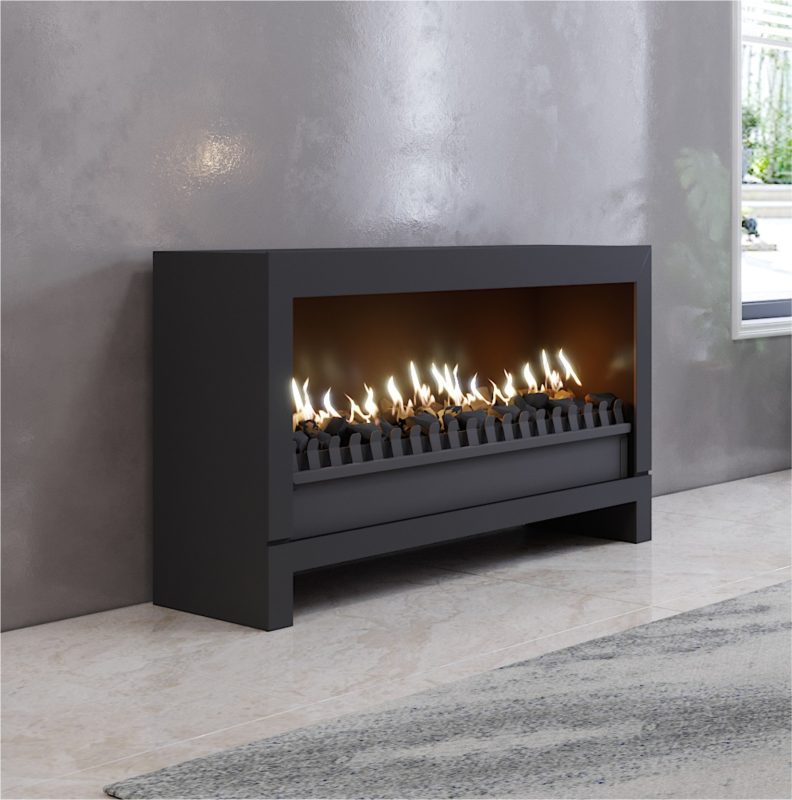
Technically a built-in fireplace rather than a surface-mounted one, a recessed unit earns its place in this comparison because it reads as a wall fire from the front and competes directly with surface-mounted panels in the showroom. A cavity is cut into the wall structure, the unit is mortared in, and the fascia sits flush with the surrounding plaster — a cleaner, more permanent result than any surface-mounted alternative.
Recessed units can be gas or wood-burning and typically deliver more heat output than a slim panel model at a comparable price point. The trade-off is installation complexity: a structural assessment is needed before any wall is cut, and the build cost is meaningfully higher. Our built-in fireplaces range covers the recessed and semi-recessed options in detail. If you are still weighing up the two approaches, the guide to choosing between freestanding and built-in fireplaces walks through exactly when each format makes more sense.
Installed price range: R18,000–R60,000+, depending on wall construction, fuel type, and finish.
What to Confirm Before Mounting Any Wall Hanging Fireplace
Regardless of which style appeals, four questions need clear answers before you spend anything:
Wall construction and load capacity. A gas panel fireplace can weigh 60–80 kg. Solid brick and concrete walls handle this without modification; 90 mm timber-frame or hollow-block walls often need additional noggins or a steel backing plate installed before the unit goes up. Your installer should assess this at the site visit, not after the fireplace arrives on-site.
Flue routing for gas models. Gas wall-hangers use a balanced flue that exits through the exterior wall directly behind the appliance. The shorter and straighter the run, the simpler and more affordable the installation. If your preferred wall position faces an internal room rather than an exterior wall, a longer flue route is possible but adds cost and requires careful planning.
Gas compliance certificate (CoC). South African LP gas regulations require that all gas appliance installations be signed off by a licensed LP gas practitioner with a Certificate of Compliance. Our professional fireplace installation team handles compliance documentation as a standard part of every gas installation — do not accept a gas appliance fitted without it, as it also affects your home insurance cover.
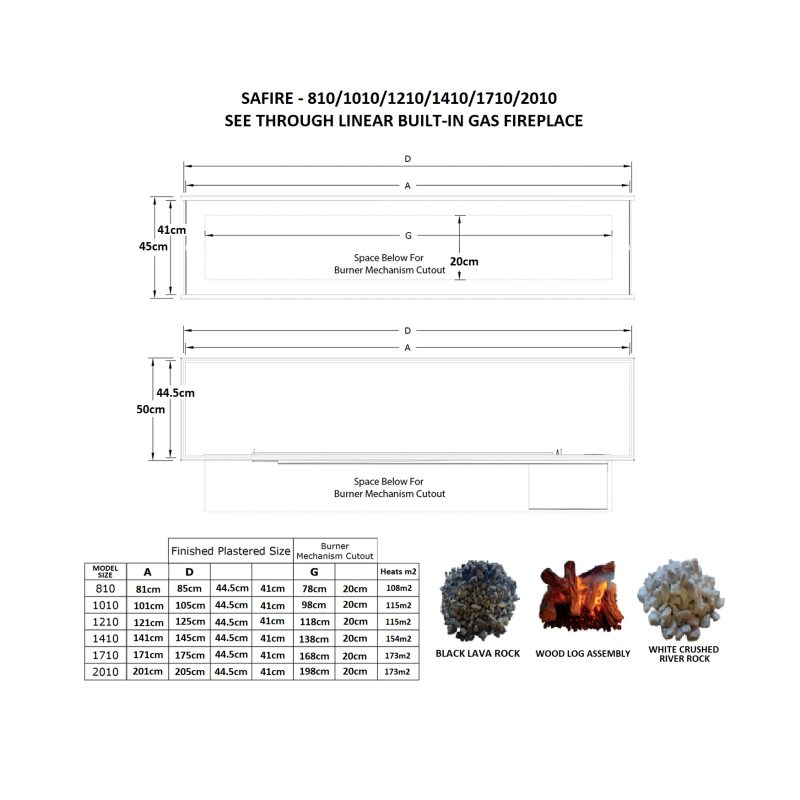
Heat output matched to room size. A 4 kW panel heats approximately 40 m²; an 8 kW unit covers around 80 m². Sizing errors are among the most common and most avoidable mistakes buyers make. Our fireplace installation cost guide covers output sizing, running cost estimates, and what to budget per room type in detail.
Installed Prices at a Glance
Current South African installed costs in Cape Town and Johannesburg:
- Gas wall-hanging fireplace: R18,000–R55,000 installed
- Electric panel fireplace: R4,000–R19,000 installed
- Bioethanol wall fire: R6,500–R23,000 installed
- Recessed built-in fireplace: R18,000–R60,000+ installed
These figures reflect current stock and typical installation quotes from our teams. Actual pricing depends on model specification, wall type, flue length, and whether additional electrical or gas work is required. To get a number specific to your home, request a quote — our installers will assess the wall, confirm the flue route, and recommend the right model for your space and budget.
If you are still deciding between formats, our full fireplace range covers wall-mounted, freestanding, double-sided, and insert models side by side so you can compare everything in one place.
Frequently Asked Questions
How far does a wall hanging fireplace stick out from the wall?
Most surface-mounted gas and electric models protrude 12–25 cm from the finished wall. Slim-panel electric units can be as shallow as 10 cm. Recessed built-in models sit fully flush. If protrusion is a concern — a narrow corridor or a tight room layout — a recessed installation is worth the additional build cost for the cleaner result.
Can I install a wall hanging fireplace in a rented property?
Electric panel models with a surface-mount bracket are the most reversible and typically acceptable to landlords. Gas models require a wall penetration for the balanced flue plus a gas CoC, which means permanent structural changes — most residential leases require written landlord consent before this kind of work proceeds. Bioethanol units with a removable bracket fall somewhere in between; confirm your lease terms and get landlord sign-off before purchasing.
Do I need a CoC for a gas wall hanging fireplace?
Yes, always. South African LP gas regulations (SANS 10087) require a Certificate of Compliance from a licensed LP gas practitioner for any new gas appliance installation. Without it you are in breach of the regulation, your home insurer may decline fire-damage claims related to the appliance, and the installation cannot be legally occupied. Any reputable installer — including our team — provides the CoC as a standard deliverable on every gas job. Treat its absence as a reason to walk away from any quote.
What is the most energy-efficient wall hanging fireplace style for South Africa?
Gas wall-hanging models with a closed combustion chamber and a balanced flue are the most efficient for genuine room heating. They deliver controlled, adjustable output, burn cleanly, and have minimal standby losses compared with open bioethanol burners. For a deeper breakdown of running costs by fireplace type and how to match a fire to your room, our guide on how to choose the perfect fireplace walks through the numbers room by room.
Related reading
- Can You Install a Fireplace in an Existing Home? Yes — Here's How
- Combustion Fireplace Installation: How It Works, Costs & Compliance
- Need it done professionally? See our fireplace installation in Cape Town service.