
For homeowners comparing home fires Worcester options, the right fireplace starts with room size, fuel choice and a safe flue route. Worcester winters bite hard. Sitting inside the Breede River Valley, surrounded by the Hex River Mountains, the town regularly dips to near-freezing on June and July nights — and no amount of extra blankets quite fixes a house that won’t warm up. If you are shopping for home fires in Worcester, you are not alone: thousands of Boland and Western Cape residents search for the right fireplace every year, and the choices can feel overwhelming. This guide cuts through the noise. Below you will find an honest comparison of the main types of fireplaces available in South Africa, real Rand price ranges, sizing advice for typical Worcester rooms, and the questions worth asking before you sign anything.
For general fire safety guidance, the Fire Protection Association of Southern Africa is a useful independent reference.
Why Worcester Homes Benefit from a Dedicated Fireplace
Worcester sits at roughly 700 m above sea level. Average July lows hover around 4 °C, and cold fronts off the Atlantic push overnight temperatures below zero several times each winter. A gas wall heater or a plug-in oil radiator can take the edge off a small room, but neither heats an open-plan living area quickly or cost-effectively. A properly sized, permanently installed fireplace solves the whole problem at once — and adds resale appeal in a market where buyers actively look for heating solutions.
Load-shedding adds another layer of logic. Wood-burning and gas fireplaces run entirely without electricity, so your lounge stays warm whether Eskom is cooperating or not. That independence from the grid is a genuine quality-of-life upgrade for any Worcester household.
Understanding the difference between freestanding and built-in fireplaces is the first decision you need to make — it shapes everything from budget to installation timeline.
Types of Home Fires: What Is Actually Available
Wood-Burning Freestanding Fireplaces
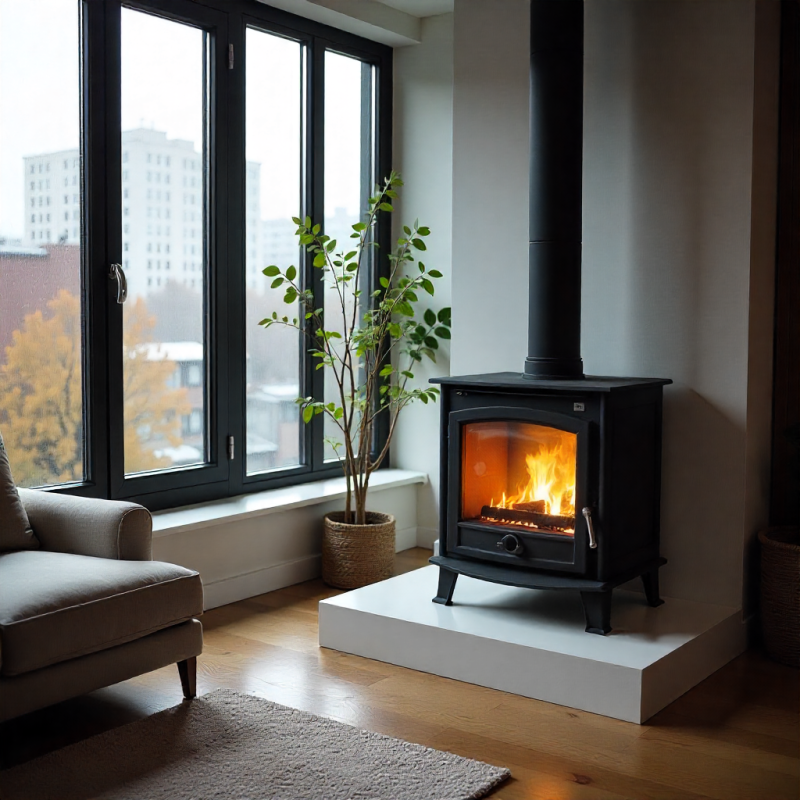
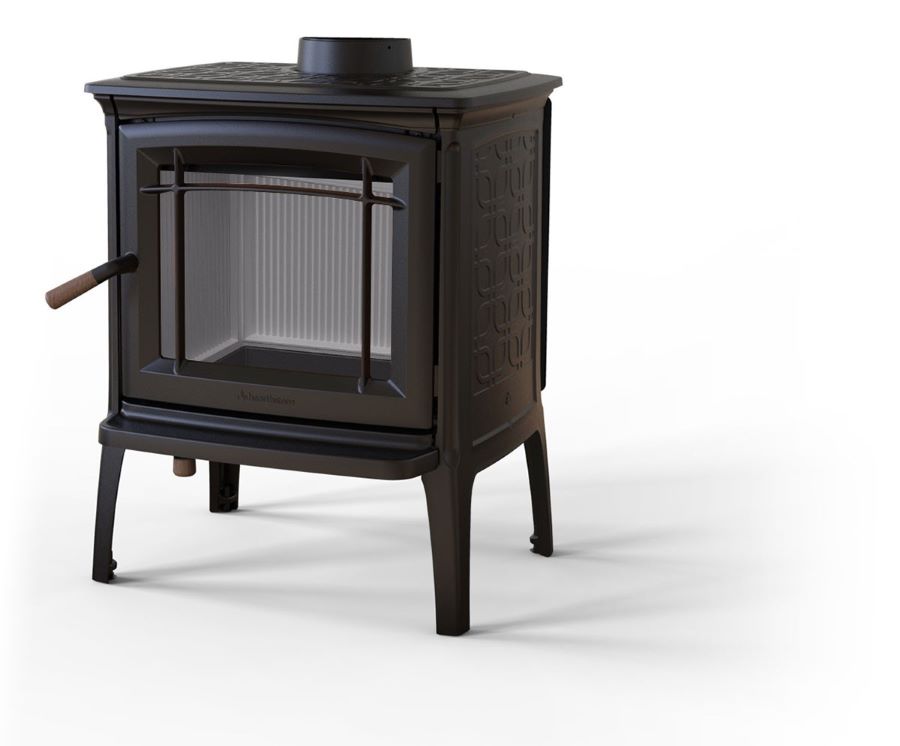
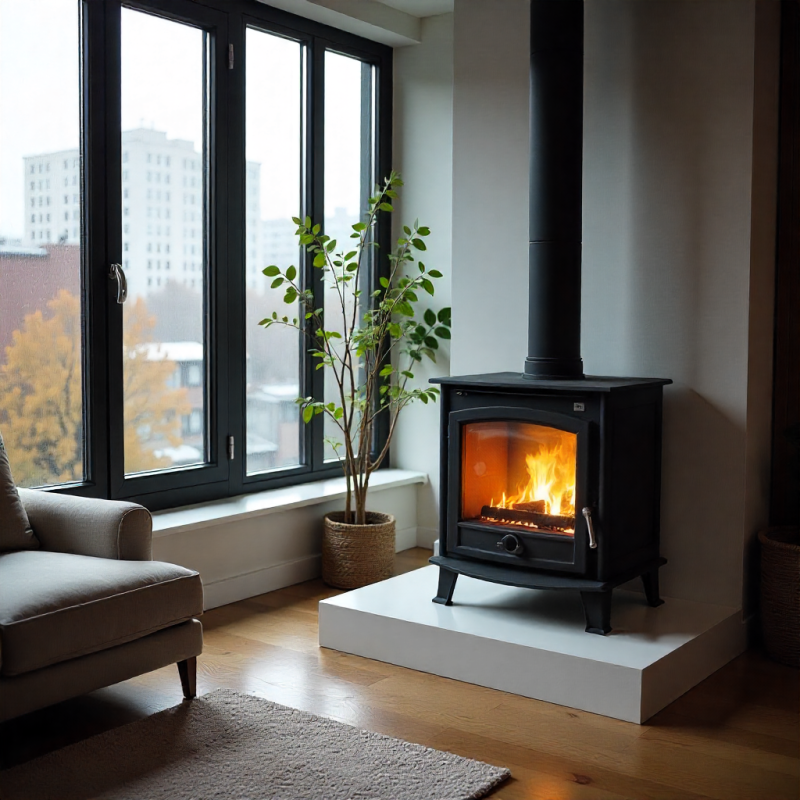
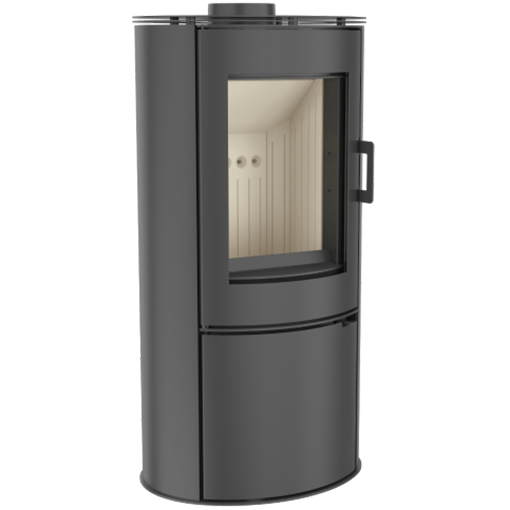
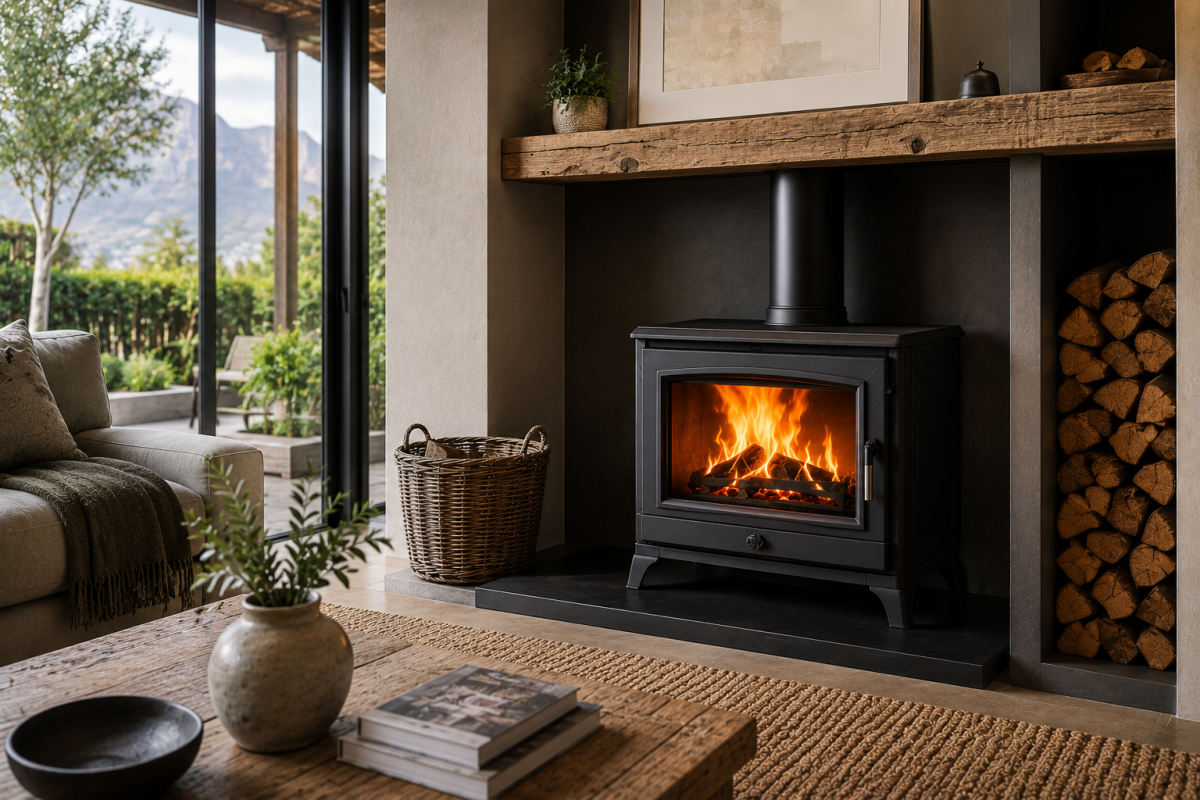
Freestanding wood-burning units are the most popular choice in Worcester and the wider Boland. They stand on legs or a base, connect to a flue pipe that exits through the ceiling or an exterior wall, and can be positioned almost anywhere a flue route exists. Quality models from South African brands such as Hydrofire and international ranges like Kratki use a closed combustion design — a sealed firebox with a controlled air intake — rather than an open fire. The difference matters: closed combustion fireplaces burn up to 70 % more efficiently than traditional open hearths, produce less creosote, and heat a room far more effectively.
Browse our freestanding wood-burning fireplace range to see available output ratings and styles. For a Worcester open-plan lounge of around 40–50 m², you typically need a unit rated at 10–14 kW. Smaller bedrooms or studies are well served by a 6–8 kW model.
Built-In and Insert Fireplaces
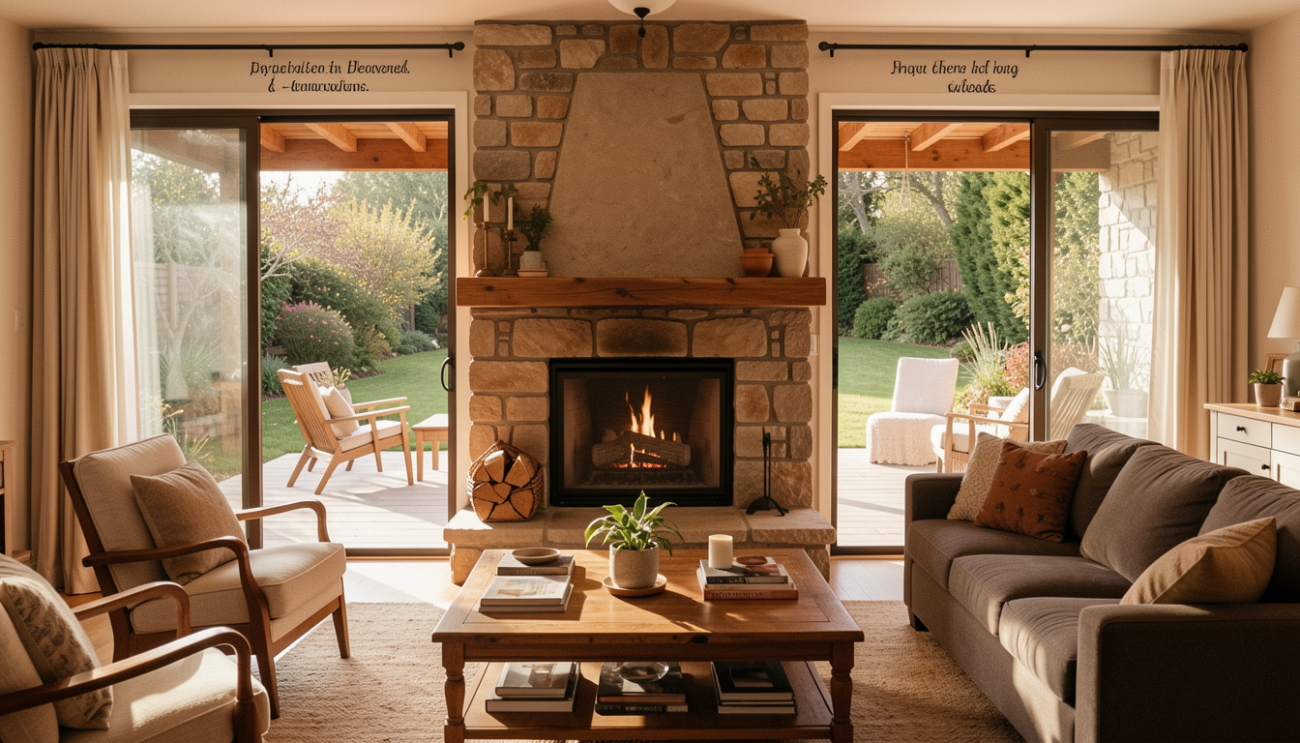
If you have an existing chimney breast or are building a new home, a built-in fireplace creates a cleaner, more architectural look. The unit sits flush with the wall, and the flue runs inside the existing chimney structure or a new twin-wall flue system. Built-in models tend to cost more upfront because installation is more involved — but they add more perceived value to the property and can be more efficient because the firebox is better insulated. Our built-in fireplace collection includes single-sided, double-sided and insert options, so there is a format for most floor plans.
Gas Fireplaces
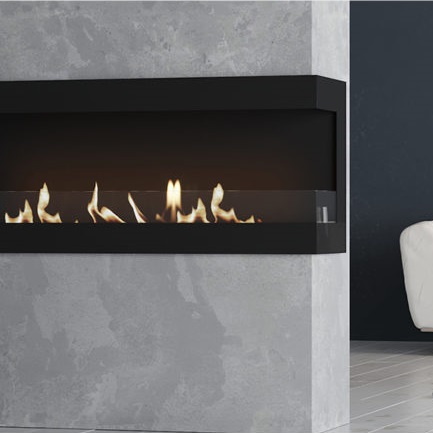
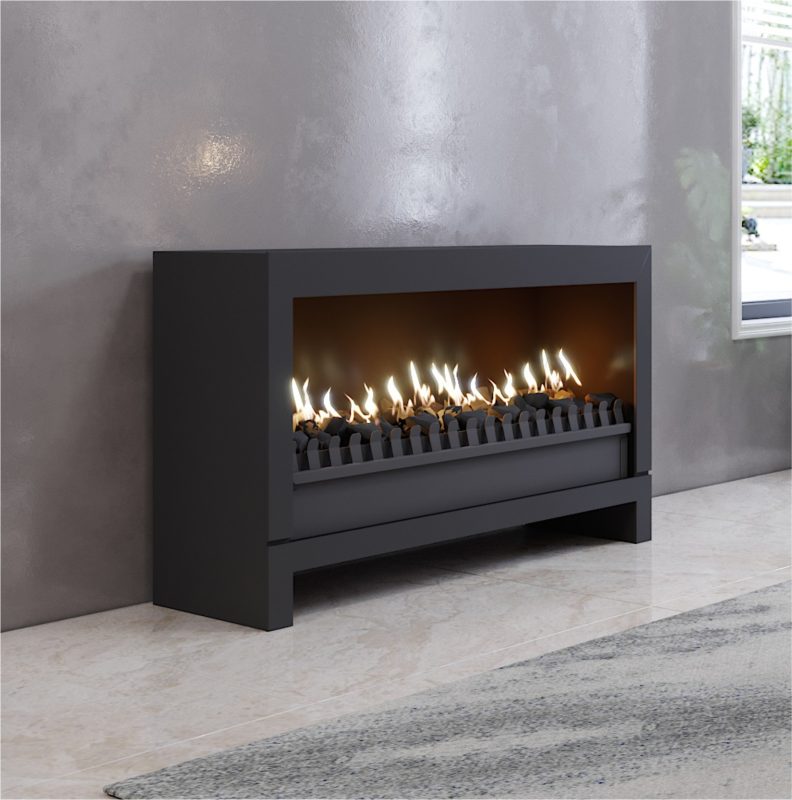
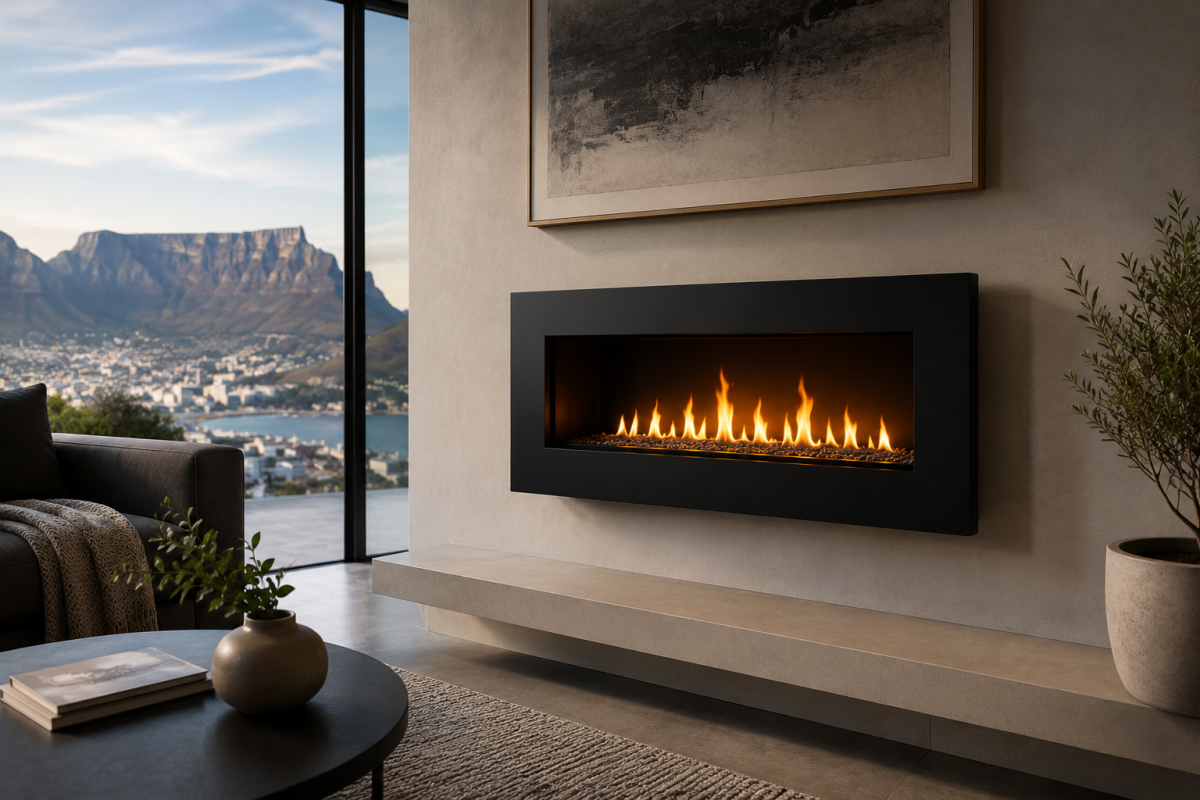
Gas fireplaces are worth serious consideration for Worcester buyers who want instant heat without chopping wood or cleaning ash. You connect them to a standard LP gas supply (a 9 kg or 19 kg cylinder works for most homes), and many models include a remote control or thermostat. The trade-off versus wood is running cost: at current gas prices in South Africa, heating a medium lounge costs roughly R8–R14 per hour of operation, compared to R3–R6 per hour for a well-stocked hardwood fire. For occasional use or as a secondary heat source, gas is extremely convenient. If you are heating a lounge for five or six hours every winter evening, wood is almost always cheaper over a season. Our gas fireplace range covers freestanding, wall-mounted and built-in formats.
Sizing a Fireplace for Your Worcester Home
A common mistake is under-sizing. Buyers focus on price and end up with a 6 kW unit trying to heat 60 m² — it runs flat out all evening and the room never quite gets comfortable. Use this rough guide for insulated Western Cape homes:
- Bedroom or study (15–25 m²): 4–6 kW
- Standard lounge (25–40 m²): 6–10 kW
- Open-plan kitchen/dining/lounge (40–60 m²): 10–14 kW
- Large open-plan space (60 m²+): 14–18 kW or two units
High ceilings, poor insulation, and large glass sliding doors all increase the effective area you need to heat. If your Worcester home has north-facing windows and good ceiling insulation, you can size toward the lower end of each bracket. If it is an older double-brick farmhouse with single-pane windows, size up. When in doubt, talk to an installer — our fireplace installation team can advise on the right output for your specific floor plan before you commit to a purchase.
What to Budget: Realistic Rand Price Ranges
For a complete picture of what installation actually costs, our fireplace installation cost guide breaks down every line item. As a summary for Worcester buyers in mid-2026:
- Entry-level freestanding wood-burning fireplace (supply + basic flue): R8,000–R15,000
- Mid-range closed combustion freestanding (supply + flue + installation): R18,000–R30,000
- Premium freestanding or built-in unit (supply + flue + professional installation): R35,000–R60,000+
- Gas fireplace (supply + gas line + installation): R12,000–R45,000 depending on format
These figures include VAT and a standard single-storey flue run. A double-storey home, a custom chimney breast, or a rural Worcester property where the installer has to travel will add to the total. Always get a written quote that itemises the unit, flue components, installation labour, and any required building work.
Load-Shedding, Fuel and the Practical Reality of Western Cape Winters
One practical advantage of wood and gas fireplaces that often gets overlooked: they do not need electricity to ignite or operate. During load-shedding Stage 4 or Stage 6 (still a reality in 2026), your fireplace keeps running while electric underfloor heating, heat pumps and oil radiators all go dark. For Worcester families with young children or elderly members, that reliability is not a luxury — it is a practical necessity for cold-front nights.
Firewood in the Breede River Valley is generally well-priced, especially if you buy in bulk from a local supplier at the start of autumn. Hardwoods such as rooikrans, sekelbos, and black wattle burn hotter and longer than pine or blue gum and produce less creosote in your flue system. A 304-stainless-steel or twin-wall insulated flue handles the thermal stress of long burn sessions and meets the SANS standards applicable to residential installations in South Africa. Read more about why insulated flues are worth the investment over cheaper single-wall alternatives.
Choosing an Installer in or Near Worcester
Installation quality matters as much as the unit itself. A poorly fitted flue can cause carbon-monoxide risks, poor draw, and accelerated creosote build-up. When evaluating installers, check that they:
- Provide a written, itemised quote
- Use SANS-compliant flue materials (insulated twin-wall for most residential applications)
- Offer a guarantee on both the unit and the installation workmanship
- Handle all required NHBRC or local authority notifications where applicable
Fire Flame Installers serves the Cape Town metro and the wider Western Cape, including Worcester and surrounding Breede River Valley towns. Request a free installation quote and we will assess your space, recommend the right unit size and type, and give you a written, no-obligation price before you commit.
FAQ — Home Fires Worcester
Is a wood-burning fireplace legal in Worcester?
Yes. There are no municipal burning bans in Worcester that prohibit wood-burning fireplaces in residential properties. However, your installation must comply with the National Building Regulations (SANS 10400), which govern flue heights, clearances, and materials. A compliant installation from a qualified installer protects your home insurance policy and passes a council inspection if your property is ever sold.
How long does installation take?
A straightforward freestanding fireplace installation — unit, flue pipe, and cowl on a single-storey home — typically takes one to two days. A built-in fireplace with a new chimney breast, custom plastering, or a double-storey flue run can take three to five days. Your installer will give you a realistic timeline once they have inspected the site.
Can I install a fireplace myself to save money?
In South Africa, DIY fireplace installation is not illegal, but it carries real risk. An improperly sealed flue joint or an under-spec clearance can cause a chimney fire or carbon-monoxide leak. More practically, many insurance companies will reject a claim for fire damage if the installation was not done by a qualified professional. The saving on labour is rarely worth the exposure. Our guide to choosing the right fireplace for your home explains what a good installation actually involves.
What maintenance does a wood-burning fireplace need?
At minimum, have the flue swept once a year — more often if you burn more than four months of the year or use softwood. Regular sweeping removes creosote deposits that can ignite and cause a flue fire. Beyond that, check the door gasket (the rope seal around the glass door) every season and replace it when it starts to compress flat. A well-maintained fireplace lasts 20–30 years without major work. More detail in our chimney and flue maintenance guide.
Ready to take the next step? Get a free fireplace installation quote from Fire Flame Installers — we cover Worcester and the full Western Cape.