
Fireplace Chimney: Types, Prices & Buyer’s Guide (South Africa 2026)
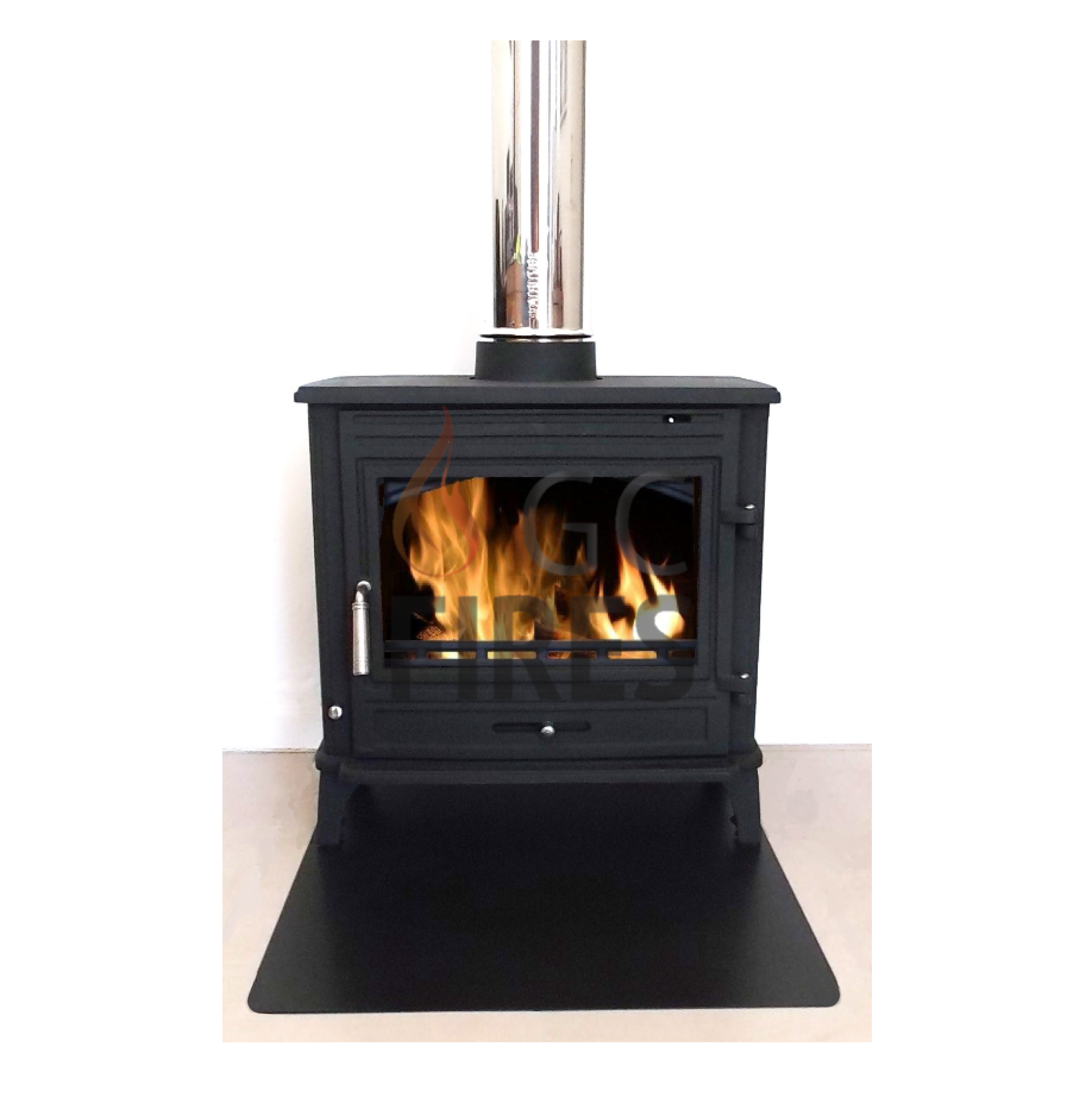
Planning a fireplace installation in South Africa? Your chimney choice is as important as the fireplace itself. This 2026 buyer's guide covers masonry vs prefab flue systems, insulated vs single-wall pipe, real Rand price ranges, and what coastal SA homes need.
Your fireplace chimney is not an afterthought — it is the system that makes the fireplace work. Get it wrong and you get smoke in the room, poor heat output, a fast-building creosote problem, and a potential fire hazard. Get it right and your fireplace draws cleanly, runs efficiently, and needs only an annual service to keep it safe for decades.
South African buyers often focus almost entirely on which fireplace to choose — the look, the brand, the kW output — and underestimate how much the chimney system contributes to the final cost and the long-term performance. This guide covers every chimney type used in SA homes, what they cost in 2026 Rand, and how to choose the right one for your installation. Whether you’re buying a new fireplace or upgrading an existing chimney, here is what you need to know.
The Two Main Types of Fireplace Chimney in South Africa
There are two broad categories of chimney system used in South African residential installations:
1. Masonry Chimneys
A masonry chimney is built on-site from brick or concrete block, usually by a bricklayer working alongside the fireplace installer. The flue runs up through the internal structure of the chimney breast, which is typically plastered or tiled on the interior and finished on the exterior to match the house facade.
Masonry chimneys are most common in traditional homes — particularly older Cape Dutch-style properties, double-storey houses with internal chimneys, and homes where the original open fireplace is being converted to a closed combustion insert. They are more expensive to build from scratch but often the right choice where a chimney needs to be concealed within the wall or roof structure.
Key fact: A masonry flue channel should always be lined — either with a stainless steel liner sleeve or with fire-rated flue liner tiles. Unlined masonry flues are porous, accumulate creosote, and are harder to sweep effectively. Most fireplace manufacturers will not warranty their product installed into an unlined masonry flue.
2. Prefabricated Metal Flue Systems
The most common chimney solution in modern South African fireplace installations is a prefabricated metal flue system — sections of steel pipe joined together and run vertically from the fireplace collar up through the ceiling, roof, and above the ridge line. No bricklaying is required; the flue is assembled on-site from factory-made components.
Metal flue systems come in two variants:
- Single-wall steel flue pipe: A single layer of steel — typically 1.0–1.5 mm mild steel or 304 stainless steel. Lower cost, but the outer surface gets hot (creating a burn risk in accessible areas), it loses more heat than an insulated pipe, and it is more susceptible to condensation and corrosion over time. Suitable for shorter, simpler runs in low-risk areas.
- Twin-wall insulated flue pipe (also called double-wall or insulated flue): Two concentric steel pipes with a mineral wool or air-gap insulation layer between them. The outer surface remains cool to the touch, the draft performance is superior (the insulated inner pipe stays hot, keeping the flue gases rising), and condensation is dramatically reduced. Most fireplace manufacturers specify twin-wall insulated flue for their mid-to-premium range. Read more about why insulated flues are worth the investment and a full breakdown of single-wall vs insulated flues.
Browse our flues and flue systems range for current specifications and pricing.
Masonry vs Metal Prefab: Which Is Right for You?
The choice between a masonry chimney and a prefab metal flue system comes down to your home’s construction, your installation scope, and your budget:
- Existing masonry chimney (older home, renovation): Have it inspected by a professional, confirm the flue channel dimensions and condition, and have a stainless steel liner fitted if one is not already in place. This is often the most cost-effective path — you are using existing structure rather than adding new.
- New build or room addition: A prefab metal flue system is almost always the faster and cheaper route. No bricklayer needed, no structural drying time, and a modern twin-wall system will outperform an unlined masonry flue for efficiency.
- Design requirement (chimney breast as a feature): A masonry chimney breast — plastered, tiled, or face-brick — can be a design feature in itself, and some homes simply suit a traditional chimney breast more than an exposed metal pipe run. In this case, the metal flue still typically runs inside the masonry enclosure.
Fireplace Chimney Price Ranges in South Africa (2026)
Chimney and flue costs in South Africa in 2026:
- Single-wall steel flue system (standard single-storey run, ~3–4 m): R3,000 – R6,000 including components and installation labour.
- Twin-wall insulated flue system (single-storey, ~3–4 m): R6,000 – R12,000. Longer double-storey runs (5–7 m+) can reach R14,000–R18,000 for premium-spec insulated pipe.
- Stainless steel liner for an existing masonry flue: R5,000 – R10,000 depending on liner diameter and length.
- Masonry chimney construction (new-build, single-storey, simple run): R15,000 – R35,000+ depending on height, complexity, and finish (face brick, plaster, tile). This is the most expensive chimney option and is usually only justified when a chimney breast is a deliberate design feature.
- Chimney cowl or cap: R800 – R3,000 fitted, depending on type. A cowl is almost always worth adding — it keeps rain, birds, and wind from entering the flue. See our post on installing a chimney cowl for the options.
For a full breakdown of all fireplace installation costs in South Africa — unit, flue, installation labour, and surround — read our fireplace installation cost guide.
What a Complete Chimney Installation Includes
A professional chimney installation for a freestanding or built-in fireplace typically includes:
- The flue pipe sections (single- or twin-wall, to the required height)
- A support bracket at the ceiling level
- A ceiling rose or decorative trim plate where the pipe penetrates the ceiling
- A fire-rated ceiling plate (a firestop spacer that maintains the required clearance between the hot flue and the ceiling structure)
- A flashing kit where the pipe exits the roof (to create a weathertight seal)
- A storm collar and rain cap or cowl at the top
- The required length of flue pipe above the roofline (minimum 500 mm for most installations, though manufacturer specs vary)
All of this should be installed by a professional fireplace installation team — not because the work is especially dangerous, but because an incorrectly installed flue (wrong clearances, inadequate height above the roof, poor flashing) creates real fire risk and will void your fireplace warranty.
Chimney Height: Why It Matters for Draft
A chimney’s draft — the upward pull of hot gases that draws air into the firebox and keeps your fire burning cleanly — depends on height, temperature differential, and the absence of obstructions. In South Africa, the minimum chimney height above the roofline is typically 500 mm to 1,000 mm depending on the roof pitch and whether there are nearby obstructions (adjacent walls, trees, neighbouring structures). The taller and hotter the flue, the stronger the draft.
Poor draft is the most common cause of a smoky fireplace, and it is frequently a chimney problem rather than a fireplace problem. If you are experiencing a smoky fire in an existing installation, have the chimney height and routing inspected before assuming the fireplace itself is faulty.
Cape Town and Coastal Homes: Material Choices
Cape Town’s coastal environment imposes specific requirements on flue materials. Salt air and coastal humidity accelerate corrosion in mild steel components. For any home within approximately 15 km of the sea — which includes most of Cape Town’s Atlantic Seaboard, False Bay coast, and Winelands valley homes — specifying 304-grade stainless steel for all exposed flue components is the sensible choice. The premium over mild steel is modest in the context of the full installation cost, and the lifespan difference in a salt-air environment is substantial.
Annual maintenance is also more important in coastal environments: salt and moisture accelerate the build-up of deposits in the flue. Build chimney sweeping services into your annual budget — typically R800–R1,500 for a professional inspection and sweep. More detail on what’s involved in our post on cleaning and maintaining your chimney and flue.
Frequently Asked Questions
What is the best type of chimney for a South African home?
For most new South African fireplace installations, a twin-wall insulated prefab metal flue system is the practical best choice: faster to install than masonry, better draft performance than single-wall steel, and no liner required. Masonry chimneys make sense where a chimney breast is a design feature, or where an existing masonry flue is being refurbished.
How much does it cost to install a fireplace chimney in South Africa?
A standard single-storey twin-wall insulated flue system, professionally installed, typically costs R6,000–R12,000 including all components and labour. Single-wall systems start at R3,000–R6,000. Complex double-storey runs, special roof configurations, or masonry chimney construction add significantly to this. Read the full fireplace installation cost guide for an all-in budget breakdown.
How often does a fireplace chimney need cleaning?
In South Africa, an annual chimney sweep is the standard recommendation for a regularly used fireplace — typically before or at the start of each winter season. If you burn unseasoned or resinous wood, or use the fireplace very frequently, a mid-season check is worthwhile. Read about what the professional chimney sweeping process involves so you know what to expect.
Can I install a new fireplace into an existing chimney?
Often yes — but the existing chimney needs to be assessed first. Key checks: the flue channel dimensions (the internal diameter must suit the fireplace’s collar size), the condition of the lining (unlined masonry flues need a stainless steel liner fitted before a closed combustion fireplace is installed), and whether the chimney height meets current minimum requirements. A professional inspection before purchasing the fireplace saves expensive surprises. Browse our freestanding fireplaces to get a sense of collar sizes and specs, and contact us for an assessment.
Talk to a Fireplace Chimney Specialist
Whether you are starting from scratch on a new build, refurbishing an existing chimney, or trying to diagnose a smoking problem, Fire Flame Installers can assess your situation and recommend the right chimney solution. We supply and install complete flue systems — single-wall, twin-wall insulated, and lined masonry — across Cape Town, the Southern Suburbs, Winelands, and surrounds.
Request a free installation quote and we will include a chimney assessment and specification recommendation as part of the process.
Related reading
- Can You Install a Fireplace in an Existing Home? Yes — Here's How
- Combustion Fireplace Installation: How It Works, Costs & Compliance
- Need it done professionally? See our fireplace installation in Cape Town service.
Planning this kind of work?
Call or WhatsApp with your suburb and photographs. Fire Flames can discuss your fireplace, braai or home project and quote.
Get A Quote →