Installing a Chimney Cowl or Cap
Quick answer: if rain falls into your fireplace, birds nest in the stack, or the fire smokes when the wind blows — you need a cowl. A quality cowl or cap costs a few...
Quick answer: if rain falls into your fireplace, birds nest in the stack, or the fire smokes when the wind blows — you need a cowl. A quality cowl or cap costs a few hundred rand plus fitting, and a spark arrestor (R576) is required near thatch. Here is how to pick the right one.
Ever thought about how weather might affect your fireplace? Installing a chimney cowl or cap is key to keeping it safe. This article will show you how to install one and why it’s important. A good chimney cowl keeps your home safe and makes your fireplace work better.

Key Takeaways
- Installing a chimney cowl is vital for your fireplace’s safety.
- Chimney cap installation stops debris and moisture from getting in.
- A chimney cowl improves draft, making your fireplace more efficient.
- It keeps wildlife out of your fireplace.
- Regular checks are needed for your chimney’s protection.
Tell us what you need and we’ll send a free, no-obligation quote — fast.
Request a Free Chimney Sweeping Quote
Need one fitted? See our chimney cowl installation service in Cape Town.
What Is a Chimney Cowl or Cap?
A chimney cowl or cap is a vital cover for your chimney’s top. Knowing what a chimney cowl is helps us see its importance. It keeps rain, snow, and debris out while letting air in. This keeps your chimney working well and lasts longer.
Definition and Purpose
Chimney cowl designs vary to fit different needs. They’re usually made of metal or terracotta. The mesh lets air through but keeps animals and debris out. It’s not just for looks; it helps control airflow and protects the chimney’s inside.
Importance of Capping Your Chimney
Knowing why you need a chimney cap is key. It’s very important, even if your chimney isn’t used. It stops moisture from getting in, which can harm your home. It also keeps pests away, making your fireplace safer and more efficient. Getting a chimney cap is a smart move for your home’s safety and your chimney’s life.
Benefits of Installing a Chimney Cowl or Cap
Installing a chimney cowl or cap brings many benefits. It makes sure your fireplace works well and safely. These caps are not just for looks; they keep your chimney in top shape.
Protection Against Debris and Animals
A good chimney cap keeps debris out. It stops leaves and twigs from clogging the flue. This blockage can make smoke go back into your house.
Chimney caps also keep birds and small animals out. This protects your chimney and keeps it working right.
Water Prevention
Chimney caps stop water from getting in. Without them, rain can damage your chimney. This can cause rust and mold.
By blocking rain and snow, caps keep your chimney strong. They save you from expensive repairs later.
Improved Draft Control
Chimney caps help with better airflow. They make sure smoke and gases go out smoothly. This makes your fireplace more efficient and fun to use.
Fire Prevention
Chimney caps are key for fire safety. Many caps have designs that stop sparks from flying out. This reduces the chance of outdoor fires.
This protection is good for your home and the environment. It’s part of keeping fires under control.

Types of Chimney Cowls and Caps
Understanding the different types of chimney cowls and caps is key to protecting your chimney. Each type has its own purpose and can greatly affect your chimney’s performance and life span.
Metal Chimney Caps
Metal chimney caps are a favorite among homeowners for their strength and effectiveness. Made from materials like stainless steel, they can handle harsh weather. They also keep debris and animals out, ensuring good airflow and adding to your chimney’s look.
C-Cap Chimney Caps
C-Cap chimney caps are made for unused chimneys. They keep out debris and pests while allowing air to flow. They also help prevent moisture buildup, which can damage your chimney over time.
Clay Pepper Pot Caps
Clay pepper pot caps offer a traditional look. They can enhance your home’s style but need careful choice and installation. They are prone to cracking, so regular maintenance is essential to enjoy their benefits without damage.
Static vs. Rotating Cowls
Choosing between static and rotating cowls depends on your airflow needs. Static cowls are good for less windy areas. Rotating cowls actively manage airflow, reducing downdrafts and improving chimney efficiency. Rotating cowls generally offer better ventilation and efficiency.

| Type of Chimney Cap/Cowl | Material | Best For | Advantages | Disadvantages |
|---|---|---|---|---|
| Metal Chimney Caps | Stainless Steel | Active chimneys | Durable, weather-resistant | Costlier than other options |
| C-Cap Chimney Caps | Various metals | Disused chimneys | Improves ventilation, blocks debris | May not suit active fireplaces |
| Clay Pepper Pot Caps | Clay | Traditional aesthetics | Beautiful design | Susceptible to cracks |
| Static Cowls | Metal/plastic | Calm environments | Simple design, low maintenance | Poor performance in windy conditions |
| Rotating Cowls | Metal | Variable climates | Efficient airflow management | More complex installation |
How to Choose the Right Chimney Cowl or Cap
Choosing the right chimney cap is key for good performance and lasting use. Start by assessing your chimney to see what it needs. Look at the type of chimney, its build, and the materials used.
Assessing Your Chimney Type
Knowing your chimney type is important for picking the right cap. For example, a masonry chimney might need a different cap than a metal one. Also, consider the chimney’s height and flue details, as different designs work better with certain setups.
Material Considerations
The material of your chimney cap matters a lot for its effectiveness and durability. You can choose from stainless steel, copper, or aluminum, each with its own benefits. Stainless steel is great because it doesn’t rust or corrode, lasting a long time. Copper is pricier but looks better and gets even more attractive with age.
Size and Fit
Getting the right size and fit for your chimney cap is vital for it to work well. A cap that doesn’t fit right can cause problems like downdrafts or debris inside the chimney. Measure the flue’s diameter and height carefully. This will greatly impact the cap’s performance. Always check the manufacturer’s guidelines to make sure you get the right size.

| Material | Durability | Maintenance Needs |
|---|---|---|
| Stainless Steel | High | Low |
| Copper | Very High | Moderate |
| Aluminum | Moderate | Medium |
Preparing for Installation
Before starting the installation of a chimney cowl or cap, it’s important to prepare well. Get all the tools you need and take safety steps for chimney work. This makes the process easier and safer.
Gathering Necessary Tools
Having the right tools for installation is key. Make sure you have these items ready:
- Ladder
- Measuring tape
- Screws
- Screwdriver
- Sealant
- Protective gear (gloves and goggles)
Safety Precautions
When working on chimneys, safety comes first. Follow these safety measures for chimney work:
- Ensure the ladder is stable and secure.
- Wear protective gear at all times.
- Use a harness if the chimney is hard to reach.
- Check weather conditions to avoid slippery surfaces.

Installing a Chimney Cowl or Cap
Installing a chimney cap needs careful attention at every step. By following the right steps, you can make sure it fits well. This improves your chimney’s function and keeps it safe from the weather.
Step-by-Step Installation Process
To install a chimney cap right, follow these installing chimney cap steps:
- Measure the chimney opening accurately, as precision is critical.
- Prepare the cap according to the manufacturer’s instructions.
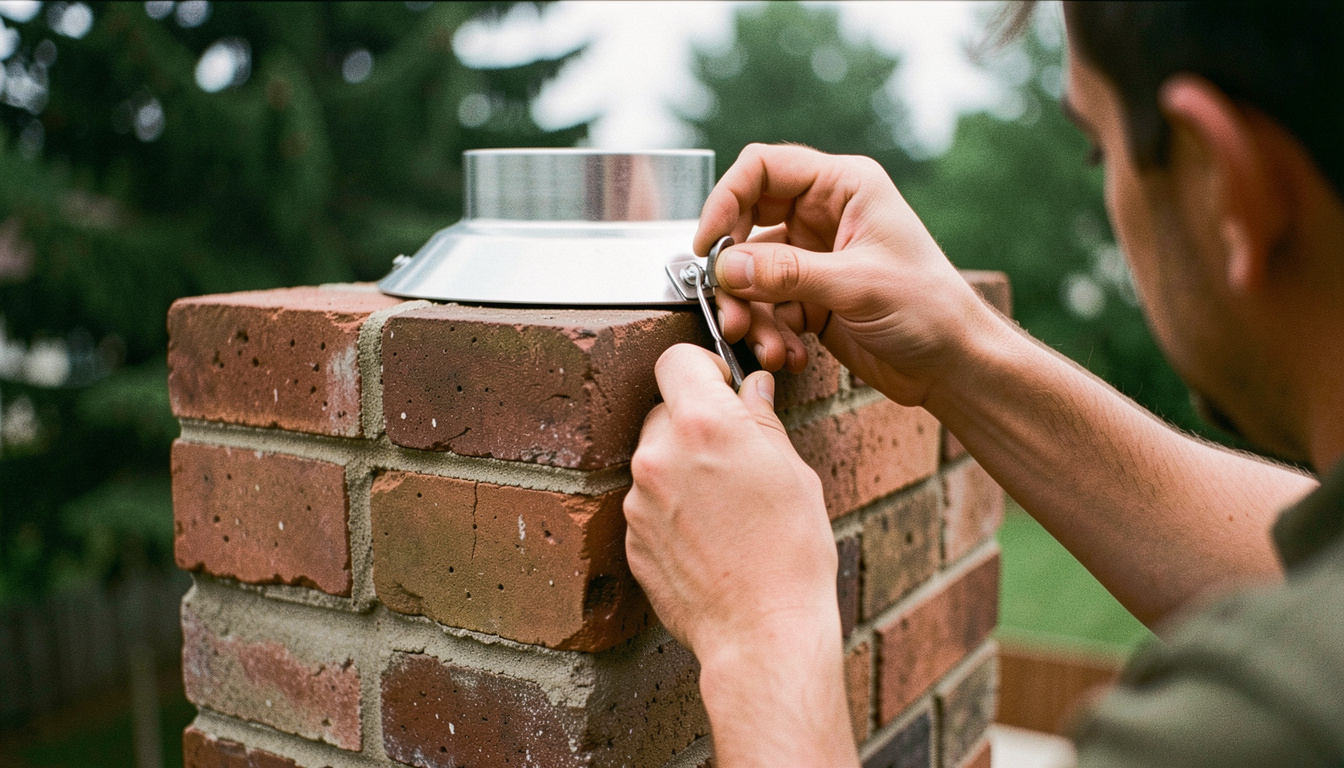
- Securely attach the cap over the chimney using screws or brackets.
- Ensure all components are tightly fastened to prevent loosening over time.
Checking the Fit and Stability
After installing, do thorough fit and stability checks. Make sure there are no gaps for water or debris. A little shake will check if it’s stable. A well-installed cap keeps your fireplace safe and working well.

Maintenance of Your Chimney Cowl or Cap
Keeping your chimney cowl or cap in good shape is key. It ensures they work well and last long. Regular care helps avoid expensive fixes and keeps you safe. Make sure to check the cap, clean the cowl, and watch for wear signs.
Regular Inspections
It’s important to check your chimney cowl or cap often. Look for dirt, damage, or weak spots. A good check-up keeps your chimney clear and working right.
Cleaning and Repairs
Cleaning your chimney cowl is part of good maintenance. Do this at least once a year, after bad weather. Watch for rust, cracks, or looseness. Fixing these problems quickly keeps your chimney running well.
Signs of Wear and Replacement
Pay attention to wear signs on your chimney. Look for peeling paint, rust, or cracks. If you see damage or a lot of wear, it’s time to replace your cap or cowl. This keeps your fireplace safe and working well.

Common Mistakes to Avoid When Installing a Chimney Cowl or Cap
When you’re installing a chimney cowl or cap, it’s key to avoid common mistakes. Not taking the right steps can lead to bad installations and even danger. Here are some tips to help you do it right.
Improper Measurements
Measuring the chimney cap wrong is a common error. Getting the measurements right is vital for a good fit. A cap that doesn’t fit right can let water and debris in, which is bad for your chimney.
Always double-check your measurements before buying. This ensures the cap will fit perfectly.
Neglecting Safety or Installation Guidelines
Always put safety first when working on your chimney. Ignoring safety rules can lead to serious injuries, like falls from heights. Wear the right safety gear, like helmets and harnesses, if you’re on a roof.
Following the manufacturer’s instructions is also important. It helps you install safely and effectively.

Professional Installation vs. DIY
Choosing between professional chimney installation and a DIY chimney cap affects your chimney’s safety and efficiency. Each option has its benefits and situations where one is better than the other. Knowing these options helps you make the best choice for your home.
Benefits of Hiring a Professional
Hiring a professional for chimney cap installation has many advantages. Professionals have the experience needed to follow safety standards. They can handle complex chimney shapes and tricky access points safely.
Also, professionals save you time and stress. They handle the whole project from start to finish.
When to Consider DIY Installation
DIY chimney cap installation is good if you have basic skills and the job seems simple. It’s suitable for standard chimneys without big obstacles. But, think about your comfort with tools and the installation process first.

| Aspect | Professional Installation | DIY Chimney Cap |
|---|---|---|
| Expertise | High | Varies |
| Time Investment | Low | High |
| Cost | Higher initial expense | Lower initial expense |
| Safety | Professionally managed | Potential risks |
| Access to Tools | Well-equipped | Depends on personal inventory |
Understanding Chimney Ventilation Needs
Proper chimney ventilation is key for your fireplace’s efficiency and safety. It ensures smoke and gases are removed effectively. This makes your fireplace use safer and more enjoyable.
Importance of Proper Airflow
Good airflow in your chimney is vital for your fireplace’s performance. It helps air move well, which is important for burning fuel efficiently. Without it, smoke can get into your home, making it less comfortable and less safe.
Effects of Downdrafts on Performance
Downdrafts can really affect your chimney’s performance. They happen when wind or temperature changes push air down the chimney, bringing smoke back inside. Knowing how downdrafts work helps you choose the right chimney caps or cowls. This way, you can avoid dangerous situations like carbon monoxide buildup.

Environmental Considerations When Installing
When you install a chimney, many environmental factors are important. These factors help make sure the chimney lasts long and is safe. You should think about the weather in your area. This affects what materials you should use for your chimney cap.
Weather Patterns and Material Selection
It’s key to know how weather affects your chimney cap. In windy places, you need strong materials to avoid damage. Places with a lot of rain need materials that don’t rust or decay. So, check the weather in your area before choosing your chimney cap.
Building Codes and Regulations in South Africa
Knowing South Africa’s building codes is important for your chimney project. These codes help keep everyone safe and protect the environment. You must make sure your materials and how you install them follow these rules. Some codes might say how tall your chimney should be or what size the flue should be.
| Consideration | Impact on Installation |
|---|---|
| Weather Patterns | Influences material choice, affects cap durability and performance. |
| Humidity | Requires moisture-resistant materials for longevity. |
| Wind Conditions | Demands stronger materials to prevent structural damage. |
| South Africa Building Codes | Ensures compliance with safety and environmental regulations. |
Conclusion
Installing a chimney cowl or cap is key for better fireplace safety and efficiency. These structures protect against rain, debris, and animals. They also help your chimney work better.
Choosing the right cowl or cap and following installation tips are important. Regular maintenance also helps. This way, you can avoid costly repairs and keep your family safe.
Investing in a chimney cap is good for your home’s safety and warmth. It makes your fireplace safer and more efficient for years. Your effort now will pay off in the long run.
FAQ
Q: What are the benefits of chimney cowls and how do they protect your home?
A: Chimney cowls are designed to keep rain, nests, and animals out of the chimney flue, reducing the risk of blockages that can force smoke back into a fireplace or stove. A good rain cap or anti-downdraught cowl also helps prevent downdraughts that lower efficiency of your chimney and can reduce the likelihood of chimney fires by keeping sparks and embers contained.
Q: How do I choose the best chimney cowl or cap a chimney for a wood burner or wood burning stove?
A: When choosing the best chimney cowls, consider cowls come in various materials and designs—stainless steel, galvanised, or cast iron—and match the cowl to your chimney flue and stove type. Select a cowl that fits the chimney pot or top of the chimney, offers a good seal against rain, and suits the draft needs of your wood burning stoves or wood burner to protect your home and improve chimney performance.
Q: What are the common types of chimney caps and how do they differ?
A: Types of chimney caps include mesh spark arrestors, rain caps, anti-downdraught cowls, and rotating cowls. Spark arrestor caps prevent embers escaping, rain caps prevent water entering the chimney, and rotating or anti-downdraught cowls improve draft and reduce backflow. Choose a type based on whether you need to prevent nests, reduce downdraught, or increase the efficiency of your chimney.
Q: Can I install a chimney cap myself or should I get professional chimney cap installation?
A: You can install a simple rain cap yourself if you’re comfortable working on a roof, but effective installation for complex cowls—especially around a chimney pot or tall top of a chimney—is best done by a professional. Professionals ensure the cowl is correctly sized to the chimney flue, securely fixed to avoid being dislodged, and that entering your chimney is avoided except by a qualified technician.
Q: What installation tips help ensure a long-lasting chimney cap and improved chimney performance?
A: Installation tips include measuring the chimney flue or chimney pot accurately, using corrosion-resistant fixings, sealing any gaps around the base to prevent rain entry, and ensuring the cowl is placed at the top of a chimney to allow free airflow. Proper alignment and secure fastening will protect against wind damage and improve the efficiency of your fireplace or stove.
Q: How do chimney cowls on the market vary in effectiveness for preventing nests or animals entering the chimney?
A: Chimney cowls on the market vary by mesh size, coverage, and design—mesh spark arrestors and full-coverage caps are most effective at preventing birds or squirrels from creating a nest inside the flue. For persistent animal entry, choose a cap that completely covers the chimney pot opening while allowing adequate airflow for wood burner or stove operation.
Q: Will adding a cowl a chimney reduce the risk of chimney fires or other hazards?
A: Yes—by preventing birds, nests, and debris from accumulating in the chimney flue, and by stopping rain that can cause creosote buildup, a well-chosen and properly installed cowl helps in reducing the risk of chimney fires. Additionally, spark-arresting caps reduce the chance of embers escaping and igniting surrounding materials.
Q: How do anti-downdraught cowls work and when should I consider one for my stove?
A: Anti-downdraught cowls work by deflecting winds that would otherwise push smoke back down the chimney, improving draft and stability for burning stoves or a wood burner. Consider one if you experience frequent smoke entering your fireplace or stove, or if your property is in a windy location that causes regular downdraught issues.
Q: What maintenance should I perform after you get your chimney cap installed to ensure ongoing protection?
A: After installation, periodically inspect the cap for corrosion, loose fixings, or blockages from leaves and nests. Schedule regular chimney sweeping to remove creosote from the chimney flue, and check that the cap remains correctly positioned on the chimney pot or top of the chimney to continue protecting your home and maintaining chimney performance.
Rather have it done properly? Fire Flame installs wood, gas and built-in fireplaces across Cape Town — transparent pricing, compliant workmanship and same-day quotes. See our professional fireplace installers service.
Related reading
Planning this kind of work?
Call or WhatsApp with your suburb and photographs. Fire Flames can discuss your fireplace, braai or home project and quote.
Get A Quote →