
Screed Flooring: Self Levelling Screed and Levelling a Floor
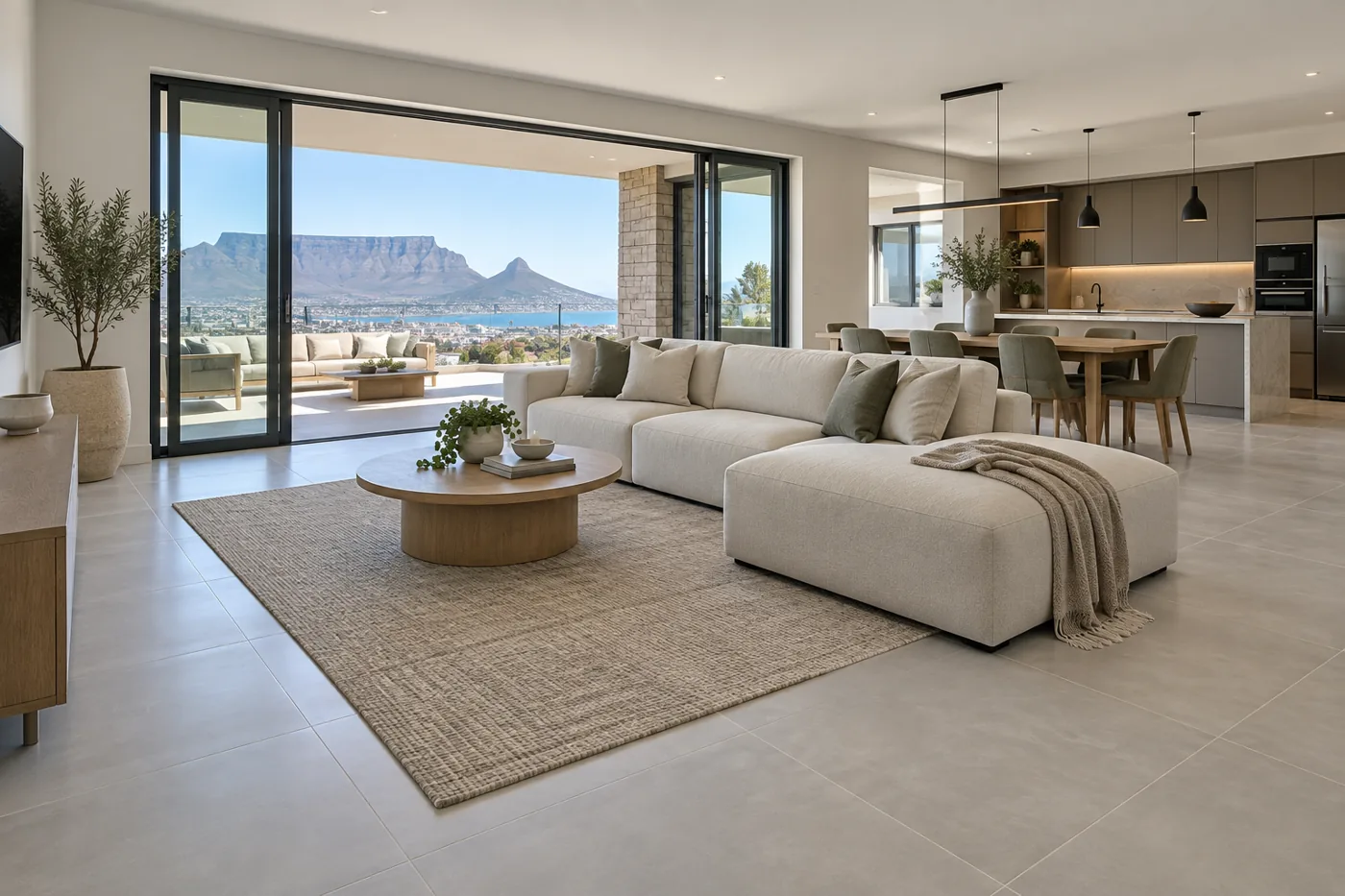
A new floor is only as flat as the base under it. Here is what a floor screed does, when a thin self levelling screed is enough, why drying time matters, and how our team gets a floor ready for tiles, vinyl or laminate.
Quick answer
A floor screed is a layer of sand and cement, or a ready-made levelling compound, laid over a concrete slab to give a flat, level surface for the final floor. Use a traditional sand and cement screed to fix big dips, build up height or create falls. Use a thin self levelling screed when the floor is already sound and only needs a smooth, flat finish for vinyl, laminate or large tiles. Either way, the screed must dry properly before the floor goes down, and how long that takes depends on thickness and weather.
Most flooring problems start underneath. Tiles that rock or crack, vinyl that shows every bump, and laminate that creaks and bounces usually point to a base that was not flat or not dry.
Screed flooring is the step that sorts this out. Below, our team explains the different types of screed, how to tell if your floor needs levelling, and what a proper job looks like from start to finish.
What Screed Flooring Does
A concrete slab is rarely flat enough to take a new floor on its own. Screed sits between the slab and the final floor and does a few jobs at once.
Makes it flat
It fills dips and high spots so tiles sit evenly and thin floors do not show every bump.
Sets the height
It brings the floor up to the right level, for example to line up with the next room or a door threshold.
Creates a fall
In showers, wet rooms and on patios, screed is shaped with a slight slope so water runs to the drain.
Covers services
It can cover underfloor heating pipes or cables so they are protected under the finished floor.
Some homeowners also choose a sealed or polished cement screed as the finished floor itself. That is a decorative finish with its own process. This guide is about screed as the base under tiles, vinyl and laminate.
Does Your Floor Need Levelling?
Levelling a floor is not always needed, but it is common in older homes and where old flooring has been lifted. Check for these signs.
Signs your floor needs work
- ✓A long straight edge rocks on the floor or shows gaps underneath it
- ✓A marble or ball rolls to one side of the room
- ✓Old tile adhesive, glue or patches leave ridges and holes
- ✓The floor dips near doorways or along the walls
- ✓Two rooms meet at different heights
- ✓There are cracks or loose, hollow sounding patches in the slab
Thin floors such as vinyl planks and laminate need the flattest base of all, because they follow the shape of what is under them. Large format tiles are also fussy, as a small dip under a big tile leads to lippage and cracks.
Floor Screed vs Self Levelling Screed
These two names are often used as if they mean the same thing. They do not, and choosing the wrong one is a common mistake.
| Sand and cement screed | Self levelling screed | |
|---|---|---|
| Best for | Big dips, building up height, falls in wet areas | Smoothing a sound floor that is close to level |
| Thickness | Thicker layer | Thin layer, within the product limits |
| How it is laid | Spread and levelled by hand with screed rails and a straight edge | Mixed runny, poured and spread so it finds its own level |
| Drying | Slower, needs time to dry out | Faster to walk on, still needs drying before some floors |
| Good under | Tiles, and as a base layer for other floors | Vinyl, laminate, large tiles |
A self levelling screed will not fix a weak or cracked slab, and it should not be poured thicker than the maker allows. If the floor has big dips, a sand and cement screed often goes down first, with a thin self levelling layer on top only where a very smooth finish is needed.
How Long Screed Flooring Takes to Dry
This is where many floors go wrong. A screed can feel hard enough to walk on long before it is dry enough for the final floor.
- Thickness. A thicker screed holds more water and takes much longer to dry than a thin one.
- Weather. Cold, damp winter weather slows drying right down. Warm, dry days speed it up.
- Air flow. A closed-up room dries slowly. Steady ventilation helps, but strong wind or direct sun on fresh screed can make it crack.
- The final floor. Tiles can often go down sooner than vinyl, laminate or wood, which trap moisture and can lift, bubble or swell if the screed is still damp.
Because drying time depends on thickness and weather, we do not work to a fixed number of days. Before moisture-sensitive floors go down, the screed is checked for moisture, and the flooring maker’s limits are followed. In a wet Cape Town winter, expect it to take longer than in summer.
How Our Team Lays a Floor Screed
Check the slab
We look for cracks, damp, hollow spots and the overall level, and agree the finished floor height with you.
Strip and clean
Old flooring, adhesive and loose material come off, and the slab is cleaned so the screed can bond.
Repair and prime
Cracks and holes are repaired, and a bonding primer is applied where the system needs it.
Set the levels
Levels are marked across the room, with falls to drains in wet areas.
Lay and finish
The screed is laid, compacted and finished flat, or a self levelling screed is poured and spread.
Cure and check
The screed is protected while it cures, then checked with a straight edge and for moisture before the floor goes down.
Screed is part of our floor tiling Cape Town service, so the same team that levels the floor also lays the tiles or vinyl on top. Where a floor is part of a bigger project, we can include it in your home renovations Cape Town plans.
⚠ Safety first
Cement and levelling compounds can burn skin and the dust irritates the lungs. Wear gloves, eye protection and a dust mask when mixing, and keep children and pets out of the room until the screed has set. Bags of screed are heavy, so lift with care or get help.
Common Screed Flooring Problems
A badly laid screed shows itself in the floor above it. These are the problems we are called out to most.
| Problem | What it looks like | Usual cause |
|---|---|---|
| Hollow screed | Drummy sound when tapped, tiles cracking above | Poor bond to the slab |
| Cracking | Fine or wide cracks across the screed | Drying too fast, too thin, or movement in the slab |
| Dusty surface | Powder comes off when brushed | Weak mix or too much water |
| Damp under the floor | Vinyl lifting, laminate swelling | Screed not dry, or rising damp |
| Uneven floor | Lippage between tiles, bumps under vinyl | Levels not set or checked |
Small shrinkage cracks can often be repaired before flooring goes down. Wide cracks, cracks with a step in level, or cracks that keep growing may point to movement in the slab, and an engineer should check them before any new screed is laid. Damp coming up through the floor in older homes also needs to be fixed at the source first. For smaller floor repairs and patching around the house, our handyman services Cape Town team can help.
Getting the Order of Work Right
Screeding is messy and wet, so it fits early in a renovation. A good order for most rooms looks like this.
- Fix any plumbing, electrical or damp problems under the floor.
- Lay and cure the screed.
- Do messy wall work and house painting Cape Town jobs before thin floors such as vinyl or laminate go down.
- Lay the final floor, then fit skirtings and trims.
Tiled floors are sometimes laid before the final coat of paint instead, so the order can change from job to job. You can see the rest of our services if your project covers more than the floor.
Planning new tiles, vinyl or laminate and not sure if your floor is level enough? Send us a few photos of the floor, with a straight edge lying on it if you have one, and our team will tell you what it needs. You can also book flooring installation online for a site visit and a written quote.
Screed Flooring: Common Questions
How thick should a floor screed be?
It depends on the type of screed, whether it is bonded to the slab and what it needs to correct. A traditional sand and cement screed is laid thicker than a self levelling screed, which is a thin layer. The product maker sets the limits, and our team works within them.
Can I lay tiles directly on a concrete slab?
Yes, if the slab is sound, clean and flat enough. Many slabs are not, especially in older homes or after old flooring has been removed. In that case, the floor is screeded or levelled first.
Is self levelling screed strong enough for tiles?
A good quality self levelling screed laid on a sound base can take tiles, as long as it is within the thickness the maker allows and has dried properly. It is not a fix for a weak or cracked slab.
How long before I can walk on new screed?
Light foot traffic is often possible within a day or two, and some self levelling products sooner. That is not the same as being dry enough for the final floor, which can take much longer depending on thickness and weather.
Why is my new vinyl floor lifting?
Common causes are a screed that was still damp when the vinyl went down, rising damp in the slab, or a base that was not clean or flat. The cause should be found before the floor is relaid.
Planning this kind of work?
Call or WhatsApp with your suburb and photographs. Fire Flames can discuss your fireplace, braai or home project and quote.
Get A Quote →