
Outdoor Tiling: Non Slip Patio Tiles and Tiling Exterior Walls
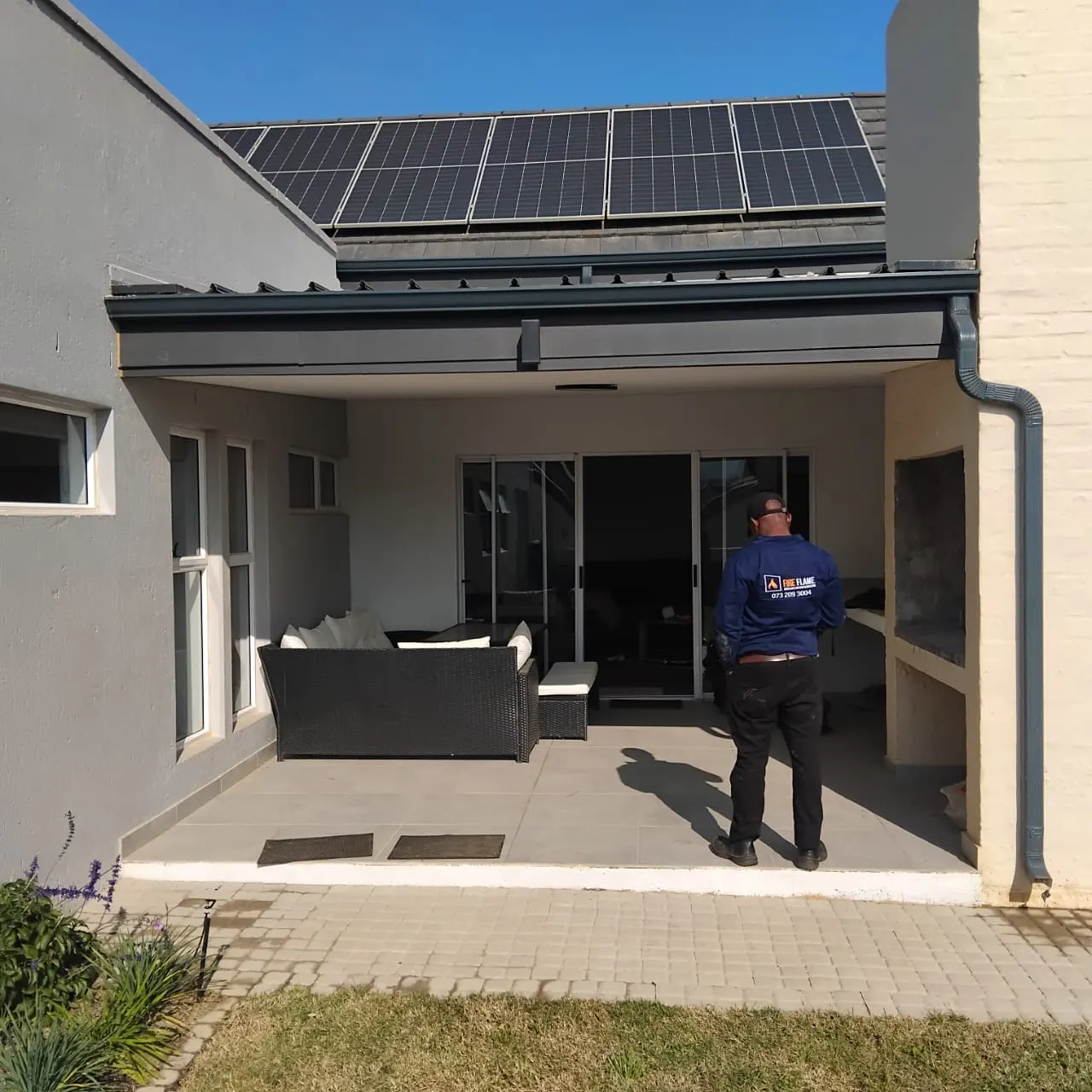
Outdoor tiles face sun, wind-driven rain and wet bare feet. Here is how to choose non slip patio tiles, what an outside wall needs before it is tiled, and the details that stop outdoor tiling from lifting and cracking.
Quick answer
For a patio, choose porcelain or another low-absorption tile with a textured, matt surface and a slip rating meant for wet outdoor use. Lay it on a sound concrete base with a gentle fall away from the house, a full bed of flexible outdoor adhesive and proper movement joints. When tiling exterior walls, the wall must be solid, plastered and fully cured first, and the top of the tiling must be capped so rain cannot run in behind it.
Outdoor tiles can make a patio, pool surround or entrance look clean and finished. They also have a much harder life than tiles inside. They bake in the summer sun, take wind-driven rain in winter and get walked on with wet feet.
Most outdoor tiling problems we are called to fix are not caused by the tile itself. They come from the wrong surface finish, poor adhesive cover, no fall for water, or a wall that was not ready. Here is what our team looks at before any outdoor job starts.
Why Outdoor Tiles Are Different From Indoor Tiles
A tile that looks perfect in a lounge can be a poor choice for a patio. Outside, three things change.
Water
Rain, pool splash and hosing down. A tile that soaks up water stains, grows algae and can come loose over time.
Grip
A shiny tile that is fine indoors becomes slippery once it is wet. Outside, grip matters more than shine.
Heat and movement
Sun heats tiles and the slab below, then they cool at night. That daily movement cracks grout and lifts tiles if there is no room to move.
Weather on walls
Exterior walls take driving rain and, near the coast, salt air. Water that gets behind wall tiles pushes them off.
Choosing Non Slip Outdoor Tiles for Wet Patios
The most important question for patio tiles is how they behave when wet. Look at the box or ask the supplier for the slip rating, and choose a tile rated for wet outdoor areas, not only for dry indoor floors.
| Area | What to look for | Avoid |
|---|---|---|
| Covered patio | Matt or lightly textured porcelain | Polished or high gloss tiles |
| Open patio and steps | Textured outdoor finish with a higher slip rating | Smooth tiles on step treads |
| Pool surround | Tiles rated for barefoot wet areas | Glazed wall tiles on the floor |
| Front entrance | Textured tile that sheds water | Light porous tiles that stain |
Porcelain is usually the safest choice because it absorbs very little water. Natural stone can look beautiful, but it needs sealing and some types stain or wear smooth. Dark tiles in full sun get very hot underfoot, which matters around a pool.
Patio Tiles and Water: Falls, Drainage and Movement Joints
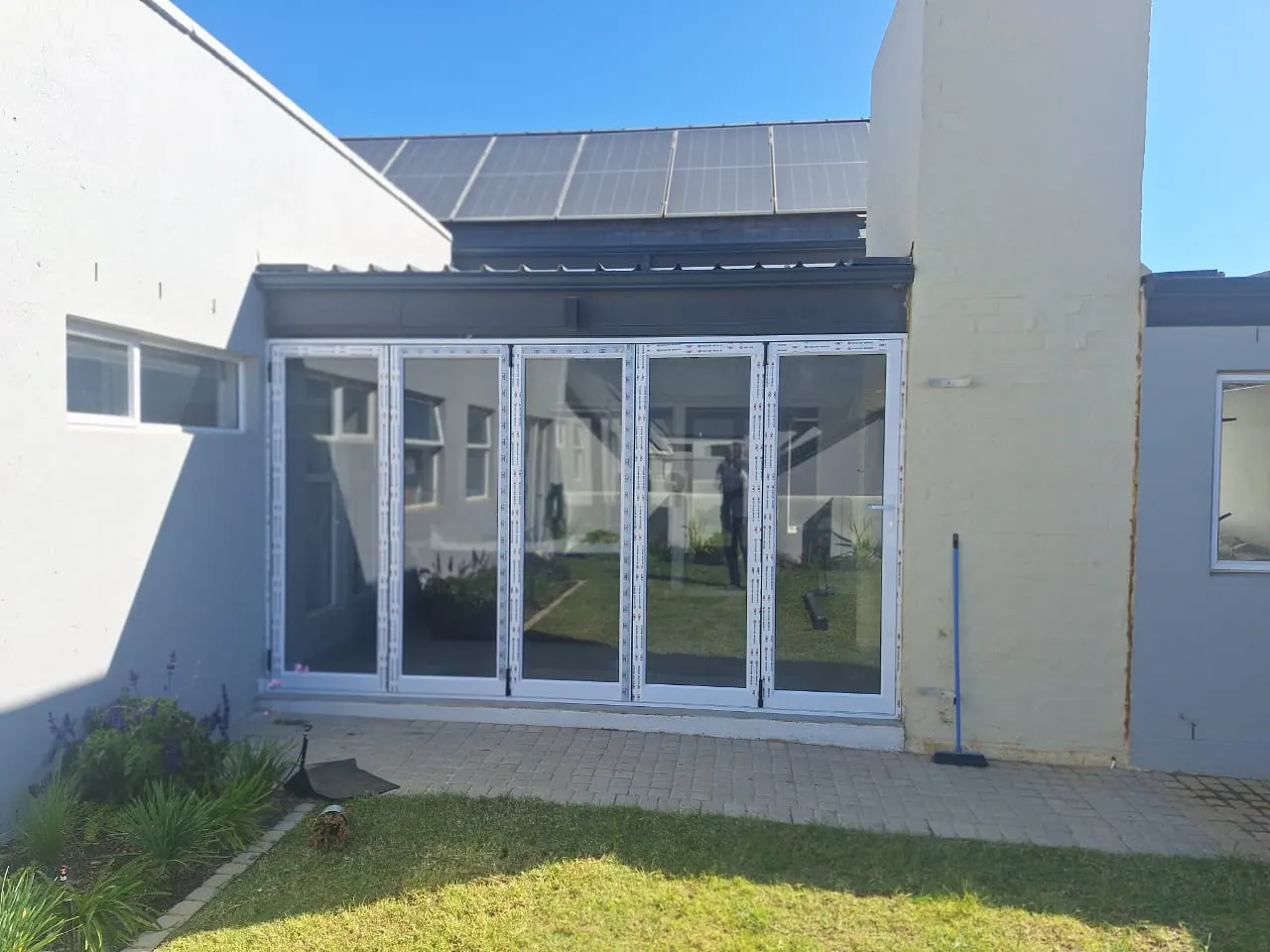
Outdoor tiles fail most often because water has nowhere to go. A patio must never be dead flat.
- A gentle fall. The base is laid with a slight slope away from the house so water runs off instead of pooling at the door.
- A full bed of adhesive. Tiles are fully bedded, not stuck on with a few dabs. Hollow spots fill with water, which breaks the bond.
- Movement joints. Flexible joints around the edges and across large areas let the tiles expand in the sun without cracking.
- A sound base. Tiles go onto a solid concrete slab or screed. Tiling over loose pavers, soil or a cracked slab only moves the problem to the surface.
- Outdoor grout. A flexible grout made for outside use, sealed where the supplier recommends it.
If your patio is also where you braai, the area around the braai needs extra attention for grease, heat and water. Our guide to waterproofing outdoor braai area surfaces covers that part in detail.
Tiling Exterior Walls: What the Wall Needs First
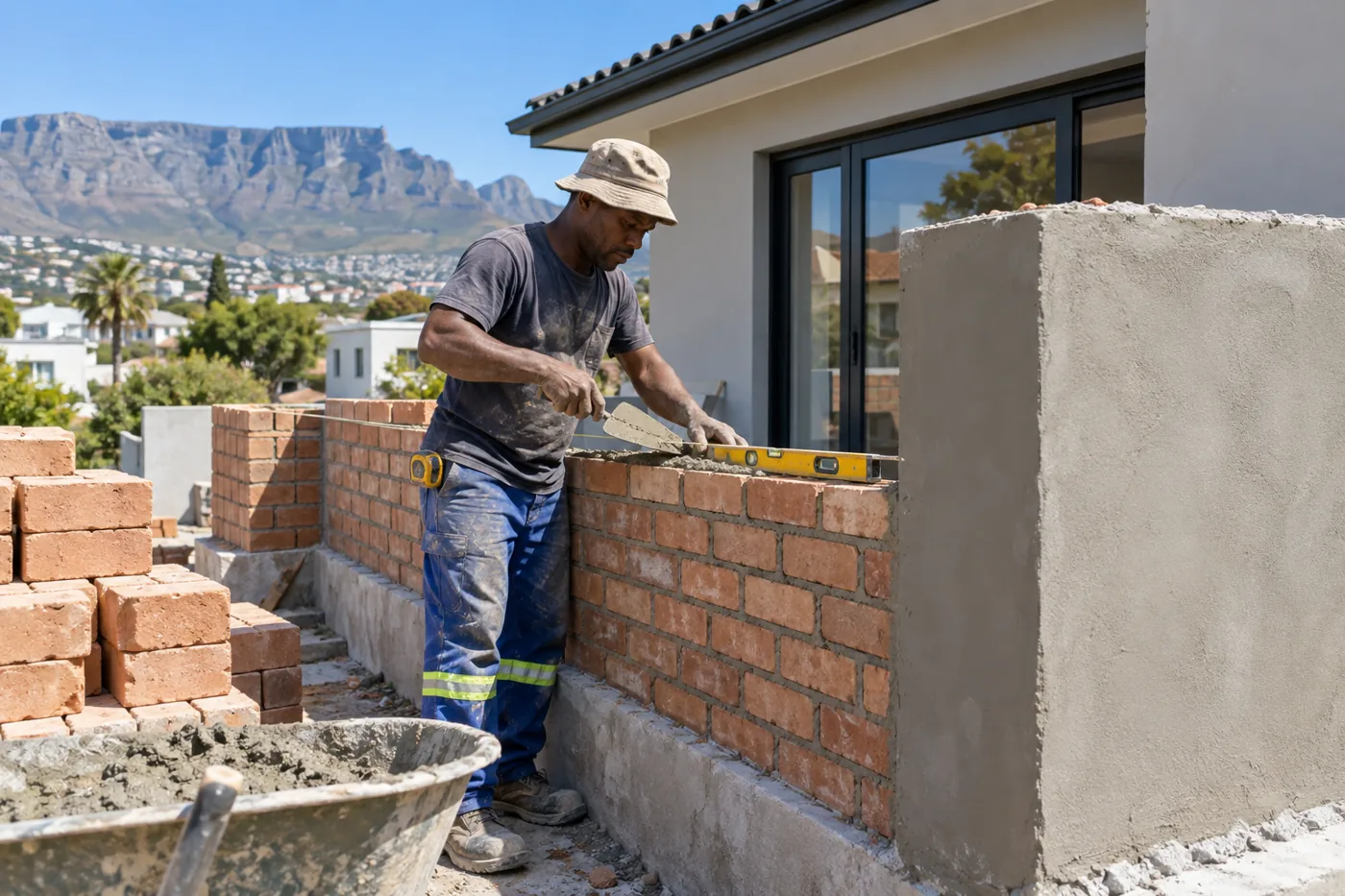
Tiling outside walls looks simple, but the wall behind the tiles does most of the work. Before we start, we check these points.
Before tiling exterior walls
- ✓The wall is solid, with no loose plaster, hollow patches or active cracks
- ✓The plaster is flat, sound and has cured properly before any tile goes on
- ✓There is no rising damp or water coming through from behind
- ✓Old paint, sealers and dust are removed so the adhesive can grip
- ✓The top of the wall will be capped, so rain cannot run in behind the tiles
- ✓Heavy or large tiles high up are planned with the maker’s fixing advice
Cracks in an outside wall need to be understood before they are covered. Fine plaster cracks can be repaired, but long or widening cracks may point to movement in the wall. In that case, an engineer should look at it first. Our brickwork and plastering Cape Town team can repair and replaster a wall so it is ready for tiles.
Adhesive and Grout for Tiling Exterior Walls
Indoor tile adhesive is not good enough outside. Exterior walls need products made for sun, rain and movement.
Flexible outdoor adhesive
A polymer modified adhesive handles the heat and cool cycle far better than a basic mix.
Full coverage
The adhesive covers the whole back of the tile. Gaps hold water, and wet gaps push tiles off over time.
Back buttering
Larger tiles get adhesive on the back as well as on the wall, so the bond is complete.
Flexible joints at edges
Corners, window frames and the top and bottom edges get a flexible sealant instead of hard grout.
Tiling exterior walls also means thinking about what happens above. A wall cap, coping or a small overhang that throws water clear protects the top row of tiles, which is where water most often gets in.
Tiling Exterior Walls in Cape Town Weather
Our climate is kinder than places with hard frost, but it has its own challenges for outdoor tiles.
- Winter rain and wind. Rain driven by strong winds hits walls sideways and finds every open joint and crack.
- The south-easter. Summer wind dries fresh adhesive and grout too quickly. On windy days the work may need shade or to wait.
- Coastal salt air. Close to the sea, salt settles on walls and floors. Good grout, regular rinsing and sealing where needed help a lot.
- Strong sun. North and west facing walls and patios heat up the most, so movement joints and flexible products matter there.
Older homes add another layer. Walls built without a proper damp course can pull moisture up from the ground, and tiles on those walls may push off or show white salt marks. That has to be sorted before tiling, not after.

How Our Team Handles Outdoor Tiling
Look at the base
We check the slab or wall for cracks, damp, hollow plaster and level before we quote.
Plan the water
We set the falls on floors, plan drainage at doors and decide where movement joints go.
Prepare the surface
Any repairs, screeding or plastering are done and left to cure properly.
Lay and grout
Tiles go on with a full bed of outdoor adhesive, then flexible grout and sealant at the joints.
Seal and hand over
Where the tile or grout needs it, the surface is sealed, and we explain how to look after it.
Outdoor tiling is part of our tiling services Cape Town work. If your project includes a full outdoor entertainment space, our braai area design service can plan the floor, walls and braai together, and our guide to outdoor kitchen braai layouts helps with the bigger picture.
⚠ Safety first
Exterior wall tiling above head height should be done from proper scaffolding or a stable platform, not from a ladder alone. Never work on a wet or windy day at height, and keep children and pets away from cut tile offcuts and wet adhesive.
Common Mistakes With Outdoor Tiles
- ✓Using a glossy indoor tile on an open patio
- ✓Laying tiles dead flat, so water pools at the door
- ✓Spot fixing tiles with a few dabs of adhesive
- ✓No movement joints on a large sunny patio
- ✓Tiling over a cracked slab or damp, hollow plaster
- ✓Leaving the top edge of wall tiles open to rain
Most of these show up within one or two winters as loose tiles, cracked grout or water at the back door. Fixing them later usually means lifting the tiles, so it pays to get the base right first. If an outside wall also needs fresh paint after the work, our exterior painting Cape Town team can finish the job.
Planning patio tiles or tiles for an outside wall? Send us a photo of the area and its rough size, and tell us whether it is covered or open to the weather. Our team will advise on suitable tiles and give you a written quote. You can also book tiling Cape Town work online.
Patio Tiles and Tiling Exterior Walls: Common Questions
What are the best outdoor tiles non slip enough for a patio?
Porcelain tiles with a matt or textured outdoor finish are a good choice for most patios. Check the slip rating on the box or with the supplier and choose one meant for wet outdoor areas, especially for steps and pool surrounds.
Can you use indoor tiles outside?
It is not a good idea. Many indoor tiles are too slippery when wet, and some absorb water, which leads to stains, algae and loose tiles. Choose tiles the supplier rates for outdoor use.
Can you tile over existing outdoor tiles or paving?
Sometimes you can tile over old tiles if they are firmly bonded, level and the extra height will not cause problems at doors. Loose paving bricks are not a suitable base, as they move. Each surface has to be checked first.
Why do outdoor tiles come loose?
The most common reasons are poor adhesive coverage, water getting behind or under the tiles, no movement joints and a base that cracks or moves. Indoor adhesive used outside can also fail.
Do outdoor tiles need to be sealed?
Glazed porcelain usually does not, but cement grout, natural stone and some unglazed tiles benefit from a sealer suited to outdoor use. Follow the advice of the tile and grout supplier.
Planning this kind of work?
Call or WhatsApp with your suburb and photographs. Fire Flames can discuss your fireplace, braai or home project and quote.
Get A Quote →