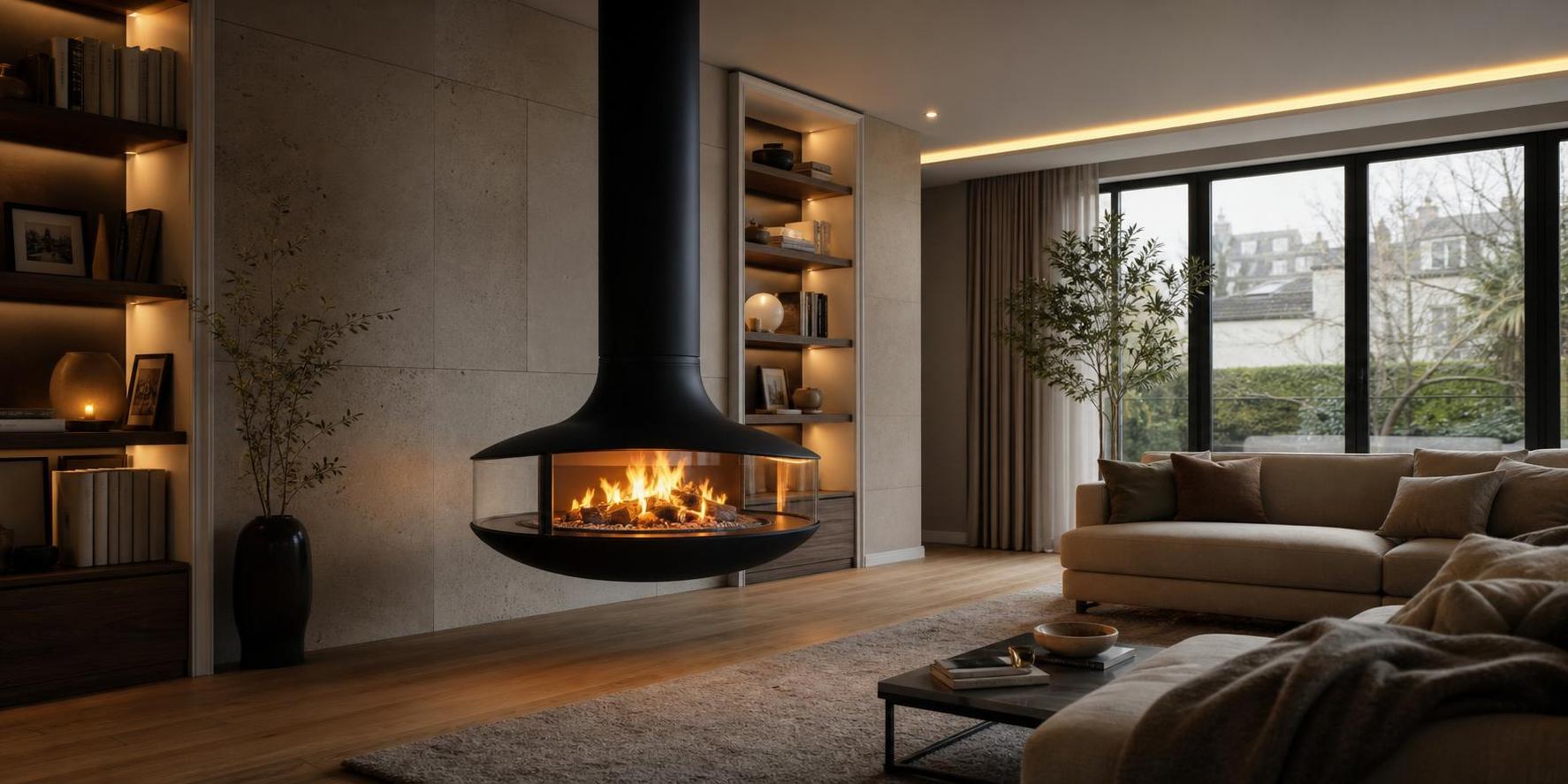
5 Hanging Fireplaces Worth Buying — and What Installation Actually Costs

Hanging fireplaces are one of those purchases that genuinely change a room. Whether you’re drawn to a gas pendant flame or a conical wood-burning cone suspended above a hearth, these units command attention in a way a standard wall insert never will. But they’re also a significant investment, and getting the installation wrong — gas certificates, structural ceiling loads, flue routing — can be costly to fix after the fact.
This guide covers five hanging fireplace styles available in South Africa, realistic price ranges and what installation actually involves. If you’re still weighing up your broader options, our full fireplace range covers everything from freestanding units to built-in inserts alongside suspended designs.
What Is a Hanging Fireplace?
A hanging fireplace is any unit suspended from the ceiling, wall-bracketed well above floor level, or mounted on a stem or pedestal rather than sitting on a conventional hearth. The defining feature is visual: the firebox appears to float, often with the flame visible from multiple angles.
In South Africa you’ll typically find three configurations:
- Ceiling-suspended (pendant): the firebox hangs from a ceiling bracket or chain — most often gas or ethanol.
- Wall-mounted high: the unit is fixed to a wall but set high enough to read as suspended — typically electric or gas.
- Cone or bell shape on a pedestal: the classic conical fireplace with a flared hood and upward flue, usually wood-burning.
Each configuration has its own fuel, flue and installation requirements. Those details matter a lot when you’re getting quotes — especially in South Africa where professional fireplace installation costs, compliance certificates and load-shedding all factor into the decision.
5 Hanging Fireplaces Worth Considering
1. Gas Pendant Fireplaces
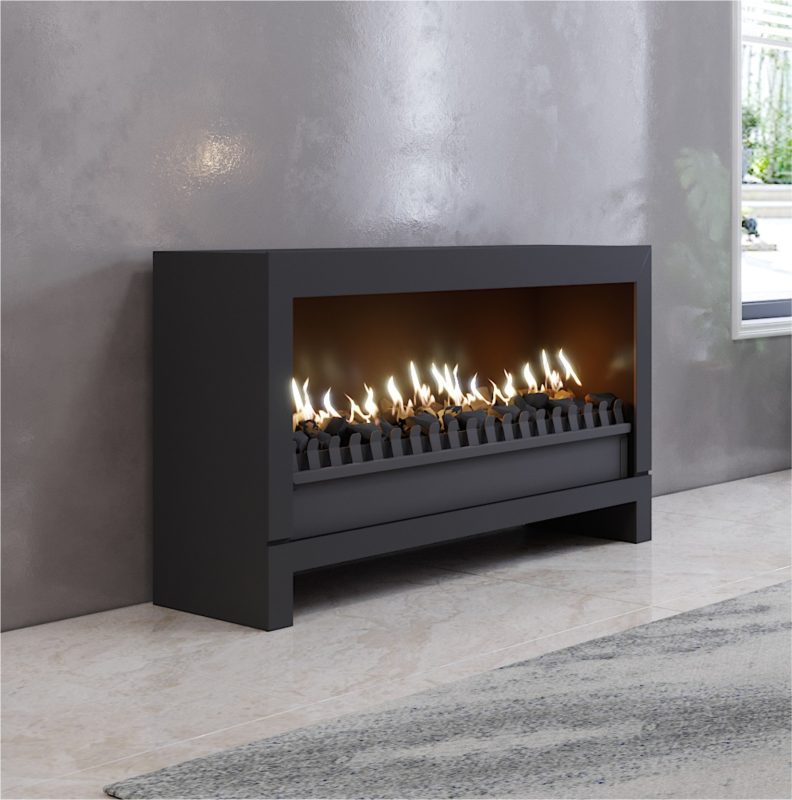
Gas hanging fireplaces are the most popular premium choice right now. The Chad-O-Chef A-VFP500 — a sleek black steel pendant that runs on LPG — is a good example of what the local market offers: ceiling-suspendable, clean-burning and load-shedding proof. It lights instantly and keeps working when the grid goes down, which is a real advantage in South Africa.
Gas hanging units require a licensed gas installer, a SANS-compliant LP gas compliance certificate (CoC) and, in most cases, a flue vent to the outside. Some models are marketed as “flueless” and use a catalytic converter to recirculate air — these are only approved for well-ventilated spaces and are not suitable for bedrooms.
Price range: R8,000–R22,000 for the unit, plus R3,000–R8,000 installation. Best for: Modern open-plan living rooms; homes that prioritise load-shedding resilience; buyers who want instant, clean heat without chopping wood.
2. Suspended Wood-Burning Fireplaces (Cone Fireplaces)
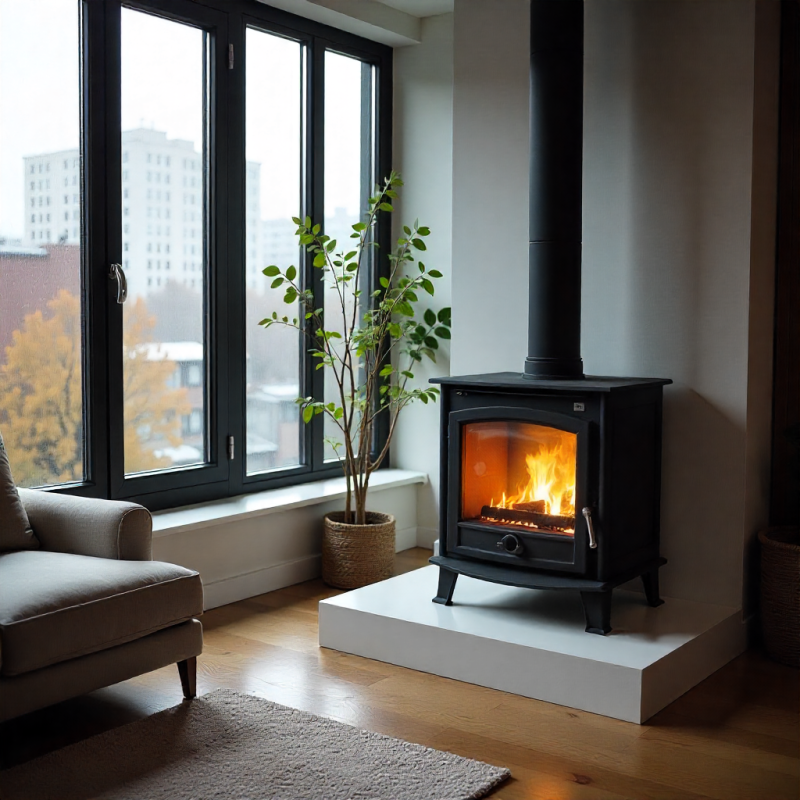
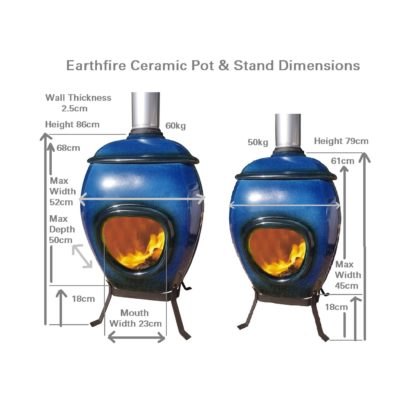
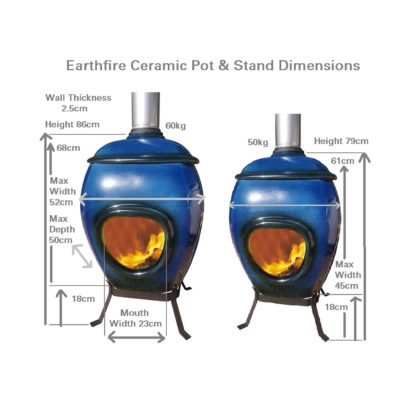
The conical fireplace — a large funnel-shaped unit suspended from the ceiling with a visible flue pipe running upward — dates to the 1960s but reads fresh in contemporary interiors. Locally manufactured units like the Hadeda cone are a popular South African option, built from heavy-gauge steel and available in raw, painted or custom-colour finishes.
A well-sized wood-burning cone (around 700mm diameter) outputs 8–14kW — enough to heat a generous open-plan space without supplementary heating, and entirely grid-independent during load-shedding. These are the highest-heat option in the hanging fireplace category.
Installation requires a Type B solid-fuel flue running from the firebox hood up through the ceiling and roof. That means positioning relative to roof trusses, weatherproofing at the exit point and a solid-fuel CoC. A ceiling height of at least 2.7m to the bottom of the firebox is advisable — lower ceilings make the unit feel cramped and restrict heat circulation. See our guide on freestanding vs built-in fireplaces if you’re still deciding between a suspended cone and a conventional hearth-based unit.
Price range: R15,000–R45,000 for the unit; R4,000–R10,000 installation. Best for: High ceilings; design-forward interiors; maximum heat output; grid-independent heating.
3. Bio-Ethanol Hanging Fireplaces
Ethanol fireplaces burn denatured alcohol and produce a clean, real flame with no chimney or gas line needed. This makes them the easiest of all hanging fireplaces to install — in many cases it’s just a wall bracket and a burner, with no flue penetration or gas compliance involved.
The trade-off is heat output: most ethanol burners produce 1–2kW per litre of fuel and are better described as decorative than functional heaters. Running costs in South Africa — ethanol fuel runs R60–R90 per litre — add up quickly if you’re burning for several hours a day in a cold Cape Town winter. Use them for ambience and visual interest rather than as your primary heat source.
Price range: R5,000–R18,000 for the unit; R500–R2,000 for installation (labour only). Best for: Apartments; rental properties where a flue isn’t possible; entertainment areas; feature walls where the flame is decorative rather than functional.
4. Electric Wall-Mounted Fireplaces
A high-mounted electric fireplace gives the gallery-art effect of a suspended unit without any flue, gas supply or structural ceiling work. Modern LED flame simulation is convincingly realistic, and dual-function models double as heaters (typically 1.8–2kW heating element). Browse our wall-mounted fireplaces for the current range.
The obvious limitation is load-shedding: electric units go off when the power does. For South African buyers who want reliable winter heat regardless of the Eskom schedule, a gas or wood-burning hanging fireplace is the more practical call. That said, if you’re in a coastal area — where salt air corrodes mild steel quickly — look for units finished in 304 stainless or a quality powder coat rated for marine environments; electric units sidestep that concern entirely.
Price range: R3,000–R12,000 for the unit; R1,000–R3,000 installation (standard electrician work, dedicated 15A circuit recommended). Best for: Budget installs; apartments; rental properties; rooms where the flame is cosmetic; coastal homes where corrosion is a concern.
5. Double-Sided Hanging Fireplaces
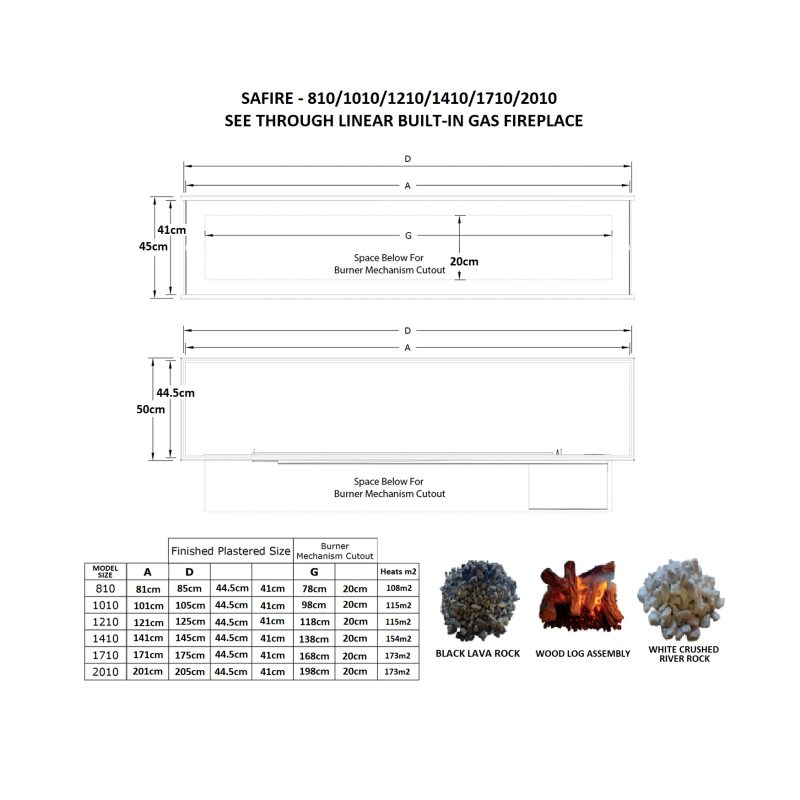
A double-sided or peninsula hanging fireplace divides two spaces — a living room and a dining room, for instance — with fire visible from both sides. Some gas models are suspended from a structural beam, creating a dramatic floating room divider with no floor footprint at all.
These are the most complex hanging fireplaces to install. A gas unit suspended from a structural beam requires the beam to be load-rated, a gas supply run to the hanging point, and a flue route that exits safely without disrupting the ceiling structure. In most cases this calls for a structural engineer sign-off, so factor that into your budget. Our double-sided fireplaces range shows what’s available if this configuration fits your space.
Price range: R25,000–R70,000 for the unit; R8,000–R20,000+ installation. Best for: Open-plan homes where one fireplace needs to serve two zones; high-end renovations; large living areas where a standard single-sided unit would look undersized.
What Does Hanging Fireplace Installation Cost?
Here’s an honest 2026 summary of what to budget across all five types:
| Type | Unit cost | Installation | Total range |
|---|---|---|---|
| Gas pendant | R8k–R22k | R3k–R8k | R11k–R30k |
| Wood-burning cone | R15k–R45k | R4k–R10k | R19k–R55k |
| Ethanol | R5k–R18k | R0.5k–R2k | R5.5k–R20k |
| Electric wall-mount | R3k–R12k | R1k–R3k | R4k–R15k |
| Double-sided gas | R25k–R70k | R8k–R20k+ | R33k–R90k+ |
Cape Town rates for licensed gas installers and fireplace fitters run roughly 10–20% higher than inland rates. Always get two or three written quotes, and confirm that the CoC fee is included — for gas and solid-fuel units, that certificate is a legal requirement, not an optional extra.
For a full breakdown of what drives these prices, read our fireplace installation cost guide. If you’re still deciding which fireplace type suits your home best, our piece on choosing the right fireplace for your home covers the broader decision in detail.
Frequently Asked Questions About Hanging Fireplaces
Do hanging fireplaces need a flue?
It depends on the fuel. Gas and wood-burning hanging fireplaces need a flue — gas units must vent combustion gases to the outside, and wood-burning cones require a solid-fuel flue pipe running through the ceiling and roof. Ethanol and electric units do not, which is why they’re popular in apartments and renovations where installing a flue is prohibitively expensive or structurally complex.
Are hanging fireplaces safe?
Yes — when installed correctly by a qualified person. Gas units require a licensed gas installer and a SANS-compliant LP gas CoC. Wood-burning cones need a SANS 10400-compliant solid-fuel installation. The most common risks in DIY installations are structural (ceiling anchor failure under the unit’s weight) and flue-related (carbon monoxide ingress or a fire in the roof cavity). Always use a qualified installer and insist on the compliance certificate. Our fireplace installation experts in Cape Town handle the full process including certification.
Can a hanging fireplace heat an entire room?
A wood-burning cone or a large gas unit (rated 6kW+) can absolutely heat a generous open-plan living room. Ethanol and smaller electric models are supplementary or decorative heat sources only. The key number is kW output: a rough rule is 1kW per 10m² in a well-insulated space, or 1kW per 7m² in an older home with poor insulation. Undersize and you’ll be cold; oversize and the room becomes uncomfortably warm.
Do hanging fireplaces work during load-shedding?
Gas and wood-burning hanging fireplaces work with zero electricity — no igniter, no fan, no digital controls required. Ethanol also works. Electric units do not. This makes gas or wood-burning the practical choice for South African buyers who want reliable winter heat regardless of load-shedding stage. If you want to explore the gas options specifically, our gas fireplace range covers all the current models and sizes.
Ready to take the next step? Request a free installation quote and one of our installers will assess your space, confirm structural feasibility and give you a firm price — no obligation.