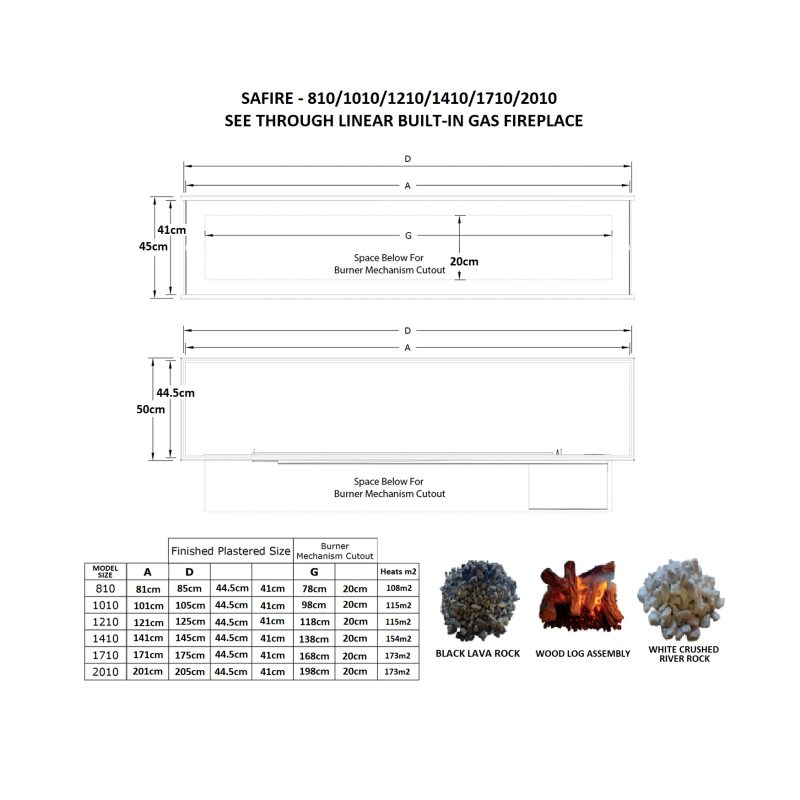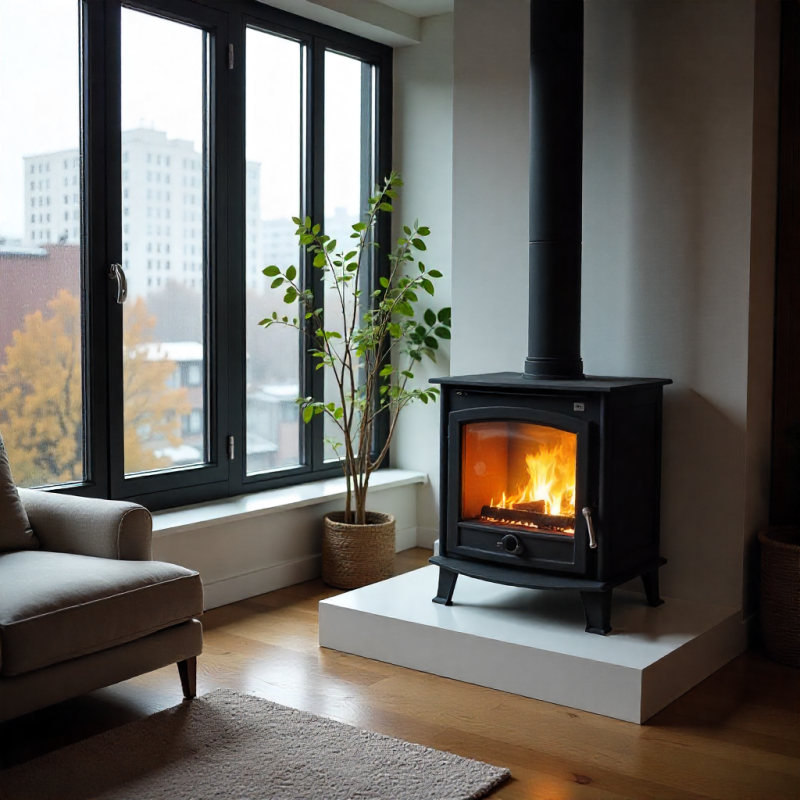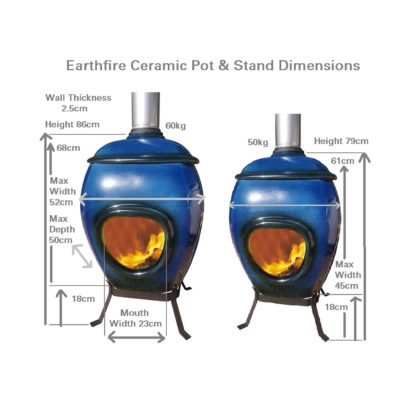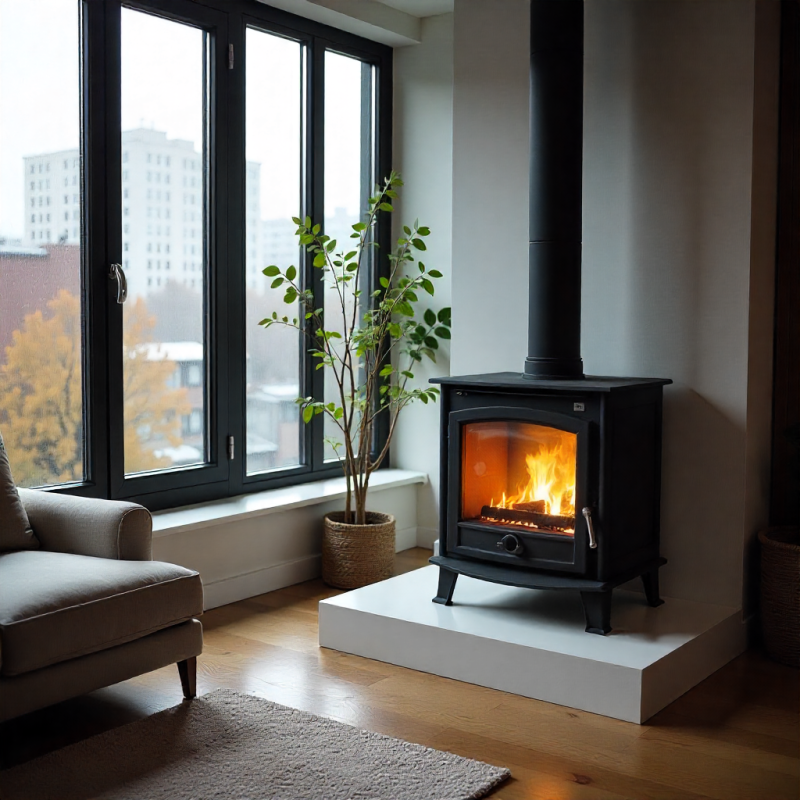

An open fireplace is one of the oldest, most recognisable forms of home heating — and in South African homes, it still earns its place. Before you commit to having one built, though, it helps to understand exactly what you are getting: the heat output, the running costs, the installation requirements, and the trade-offs against modern alternatives. You can browse our range of fireplaces to see what is available, but this guide is about making the right choice before you spend a rand.
What Is an Open Fireplace?
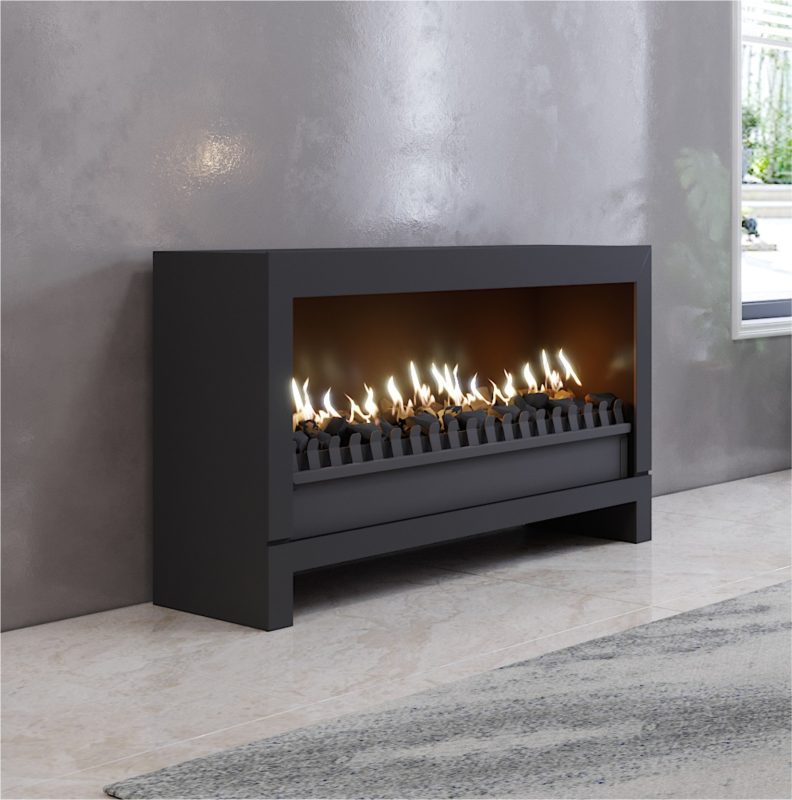
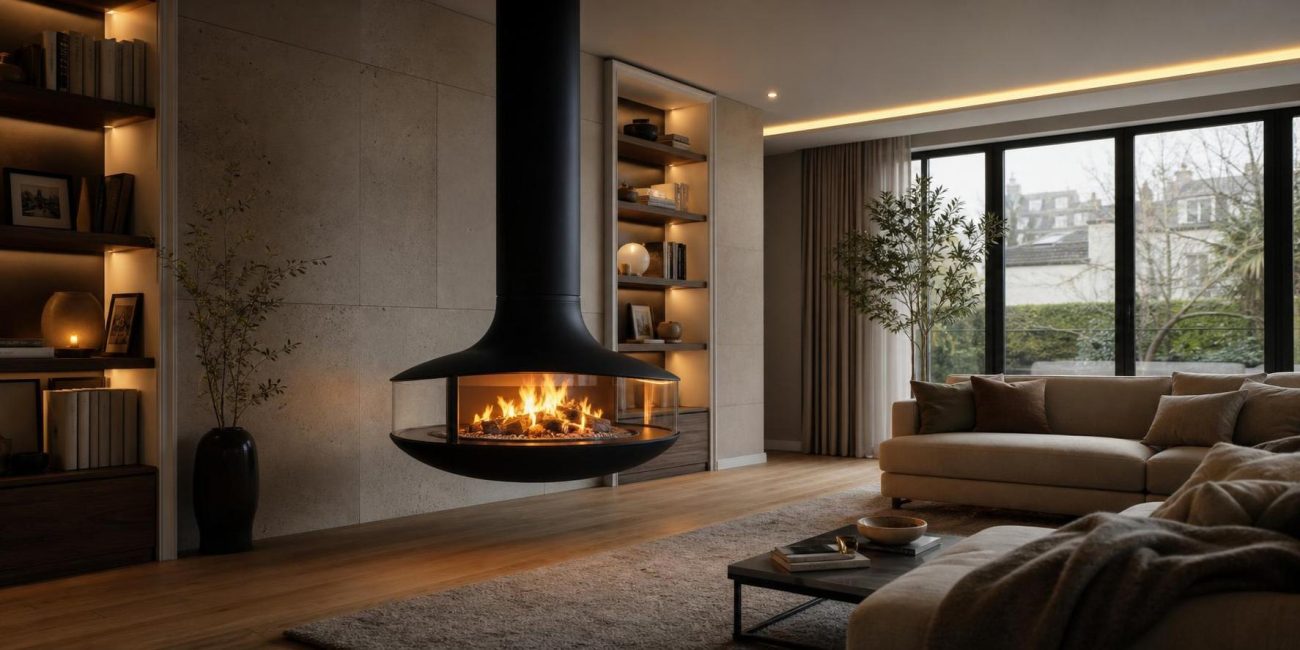
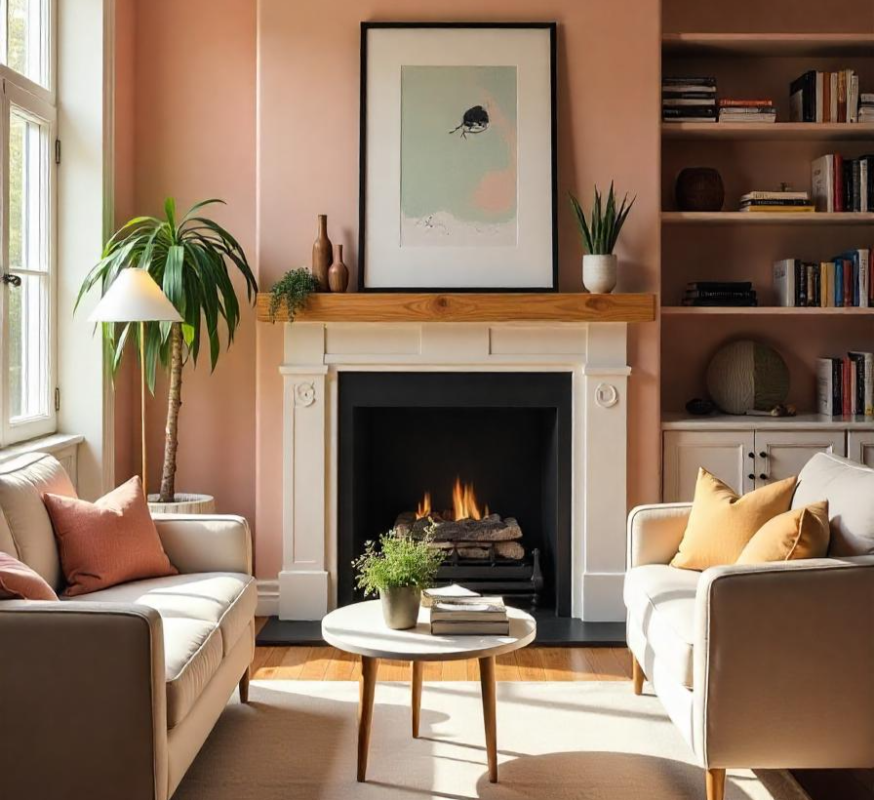
An open fireplace — also called a traditional hearth or masonry fireplace — is a fire that burns in an open chamber, fully exposed to the room. There is no sealed glass door, no combustion chamber, and no controlled air feed. The fire draws air from the room itself, and smoke exits via a chimney directly above.
In contrast to a closed-combustion built-in fireplace, an open design is about spectacle as much as warmth. You see the full flame, you hear the crackle, and you can roast marshmallows or braai a boerewors if you feel like it. What you give up is efficiency — and that matters in winter.
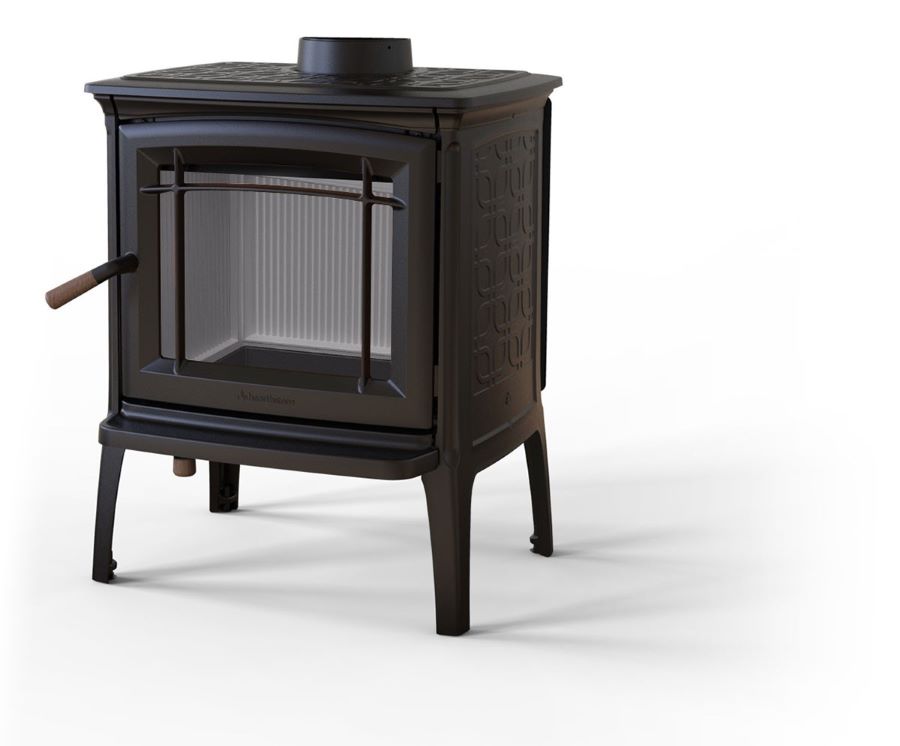
Open fireplaces are typically built into a masonry wall or surround, though freestanding versions with an open-front design do exist. The chimney above the firebox needs to be properly sized and lined to draw smoke correctly — this is not a DIY project.
Open Fireplace vs Closed Combustion: The Core Difference
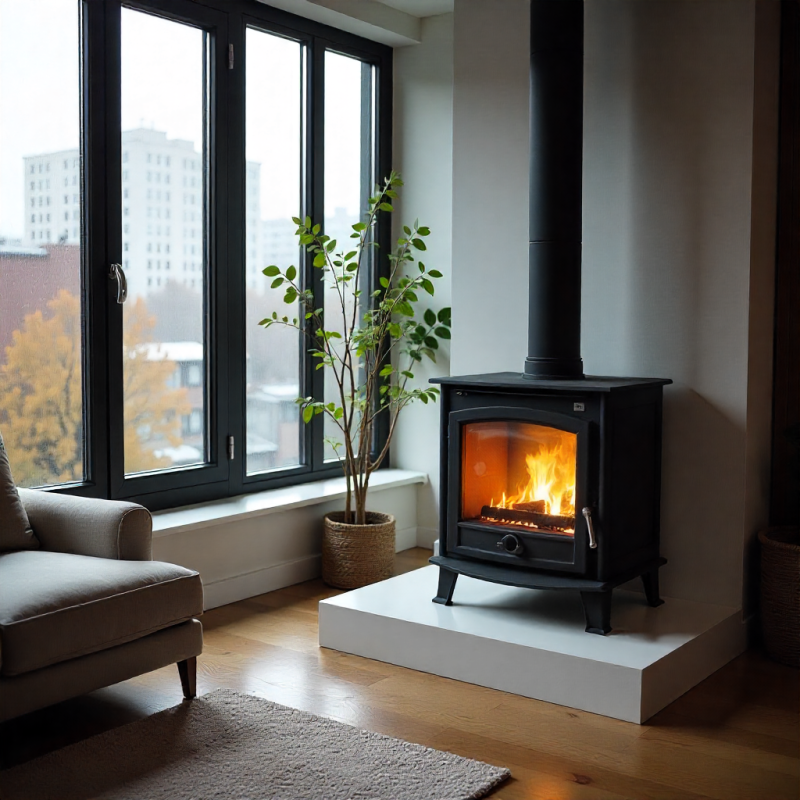
The biggest practical difference is heat efficiency. A traditional open fireplace converts roughly 10–20% of the wood’s energy into usable room heat. A modern closed-combustion fireplace, with its controlled airflow and sealed chamber, can achieve 70–80% efficiency. That is a massive gap.
What this means in practice: to heat a 30 m² room in a Cape Town winter, an open fireplace might burn through 3–4 kg of wood per hour, while a closed unit does the same job on 1–1.5 kg. Over a full winter season, the difference in firewood spend is significant.
That said, efficiency is not everything. See our comparison of freestanding vs built-in fireplaces for a broader look at how form and function intersect when choosing a fireplace.
If heating power is your top priority, a closed-combustion or freestanding wood-burning fireplace will outperform an open design every time. If atmosphere is the priority — and it often is — an open fireplace remains hard to beat.
What Does an Open Fireplace Cost to Build?
Costs vary significantly depending on complexity, materials, and whether you are starting from scratch or working with an existing structure.
- Basic brick-and-plaster open fireplace (no surround): R12,000–R20,000
- Fireplace with a decorative surround (plaster, tile or stone facing): R20,000–R40,000
- Premium installation with marble surround, custom mantelpiece and tiled hearth: R45,000–R80,000+
These figures include the firebox, the chimney or flue, and basic finishing. They do not include the cost of the chimney breast or structural alterations if you are adding a fireplace to a room that never had one — that can add R10,000–R30,000 depending on the scope of the work.
For a complete picture of what fireplace builds cost locally, read our fireplace installation cost guide. And if you are weighing a gas alternative against wood, our gas vs wood-burning fireplaces breakdown covers the running costs in detail.
The Real Advantages of an Open Fireplace
Open fireplaces are not popular purely out of nostalgia. There are genuine reasons to choose one.
Atmosphere: Nothing else looks quite like a real open fire. The flickering flame, the crackling wood, the warmth radiating into the room — it creates a sensory experience that no gas burner or closed-door unit fully replicates.
No electricity required: During load-shedding, an open fireplace keeps working. No control panel, no gas supply, no smart thermostat — just fire. For Cape Town and surrounding coastal areas where load-shedding remains unpredictable, this is a meaningful advantage.
Cooking capability: A properly designed open firebox can double as a cooking surface for braais, cast-iron potjies, or even bread baking. This is something most closed-combustion units simply cannot offer.
Timeless aesthetic: Open fireplaces suit a wide range of interiors — from Cape Dutch farmhouses and Constantia period homes to contemporary open-plan spaces with exposed brick. The design flexibility is significant.
Lower upfront appliance cost: There is no branded appliance to buy — the fireplace is built in place. The cost is in materials and labour, not a factory unit with a margin attached.
5 Drawbacks Worth Knowing Before You Build
An open fireplace is not the right choice for everyone. Here are five honest trade-offs you should factor in before committing.
- Low heat efficiency: As covered above, you will burn considerably more wood to produce the same room heat as a closed unit. In cold winters, this adds up fast in firewood spend.
- Smoke and air quality: An open fire releases more particulates than a closed-combustion unit. If anyone in your household has asthma, respiratory sensitivity, or you live in a densely built suburb, this is worth taking seriously.
- Wood consumption: Expect to budget for a large supply of dry, seasoned firewood each season. Wet or green wood burns poorly, produces excessive smoke, and accelerates creosote build-up — a chimney fire risk.
- Chimney maintenance: Open fireplaces produce more creosote than closed units because the lower combustion temperature results in more incomplete burning. The chimney should be swept at least once per season, ideally before winter begins.
- CoC requirements: Any solid-fuel fireplace installation in South Africa requires a Certificate of Compliance. Using a non-accredited installer puts you at risk — and could affect your home insurance cover in the event of a fire. Always use a qualified fireplace installation service that can issue the correct documentation.
Open Fireplace Installation: What the Process Looks Like
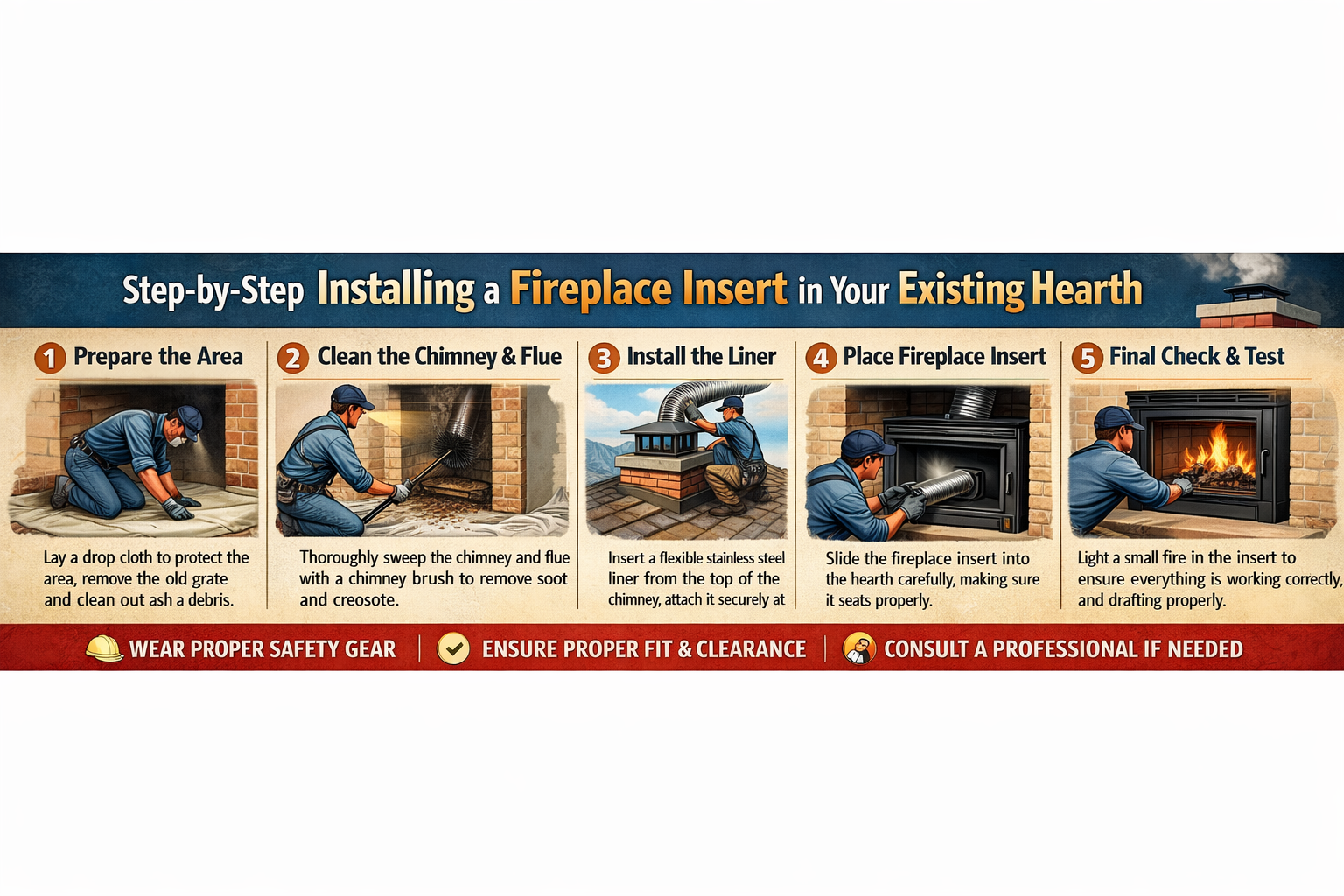
A proper open fireplace installation involves considerably more than building a box in the wall. Here is what the process typically looks like from start to finish.
Structural assessment: An installer checks whether the wall can carry the load of a chimney stack, and whether a new flue can be routed safely through the roof or up an external wall.
Firebox construction: The firebox is built from refractory (fire-rated) brick with a properly angled smoke shelf to direct combustion gases into the flue and prevent downdraught from blowing smoke back into the room.
Chimney and flue: The flue liner must be sized correctly — typically a minimum 200 mm internal diameter for an open fireplace. An undersized or incorrectly angled flue causes smoke to spill into the room, which is both unpleasant and a safety issue.
Finishing: Plastering, tiling, stone cladding, or a timber mantelpiece surround is fitted once the structural and flue work is complete and has been tested with a smoke draw test.
Compliance sign-off: Your installer issues a Certificate of Compliance. Without this, your home insurer may refuse to pay out in the event of a fire-related claim.
The South African Bureau of Standards sets the requirements for solid-fuel appliance construction — visit the SABS website for the applicable standards. For practical guidance on choosing the right setup for your specific space, read our guide on how to choose the perfect fireplace for your home.
Frequently Asked Questions
Can I add an open fireplace to an existing room?
Yes, but it depends on your wall construction and roof structure. Solid brick or double-brick walls are the easiest to work with. A lightweight partition or steel-frame wall generally cannot carry a chimney stack without significant structural intervention. Have an installer assess the space before you commit to anything.
How often does an open fireplace chimney need sweeping?
At minimum, once per season — before winter starts. If you burn heavily (more than three nights per week), twice-yearly sweeping is the safer approach. Creosote accumulates faster in open fireplaces than in closed units, because the lower combustion temperature produces more incomplete-combustion by-products that condense in the flue.
Is an open fireplace efficient enough to heat a whole room?
It works well as a focal heat source in a reasonably sized lounge (20–30 m²) during typical Cape Town or Highveld winter nights. For colder climates, larger open-plan spaces, or energy-conscious households, a closed-combustion unit delivers noticeably better results for less wood. If you are unsure, get a free installation quote and we can advise on the right fit for your room.
Does an open fireplace add value to a property?
Generally yes. An open fireplace is viewed as a desirable feature in the South African property market, particularly in the Western Cape and Gauteng. A well-finished fireplace with a quality surround adds aesthetic appeal and features prominently in property listings as a selling point — which typically translates to buyer interest.
Making the Right Call
An open fireplace is a beautiful, functional addition to the right home — but it is not a heating workhorse. If atmosphere, load-shedding resilience, and cooking versatility are what you are after, it is a strong contender. If raw heating efficiency matters most, a built-in closed-combustion fireplace will serve you better for less firewood.
The best starting point is a proper on-site assessment. Our team can tell you exactly what is feasible in your space, what it will cost, and which style suits your home and heating needs. Speak to our professional fireplace installers or request a free installation quote to get the conversation started.