
How to Choose an Indoor Braai Stand (Without Getting Stuck With the Wrong One)
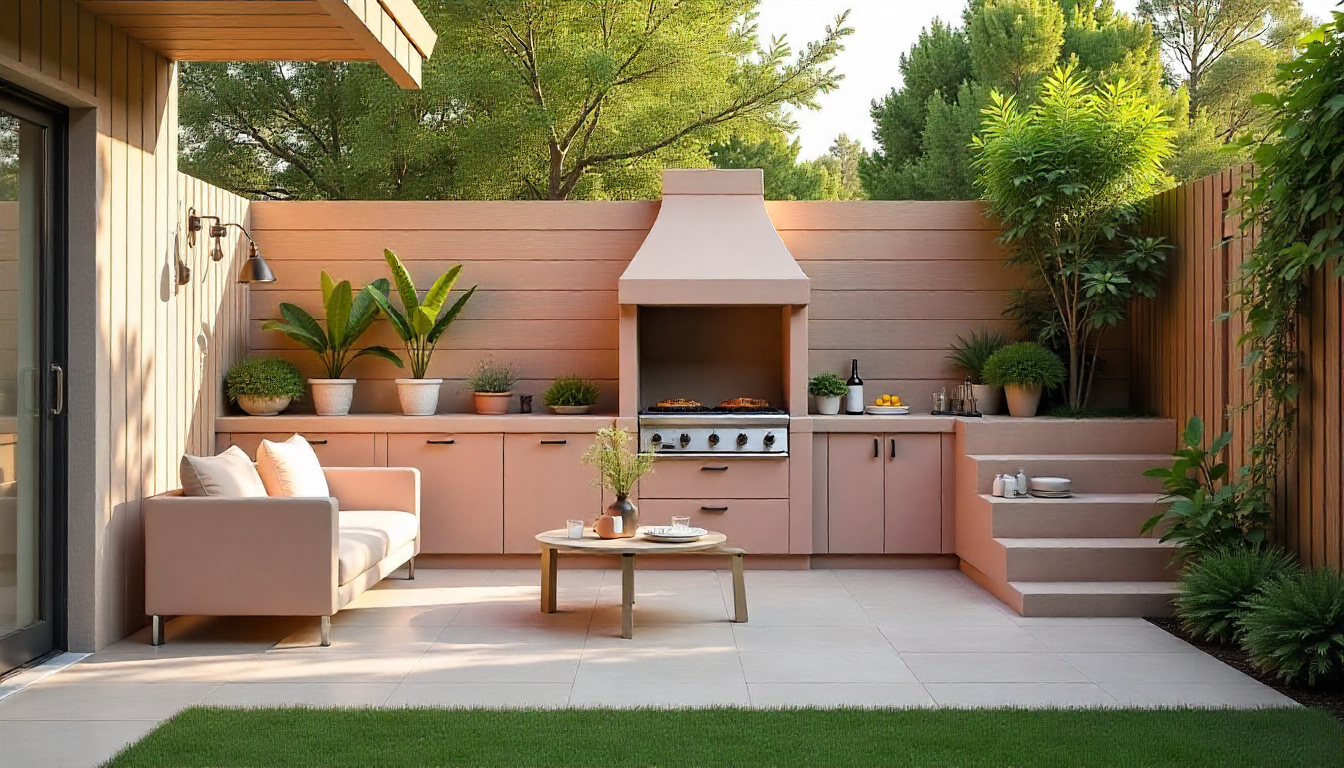
Gas or wood? Built-in or freestanding? This guide explains exactly what to look for in an indoor braai stand — ventilation requirements, materials, price ranges and when to call a professional.
An indoor braai stand sounds like a simple buy until you realise the unit you liked online doesn’t fit the flue clearances in your home — or worse, you install it and discover the extraction can’t handle the smoke load a wood fire produces. Most of that guesswork disappears once you understand the three things that actually determine your options: your fuel type, your ventilation infrastructure, and whether you’re going built-in or freestanding.
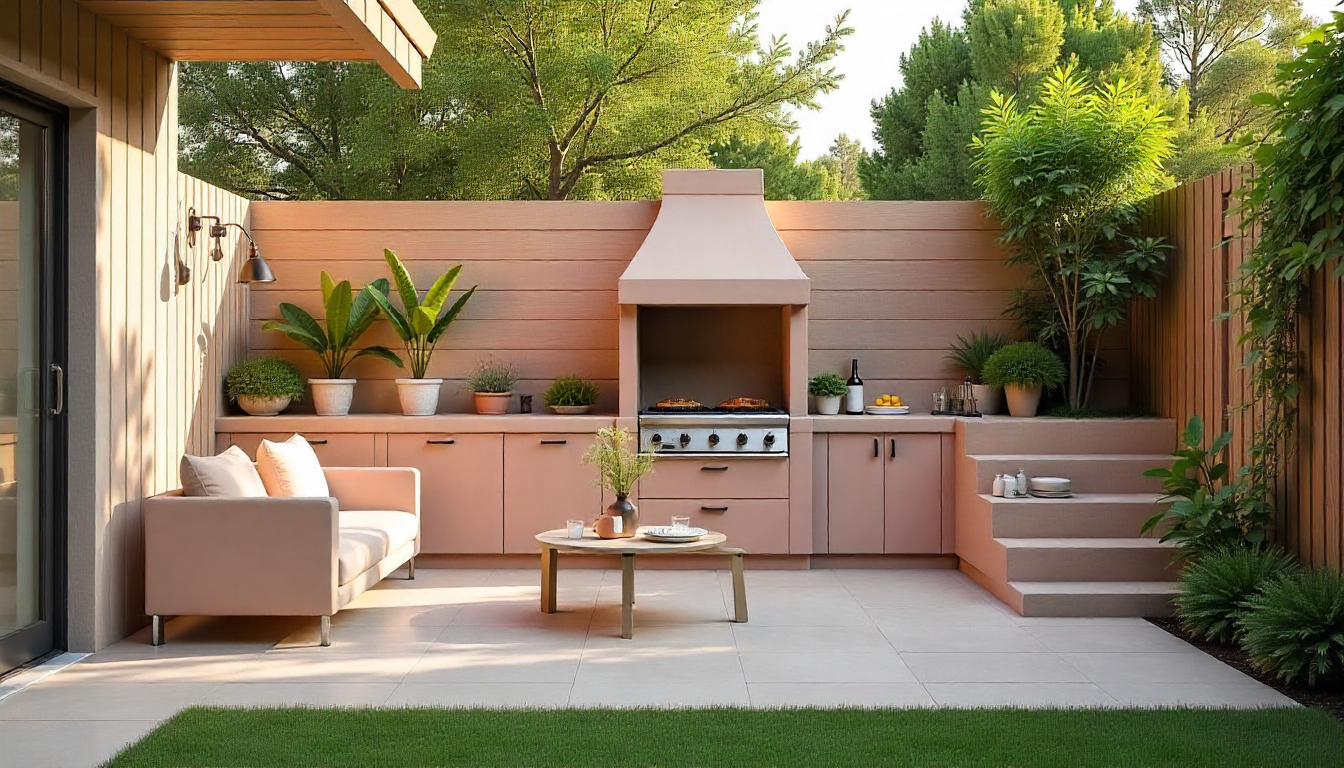
You can browse our full braai range once you know what you’re looking for — but the choices will make a lot more sense after reading through the decision points below.
What an Indoor Braai Stand Actually Covers
The term is broader than most people expect. At one end you have a freestanding gas unit designed for a covered patio or a semi-open entertainment room. At the other end, a fully built-in wood-burning indoor braai stand with a dedicated flue — essentially a fireplace designed for cooking and gathering around a real fire. Most buyers land somewhere in between, and clarifying where you fall on that spectrum is the first decision to make.
The three main categories:
- Built-in gas braai — Permanently installed, usually in a kitchen or entertainment area. Requires a gas line and adequate extraction.
- Built-in wood-burning braai — Requires a full flue system. Delivers the most authentic braai experience but has the highest installation requirement.
- Freestanding gas or charcoal unit — More flexible, sometimes usable semi-indoors, but still needs proper ventilation. Never suitable in a fully sealed room.
Ventilation: The Factor That Decides Everything
This is where most buyers get caught out. Any indoor braai stand — gas or wood — produces combustion gases that need somewhere to go. Carbon monoxide from incomplete combustion is odourless and potentially fatal. Even a low-smoke wood fire produces enough particulate matter to make an unventilated room unusable within minutes.
For wood-burning built-in braais: You need a properly sized, sealed flue. A 200mm diameter insulated flue is standard for medium-to-large indoor units. The flue must terminate above the roofline with a cowl to prevent downdraught and backdraft.
For gas braais: A gas braai installed indoors requires a minimum of 30 cubic metres of room volume and cross-ventilation, or a dedicated extraction hood with a ducted exhaust, in line with SANS 10087 requirements. LP Gas South Africa publishes the applicable safety guidelines for indoor gas appliances — worth reading before you commit to a unit.
If you’re unsure about extraction in your space, get a professional assessment before buying. Our professional braai installation service includes a ventilation assessment as part of the site visit.
Types of Indoor Braai Stand in Detail
Built-In Wood-Burning Braai
The gold standard for an authentic indoor braai experience. A real wood fire, genuine smoke aroma channelled through the flue, and a permanent focal point for the room. Built-in braais of this type are set into a masonry structure or prefabricated firebox housing, with 304-grade stainless steel construction being the only sensible choice for coastal properties — Cape Town, Durban, Knysna — where 430-grade steel corrodes within two years of installation.
Expect to pay R18,000–R55,000 for the unit and surround alone. Installation — brickwork, flue, cowl and finishing — typically adds R15,000–R35,000 depending on flue run length and structural complexity.
Built-In Gas Braai
If you prefer not to manage firewood or install a full chimney, a gas braai is the more practical indoor option. It lights instantly, produces far less smoke than wood, and is easier to temperature-control for cooking. The trade-off is that gas doesn’t replicate the atmosphere of a real fire, and you’re dependent on cylinder supply during disruptions. Built-in gas braais suitable for indoor entertainment areas start around R8,000–R15,000 for the unit, with installation on top. The longer-term fuel economics are laid out in our comparison of gas vs wood braais.
Freestanding Units
The most flexible category — and the most misunderstood for indoor use. Many buyers assume that a covered patio or a braai room with open sides qualifies as adequate ventilation for any unit. For a freestanding gas braai, an open-sided entertainment area usually does provide enough natural airflow. For a freestanding wood or charcoal unit in a fully enclosed room, it does not. If you’re grilling in an open lapa or a covered area that flows into a garden, a quality freestanding braai from R5,000–R14,000 works well. For a completely sealed room, a built-in with dedicated extraction is the only compliant and safe option.
See our guide on choosing a freestanding braai if that’s the direction you’re heading.
Material Choices: What to Look For
For indoor braai stands, 304-grade stainless steel is the benchmark material. It handles sustained high heat, resists corrosion, and cleans easily after use. On the coast — or in any humid inland climate — 304 is non-negotiable. Units made from 430-grade or ungraded steel will develop surface rust within 12–18 months in a salt-air environment.
Cast iron grates and firebricks are common in wood-burning built-ins and perform well for heat retention. Cast iron holds temperature long after the fire dies down and radiates warmth into the room — useful for a braai that doubles as a winter heat source. The downside is weight: a cast-iron firebox cannot be repositioned once installed.
What Does an Indoor Braai Stand Cost to Install?
| Setup | Approximate All-In Cost |
|---|---|
| Freestanding gas (semi-indoor / open patio) | R8,000–R18,000 |
| Built-in gas braai (fully indoor) | R22,000–R50,000 |
| Built-in wood-burning braai with flue | R40,000–R90,000+ |
These are realistic ballpark figures — actual cost depends on the brand, flue run, structural work and whether you need a gas line installed from scratch. If you’re integrating the braai into a larger project — an outdoor kitchen with a braai prep area, or a custom braai island with countertops and under-counter storage — costs scale accordingly.
Installing Your Indoor Braai Stand: Always Use a Professional
For built-in units and all gas-connected braais, professional installation isn’t just advisable — it’s legally required for a Certificate of Compliance (CoC). Gas installations in South Africa must be signed off by a registered LP Gas installer. Wood-burning built-ins must meet local fire safety codes and have a correctly specified and installed flue.
Attempting to DIY a gas connection or install a flue without the right experience creates a serious safety risk and invalidates your home insurance. Our outdoor braai installation team covers both indoor and outdoor builds — full scope including site assessment, structural work, gas line, flue and CoC. Most standard installations take 2–4 days.
Frequently Asked Questions
Can I use an indoor braai stand in a fully enclosed room?
Only with dedicated extraction. A wood-burning or charcoal unit requires a sealed, properly sized flue. A gas braai needs either ducted exhaust extraction or a room with a minimum of 30m³ volume and cross-ventilation per SANS 10087. Using any combustion appliance in a sealed space without exhaust provisions is dangerous and illegal under South African gas safety regulations.
What fuel type works best for an indoor braai stand?
Gas is the most practical for a fully indoor cooking setup — lower smoke output, instant ignition, easier temperature control. Wood-burning gives a better atmosphere and is the go-to for a dedicated braai room, but requires more infrastructure. The right choice depends on how often you’ll use it and what your room can accommodate structurally.
Do I need a Certificate of Compliance for a built-in braai?
Yes, for any gas installation — LP Gas connections must be done by a registered installer and a CoC issued. For wood-burning built-ins, a CoC isn’t required in the same way, but structural work must comply with local building regulations and SANS standards. Check with your municipality if you’re unsure about permit requirements for your specific setup.
How do I maintain an indoor braai stand after installation?
Clear ash from wood-burning units after every use. Have the flue inspected and swept annually if you use the braai regularly — creosote builds up in flues and creates a fire risk. For gas units, check burner jets for blockages seasonally and have gas connections inspected by a qualified installer every two years. Stainless steel components clean up with a stainless-specific cleaner; avoid abrasive pads that scratch the surface and accelerate corrosion.
Ready to move forward? Get a free installation quote from our team — we’ll assess your space, recommend the right unit for your ventilation setup, and give you a fixed price for the full job.
Related reading
- Fire Pits for Sale in South Africa: 2026 Prices & Buyer's Guide
- Built-In Braai Sizes: 3 Proven Steps to the Perfect Choice
- Need it done professionally? See our braai installation in Cape Town service.
Planning this kind of work?
Call or WhatsApp with your suburb and photographs. Fire Flames can discuss your fireplace, braai or home project and quote.
Get A Quote →