
Choosing the Right Materials for a Durable Braai Installation
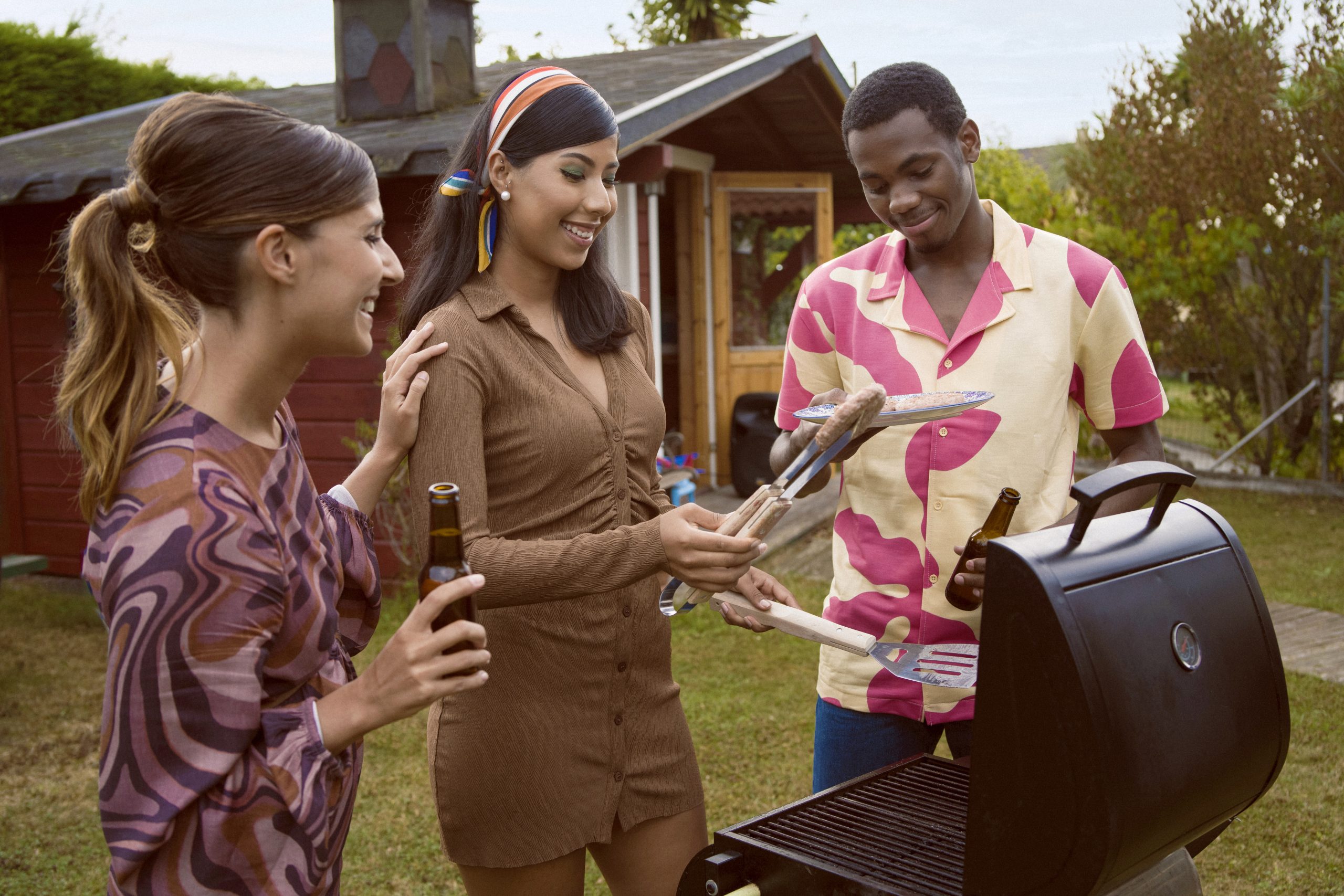
Durable braai installation matters because the right choice affects heat, safety, installation cost and long-term value for South African homes. For broader fire safety guidance, the Fire Protection Association of South Africa is a...
Durable braai installation matters because the right choice affects heat, safety, installation cost and long-term value for South African homes.
For broader fire safety guidance, the Fire Protection Association of South Africa is a useful independent reference alongside professional installer advice.
Tell us what you need and we’ll send a free, no-obligation quote — fast.
Request a Free Braai Quote
Why the right materials make or break your braai installation
Choosing the right materials for a durable braai installation isn’t about looks alone. It’s about whether your braai that won’t last ten years — or whether you’re replacing rusted parts and crumbling brickwork after three. We’ve installed hundreds of braais across Cape Town, and the difference between a braai that lasts and one that doesn’t comes down to material choices made before the first fire is lit.
South african weather is brutal on outdoor structures. Salt air on the coast, intense UV inland, temperature swings that hit 30 degrees in a single day. Your braai for your home needs building materials that handle all of it. The right built-in braai is made from durable materials designed for south african conditions.
Stainless steel: the go-to for most braai installations
Stainless steel is the most popular material for built-in braais in South Africa, and for good reason. When choosing the right braai, materials like stainless steel should be top of your list. But not all stainless steel is the same.
304 stainless steel is the standard for quality braais. It contains 18% chromium and 8% nickel, which gives it good corrosion resistance. For most inland Cape Town installations — Constantia, Claremont, the southern suburbs — 304 grade is sufficient for any south african home.
316 stainless steel adds molybdenum for extra corrosion resistance. If you’re on the coast — Blouberg, Melkbosstrand, Kommetjie — 316 is worth the extra cost. Salt spray will eat through 304 in 5–7 years near the ocean, while 316 can last 15+ years with basic maintenance.

What thickness should the steel be?
Don’t settle for anything under 2mm for the firebox. Thin steel warps under heat, and once it warps, it doesn’t sit flat in your brickwork. Aim for 3mm on the braai pan and grid — it costs more upfront but you replace it less often. Cheap 1.5mm pans from hardware stores last maybe two seasons. A quality braai or one of the best braais will always specify gauge thickness.
Does stainless steel rust?
Yes. It’s “stain-less”, not “stain-never”. Heat discoloration is normal — those blue and gold marks on your grid aren’t rust. But if you see red-brown pitting, that’s corrosion. Stainless steel is tough and highly resistant, but near the coast, rinse the braai down with fresh water monthly and keep it covered when not in use. Keep your braai in top shape with basic care.
Brick: the backbone of a built-in braai
Brickwork gives your built-in braai its structure, its thermal mass, and its look. Building a brick braai is a craft, and getting the bricks right matters more than most people think.
Clay bricks or clay blocks are the traditional choice. They handle heat well, look great, and last decades. Standard face bricks work fine for the outer structure. For the inner firebox, use fire bricks — they’re made from refractory clay and rated for temperatures above 1000°C. Standard clay bricks crack at around 600°C. Anything inside the braai needs to be fire-rated.

What about cement bricks?
We don’t recommend cement bricks for braai construction. They’re cheaper, but they don’t handle repeated heating and cooling well. Cement bricks can literally explode when exposed to high heat — moisture trapped inside turns to steam and has nowhere to go. Stick with clay bricks or fire bricks for the firebox area.
Brick dimensions and the slab
Standard South African bricks are 220×110×76mm. Plan your braai dimensions around these — it avoids awkward cuts and weak points. The standard built-in braai opening is 600mm wide by 400mm high (internal dimensions), which accommodates most commercial braai inserts. Your braai installation should start with a solid concrete slab as the foundation.
Cast iron: old school, still relevant
Cast iron has been used in braais and fireplaces for generations. It holds heat brilliantly, distributes it evenly, and develops a natural non-stick seasoning over time. Depending on your cooking style, cast iron accessories are a great addition.
Cast iron braai grids, potjie pots, and skillets are excellent additions to any braai setup. The main body of a modern built-in braai becomes less common in cast iron these days — it’s heavy, prone to cracking if dropped, and rusts if not seasoned properly. But for cooking accessories and outdoor cooking, cast iron is hard to beat. The perfect braai setup often includes a mix of stainless steel and cast iron.

Maintaining cast iron components
Oil it after every use — a thin coat of vegetable oil while it’s still warm prevents rust. Don’t use dish soap (it strips the seasoning). If rust does appear, scrub with steel wool, re-oil, and heat it to set the seasoning again. Properly maintained cast iron lasts generations. Best braais always include well-maintained cast iron in their cooking setup.
Mild steel and steel braais: when budget matters
Mild steel is the cheapest option, and it shows. It rusts quickly, warps under heat, and has a short lifespan outdoors. If you’re building a braai stand rather than a built-in, mild steel tubing (25mm or 32mm square) works for the frame — just paint it with heat-resistant paint and expect to repaint every 1–2 years. Steel braais made from mild steel need constant upkeep.
For the actual braai body and firebox, avoid mild steel. The extra cost of stainless steel pays for itself within 3 years when you factor in replacement costs. For a durable outdoor braai that handles weather resistance challenges, stainless is the only way to go.
The chimney flue, cowl, and lintel: small parts, big impact
A braai without proper extraction is smoky and unusable indoors or under a roof. The flue, cowl, and lintel are critical components that don’t get enough attention during planning.
Flue pipes should be 316 stainless steel (even inland). The temperature differential between the hot smoke inside and cool air outside causes condensation, which accelerates corrosion. Mild steel flues rot through in 2–3 years. 316 stainless lasts 10+ years.
Cowl type affects draft and rain protection. A rotating cowl (like a Windkat or H-style cowl) prevents downdraft — that annoying situation where smoke blows back down the flue when the wind changes direction. It’s worth the R800–R1,500 extra over a basic rain cap. Good airflow and a proper cowl make braaing enjoyable instead of a smoke-filled nightmare.
The lintel supports the brickwork above the braai opening. Use a concrete or steel lintel rated for the span — don’t just stack bricks. A failed lintel means a collapsed braai structure.
Choosing the right braai for your outdoor area
South africa has a strong braai culture, and your outdoor entertaining space should reflect that. Whether it’s built-in braais or freestanding models, the materials determine how long the braai lasts and how well it performs. Outdoor entertaining means hosting friends and family, and the right braai makes that experience better. Consider your cooking style — do you prefer quick gas grilling or slow wood-fired cooking? Both options are available in quality built-in braais.
Built-in braais offer a seamless look integrated into your outdoor area. Steel braais are the most popular choice, but brick braai surrounds add a traditional feel. The right braai for your space depends on budget, location, and how often you use it. Braais are durable when built with the right materials — that’s what this whole guide comes down to.
What is the best height for a braai?
The standard working height for a braai grid is 900mm from ground level — the same as a kitchen counter. This puts the cooking surface at a comfortable height for most adults. If you’re shorter or taller, adjust accordingly. The braai opening itself should be 400–450mm high internally to give enough depth for coals and cooking space.
Frequently asked questions
What is the best material for a braai stand?
Stainless steel (304 or 316 grade, depending on proximity to the coast) is the best material for a braai stand. It’s strong, doesn’t rust easily, and looks clean. Mild steel works for budget builds but needs regular repainting. Powder-coated mild steel is a middle ground — the coating delays rust but chips over time, especially near heat.
How much does it cost to build a built-in braai?
A basic built-in braai installation in Cape Town runs R15,000–R25,000 for the structure (bricks, mortar, labour). Add the braai insert itself (R5,000–R20,000 depending on brand and size), flue system (R2,000–R4,000), and finishing (tiles, countertops). A complete braai room build typically costs R40,000–R80,000+.
What bricks to use for a braai?
Use standard clay face bricks for the outer structure and fire bricks (refractory bricks) for the inner firebox. Fire bricks handle temperatures above 1000°C without cracking. Never use cement bricks in the firebox — they can crack or explode under high heat. If you’re unsure, any reputable brick yard in Cape Town can advise on suitable fire bricks.
Can a beginner build a DIY brick braai?
A simple freestanding brick braai is achievable for a competent DIYer. A built-in braai with a flue system, proper ventilation, and integrated into a roofed structure is a different story. The structural work needs to be sound (it’s holding up a chimney), and the flue installation affects safety. If you’re unsure about the structural or airflow aspects, get a professional involved for those parts.
Are built-in braais a good option for outdoor spaces?
They’re the best option if you have a permanent braai area. Built-in braais integrate into your entertainment area, look intentional, and generally outlast freestanding units. They also add property value — a well-built braai room is a selling point in the Cape Town market. The downside is permanence: you can’t move it if you redesign your outdoor space.
What materials should I consider for a freestanding braai installation?
For the frame, 304 stainless steel tubing is ideal. For the body, either stainless steel or thick mild steel with heat-resistant coating. For the grid, cast iron gives the best heat retention and that classic sear pattern. Avoid thin steel — it warps within months of regular use.
Is 304 stainless steel good enough for a coastal braai?
It depends how close to the water. Within 500m of the coast, go with 316. Between 500m and 2km, 304 works but needs regular maintenance (monthly freshwater rinse, cover when not in use). Further inland, 304 is perfectly fine with basic care.
How do I maintain cast iron braai components?
Clean with hot water and a stiff brush (no soap). Dry thoroughly, then apply a thin coat of cooking oil while warm. Store in a dry place. If rust appears, scrub with steel wool, re-oil, and heat to re-season. Never put cast iron in a dishwasher or leave it wet.
What is the most important feature of a stainless steel built-in braai?
Gauge thickness. A 3mm thick firebox and grid will outlast a 1.5mm unit by years. Brand matters less than material thickness — we’ve seen expensive braais fail because they used thin steel, and budget brands last because they didn’t cut corners on gauge.
Why is choosing the right materials important for a braai installation in South Africa?
Because South african conditions — intense UV, coastal salt, summer heat, winter rain — destroy cheap materials fast. A braai built with the wrong materials becomes an expensive mistake within 2–3 years. Using the right stainless steel grade, proper fire bricks, and a quality flue system means your braai lasts 15–20+ years with minimal maintenance.
Rather have it done properly? Fire Flame installs built-in and freestanding braais across Cape Town — transparent pricing, compliant workmanship and same-day quotes. See our braai installation services service.
Related reading
Planning this kind of work?
Call or WhatsApp with your suburb and photographs. Fire Flames can discuss your fireplace, braai or home project and quote.
Get A Quote →