
Built-In Braai Sizes: 3 Proven Steps to the Perfect Choice
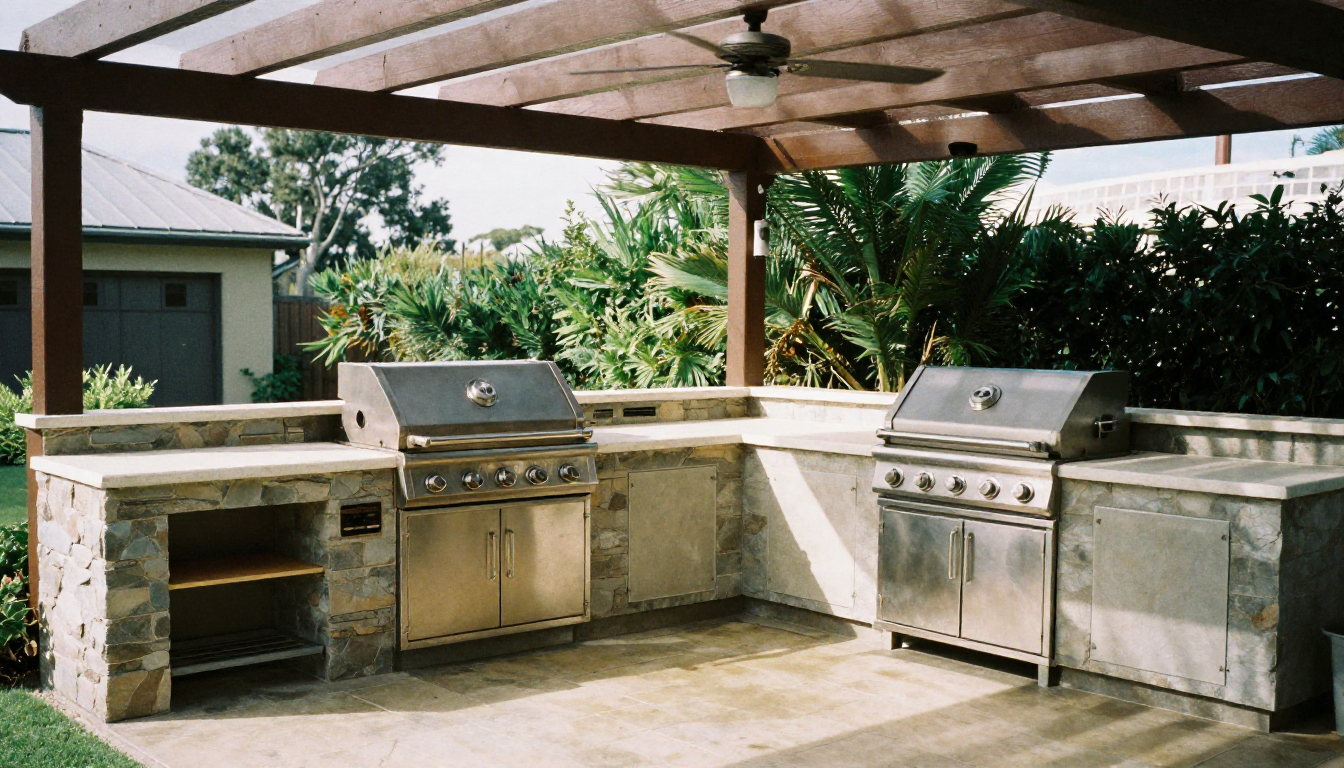
Choosing the wrong built-in braai size is an expensive mistake — and a permanent one. Here are three proven steps to measure your space, match your guest count, and factor in how you actually cook before the first brick is laid.
Built in braai sizes are the single most important measurement you’ll nail down before any concrete gets poured — and the one most homeowners get wrong. Too small, and every braai night ends with guests waiting in shifts. Too large, and half your patio disappears into a braai island you rarely use to capacity. Getting it right the first time saves a costly rebuild and years of frustration.
This guide walks you through three proven steps to choosing the right built-in braai size for your space, cooking style, and crowd — with practical Rand price references and real SA context throughout.
Why Getting Built-In Braai Sizes Right Matters
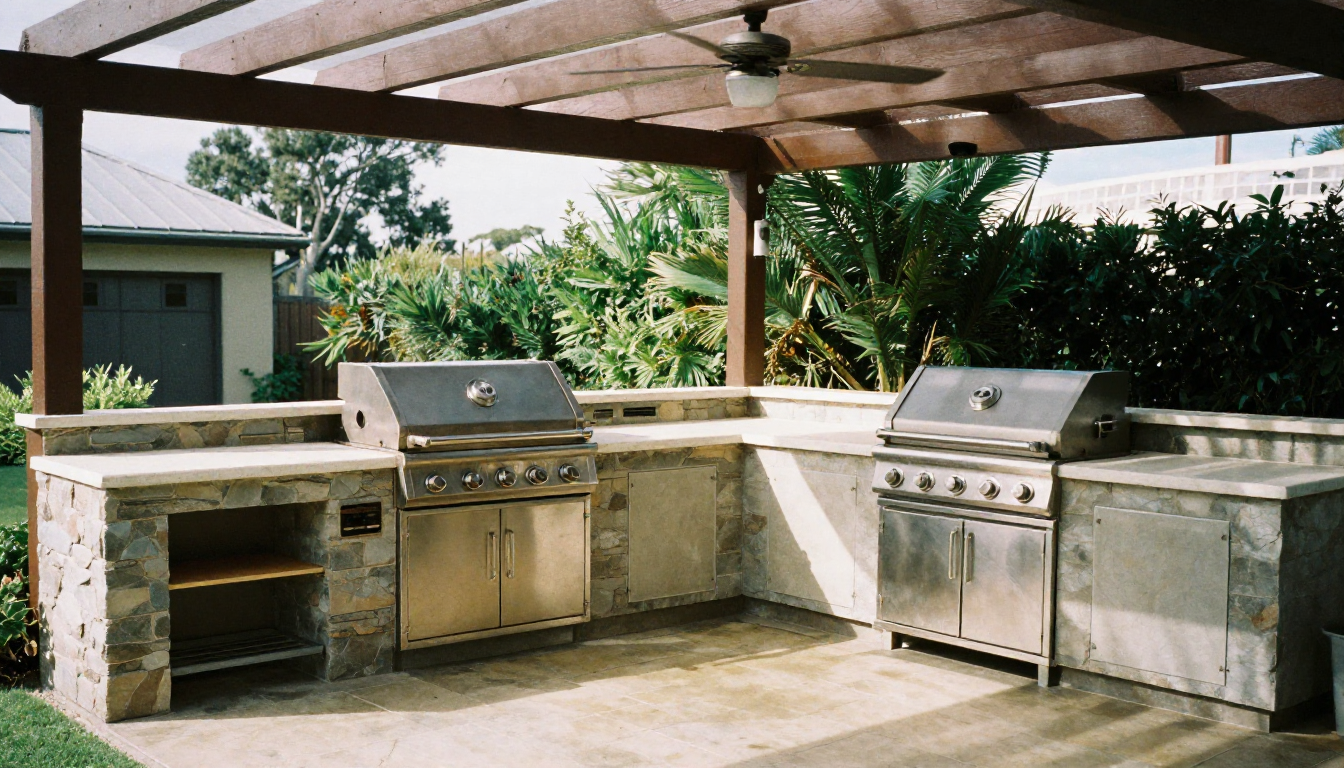
A built-in braai is permanent — or close to it. Unlike a freestanding braai you can move around, a built-in unit is set into a countertop or masonry surround. Once the tiles are laid and the plumbing is in, changing your mind means a full demolition job.
Browse our range of braais and you’ll notice units come in clear standard widths — typically 600mm, 900mm, and 1200mm (with some manufacturers offering 750mm and 1500mm variants). Each step up roughly doubles the grill area and meaningfully changes how many people you can feed at one sitting.
South African braai culture also has a quirk that matters here: we cook socially, often for hours, which means fire management across a larger grill is different from a quick suburban gas cook-off. That’s something the size decision must account for.
Step 1: Measure Your Space Before You Choose a Built-In Braai Size
The first step isn’t about how big you want to braai — it’s about what will actually fit. Pull out a tape measure before you do anything else.
Width: The braai box width (600mm, 900mm, 1200mm) is the internal cooking width. The outer masonry or counter frame adds roughly 100–150mm on each side, so a 900mm braai needs a minimum 1 200mm wide counter opening to sit in comfortably. A 1200mm unit needs at least 1 500mm.
Depth: Standard braai counters run 600mm deep — this accommodates both the braai box and a modest work surface beside it. In coastal Cape Town builds where space is tighter, 550mm is sometimes done but it starts to feel cramped when you’re manoeuvring tongs and plates.
Height: A braai counter at 900mm works for most adults. If you’re customising, consider that the fire should sit roughly 200mm below the counter lip so heat radiates forward rather than scorching your hands every time you flip a chop.
Flue column: Built-in braais need a flue to exhaust smoke. The flue column typically sits behind or beside the unit and needs 400–500mm of clear wall or column space. Many homeowners forget this and end up with a beautiful braai that smokes their guests out. If you’re planning an outdoor braai installation in Cape Town, the flue route is one of the first things our team checks on site.
Practical minimum patio footprint per size:
- 600mm braai: Works from a 2.5m × 2m patio — ideal for smaller townhouse gardens.
- 900mm braai: Comfortably fits a 3.5m × 2.5m space with prep counter alongside.
- 1200mm braai: Needs at least 4.5m × 3m to look and function properly — better suited to larger entertainment areas.
Step 2: Match Built-In Braai Sizes to Your Regular Guest Count
The golden rule in the trade: plan for your second-biggest regular guest count, not your biggest. Sizing for an annual Christmas gathering of 30 people means you’re firing an oversized braai for 11 other months. Size instead for a typical Saturday with the regular crowd — and add a gas braai or fire pit as a second cooking station for the big occasions.
Here’s a practical guide by guest count:
- 600mm (≈ 0.27m² grill area): Comfortably feeds 4–6 adults. Perfect for couples and small families. The most popular size in freestanding-to-built-in upgrades for sectional title townhouses.
- 900mm (≈ 0.41m² grill area): The sweet spot for most South African households — handles 8–12 guests without feeling rushed. This is the workhorse size our team installs most often.
- 1200mm (≈ 0.55m² grill area): For serious entertainers hosting 15+ people regularly. Needs a well-planned outdoor kitchen around it to justify the footprint.
A common trap: buying a 1200mm unit because it looks impressive in the showroom, then discovering it takes 3kg of wood and 45 minutes just to bring a proper coal bed up to heat for four people on a Tuesday evening. Bigger is not always better — it’s just bigger.
Also consider whether you’re entertaining during load-shedding. A wood-burning built-in braai can double as your load-shedding cooking solution — but only if it’s sized to feed the actual headcount, not an imaginary crowd of 25.
Step 3: Factor In How You Actually Cook
Two households can both want a 900mm built-in braai and need completely different units — because how they cook is different.
Traditional wood-fire braai: If you’re a purist — hardwood coals, slow cooking, watching the fire — go for a deeper box (at least 350mm internal depth) with a raised grill position. Cast iron grills hold heat better for this style. Many of the built-in braais in our range come with adjustable grill heights specifically for this purpose.
Gas built-in braai: Gas units offer instant heat, precise control, and — critically during a 4-hour load-shedding block — an alternative that doesn’t require sourcing dry hardwood. Gas box dimensions are often different from wood boxes at the same nominal width, so compare actual grill surfaces, not just the width label. See our gas vs wood braai comparison if you’re still deciding on fuel type.
Spitbraai and rotisserie: If you plan to mount a spit, you need both the width and the depth to accommodate the rotisserie skewer and motor. A 900mm unit with a 400mm internal depth handles a standard leg of lamb or 2kg chicken with clearance. Anything narrower and you’re fighting the firebox walls.
304-grade stainless steel: For coastal properties in Cape Town, Hermanus, or any seafront location, 304-grade stainless is non-negotiable — it resists salt-air corrosion that eats through 430-grade steel within 2–3 years. Confirm the grade with your supplier before signing off on a unit.
Not sure whether to go freestanding or built-in? Our guide to choosing a freestanding braai lays out the trade-offs clearly so you can make the call with confidence.
3 Common Built-In Braai Size Mistakes That Cost Money Later
1. Ignoring the prep counter: A braai without counter space beside it is a logistical nightmare. Plan at least 600mm of prep counter on one side of the unit — more if two people will cook together. Factor this into your overall counter length before you decide how wide the braai itself should be. Our guide to custom braai islands covers this in detail, including how to integrate prep surfaces, sink cutouts, and lighting.
2. Choosing nominal width over grill area: A braai listed as “900mm” refers to the outer frame width — the actual grill surface is typically 750–800mm inside the firebox. Two brands at the same nominal width can have grill areas that differ by 15%. Always check the internal cooking dimensions, not just the headline spec.
3. Overlooking the flue and chimney clearances: A 1200mm braai generates significantly more smoke than a 600mm unit and needs a proportionally larger flue to handle it. Undersized flues create smoke problems, especially in enclosed or semi-enclosed patio areas. Getting a professional braai installation means the flue is sized and positioned to match the unit from the start.
Frequently Asked Questions About Built-In Braai Sizes
What are the standard built-in braai sizes in South Africa?
The most common built in braai sizes in the South African market are 600mm, 900mm, and 1200mm (outer frame widths). Some manufacturers — including established local brands like Masterbraais — also offer 750mm units that bridge the gap between small and standard. The 900mm remains the best-selling size for residential installations across the country.
Does a bigger built-in braai need a bigger flue?
Yes. As a general rule, flue diameter should increase with firebox volume. A 600mm unit typically uses a 150mm diameter flue; a 900mm unit uses 180–200mm; and a 1200mm unit usually needs a 200–250mm flue. An undersized flue is one of the most common causes of a smoky braai — far more often than people realise. Understanding single-wall vs insulated flue systems will also help you make the right call here.
How much does a built-in braai cost at each size?
In 2026, a quality built-in braai unit in South Africa typically costs R4 000–R9 000 for a 600mm model, R7 000–R16 000 for a 900mm model, and R14 000–R28 000 for a 1200mm model (unit cost only, excluding installation and masonry surround). Full installation with a counter and flue column adds R15 000–R40 000+ depending on materials and finish. See our outdoor braai installation guide for a fuller cost breakdown.
Can I fit a 900mm built-in braai on a small patio?
Possibly — if your patio measures at least 3m wide and 2.5m deep, a 900mm braai with 600mm of prep counter beside it can work. But it will feel tight. If you’re regularly entertaining more than 6 guests in a compact space, consider whether a 600mm unit might actually serve you better by leaving more room for people to move and plates to land.
Plan It Right — Then Build It Once
Getting built in braai sizes right before the first brick is laid will save you thousands — and years of cooking frustration. Our team can assess your patio, recommend the right unit for your space and guest count, and handle the full installation from firebox to flue cap.
Request a free installation quote and one of our braai installation specialists will be in touch. Or browse our full braai range to see what’s available at each size before you commit.
You Might Also Find Useful
Planning this kind of work?
Call or WhatsApp with your suburb and photographs. Fire Flames can discuss your fireplace, braai or home project and quote.
Get A Quote →