
Fire Tables: The Stylish Fire Pit Upgrade for SA Patios
Fire tables combine the warmth of an open flame with the practicality of an outdoor coffee table. Find out which style suits your SA patio, what they cost, and how to get the most from yours year-round.
South African winters are mild enough to keep entertaining outside — but mild is not warm. That gap between shorts-and-sandals weather and stay-inside-with-a-blanket weather is exactly where a fire table earns its keep. If you’ve been looking at our fire pit range and wondering what the sleeker, more polished option looks like, a fire table is the answer: it gives you flame, warmth, and a flat surface to rest a wine glass on, all in one piece of outdoor furniture.
For broader outdoor fire safety guidance, the Fire Protection Association of Southern Africa is a useful independent reference alongside installer advice.
This guide covers what fire tables actually are, how gas and wood-burning versions compare for a South African setting, what to look for when buying, realistic Rand cost ranges, and the questions SA homeowners ask us most often.
What Is a Fire Table?
A fire table is essentially a coffee table or dining-height table with a built-in fire pit burner in the centre. The burner sits inside a recessed bowl, often filled with lava rock, fire glass, or river pebbles for aesthetics, and the table surface around it provides a usable ledge. You get the sociable, mood-setting quality of an open fire without the smoke-in-your-face problem of a traditional campfire-style pit.
Most fire tables sold in South Africa run on gas — either LPG (the standard blue 9 kg or 19 kg cylinder) or natural gas if your property has a piped supply. A smaller number use bioethanol, which burns clean but generates less heat. Wood-burning fire tables do exist but are uncommon here; the open-top design makes them smoky in any kind of wind and, in areas like Cape Town’s southern suburbs and the Winelands where fire risk restrictions apply, solid-fuel outdoor fires are sometimes subject to local bylaws during high-risk periods.
Gas Fire Tables: The Practical Choice for Most SA Homeowners
For the majority of South African patios, a gas fire table is the smarter buy. Here’s why:
- Load-shedding friendly. No electricity required. While the rest of the house dims, your patio stays lit and warm.
- Instant on, instant off. Turn the ignition, adjust the flame height, and you’re done. No firelighters, no waiting for coals.
- Low maintenance. Ash, creosote, and regular chimney sweeping are non-issues with gas. The burner and lava rock are essentially self-cleaning.
- 304-grade stainless steel burners. Worth asking for specifically if you’re near the coast. Coastal air — from Bloubergstrand to Hout Bay — is brutal on mild steel. A 304-stainless burner rated for marine environments will last a decade where a cheaper one corrodes in two or three winters.
The trade-off is cylinder management. A 9 kg LPG cylinder lasts roughly 8–12 hours at medium flame, which sounds fine until you realise it’ll run empty on the one night you have guests. Most fire table owners keep a spare cylinder, just as they do for a gas braai. If you’re already using gas braais on your patio, running both appliances off a manifold or switching to a larger 48 kg cylinder makes sense.
Styles That Work on a South African Patio
Fire tables come in two main height configurations: coffee-table height (around 40–50 cm) and dining-table height (70–80 cm). Each has a different use case.
Coffee-Height Fire Tables
These are the most popular for entertainment areas. Arrange garden chairs or a sectional sofa around one, and it becomes the centrepiece of a lounge-style patio. The flame is close enough to feel its warmth from a seated position and is visible at eye level when you’re relaxed in a chair. They work particularly well under a pergola or lapa structure.
Dining-Height Fire Tables
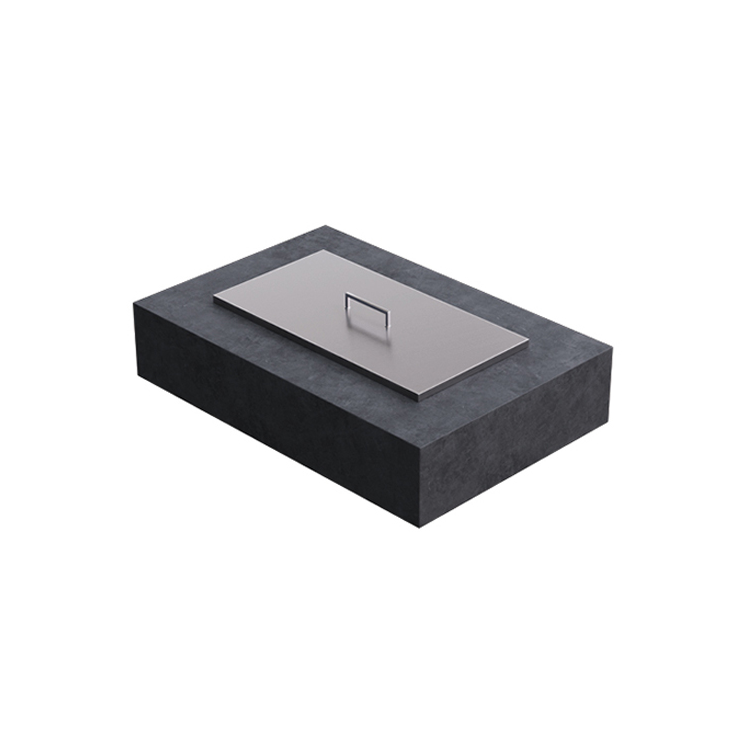
A full-height fire table replaces a standard outdoor dining table. You eat around the flame, which stays lower-profile beneath the table surface, providing ambient warmth rather than a blazing focal point. This layout suits smaller patios where you want one surface to do double duty. Some models include a cover plate that sits over the burner when it’s off, turning the whole thing into a regular dining table.
Materials to Look For
The table body is usually concrete, powder-coated steel, aluminium, or natural stone. Concrete and natural stone are the most popular in SA right now — they photograph well, weather beautifully, and suit the earthy, modern-rustic aesthetic that’s common in Cape Town and Johannesburg renovation projects. Aluminium frames are lighter and corrosion-resistant, which makes them better near water or coastal areas. Powder-coated steel looks smart but needs touch-up care if the coating chips.
If you’re thinking about how a fire table fits into a broader patio upgrade, it helps to think about the full picture — designing your outdoor kitchen and prep area at the same time as your fire feature means you can plan gas lines, lighting circuits, and furniture flow in one go rather than retrofitting later.
Where to Put Your Fire Table
Placement matters for both safety and comfort. A few South Africa-specific considerations:
- Prevailing wind. Cape Town’s southeaster and the Highveld’s afternoon thunderstorm winds can blow flame sideways and carry embers from decorative materials. Position your fire table with its back to the prevailing wind, or choose an enclosed burner design (sometimes called a closed-top or recessed-bowl design) that naturally shields the flame.
- Clearance above. No overhead combustibles within 90 cm. A slatted timber pergola above a fire table is technically fine if the slats are 90 cm or more above the burner, but check with the installer. Reed matting, thatch, and low-hanging string lights are not fine.
- Distance from the house. Most insurers and building codes recommend at least 2–3 m from any structure for a portable or semi-permanent gas appliance. Permanently plumbed-in fire tables should be inspected and signed off by a certified gas installer.
- Paving surface. Fire tables placed directly on timber decking are a risk. A paving, tile, or concrete slab base under the unit is safer and avoids heat staining on wood.
Done well, a fire table dramatically extends your outdoor living season through autumn and winter months — and that added usability has a measurable impact on how often you actually use your outdoor space.
What Does a Fire Table Cost in South Africa?
Entry-level imported fire tables (usually powder-coated steel, 50–60 cm diameter bowl) start from around R4,000–R7,000. Mid-range concrete or cast-aluminium models with better burners run R10,000–R18,000. Premium custom or locally fabricated units in natural stone, corten steel, or brushed stainless — with a matching lava-rock kit and recessed ignition — can reach R25,000–R45,000 or more depending on size.
Installation cost depends on whether you want a portable unit (essentially zero installation, just connect a regulator and cylinder) or a plumbed gas line. A plumbed connection from your existing gas supply or a concealed 48 kg cylinder typically adds R3,000–R8,000 depending on the distance run and whether it needs to go through a wall or under paving.
When you look at those numbers alongside the ROI of a custom outdoor kitchen, it becomes clear that fire features — braais, fire pits, fire tables — consistently return value in both lifestyle terms and property appeal.
Pairing a Fire Table With Your Existing Outdoor Setup
A fire table works best as one part of a cohesive outdoor living area. The most common pairing is a fire table for ambient warmth and social seating, plus a dedicated cooking braai for the food. If you haven’t explored our range of braais yet, it’s worth doing so alongside your fire table research — the two products complement each other rather than compete.
For smaller patios, a freestanding braai is an easier starting point than a built-in, and frees up space for a fire table to act as the social anchor. For larger gardens or properties with space for a covered entertainment structure, combining a custom-built braai with a fire table and a thoughtfully built fire pit area creates three distinct zones — cooking, dining, and lounging — that different guests naturally gravitate toward at a party.
If you want an expert eye on how this all fits together for your specific property, our team handles both outdoor braai installation in Cape Town and fire pit feature work, and can advise on materials, gas supply, and layout in a single site visit.
Frequently Asked Questions
Can I use a fire table on my balcony or small apartment patio?
It depends on the space and your body corporate rules. Many sectional title schemes now classify gas appliances on balconies as requiring trustee approval. For balconies smaller than about 10 m², the smoke and heat from even a low-BTU fire table can be uncomfortable for you and neighbouring units. Bioethanol tabletop fire bowls are a better option for very small or enclosed balconies — they’re low-heat, flameless in the sense of no smoke, and genuinely portable.
Is a gas fire table dangerous?
A properly installed and maintained gas fire table is no more dangerous than a gas braai or a gas stove. The main risks are user error (leaving gas running unattended, blocking the air intake, or connecting the wrong regulator) and physical damage to the hose. Always switch off the cylinder valve when the table is not in use. If the unit smells of gas when you ignite it, do not try to light it — call a certified gas installer.
How much heat does a fire table actually put out?
South African gas fire tables are typically rated between 12,000 and 40,000 BTU. To put that in perspective, a small gas heater runs around 10,000–15,000 BTU. A mid-range fire table at 25,000 BTU will meaningfully warm a circle of 4–6 people seated within 2 m of the flame. They’re not a substitute for indoor heating but they’re genuinely effective for an open-air patio environment down to about 8–10°C, which covers most SA winter nights comfortably.
Does a fire table need a flue or chimney?
No. Because the burner is open to the sky, combustion gases disperse naturally. This is the biggest practical advantage over an indoor gas or wood fireplace — no flue work, no chimney, no ventilation requirements beyond standard outdoor air clearance. It’s one reason fire tables can be positioned almost anywhere on a covered patio with reasonable overhead clearance.
Ready to Add a Fire Table to Your Outdoor Space?
A fire table is one of the simplest outdoor upgrades that makes a disproportionate difference to how a space feels and how often you use it. If you’d like advice on which model suits your patio size, gas supply setup, and budget, get a free installation quote from our team — we’ll help you work through the options and get something that looks great and lasts.
Related reading
- Fire Pits for Sale in South Africa: 2026 Prices & Buyer's Guide
- How to Choose an Indoor Braai Stand (Without Getting Stuck With the Wrong One)
- Need it done professionally? See our braai installation in Cape Town service.
Planning this kind of work?
Call or WhatsApp with your suburb and photographs. Fire Flames can discuss your fireplace, braai or home project and quote.
Get A Quote →