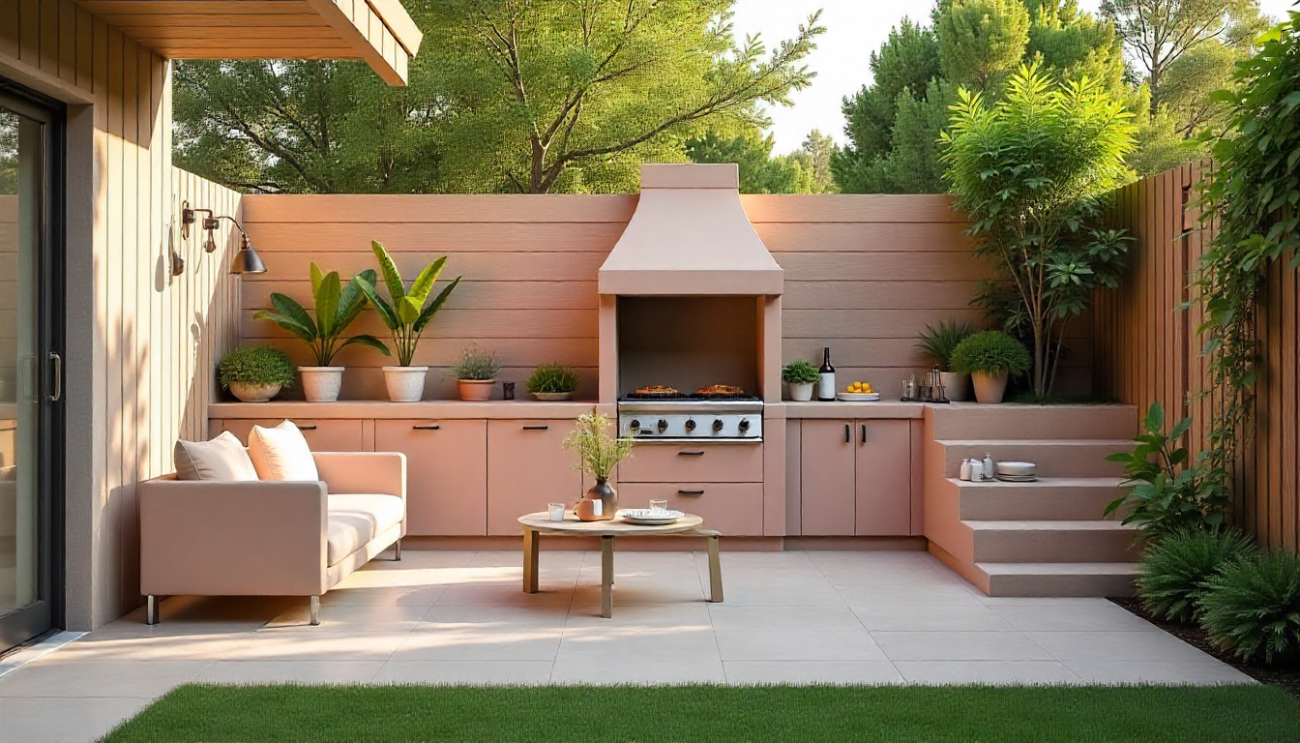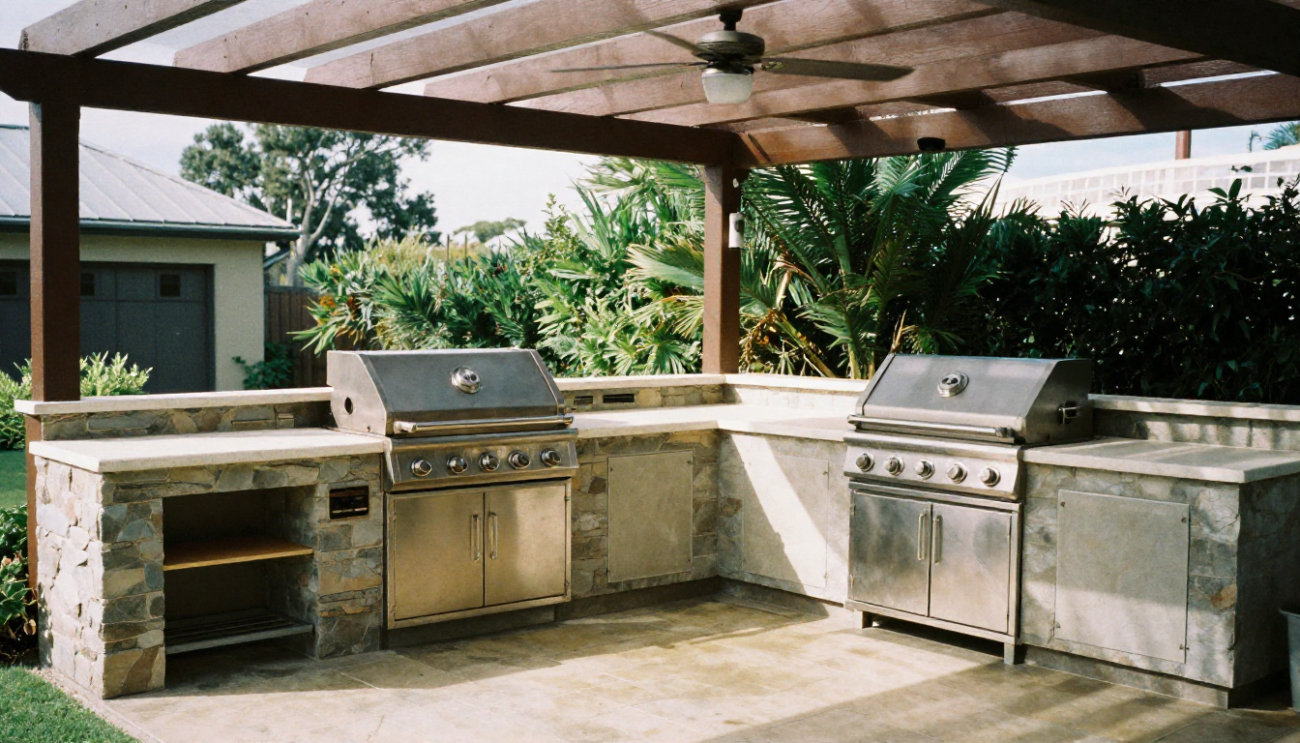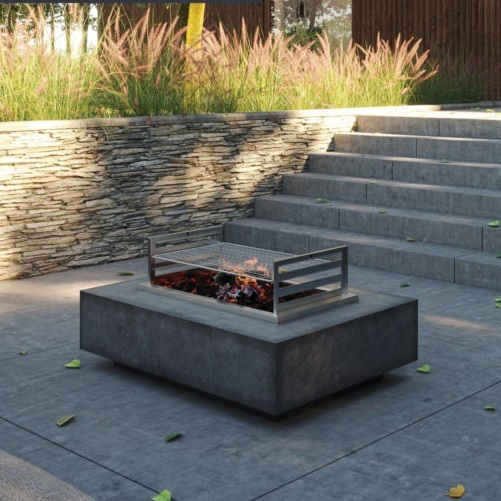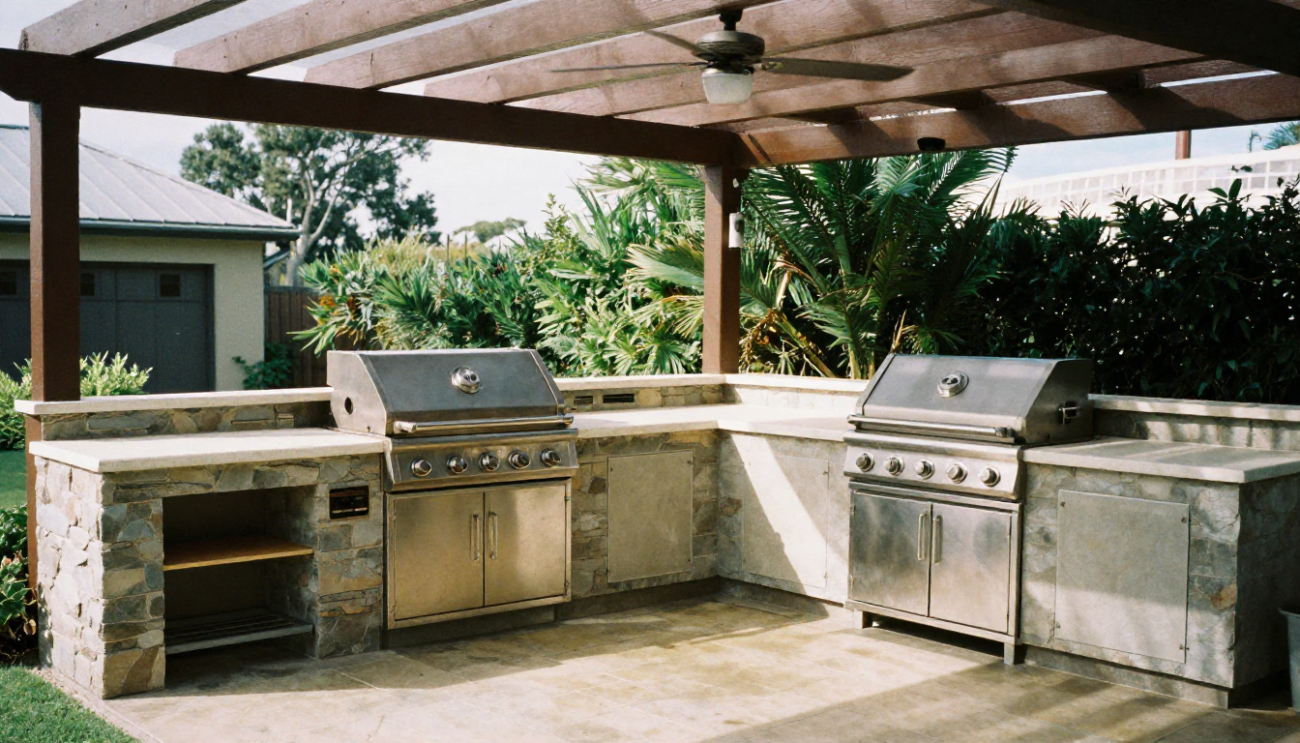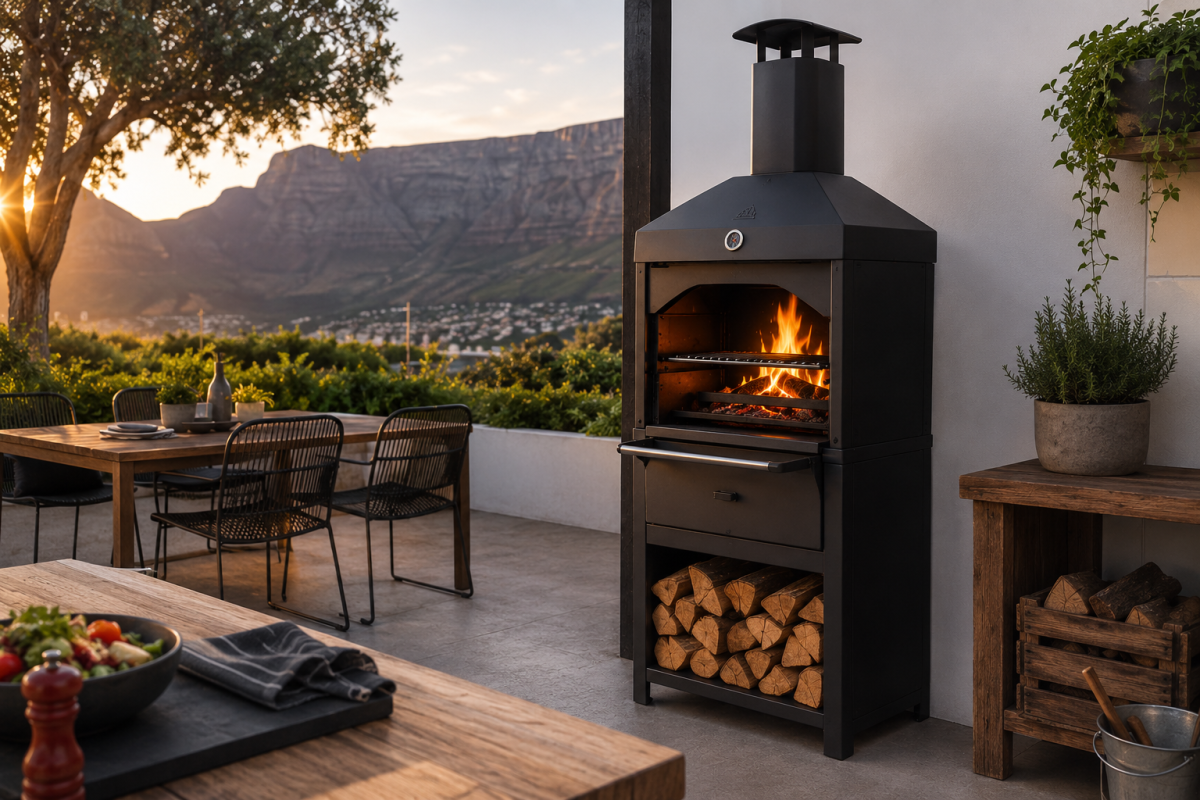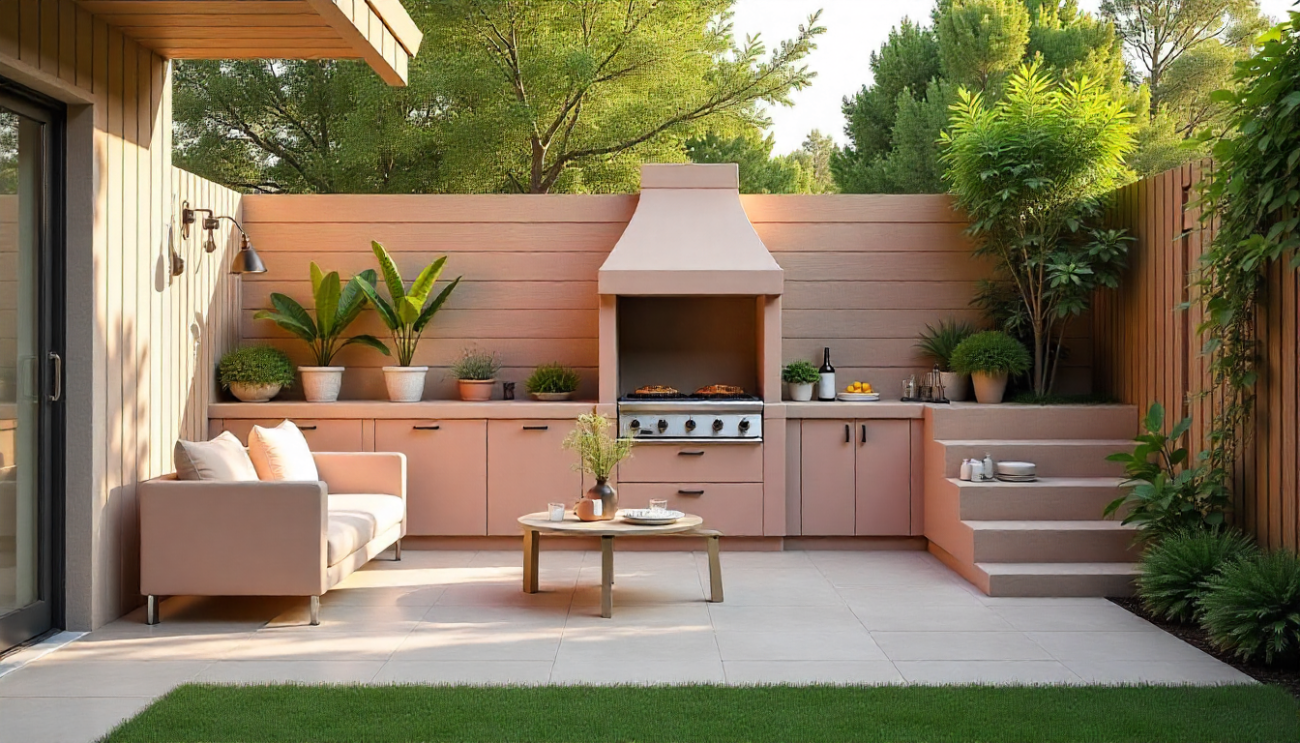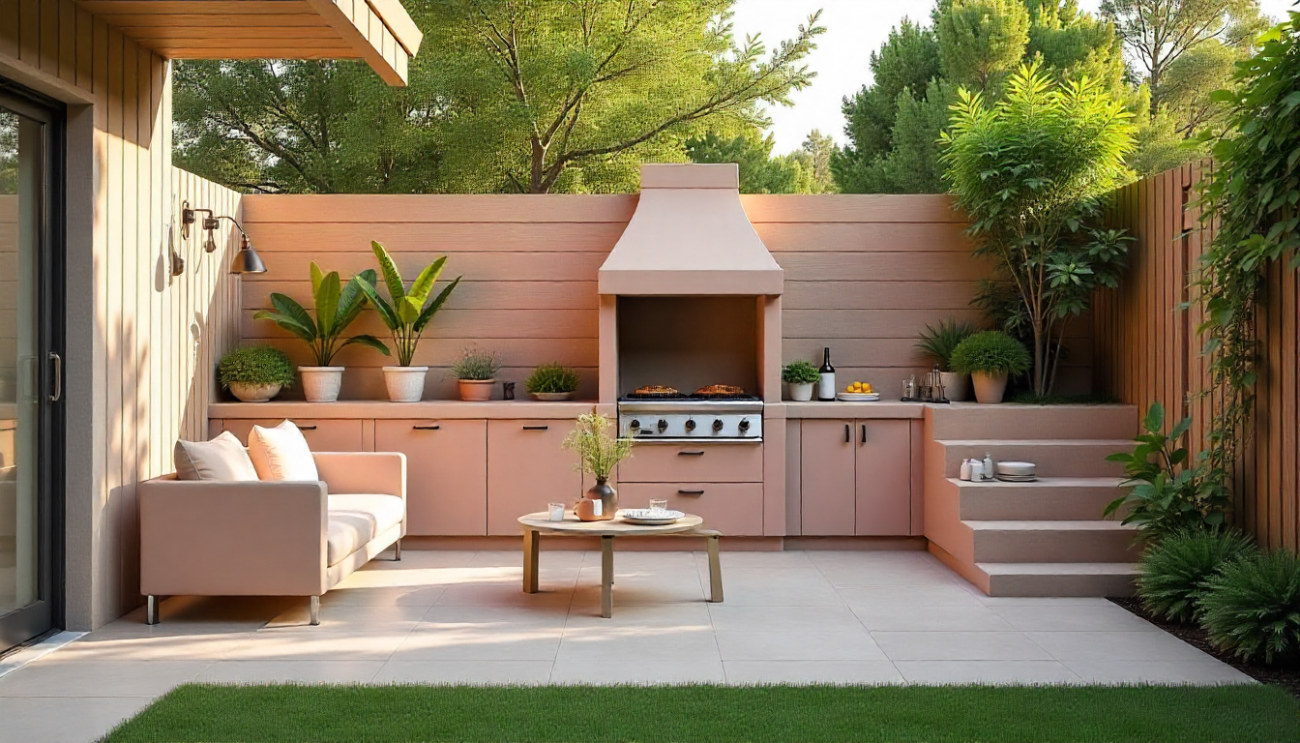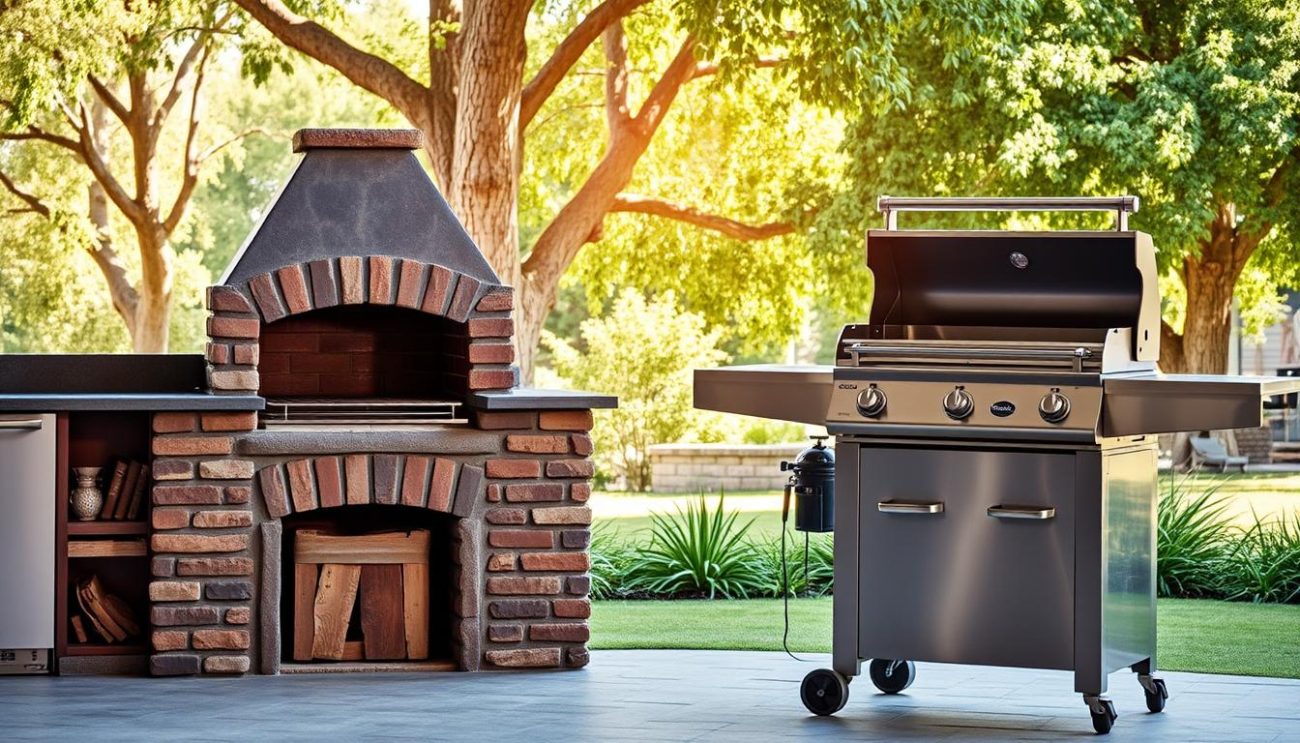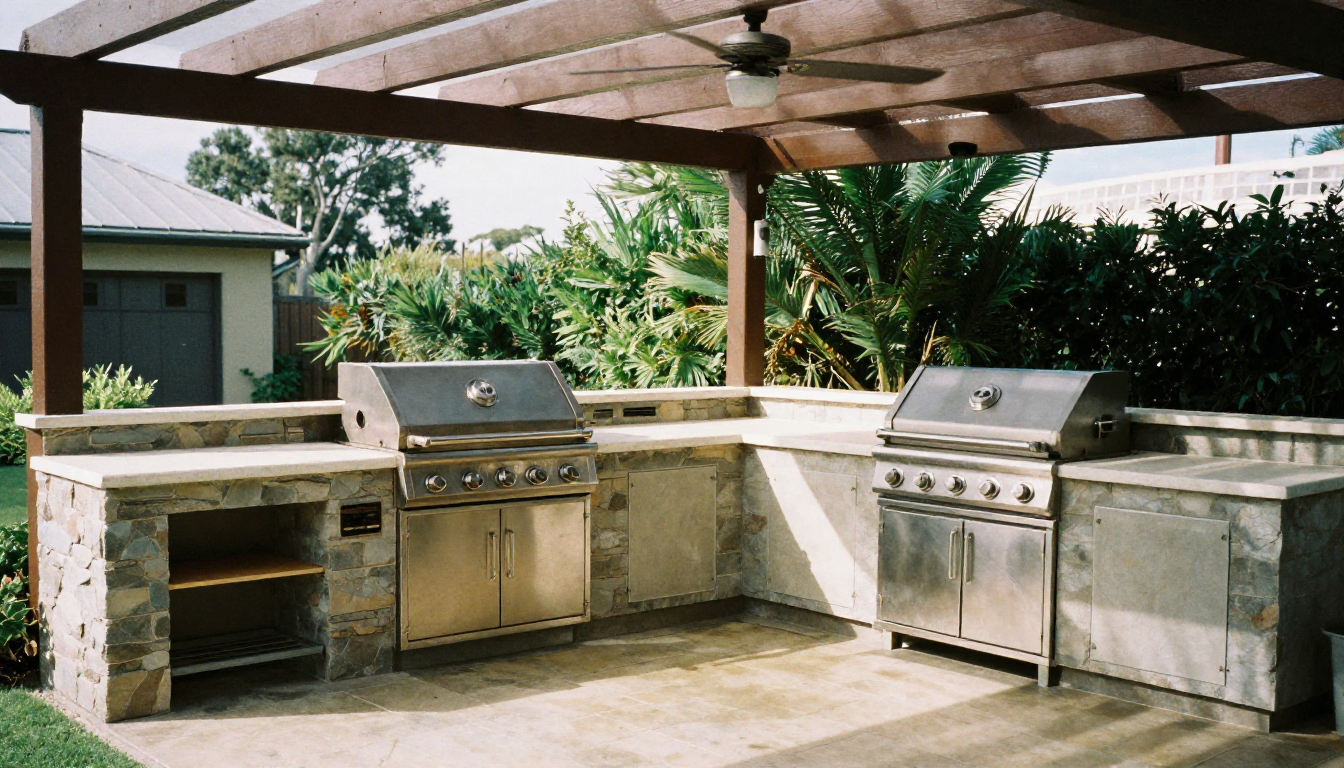

Getting the built in braai dimensions right before construction begins is the single decision that saves the most time, money and frustration down the line. Too small and you’re cooking in batches for twelve guests; too large and the firebox never fills properly, leaving you with a sluggish fire and uneven heat. Browse our range of braais to see which units fit each standard size class before you commit to cavity dimensions with a builder.

This guide breaks down the three standard widths — 600mm, 900mm and 1200mm — and what each one delivers in practice: cooking area, firebox volume, wood load, and which households or entertaining styles each size genuinely suits.
Why Built-In Braai Dimensions Matter More Than You Think
A built-in braai is a permanent structure. Unlike a freestanding unit you can swap out in an afternoon, the brickwork or steel frame is built to last decades. Getting the built in braai dimensions wrong means living with the consequences — or paying for a demolish-and-rebuild that typically costs as much as the original installation.
There are three dimensions that matter: width (the cooking width, and what most suppliers quote), depth (front-to-back, which determines how large a fire you can sustain) and height of the firebox opening. All three interact. A wide but shallow braai runs out of wood space quickly; a deep but narrow one may struggle to produce even heat across the grill.
If you’re combining the braai with a full outdoor kitchen, you’ll also need to plan counter space and extract placement around the unit — our guide to designing your outdoor kitchen with a braai and prep area walks through exactly that.
Built-In Braai Dimensions: The 3 Standard Sizes Explained
South African braai units — whether stainless steel inserts, cast iron or bricked-in open hearths — tend to cluster around three widths. Here’s what each one actually delivers:
600mm Wide — The Compact Option
A 600mm built-in braai typically has a firebox depth of 400–450mm and an opening height of around 350–400mm. Cooking area lands at roughly 0.18–0.22 m² — enough for four to six portions of meat side by side without overcrowding.
This size suits a small patio or a city courtyard where space is the constraint. A couple cooking for a family of four on a weeknight will find it plenty. It’s also the right choice when the braai is inset into a narrow entertainment wall where a wider unit would look disproportionate.
Expect to pay in the region of R8,000–R18,000 for a 304-grade stainless steel insert at this width (materials only; installation labour is separate). Budget units in thinner steel run cheaper but won’t hold up to coastal salt air — 304 stainless is the minimum grade worth specifying, especially in Cape Town and along the Garden Route.
900mm Wide — The Most Popular Size
The 900mm width is the workhorse of the SA built-in braai market. Firebox depth typically runs 450–550mm; opening height 400–450mm. Cooking area is roughly 0.36–0.40 m² — you can comfortably grill ten to twelve portions without stacking or constant rotation.
This size handles the typical South African family braai: a dozen people, a mix of chops, boerewors and chicken, and no stress about timing. It’s also the standard spec for most products in our built-in braai range, meaning you have the widest selection of insert models to choose from.
Steel insert pricing at 900mm sits roughly in the R15,000–R30,000 range for quality units. A fully bricked-in custom build without a steel insert can be done for less, though you lose the cleanability and heat-retention advantages of an insert liner.
1200mm Wide — Large-Format for Serious Entertaining
A 1200mm built-in braai is genuinely large. Depth typically hits 500–600mm; firebox height 450–500mm. You’re looking at 0.6 m²+ of cooking area — enough to grill for twenty or more without a second batch.
This format suits a dedicated outdoor entertainment area, a large patio designed for regular hosting, or anyone who entertains 15–20 guests regularly. At this scale, the braai almost always anchors a full outdoor kitchen island with counter space, storage and a cold tap. Our post on custom braai islands with built-in lighting and countertops has plenty of inspiration for how to spec the rest of the space around a large-format unit.
Stainless steel inserts at 1200mm typically run R25,000–R55,000+ for premium units. Full custom island builds push total project costs into the R60,000–R120,000 range depending on finish, materials and complexity.
Depth and Height: The Dimensions Buyers Most Often Overlook
Width gets all the attention, but depth and opening height are equally important for fire performance.
Depth determines how large a wood load you can maintain. A shallow firebox (under 400mm) limits you to short logs and requires constant reloading. Ideal minimum depth for sustained cooking is 450mm. If you’re planning long, slow-cook sessions — a whole shoulder, a leg of lamb — go to 500mm minimum so you can maintain a deep coal bed without the fire dying back.
Opening height affects draw and smoke management. Too low and smoke can spill into the entertaining area on still nights; too high and heat escapes upward rather than reaching the grill. The standard 380–450mm opening height pairs well with most braai flue systems used in Cape Town and coastal installations. Your installer will size the flue diameter and stack height to suit your specific site — a correctly proportioned flue draws smoke cleanly even in the light wind and berg-wind conditions common in the Western Cape.
Brick Surround vs Stainless Steel Insert: Does It Change the Dimensions?
Yes — but less than people expect. A stainless steel insert brings its own firebox, so the cavity you build needs to match the manufacturer’s cutout spec exactly (usually the external insert dimensions plus 10–20mm of clearance on each side for thermal expansion). A purely bricked-in open braai is dimensioned by the builder directly to your brief.
The practical implication: if you’re buying a specific insert, get the exact external dimensions and cutout requirements from the manufacturer before the bricklayer pours a slab. Local suppliers like Megamaster publish cavity requirements alongside each unit on their product pages. Building the cavity 20mm too narrow means the insert doesn’t fit; 50mm too wide creates a cold-air bypass around the liner that robs you of heat and draws smoke into the patio.
For gas braais, LP gas supply line positioning also has to be planned into the cavity from day one — retrofitting a gas line through finished brickwork is expensive and rarely tidy. Our comparison of gas vs wood braais and which is more economical is worth a read if you’re still deciding which fuel type to build for.
What to Tell Your Installer Before Building Starts
Share these four points with your installer before a single brick is laid:
- How many people you typically host — this drives the width choice more reliably than floor area or rough patio size.
- Wood or gas — gas inserts have stricter cavity ventilation and gas-line requirements; specify the fuel type early so the cavity is built to the right clearances.
- The specific insert model — hand the installer the manufacturer’s cutout spec sheet, not just the nominal width. A nominal 900mm insert may have a 940mm external frame.
- Patio orientation and wind direction — this affects the flue height needed for reliable draw. South-east-facing patios in Cape Town often need taller stacks to overcome the southeaster.
Once the build is scoped, professional braai installation from an experienced team ensures the firebox dimensions are executed correctly and the flue proportions match your site. Our team installs across the Cape Town metro and can advise on optimal dimensions during an on-site consultation. If you’re weighing up whether a freestanding unit might be a better fit, our guide to choosing the best freestanding braai for your outdoor space is a useful comparison.
Ready to finalise the spec? Request a free installation quote and we’ll confirm the right built-in braai dimensions for your patio and entertaining style before anything goes to concrete.
Frequently Asked Questions About Built-In Braai Dimensions
What is the standard width for a built-in braai in South Africa?
The most common built-in braai width is 900mm, which suits households regularly entertaining 8–15 people. 600mm is right for smaller patios or couples; 1200mm is the choice for large outdoor entertainment areas and frequent big gatherings.
How deep should a built-in braai firebox be?
A minimum firebox depth of 450mm is recommended for general use. For long slow-cook sessions with larger cuts of meat, 500mm or more lets you maintain a bigger wood bed without constant reloading. Shallower than 400mm and you’ll be restocking the fire every 20 minutes.
Can I change built-in braai dimensions after the brickwork is done?
Only with demolition. Built-in braais are permanent structures — if you’re unsure about size, build slightly larger. You can always moderate a big fire, but you cannot expand a firebox without rebuilding the surround. When in doubt, size up by one tier.
Does the braai insert brand affect what cavity dimensions I need?
Yes. Every steel insert has published external dimensions and recommended cavity clearances. Get the exact cutout spec from your supplier before construction starts and share it with your builder — a mismatch of even 20mm can cause fitting problems or cold-air bypass around the liner that degrades both heat output and smoke draw.
Related Reading
- Outdoor Braai Installation in Cape Town: What to Expect
- Custom Braai Islands: Built-In Lighting, Countertops and More
- Designing Your Outdoor Kitchen With a Braai and Prep Area
- The Best Freestanding Braai for Your Outdoor Space
- Extend Your Outdoor Living Season With Braais and Fire Pits
Related reading
- Fire Pits for Sale in South Africa: 2026 Prices & Buyer's Guide
- How to Choose an Indoor Braai Stand (Without Getting Stuck With the Wrong One)
- Need it done professionally? See our braai installation in Cape Town service.