Choosing the Right Stainless Steel Built-in Braai: A South African Buyer’s Guide

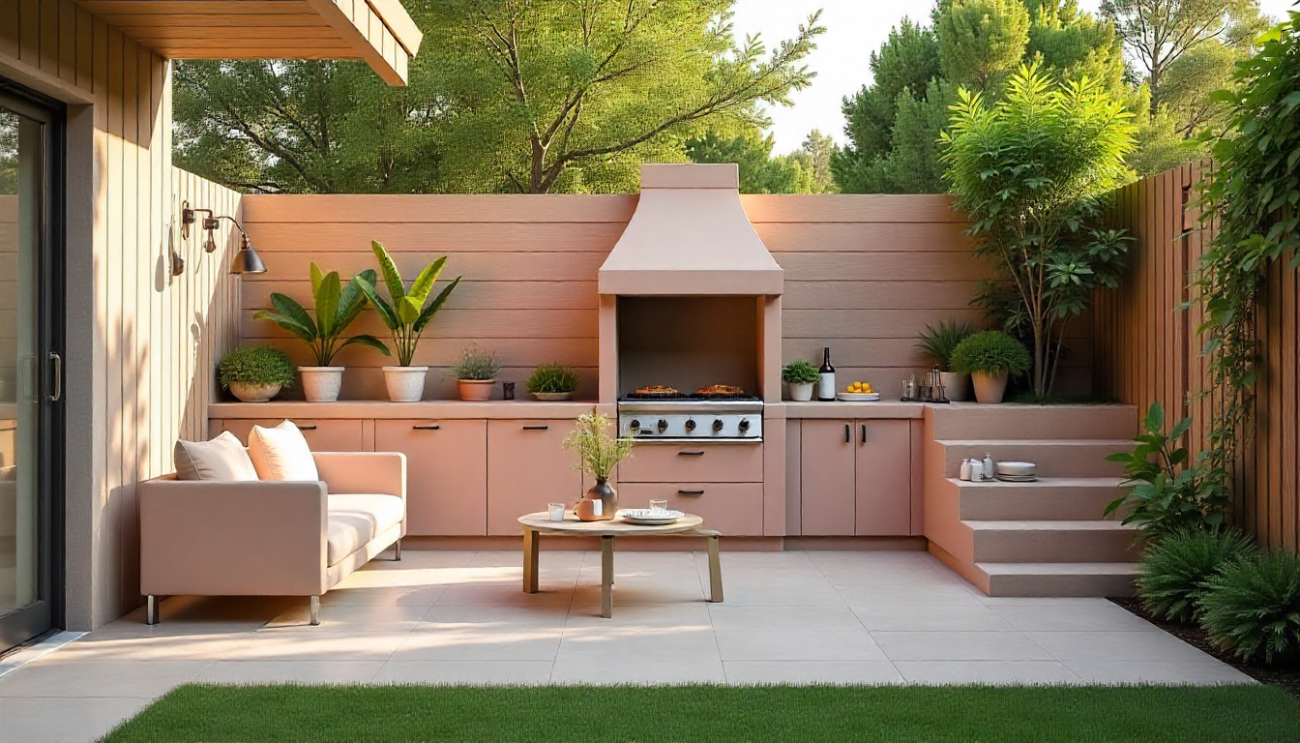
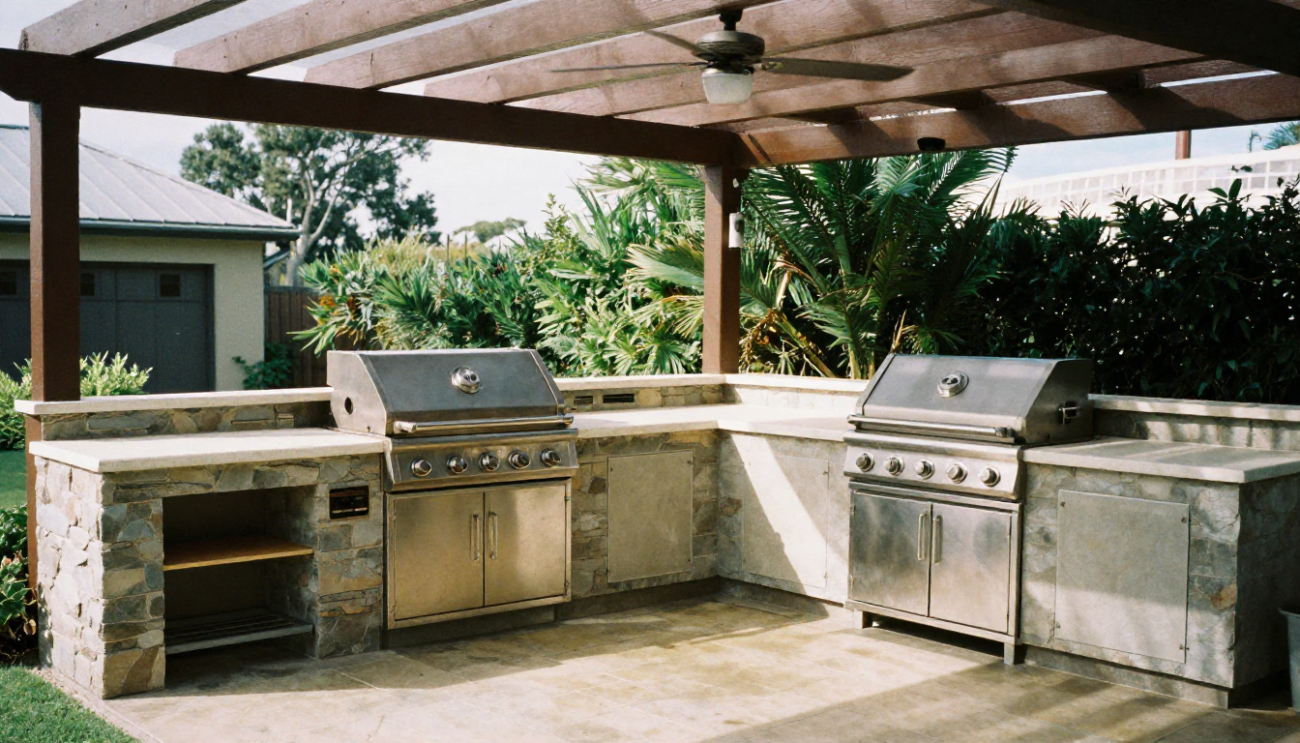
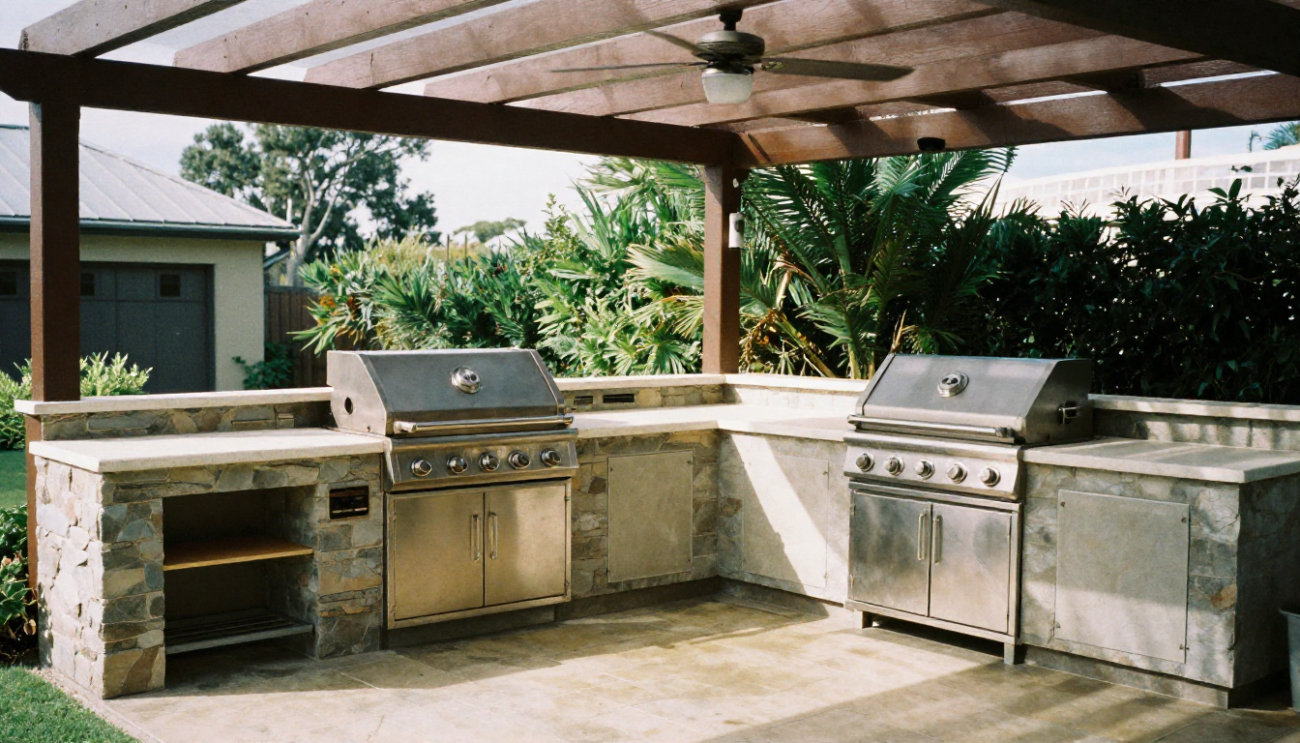
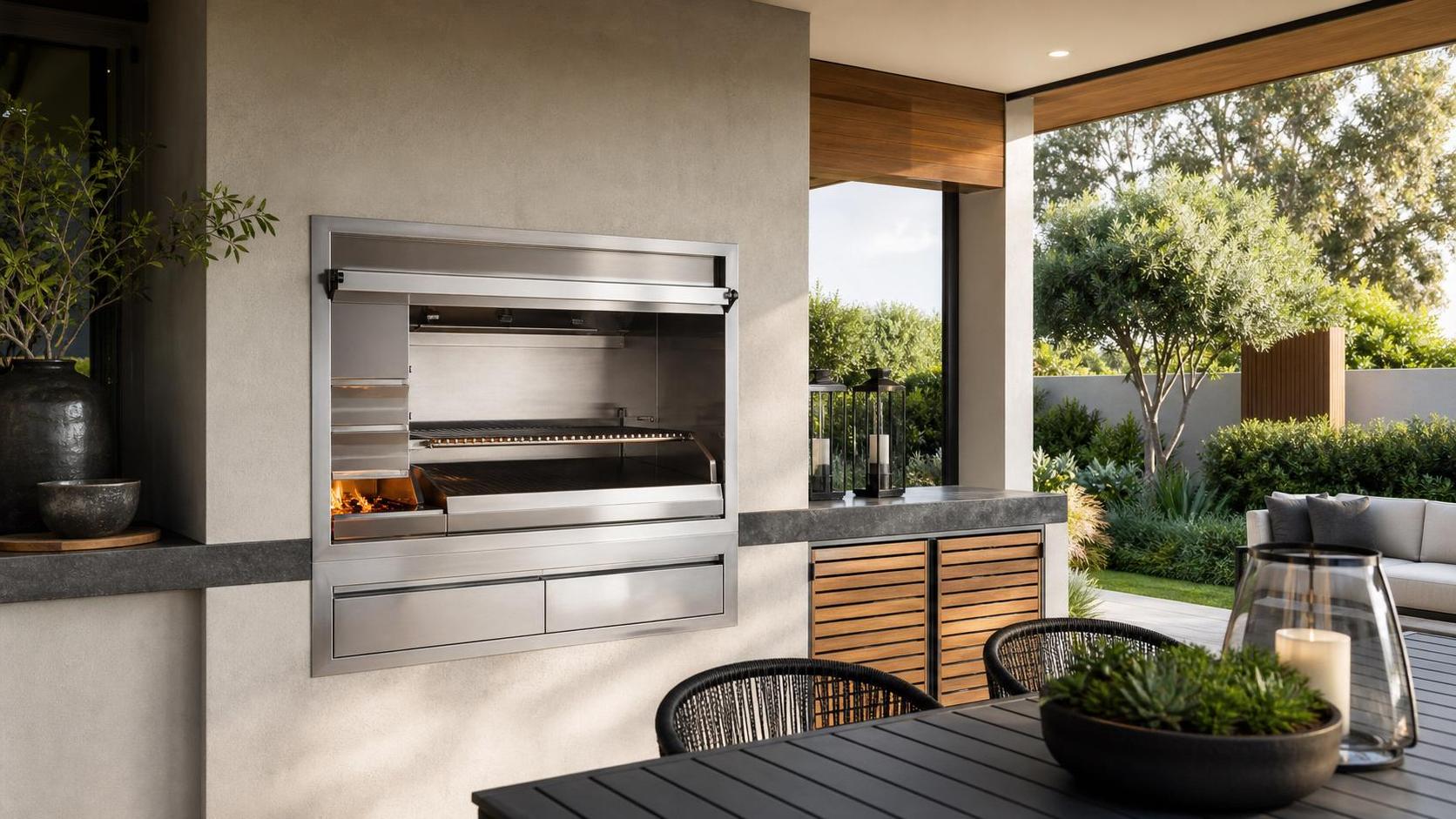
A stainless steel built-in braai is one of the most enduring upgrades a South African homeowner can make. Unlike a freestanding unit you wheel out and wheel back in, a built-in braai becomes a permanent fixture — part of your home, part of your outdoor lifestyle, and a genuine asset when it comes time to sell. Browse our built-in braai range to see what’s currently in stock.
For general fire prevention context, the Fire Protection Association of Southern Africa is a useful independent safety reference.
The question is which one. Walk into any braai showroom and you’ll find units ranging from R4,500 entry-level boxes to R40,000 premium stainless-steel beasts with gas burners, ash drawers, and adjustable grids. Getting it wrong is expensive. This guide cuts through the noise to help you choose the right stainless steel built-in braai for your space, your cooking style, and the realities of South African conditions — including coastal salt air and load shedding.
Why 304-Grade Stainless Steel Is the Only Sensible Choice for SA
Not all stainless steel is the same — and this distinction matters enormously if you live in Cape Town, Durban, or anywhere within 10–15 km of the coast.
Most quality built-in braai units are made from 304-grade stainless steel (also called 18/8 for its 18% chromium and 8% nickel content). Budget units often use 430-grade ferritic stainless, which contains less nickel and is far more prone to surface rust in humid, salt-laden coastal environments. After two or three winters near the sea, a 430-grade braai that looked sharp in the showroom will have rust blooms around the welds and door hinges.
For coastal properties, 304 stainless steel is not a nice-to-have — it’s the baseline. The price premium (typically R2,000–R5,000 over comparable 430-grade units) pays for itself in longevity.
Thickness matters too. High-quality units use 2 mm or 3 mm plate for the firebox; budget options often spec 1.2–1.5 mm, which warps under repeated high-heat cycles. When comparing braais, ask specifically: “What gauge steel is the firebox body?” Anything under 1.8 mm in a wood-burning unit is a red flag.
Leading SA brands — Northern Flame, Megamaster’s built-in range, and Masterbraais — publish their steel specs openly. Use those as your benchmark when comparing less familiar names.
The Three Types of Stainless Steel Built-in Braai (and Which Suits You)
Wood-Burning Built-in Braais
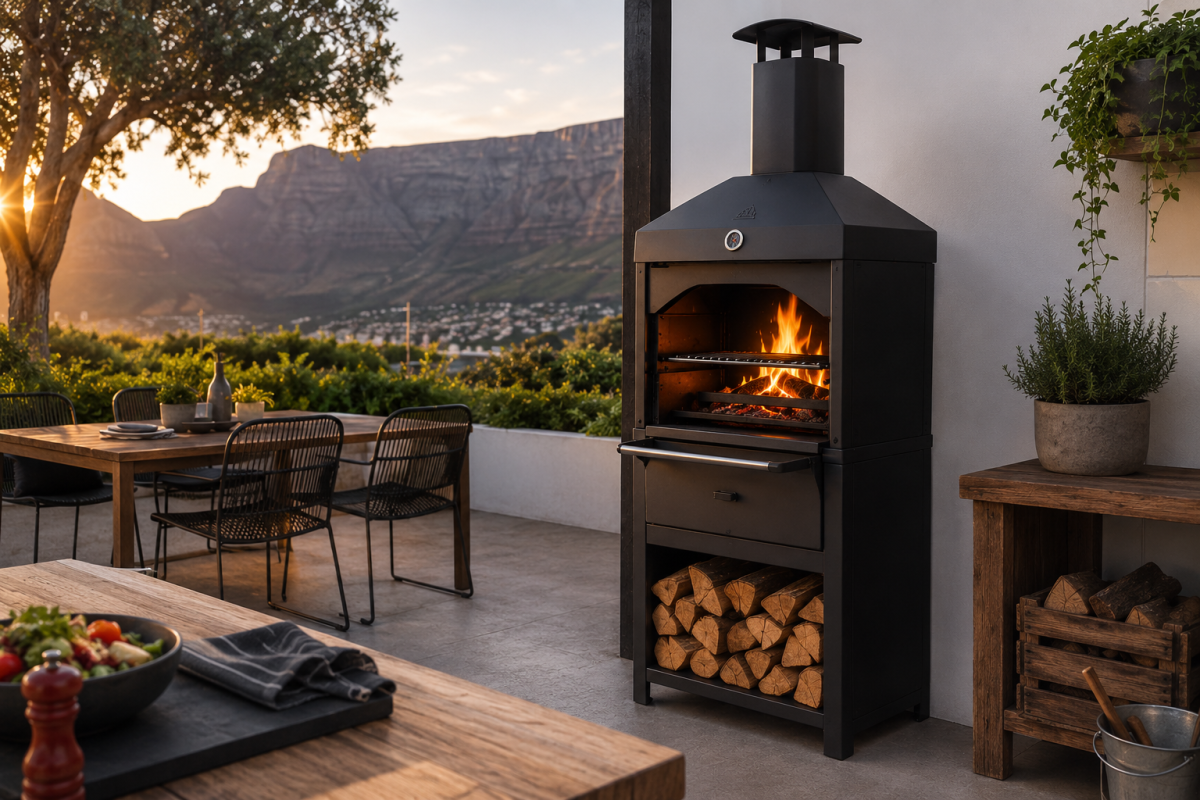
The classic South African choice. A wood-burning built-in braai delivers that irreplaceable smoky flavour, an authentic fire your guests gather around, and zero electricity dependency. Wood is also completely load-shedding-proof — you braai regardless of which stage Eskom puts us on. Quality wood-burning built-in units run from R6,000 to R22,000 depending on size and brand.
The trade-off is convenience: you need dry hardwood (rooikrans and sekelbos are SA favourites), the braai takes 20–30 minutes to reach cooking temperature, and there’s ash to manage after every session. A good ash drawer — standard on premium units, sometimes an optional extra on mid-range models — makes clean-up far more manageable.
Gas Built-in Braais
Gas (LPG) braais light instantly and reach cooking temperature in under ten minutes — a genuine advantage if you’re cooking mid-week after work and don’t want the ceremony of a wood fire. See our gas braai range for current models and pricing.
Running cost is the main consideration. Our detailed breakdown of gas vs wood braais shows that gas typically costs more per session than wood in South Africa, but many owners find the time saving worth the difference. Gas built-in units start from around R8,000 and reach R30,000+ for premium models.
Combo Braais (Wood + Gas)
Combo units give you both: gas to ignite a wood fire quickly on winter evenings, or gas alone for weeknight convenience. Prices start at around R12,000 and climb to R45,000+ for large premium models with multiple burners. If you’re genuinely undecided between fuel types, a combo unit avoids the regret of a hard choice made too soon.
Choosing the Right Size for Your Space
Built-in braai sizes refer to the cooking grid width. Here’s how common SA sizes map to practical use:
- 800 mm — Couples and small families (4–6 people); fits 6–10 steaks side by side.
- 1000 mm — Family of 4–6 with occasional guests; the most popular all-round size in SA.
- 1200 mm — Frequent entertainers hosting 10+ guests regularly; serious braai setups.
- 1500 mm — Large outdoor kitchens and big-group entertaining; restaurant-scale output.
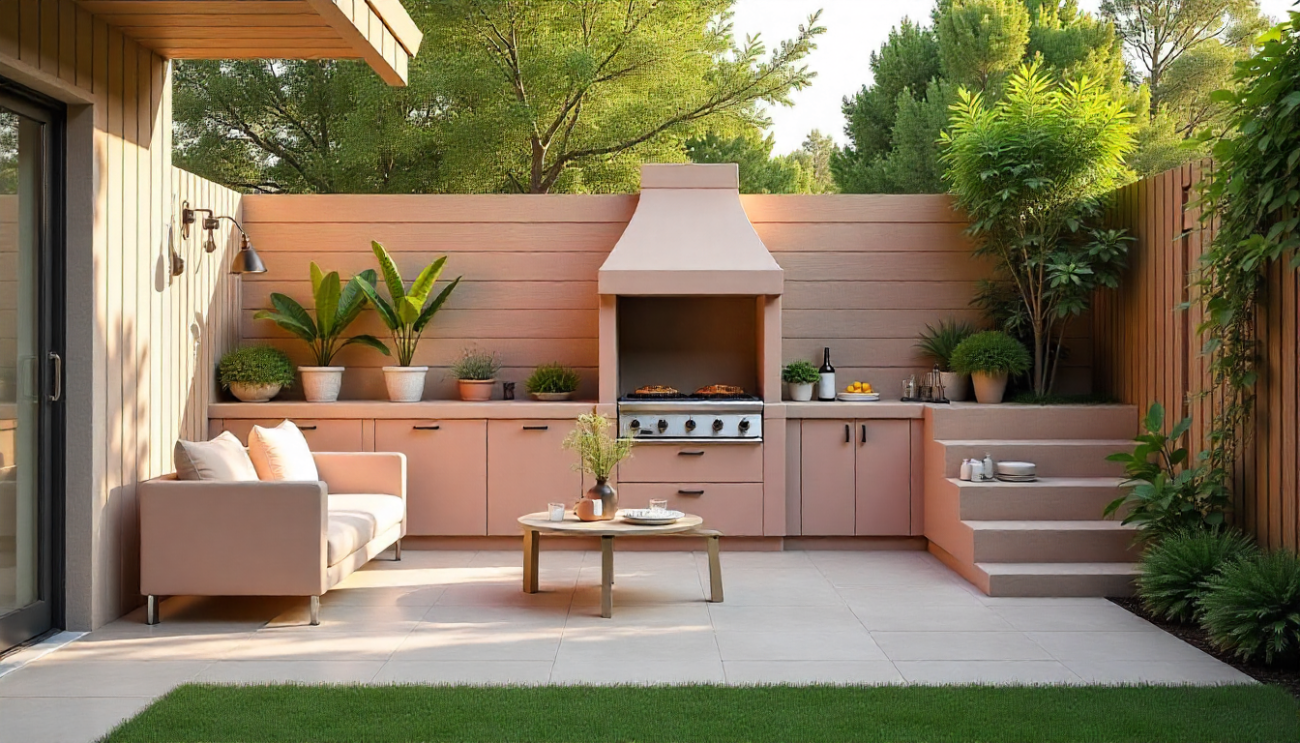
Don’t over-specify. A 1500 mm braai on a modest patio looks disproportionate and wastes fuel when you’re only feeding four people on a Tuesday. The 1000 mm or 1200 mm hits the sweet spot for most SA households. For guidance on how braai sizing integrates with your overall patio layout, our guide on designing your outdoor kitchen covers prep-area proportions and placement in detail.
What Does a Stainless Steel Built-in Braai Cost in South Africa?
Here’s an honest Rand breakdown for 2026:
- Entry-level 800 mm wood (430 SS): R4,500–R7,000
- Mid-range 1000 mm wood (304 SS, 2 mm body): R8,000–R14,000
- Premium 1200 mm combo wood + gas (304 SS): R18,000–R35,000
- Large 1500 mm premium (304 SS): R28,000–R50,000+
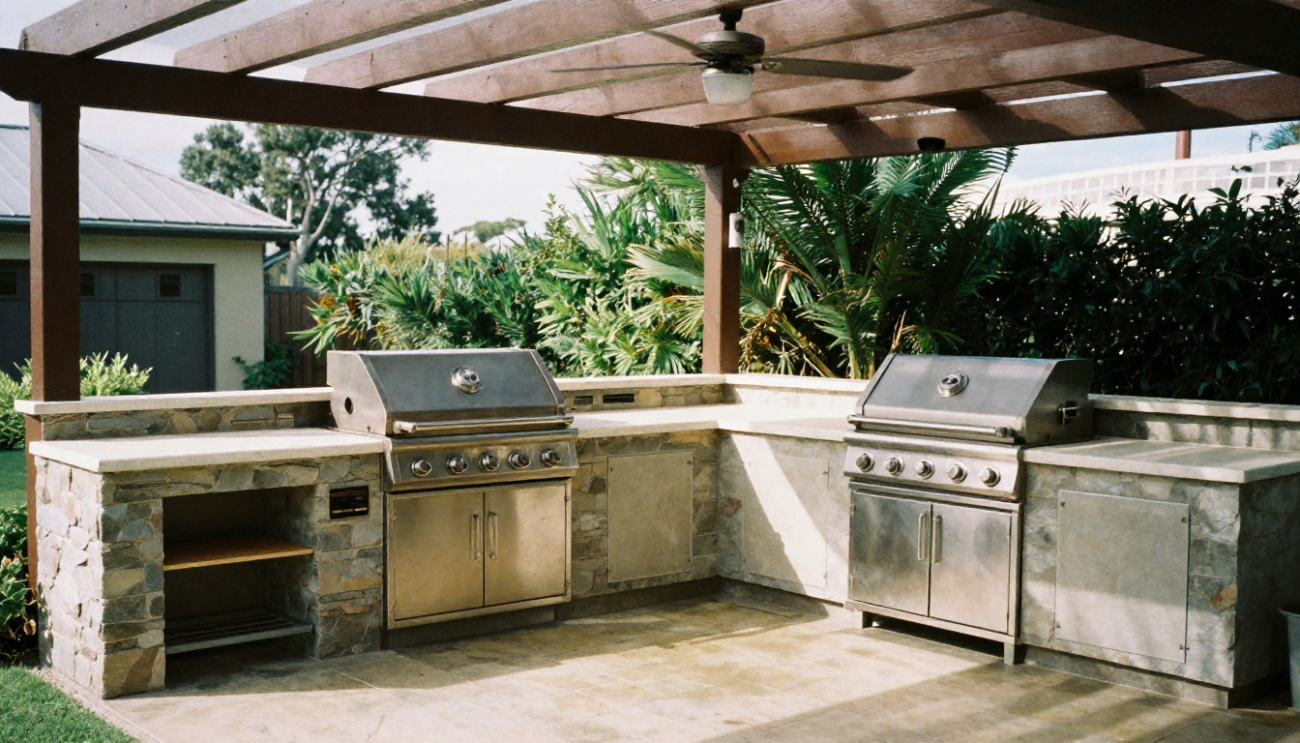
Installation adds significantly to the total. If you’re replacing an existing braai into a ready-made brick surround, installation typically costs R2,500–R5,000. Building a new surround from scratch — brickwork, lintel, face-brick or plaster finish, granite countertop — adds R8,000–R20,000 depending on materials and complexity. A full custom outdoor kitchen island with a built-in braai, prep sink, and cabinetry ranges from R60,000 to R150,000+. For a more detailed regional breakdown, see our outdoor braai installation guide for Cape Town.
Load Shedding and Your Braai Choice
South Africa’s energy reality has shifted many homeowners away from electric appliances. A wood-burning or gas built-in braai operates independently of Eskom — it lights up regardless of load-shedding stage. Several Fire Flame clients have told us their built-in braai has become a genuine cooking backup during prolonged outages, especially those with outdoor kitchens that include a gas burner hob and a prep surface. If you’re building an outdoor setup that doubles as a load-shedding contingency, our guide on how to extend your outdoor living season covers winter setups and power-outage cooking in practical detail.
Six Things to Check Before You Buy
- Steel grade and gauge — 304 SS minimum; 2 mm firebox body preferred for wood-burning units.
- Ash drawer — essential for wood units; non-negotiable if you braai more than once a week.
- Adjustable cooking grid height — lets you control heat without relying solely on airflow dampers.
- Door seals and latch quality — a leaky door makes temperature control difficult and wastes fuel.
- Flue collar size — must match your planned flue system. Our team across our full braai range can advise on compatibility before you commit.
- Warranty — reputable SA brands offer 2–5 year structural warranties; get it in writing, not just verbally.
If you’re weighing built-in against freestanding, our guide to freestanding braais explains the scenarios where a freestanding unit makes more practical sense — particularly for renters or those who move regularly.
Thinking About a Custom Braai Island?
Many Cape Town homeowners combine a stainless steel built-in braai with a full braai island — tiled or granite countertops, a built-in fridge, prep sink, and integrated lighting. The result is an outdoor space that functions year-round and adds meaningful resale value to the property. Our detailed guide to custom braai islands covers materials, design options, and realistic budgets for the Western Cape market.
Frequently Asked Questions
Is 304 stainless steel better than galvanised steel for a built-in braai?
Yes, significantly. Galvanised steel (zinc-coated mild steel) works initially but the zinc coating degrades under high braai temperatures, can release fumes when new, and eventually rusts through in coastal SA environments. 304 stainless steel forms a passive oxide layer that resists corrosion without any coating — it’s the industry standard for built-in braais built to last 15–20 years or more.
How much maintenance does a stainless steel built-in braai need?
Very little under normal use. Brush the cooking grid after each session, remove ash from the firebox weekly if you braai regularly, and wipe the exterior with a damp cloth. For coastal properties, a light application of stainless steel protector (such as Protecta Stainless) every few months keeps the exterior looking new. The flue and chimney should be inspected annually by a professional installer.
Can I convert a wood-burning built-in braai to gas later?
Some models are specifically designed for conversion and ship with provisions for a gas burner tray. Others are not. If you’re genuinely unsure which fuel you’ll prefer long-term, a combo unit is the safer investment — it costs more upfront but far less than replacing an entire braai unit in three years.
What’s the difference between a built-in braai and a braai fireplace?
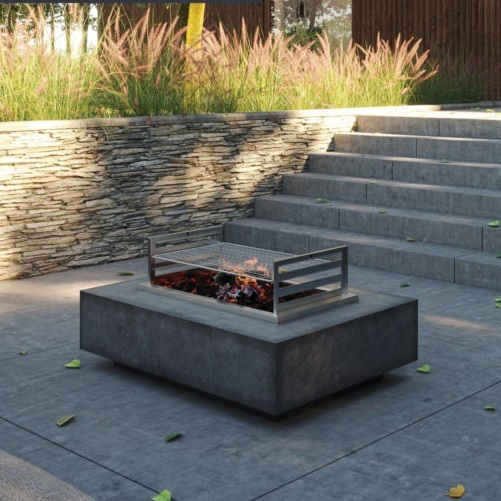
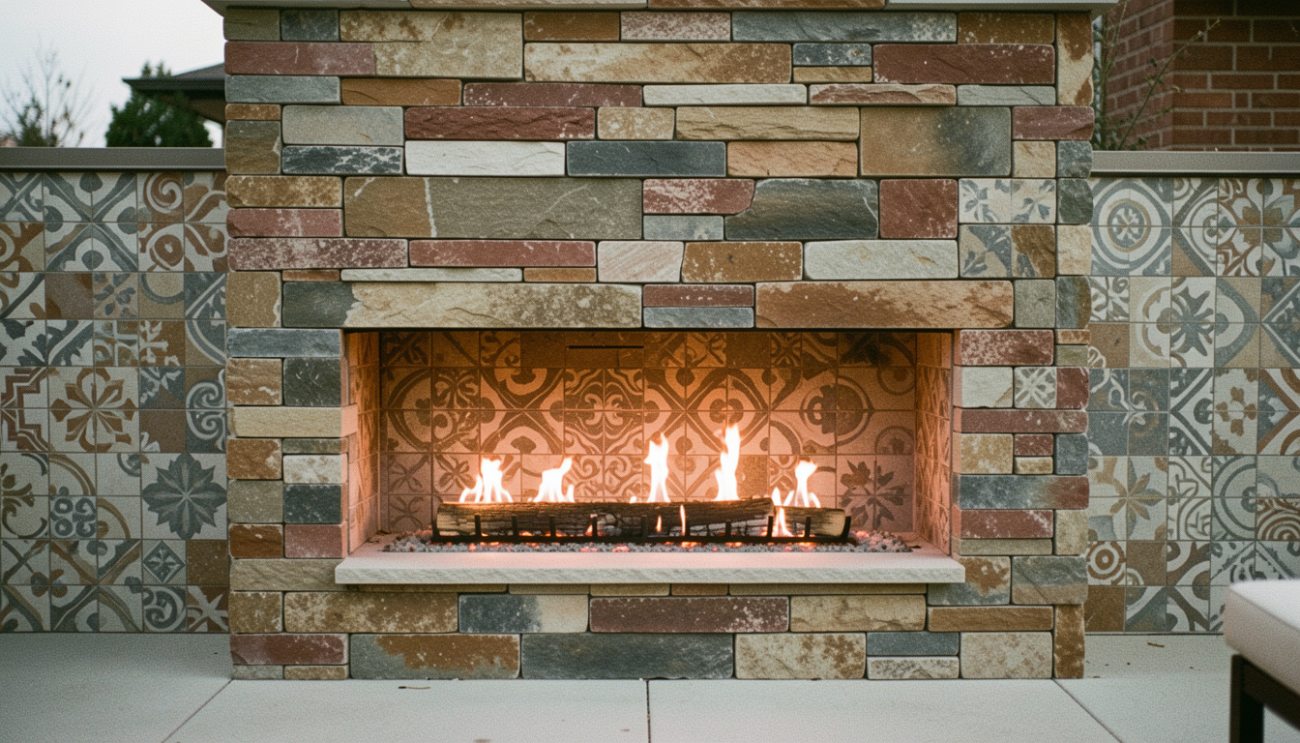
A built-in braai is purpose-built for cooking — it has a cooking grid, adjustable grate, and ash management system. A braai fireplace is a larger SA-specific hybrid: it functions as both an open fire for ambience and a cooking braai, usually with a much larger firebox. Braai fireplaces require a proper flue system similar to a wood-burning fireplace and are common in covered entertainment areas.
Ready to spec the right stainless steel built-in braai for your home? Fire Flame Installers supplies and installs braais across Cape Town and the Western Cape — from simple replacements into existing surrounds to full custom outdoor kitchen builds. Request a free installation quote and our team will help you choose the right unit and plan the surround to suit your space and budget.
Related reading
- Fire Pits for Sale in South Africa: 2026 Prices & Buyer's Guide
- How to Choose an Indoor Braai Stand (Without Getting Stuck With the Wrong One)
- Need it done professionally? See our braai installation in Cape Town service.