A Fireplace in the House: Room-by-Room Guide for South African Homeowners (2026)

Having a fireplace in the house is one of those upgrades that sounds simple until you start planning it. Which room? Which fuel type? How does the flue route through the ceiling? Will it actually heat the space, or just look pretty? These are the questions that trip up most homeowners, and getting them right makes the difference between a fireplace you love and one you regret. Browse our full range of indoor fireplaces when you’re ready to choose — but first, here’s how to think through the decision systematically, room by room.
For general home fire safety guidance, the Fire Protection Association of Southern Africa is a useful independent reference.
Why a Fireplace Inside Your Home Is Different from an Outdoor One
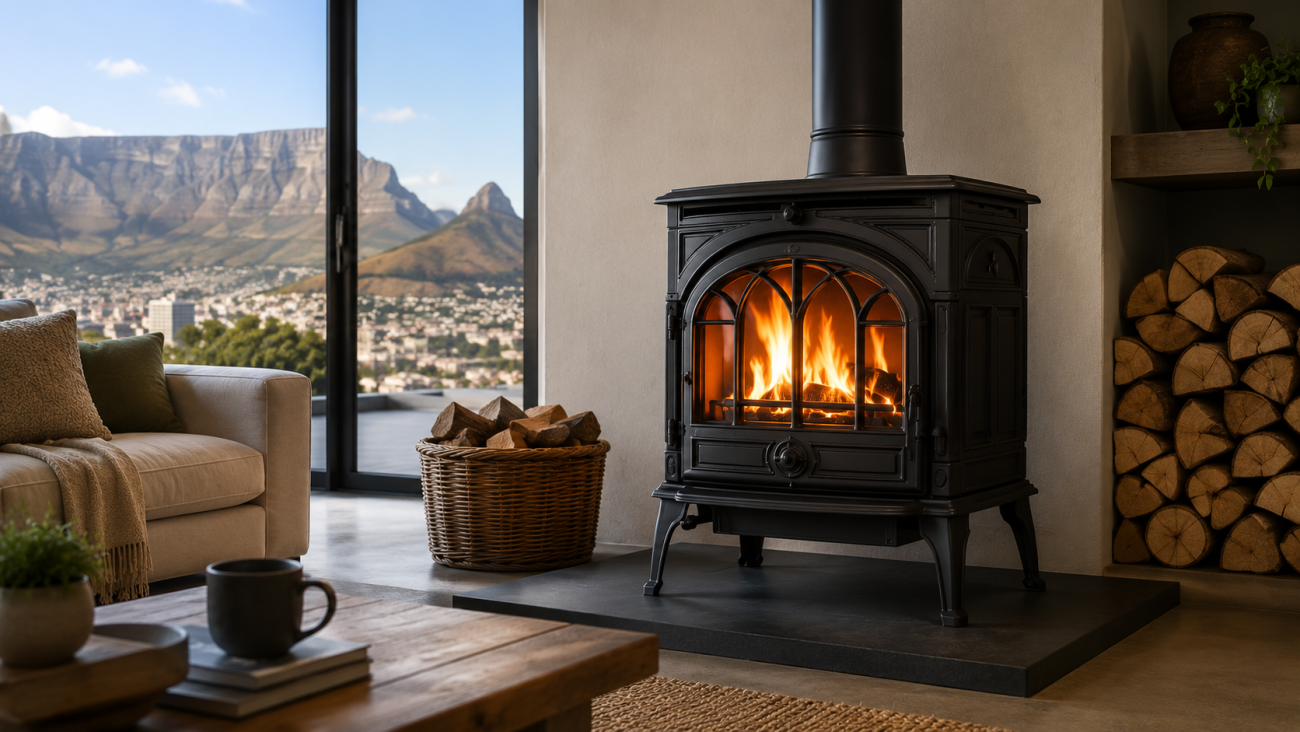
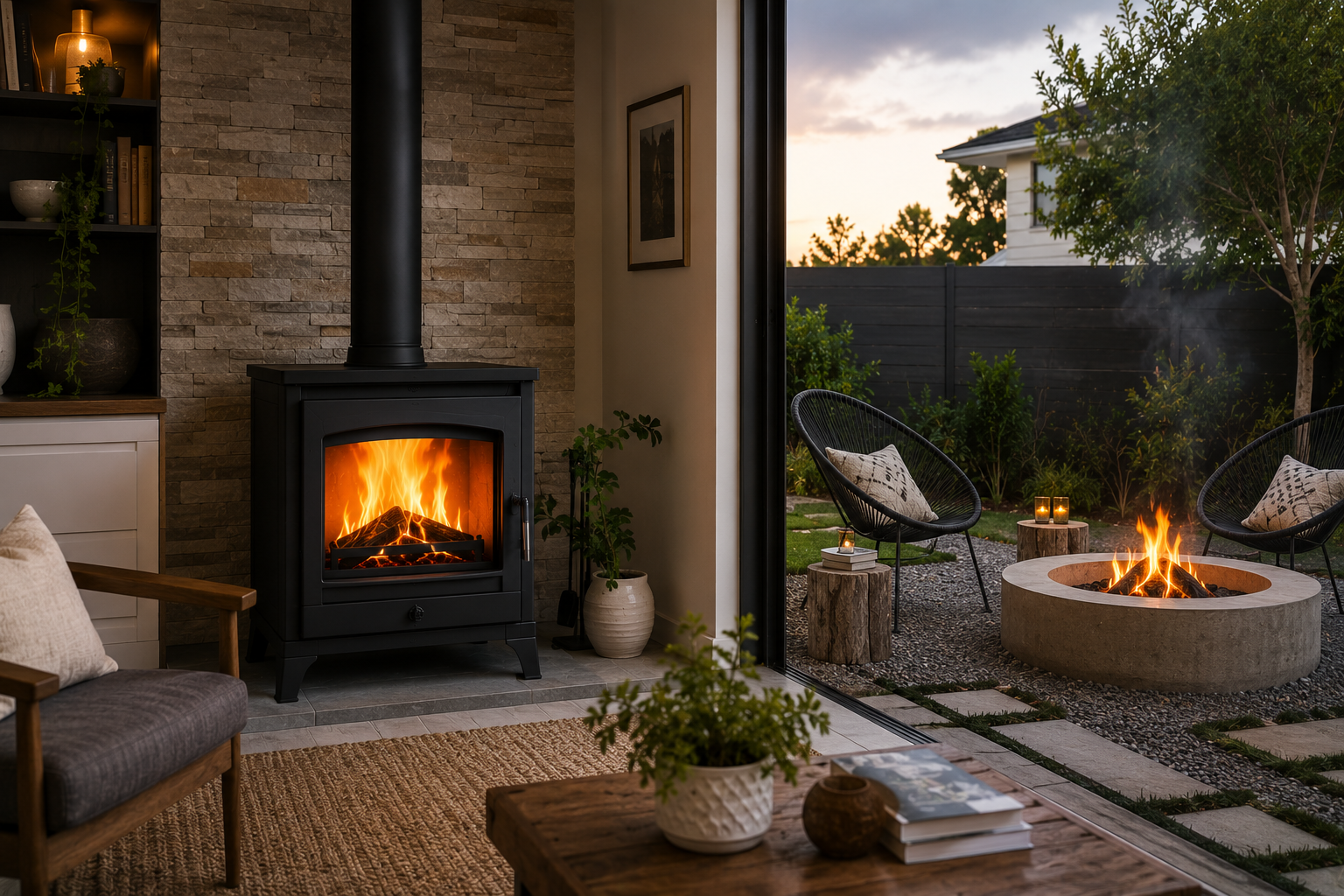
An outdoor braai or fire pit gives you freedom — you can make it as smoky and spectacular as you like because you’re outside. A fireplace inside your house operates under entirely different rules. Combustion byproducts must be completely contained and vented safely. The appliance must be sized to heat the room without overheating adjacent surfaces. And the visual and acoustic presence of the fire is far more intimate — a fireplace in the lounge becomes the room’s focal point every evening from May to August.
That intimacy is precisely why South Africans invest in indoor fireplaces. A well-sized, well-installed unit does something that no underfloor heating or gas heater achieves: it makes a room feel inhabited and alive. In Cape Town’s damp, grey winters, that’s worth more than the heat alone.
Which Room Should Your Fireplace Go In?
The Lounge or Living Room
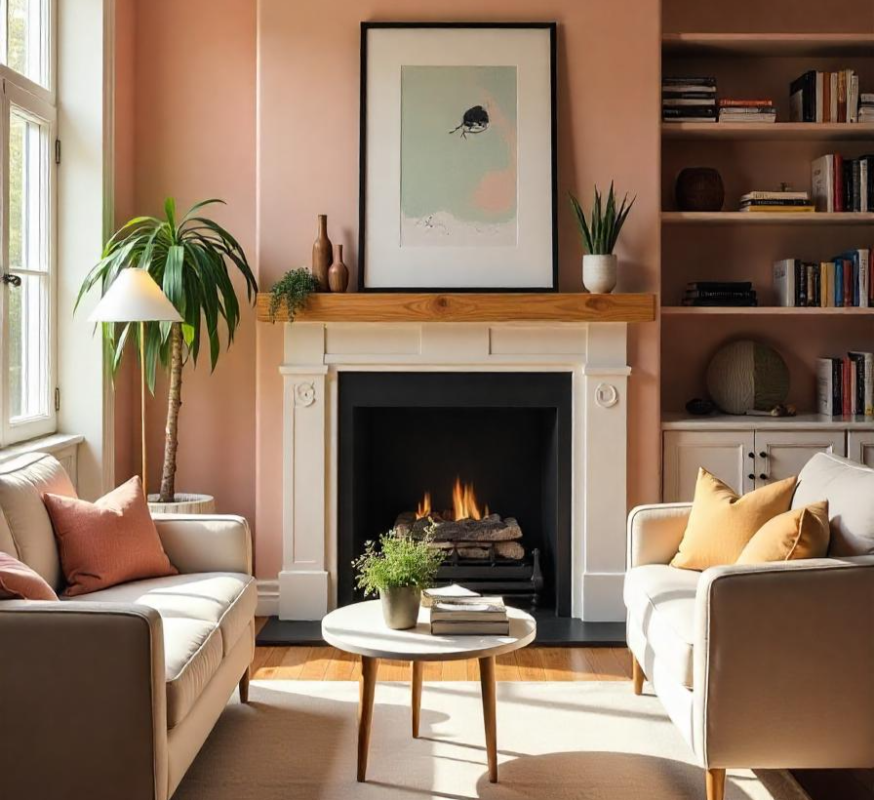
This is where the vast majority of South African indoor fireplaces are installed, and for good reason. A fireplace in the main living room heats the most-used communal space, creates a natural gathering point, and delivers the most visible return on investment — both in daily enjoyment and at resale.
For open-plan living areas common in newer Cape Town homes, sizing is critical. An undersized fireplace will warm only the immediate zone around it, leaving the kitchen and dining area cold. As a rough guide, a sealed wood-burning insert rated at 8–12 kW is appropriate for a genuinely open-plan space of 60–100 m²; smaller closed combustion units of 6–8 kW suit dedicated lounges. Our guide on how to choose the perfect fireplace for your home goes into sizing in much more detail.
The Main Bedroom
A fireplace in the bedroom is a premium feature that adds extraordinary atmosphere and genuine warmth on cold nights. The challenge is safety: a wood-burning fireplace requires careful management of the fire before sleeping, and any combustion appliance in a bedroom demands a carbon monoxide detector directly in the room. For this reason, many bedroom fireplace installations favour gas, which can be shut off completely at a valve, or a slow-combustion wood insert with a well-sealed door that holds coals safely through the night.
Gas gas fireplaces suit bedrooms particularly well — they run quietly, produce no particulates and can be set to a low, steady output for overnight warmth. Flueless gas models (which vent through a catalytic converter rather than a flue pipe) are an option where structural constraints make conventional flue installation impractical, though they require strict ventilation management.
The Kitchen or Dining Room
A fireplace in the kitchen or dining area creates one of the most convivial atmospheres possible — the warmth of the hearth combined with the warmth of a shared meal. In older Cape Dutch and Victorian homes common in the Cape, cooking fireplaces in the kitchen were the original design intent, and reinserting a modern sealed unit into an existing kitchen flue is often straightforward.
In open-plan kitchen-dining-lounge configurations, a single correctly sized fireplace positioned between the living and dining zones can serve both areas simultaneously. A double-sided fireplace installed between the lounge and dining room is a particularly elegant solution in this context, giving both rooms a flame view while one appliance does the work.
The Study or Home Office
A smaller freestanding or compact built-in unit suits a home study where you want focused warmth during work hours without heating the rest of the house. Freestanding fireplaces are popular here because they can be positioned to throw heat toward the desk area and require no structural modification beyond a single-wall flue through the wall or ceiling. They’re also often the most cost-effective solution for heating a single small room.
Types of Fireplace Suited to Indoor Installation
Not every fireplace is equally well-suited to every indoor context. Here’s a practical breakdown:
- Closed combustion (sealed) wood-burning insert: The most common choice in South African homes. The sealed glass door contains all combustion gases; the only byproduct that enters the room is radiant heat. These are the safest, most efficient indoor wood fireplaces. Models like the SAfire Heeta series (600mm, 950mm, 1200mm) are purpose-built for the SA market.
- Gas built-in fireplace: Instant heat, minimal maintenance, no ash. The best choice where firewood storage is impractical or where the homeowner prioritises convenience. Requires an LPG supply and a dedicated flue or balanced-flue outlet.
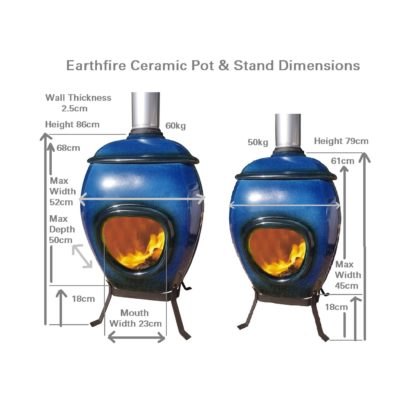
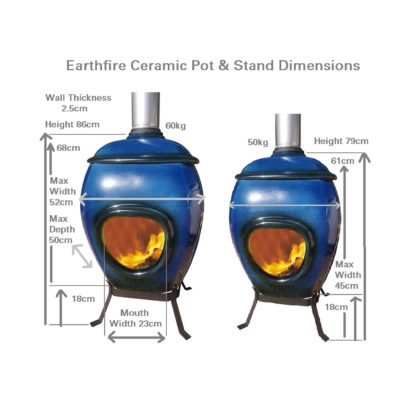
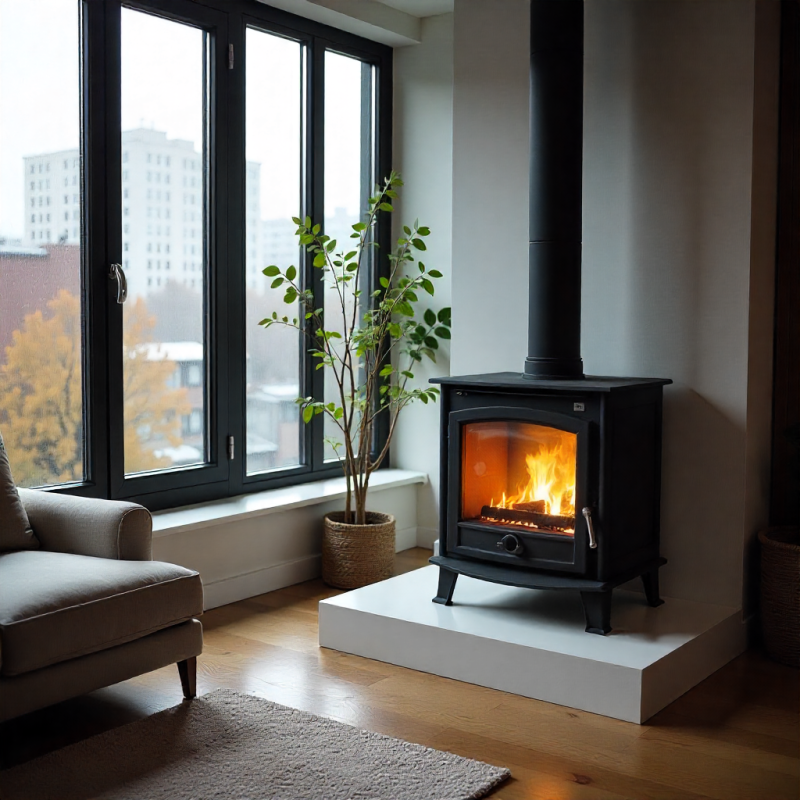
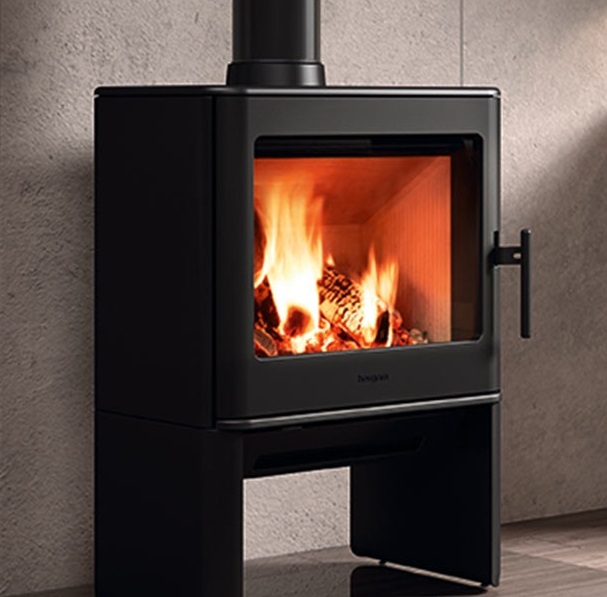
- Freestanding wood stove: Highly effective heat output, often higher than built-in inserts at the same price point. Requires a flue through the ceiling and roof but less structural work than a full built-in installation. Suits homes where permanence matters less than performance.
- Electric fireplace insert: Suitable only for aesthetic effect — electric units produce negligible real heat at South African electricity prices. Not recommended as a primary heat source.
If you’re weighing freestanding against built-in, our detailed comparison of freestanding vs built-in fireplaces lays out the trade-offs honestly, including cost, aesthetics and performance differences.
Safety Essentials for an Indoor Fireplace
A fireplace inside the house introduces combustion into your living space, which requires non-negotiable safety steps:
- Carbon monoxide detector: Mandatory in any room with a combustion appliance. A sealed unit with a properly maintained flue should produce no CO in the room, but a detector is the backup that catches a cracked flue seal or blocked chimney before it becomes dangerous.
- Hearth protection: The floor area in front of any open or semi-open fireplace must be non-combustible — ceramic tile, stone or a purpose-made hearth pad. Minimum 300mm projection in front of the door opening.
- Annual chimney service: The flue and chimney must be swept and inspected at least once a year. Creosote build-up in a wood flue is a fire risk; cracked flue seals allow CO to enter the room. Our chimney and flue maintenance guide explains what’s involved.
- Correct flue sizing: The flue diameter must match the appliance’s specification. An undersized flue causes back-puffing (smoke entering the room); an oversized flue draws too fast and wastes heat. Your installer specifies this — it’s not a guess.
What Does a Fireplace Inside the House Cost in 2026?
Costs vary significantly by fireplace type and installation complexity. For a complete picture, read our fireplace installation cost guide. As a quick reference:
- Freestanding wood-burning fireplace (installed, inc. flue): R12,000 – R35,000
- Built-in closed combustion insert (installed, into existing opening): R15,000 – R42,000
- Gas built-in fireplace (installed, inc. gas connection): R22,000 – R65,000
- New flue system (if no existing chimney): R4,500 – R14,000 additional
The wide range reflects differences in unit specification, room access, flue length and whether any structural work is required. Our professional fireplace installation team provides a fixed quote after a no-obligation site visit — so you know the exact total before any work begins.
What’s Trending in Indoor Fireplace Design for 2026
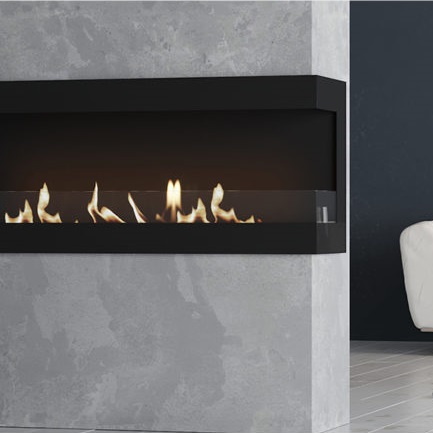
South African homeowners are increasingly favouring clean, linear fireplaces over traditional ornate surrounds. Slim rectangular inserts flush with a plastered or tiled wall, no mantelpiece, no protruding brick — just the flame behind glass as an architectural element. The 2026 fireplace design trends guide covers this shift in detail, with examples from both the minimalist and the traditional-revival ends of the spectrum.
Frequently Asked Questions
Can I add a fireplace to a house with no existing chimney?
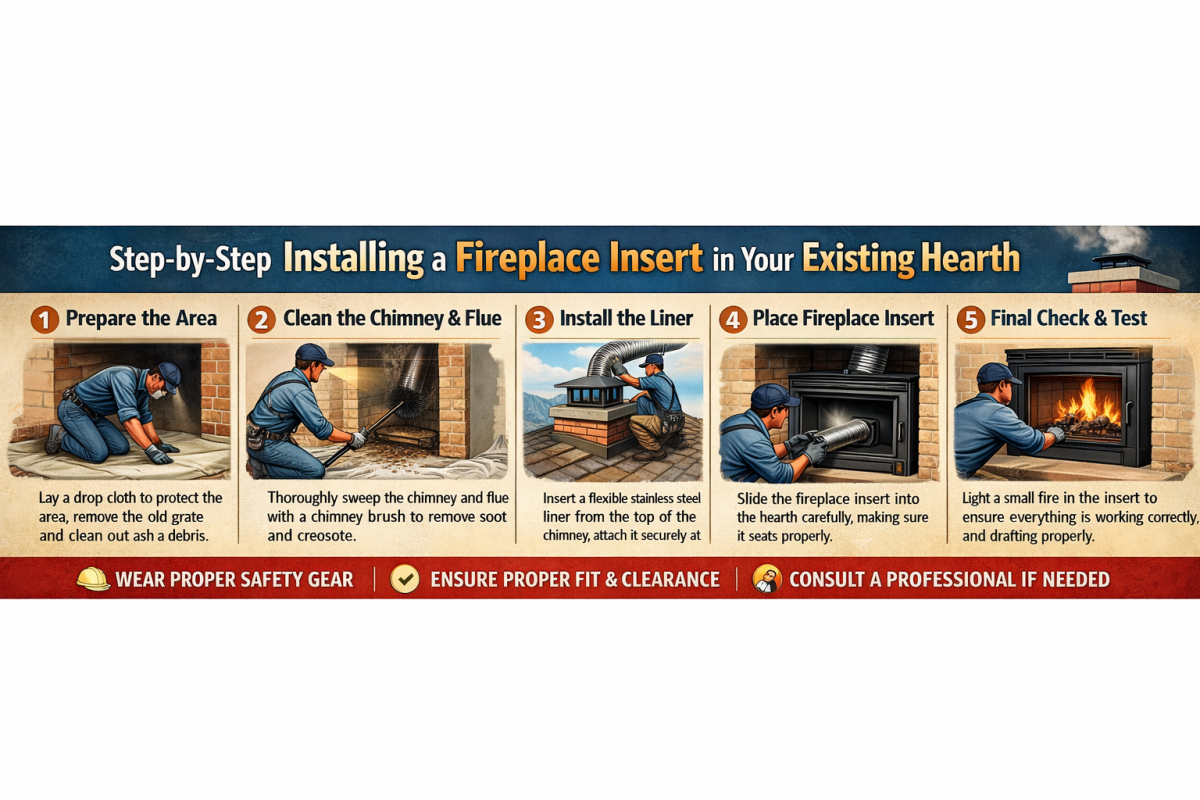
Yes. Where no existing chimney is present, a prefabricated flue system — either single-wall for wood stoves or insulated twin-wall for higher-output appliances — is routed through the ceiling and roof. This adds R4,500 – R14,000 to the installation cost depending on the height and complexity of the run, but is a standard part of many installations. Your installer will specify the correct flue size and route for your home.
Is a wood-burning fireplace safe inside the house with children?
A modern sealed (closed combustion) wood fireplace is substantially safer than an open fireplace because the glass door keeps the fire fully contained and prevents sparks from reaching the room. The glass surface still reaches high temperatures and should not be touched. A hearth guard or barrier is strongly recommended for households with toddlers. Always install a working carbon monoxide detector in the same room.
Will a fireplace in the house work during load-shedding?
A wood-burning fireplace operates entirely without electricity — no fan, no ignition, no controls. It’s the most load-shedding-proof heat source available in South Africa. A gas fireplace requires electricity for ignition and the fan in most models; a small UPS keeps it running during outages. This is one of the most compelling reasons South African homeowners favour wood-burning units over gas or electric alternatives.
Do I need council permission to install a fireplace inside my house?
In most Cape Town municipalities, a standard fireplace insert into an existing opening — or a freestanding unit with a new flue — does not require a full building plan submission, but does require a building notification and compliance with SANS standards for appliance installation and flue clearances. Your installer handles this as part of the job. More complex installations (structural alterations, new chimney breast) may require a formal plan. Our team advises on the specific requirements for your property and location.
Ready to add a fireplace to your home this winter? Request a free fireplace installation quote and our team will assess your space, recommend the right appliance and give you a firm price before any commitment.