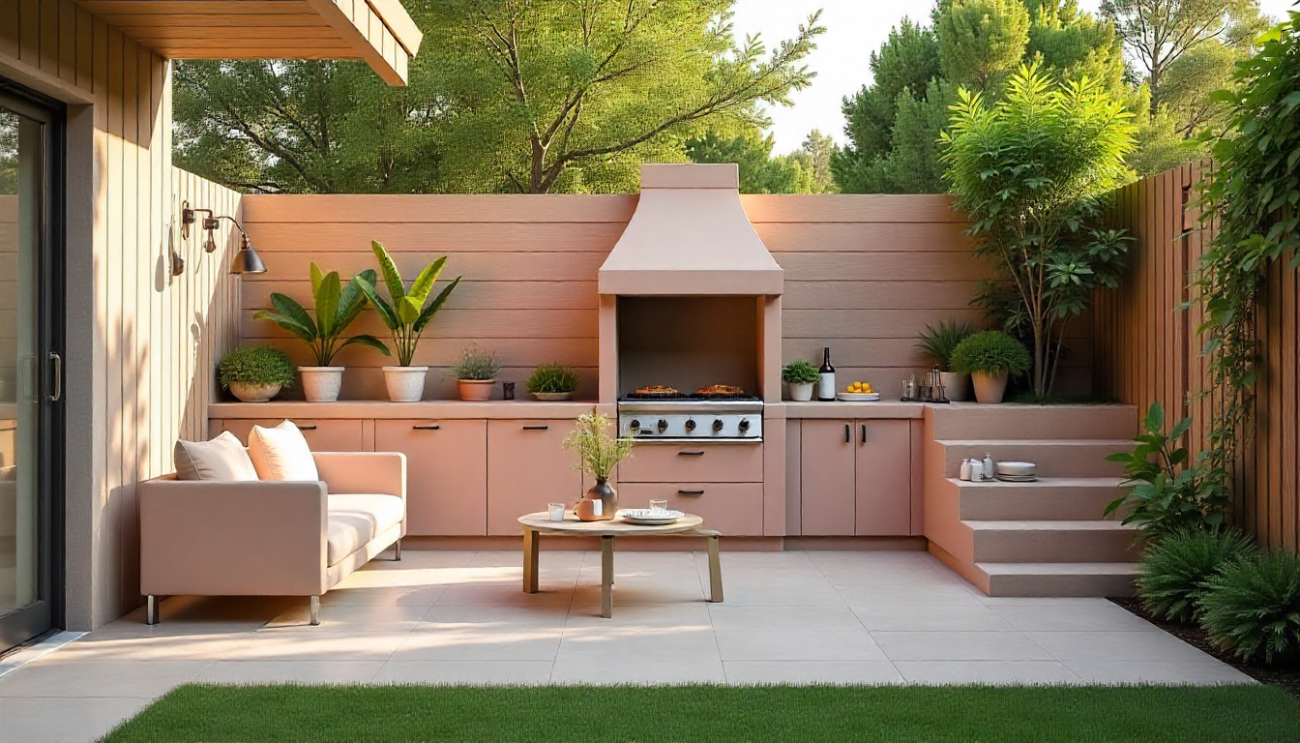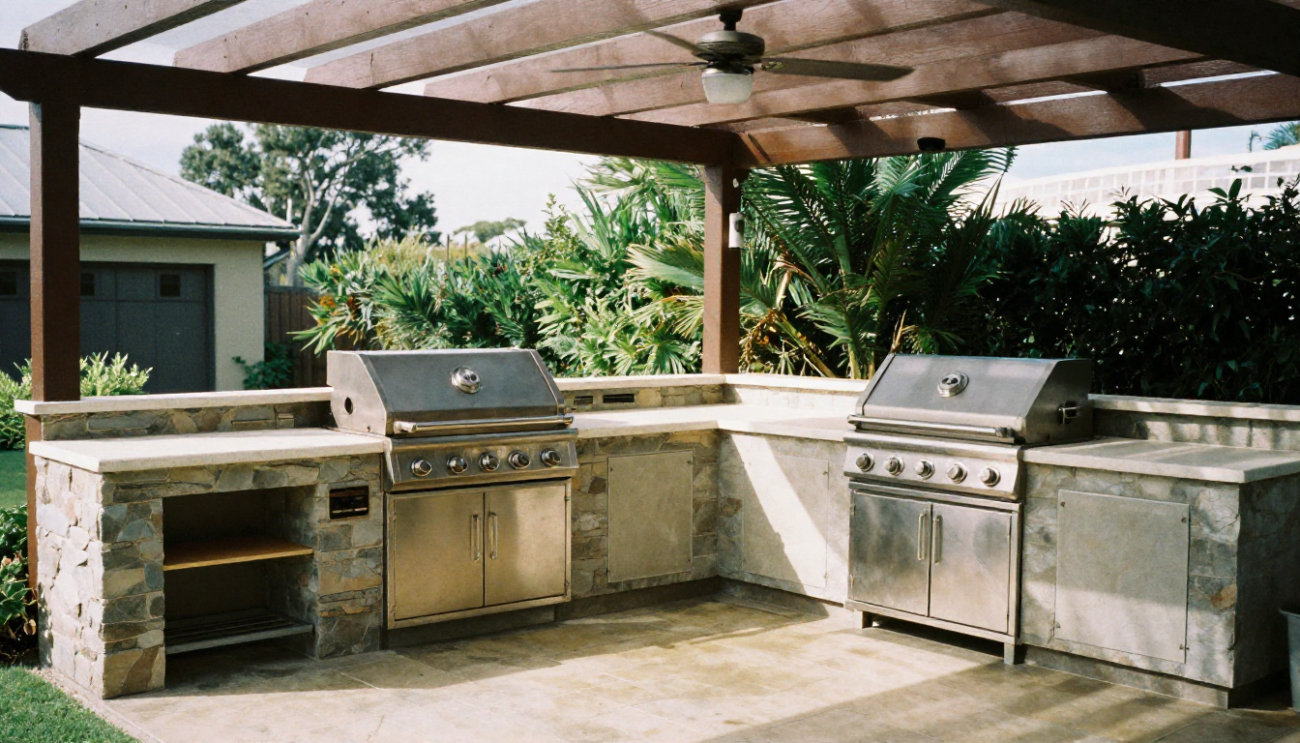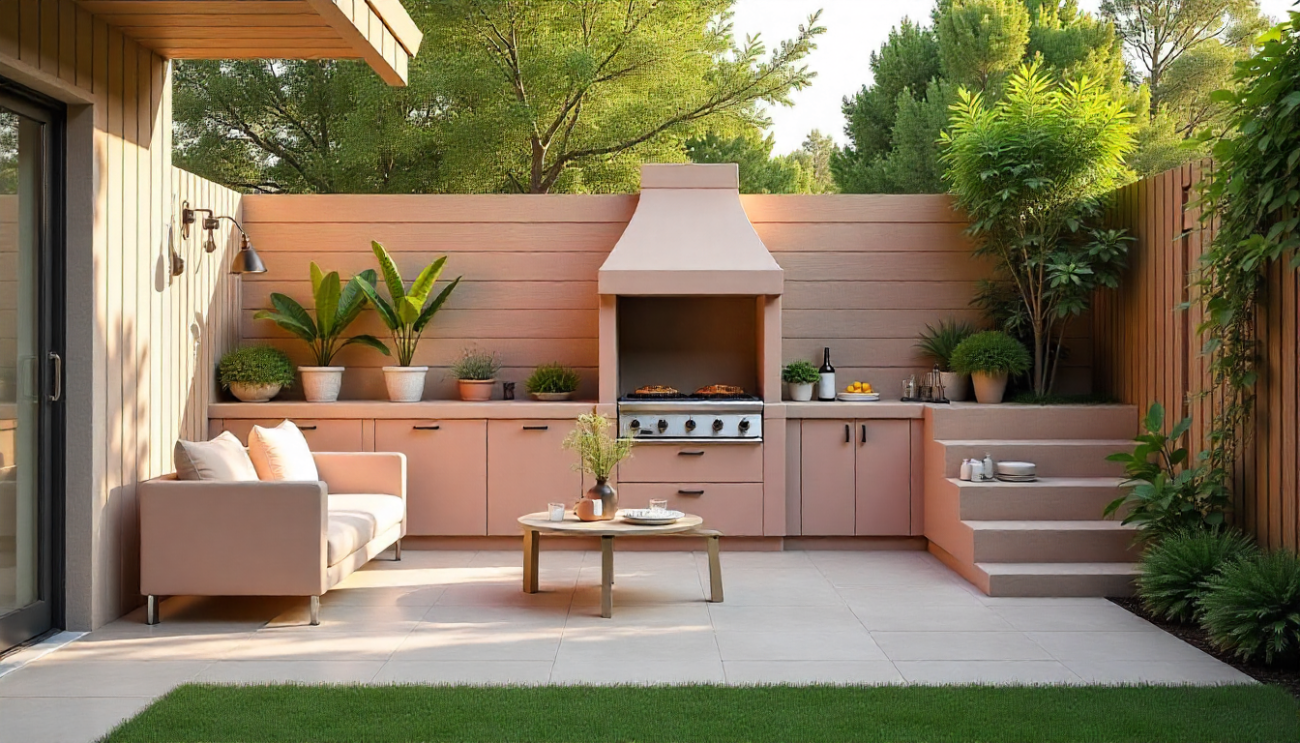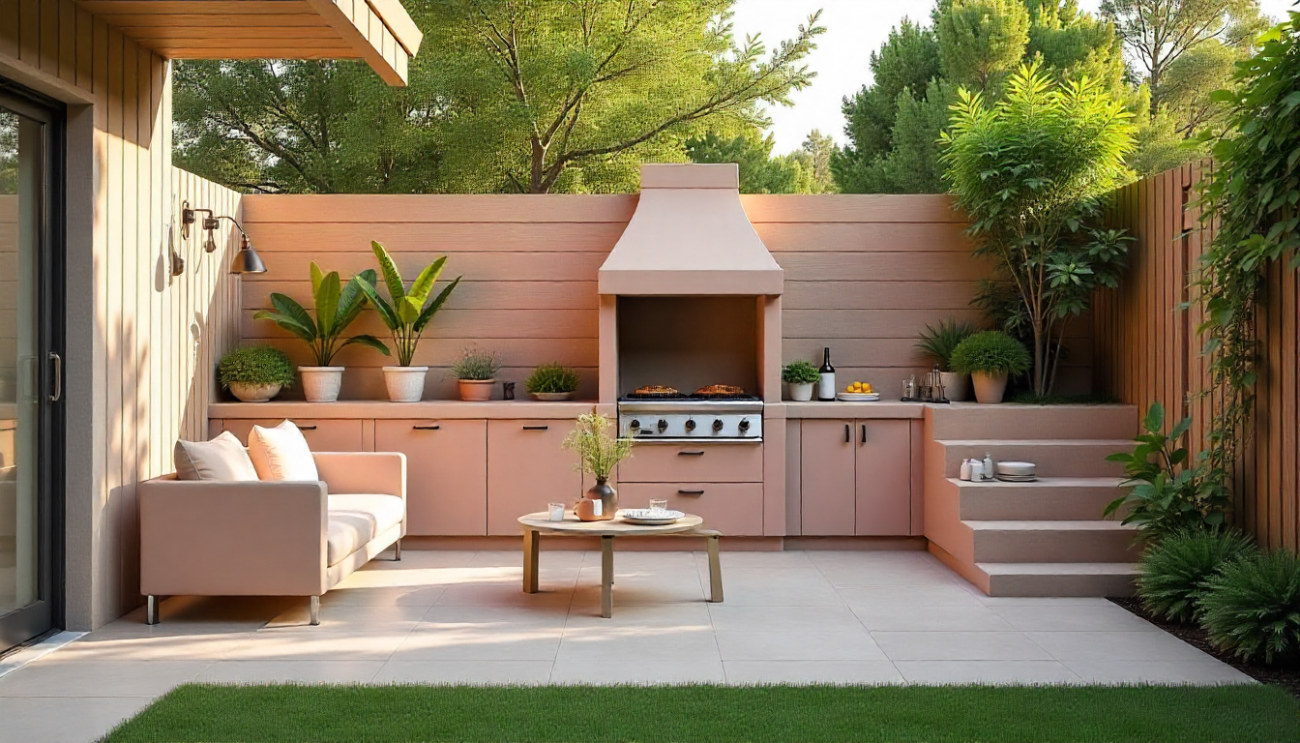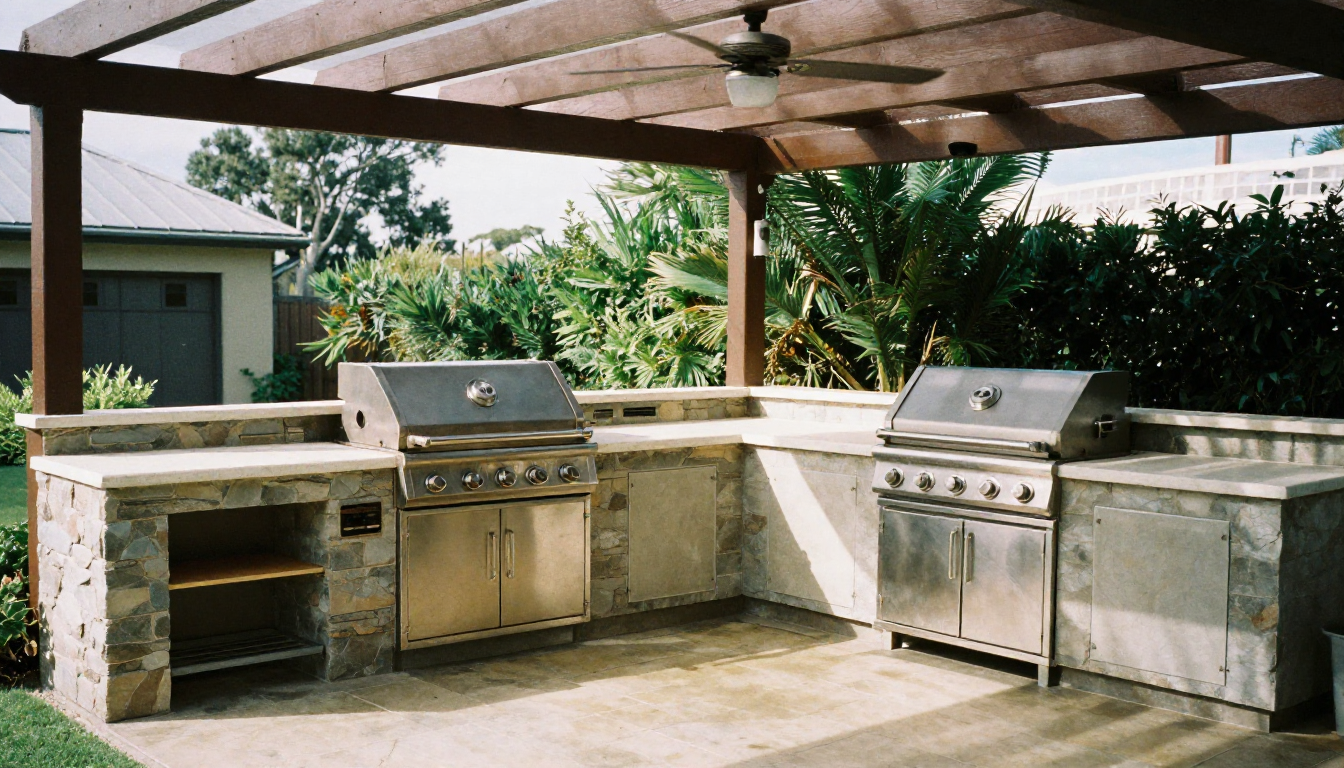

A built in gas braai has become the centrepiece of the modern South African outdoor kitchen — and for good reason. Unlike a kettle or portable unit, a built-in gas braai integrates seamlessly into brickwork, tile or an outdoor counter, runs on the turn of a knob, and holds its value as a permanent fixture in your home. The question most buyers ask is simple: how much do I need to spend, and what does that money actually buy?
Whether you’re planning a compact patio upgrade or a full outdoor kitchen with a braai as the hero piece, this guide breaks down every price band — and what you gain (or give up) moving between them.
Why a Built-In Gas Braai Is Worth the Permanent Investment
Convenience is the headline, but the real story is consistency. A gas braai reaches cooking temperature in under five minutes, holds it precisely, and requires no charcoal, fire-lighters or ash clean-up. That matters in a country where load-shedding has already complicated enough daily routines — your gas supply is completely grid-independent.
Built-in units also outperform freestanding gas braais on heat output and cooking area. Most quality built-in models deliver between 14 kW and 30 kW across their burner banks, with large grilling surfaces that can handle a family spread or a proper entertaining session. If you’ve been getting by with a table-top gas braai and wondering why results are inconsistent, the surface area and burner coverage of a built-in model will immediately change what you can cook — and how well.
From a property perspective, a well-installed built-in gas braai adds perceived value. Buyers looking at homes in Cape Town’s southern suburbs, Stellenbosch wine estate developments or Joburg’s cluster estates actively notice quality outdoor entertaining setups. It’s one of the few “improvements” that photographs well, shows well, and actually justifies its cost at resale.
Built-In Gas Braai Price Bands: What Changes at Each Level
South African pricing on built-in gas braais spans a wide range. The unit itself is only part of the cost — installation, gas supply infrastructure and the surround material all add to the total. Here’s what to expect across the three main budget bands.
Entry Level: R8,000–R15,000
At this price point you’re getting a functional, good-quality unit from brands like Megamaster, Landmann, or similar entry-tier options. Typical specs include two to three burners, a 304-grade stainless steel body (essential in coastal areas where salt air accelerates corrosion on cheaper alloys), a hinged lid, and a standard grill/griddle combo. Cooking area runs from roughly 60 cm to 70 cm wide.
What you don’t get: electronic ignition on cheaper models (manual piezo instead), a rotisserie kit, side burners, or a warming rack. Installation on a simple tiled counter with an existing gas point can add R2,000–R5,000 on top of the unit price. Total landed cost: R10,000–R20,000.
Best suited to: a patio entertainment counter where you need reliable performance without the frills, or a rental property upgrade where durability matters more than features.
Mid-Range: R15,000–R30,000
This is where the built-in gas braai market gets genuinely interesting. At mid-range you start seeing four-burner configurations, cast iron grill inserts (better sear marks, better heat retention), electronic auto-ignition across all burners, a built-in thermometer, and often an integrated side burner for pots or a wok plate. Cooking area steps up to 80–90 cm. Stainless quality is more consistently 304-grade even on all exposed surfaces.
Brands like Napoleon, Broilmaster and South African specialist manufacturers sit here. Napoleon’s built-in gas range is popular in this bracket for its warranty and burner quality. You also start to see models designed specifically for drop-in installation into granite or engineered stone countertops, which opens up cleaner, more architectural builds.
Add professional installation, gas line extension and a quality surround, and total project cost runs R20,000–R45,000 depending on complexity.
Premium: R30,000–R50,000+ (Unit Only)
At the top end, you’re buying a commercial-grade product in a residential format. Premium units feature six burners or more, infrared sear zones that reach temperatures above 800°C, rotisserie motors, smoker boxes, LED lighting, and stainless steel of the highest marine grade. American and European manufacturers dominate — Hestan, Twin Eagles, Lynx, and the top-tier Napoleon Prestige Pro range. These units are designed for outdoor kitchens that are genuinely architectural — quartz-topped islands, custom custom braai islands with integrated lighting, refrigerators and wet bars.
Total project cost at this level — unit, bespoke island, gas infrastructure, electrical work — typically lands between R80,000 and R200,000. You’re not just buying a braai; you’re commissioning a permanent outdoor room.
5 Features That Separate a Good Built-In Gas Braai from a Great One
Price alone doesn’t tell the full story. These are the specific features worth checking regardless of budget:
- 304-grade stainless steel throughout — not just the front panel. Cape Town coastal buyers especially: check the inside of the firebox, the burner tubes and the grill grates. Cheaper alloys rust from the inside out within two seasons of salt air.
- BTU-to-surface-area ratio — aim for at least 90 BTU per cm² of cooking surface. Too little output and the braai struggles to recover temperature once food is loaded.
- Separate zone control — independent knobs per burner so you can run a direct heat zone and an indirect zone simultaneously. Critical for cooking chicken or roasts without flare-ups.
- Sealed burner design — open-tube burners clog easily with fat and debris. Sealed or H-shaped burners are easier to clean and last significantly longer.
- Lid clearance — if you’re planning to do indirect cooking or rotisserie work, measure the internal lid height. Some built-in units sacrifice lid height for a sleek profile; that limits what you can cook with the lid down.
Installation Costs and What’s Involved
The unit is only part of the spend. A proper built-in gas braai installation includes: setting or fabricating the surround structure (brick, tile, stone or stainless), cutting the drop-in aperture to spec, running or extending a gas line from an LPG cylinder or bulk gas point, fitting an approved gas shut-off valve, and connecting the unit per SANS 10087 gas appliance standards.
In South Africa, any gas installation that forms part of a permanent structure requires a Certificate of Compliance (CoC) from a registered LP Gas installer. This isn’t optional — it’s a legal requirement and it protects your home insurance in the event of a claim. When you use professional braai installation services, the CoC is included as part of the job.
Installation labour on a straightforward built-in gas braai into an existing counter or new brick island typically runs R3,000–R8,000, excluding gas line work. A new island from scratch adds R8,000–R30,000 depending on materials and complexity. If you’re also planning outdoor braai installation in Cape Town for a new build or renovation, co-ordinating with your builder to run the gas line during construction saves a significant amount versus retrofitting later.
Browse our full gas braai range to find the right model for your project, or explore the wider range of braais including charcoal and combo options.
Frequently Asked Questions
How much does a built-in gas braai cost to install in South Africa?
Installation costs vary widely depending on scope. A basic drop-in install into an existing structure with an accessible gas point starts from around R3,000–R5,000. A full new island with gas line, tiling and CoC certification typically runs R15,000–R35,000+. Get a site-specific quote for an accurate number — most reputable installers offer free assessments.
Do I need a certificate of compliance (CoC) for a built-in gas braai?
Yes. Any permanent LP gas installation in South Africa requires a CoC issued by a registered gas installer under SANS 10087. This applies to built-in gas braais, gas fireplace installations and any fixed gas appliance. The CoC is also required by your home insurer — an uncertified gas installation can void a claim. Always use a registered installer and get the certificate on completion.
Gas vs charcoal: which is better for a built-in braai?
It depends on what you value. Gas wins on convenience, speed and temperature control — ideal for weeknight meals, entertaining where timing matters, or anyone who braais frequently. Charcoal delivers that unmistakable smoke flavour and is preferred by traditional braai enthusiasts. Some homeowners choose a built-in braai that accommodates both — a gas burner bank on one side and a charcoal/wood firebox on the other. The best choice is whichever one you’ll actually use.
How long does installation take?
A straightforward built-in gas braai installation into a pre-built structure typically takes one day. A full island build with tiling and gas work runs two to three days depending on drying times. If you’re extending your outdoor living season with a complete entertaining area upgrade, allow for a phased timeline and book your installer early — quality braai builders are in demand, especially heading into the warmer months.
Ready to take the next step? Get a free braai installation quote from our team — we’ll assess your space, recommend the right unit and provide a full install price with no surprises.