
How to Build a Freestanding Braai — Honest DIY Guide with Costs
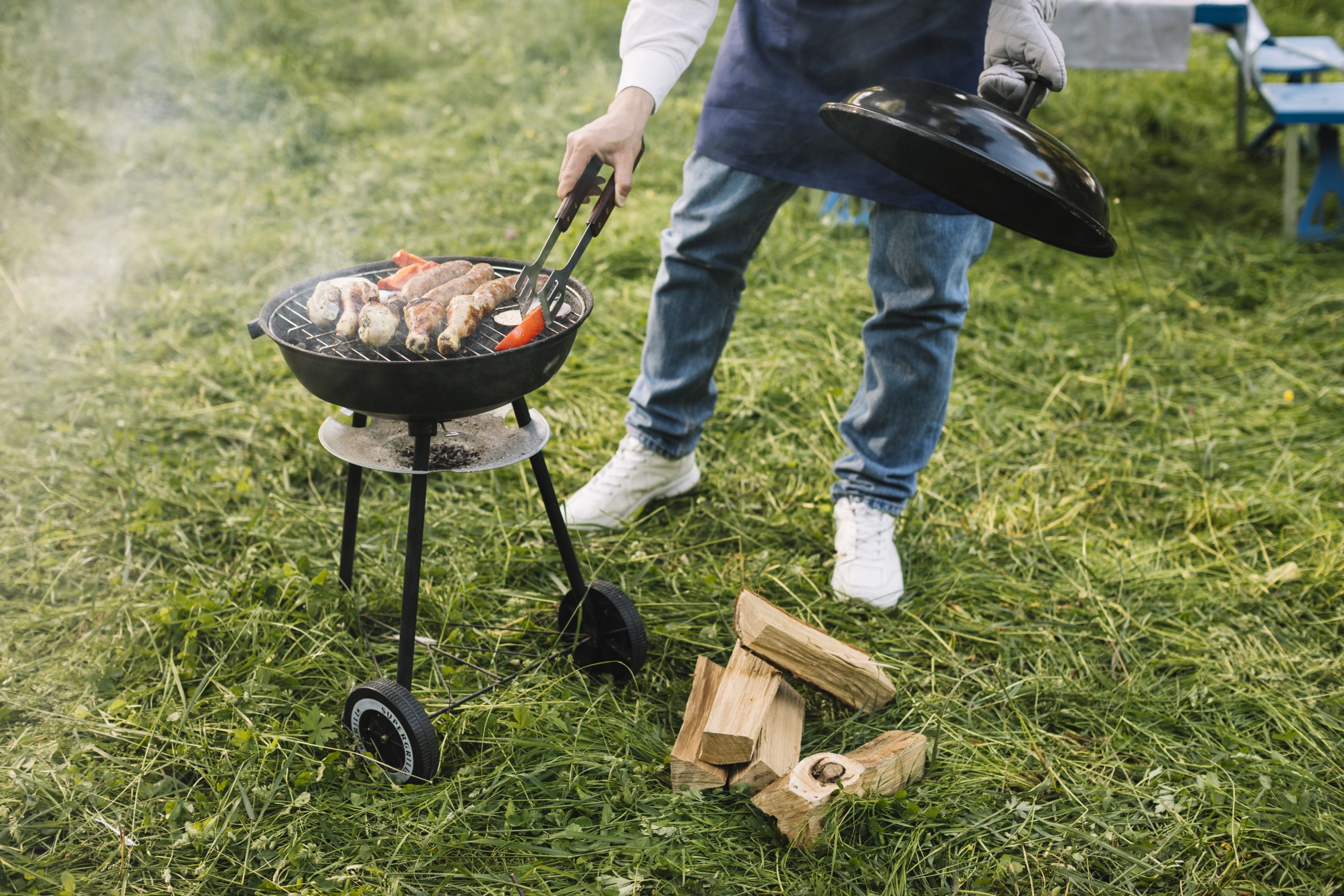
Build freestanding braai matters because the right choice affects heat, safety, installation cost and long-term value for South African homes. For broader fire safety guidance, the Fire Protection Association of South Africa is a...
Build freestanding braai matters because the right choice affects heat, safety, installation cost and long-term value for South African homes.
For broader fire safety guidance, the Fire Protection Association of South Africa is a useful independent reference alongside professional installer advice.
Building your own braai — what you’re really signing up for
There’s something satisfying about building something with your own hands. A freestanding braai you built yourself carries a certain pride — every boerewors roll cooked on it tells a story. But here’s the thing nobody mentions on those YouTube tutorials: building a braai that actually works well, doesn’t smoke you out, and doesn’t crack after the first Cape Town winter is harder than it looks.
We’ve fixed enough DIY braais around the Helderberg basin to know. Walls that lean because the foundation wasn’t deep enough. Chimneys that funnel smoke straight into the dining area. Beautiful brickwork that split apart after three months because someone used the wrong mortar. A braai isn’t a garden wall — it deals with extreme heat, moisture, and wind. Get the fundamentals wrong and you’ll be calling someone like us to tear it down and start over.
That said, a simple brick freestanding braai is absolutely doable for a competent DIYer. You need patience, the right materials, and a solid understanding of what makes a braai function properly. This guide covers all of it — the real costs, the step-by-step build, and the mistakes that separate a braai you’re proud of from one you hide behind a braai screen.
Recommended Freestanding Braais by Budget
Browse our most popular freestanding braais at every budget — live in-stock pricing, each linked to its product page for full specs.
Entry-level — under R11,000
- Home Fires – 580 Table braai — R3,737
- Home Fires – JanBraai kit complete — R4,576
- Home Fires – KampBraai — R10,878
Mid-range — R11,000–R25,000
- Home Fires – 800 freestanding braai — R20,297
- Home Fires – 1000 freestanding braai — R24,232
Premium — R25,000 and up
- Home Fires – 1200 freestanding braai — R25,192
- SAFire – Plateau Wood Firepit & Braai — R25,995
- SAFire – Modi Freestanding Braai — R59,995
Tell us what you need and we’ll send a free, no-obligation quote — fast.
Request a Free Braai Quote
Tools and materials you’ll need
Before you head to the hardware store, know what you’re looking for. The difference between a braai that lasts twenty years and one that needs rebuilding next season comes down to material choices. Skimp here and you’ll pay for it twice.
The shopping list (with rough costs)
Prices vary between Builders Warehouse, Cashbuild, and your local independent hardware, but here’s what you’re looking at for a standard 900mm × 600mm freestanding braai:
- Face bricks (150–200): R1,200 – R2,000. Clay face bricks handle heat better than cement stock bricks. Don’t use plaster bricks — they’ll crack.
- Fire bricks for the firebox (30–40): R600 – R900. These go inside where the direct heat sits. Essential.
- Cement (3–4 bags 42.5N): R300 – R400.
- Building sand (1m³): R350 – R500.
- Concrete mix for foundation: R400 – R600 (2 bags cement + stone + sand).
- Stainless steel braai grid (900mm): R800 – R1,500 depending on gauge and brand.
- Ash tray: R250 – R500.
- Chimney cowl or flue: R400 – R800. Get one with a rain cap.
- Waterproofing compound: R150 – R300. Non-negotiable if your braai has a chimney going through any structure.
- Steel lintel: R150 – R250. Supports the bricks over the firebox opening.
Total materials: roughly R4,600 – R7,750. That’s the honest range — not the “if you find everything on special” version.
For tools, you need a spirit level, trowel, builder’s square, mixing tub, lump hammer, bolster, and a pointing trowel. If you don’t own these, add another R800 – R1,200 for basic gear, or borrow from that one friend who’s always building something.
Step-by-step: building a brick freestanding braai
Step 1: Lay the foundation
This is where most DIY braais fail before they even start. Your foundation needs to be at least 150mm thick and extend 100mm beyond the braai on all sides. Dig down 200mm below ground level, compact the soil, and pour your concrete mix.
Why so deep? A braai weighs more than you think — several hundred kilos of brick, plus the weight of the grid, food, and people leaning on it. In the Cape Town summer the ground bakes dry; in winter it gets saturated. A shallow foundation will shift, and your walls will crack. Let the concrete cure for at least 48 hours before building on it. Longer if you can wait — a week is ideal.
Step 2: Build the firebox walls
Start by laying out your first course dry — no mortar — to check the dimensions and make sure everything lines up. For a 900mm-wide braai, your firebox interior should be around 600mm × 400mm. The back and side walls go up in face brick; the inside of the firebox gets lined with fire bricks.
Mortar mix for the outer walls: 4 parts building sand to 1 part cement. For the fire bricks inside, use a 3:1 mix with a heat-resistant additive if you can find one. The fire bricks aren’t structural — they’re there to absorb and radiate heat without cracking.
Build the back wall up to full height (roughly 1.2–1.4m for a comfortable cooking height), the side walls to match, and leave the front open for the firebox. Place your steel lintel across the top of the opening before you brick over it — the lintel carries the weight of everything above it. Check your levels constantly. A wall that’s 10mm out of plumb at the base becomes 30mm out at the top. It won’t fall over, but it’ll look terrible and affect how the grid sits.
Step 3: Add the grid and ash tray
Once the walls are up and the mortar has set (give it at least 24 hours), you can fit the grid and ash tray. The grid should sit on a ledge of bricks or a steel angle iron bolted into the inner wall — not balanced on loose bricks that shift every time you clean the braai.
The ash tray sits below the grid, typically resting on small ledges built into the lower firebox walls. Make sure there’s enough clearance between the tray and the grid for airflow — at least 80–100mm. Good airflow means better fires, less smoke, and proper combustion. If the ash tray is too close to the grid, your coals won’t get enough oxygen and you’ll end up with a smouldering mess instead of hot coals.
Step 4: Install the chimney or cowl
If your braai has a back wall that goes up into a covered structure — a pergola, lapa, or lean-to — you need a chimney with a cowl. The chimney draws smoke up and away from your cooking and seating area. Without it, smoke rolls out the front and follows whoever’s standing at the braai around the garden.
The chimney should extend at least 600mm above the highest point of the roof structure within 3 metres. The cowl goes on top — it prevents rain from running down the chimney and keeps downdrafts from pushing smoke back down. Apply waterproofing compound where the chimney passes through any roof covering. Missing this step is how you end up with water stains on your ceiling every time it rains in June.
The mistakes that turn a DIY braai into a disaster
We’ve seen the same problems repeat across dozens of repair jobs. Here are the big three.
No ventilation = smoke in your face
A braai needs to breathe. If you’ve built it as a sealed box with a tiny opening, air can’t get in, smoke can’t get out properly, and every braai becomes an exercise in smoke evasion. The firebox needs gaps at the bottom for air intake, and the chimney or top opening needs to be proportional to the firebox size. A common DIY error is making the chimney too narrow relative to the firebox opening — the smoke backs up and finds the path of least resistance, which is usually right into your face.
Wrong materials = cracked bricks after one winter
Ordinary plaster bricks or NFP (non-facing plaster) bricks will not survive repeated heating and cooling cycles. They absorb moisture, and when you light a fire next to damp brick, the steam expansion cracks them from inside. Use proper clay face bricks for the outer structure and purpose-made fire bricks for the firebox lining. Yes, they cost more. No, there isn’t a workaround.
The same goes for mortar. A lean mix (too much sand, not enough cement) will crumble under heat stress. Stick to the ratios and don’t be tempted to stretch the cement further to save R100.
No waterproofing = leaks into your roof
If your braai chimney passes through a roof, veranda, or any covered structure, waterproofing is not optional. The joint between the chimney and the roof covering is the most common leak point we see. Use a proper flashing kit or waterproofing compound — not silicone that degrades in UV after six months. This is especially critical in Cape Town where winter rains can be heavy and wind-driven.
When to call a professional instead
Build a simple freestanding braai on a paved patio? Go for it — follow this guide, take your time, and you’ll be fine. But call someone who does this for a living if:
- Your braai needs to be built into a structure with a roof or chimney system that penetrates the building envelope.
- You’re building on a slope, unstable ground, or near a boundary wall where fire regulations apply.
- You want a built-in braai with gas lines — that requires a certified gas installation.
- Your braai needs to comply with sectional title or estate body corporate rules (many have specific requirements about freestanding structures).
- You’re not confident reading a plan or working with mortar. There’s no shame in that — a badly built braai costs more to fix than having it done right the first time.
Professional braai installation in Cape Town typically runs R8,000 – R25,000 depending on size, materials, and complexity. You’re paying for experience with ventilation, waterproofing, and council compliance — the things that are expensive to get wrong.
How much does it cost to build a braai yourself vs hiring someone?
Here’s the honest breakdown:
- DIY braai (materials only): R4,600 – R7,750
- DIY braai (materials + tools if buying): R5,400 – R8,950
- Professional simple freestanding braai: R8,000 – R15,000
- Professional built-in braai with chimney: R15,000 – R25,000+
The DIY route saves you money on labour but costs you weekends. Factor in at least 3–4 days for a competent first-timer: one day for the foundation, two days for building, and a day for finishing and fitting the grid. If you’re building your first brick structure ever, double that estimate.
The real cost comparison isn’t just money — it’s the cost of getting it wrong. A botched DIY braai means demolition, waste disposal, and then paying a professional anyway. We see it regularly.
Frequently asked questions
Can I build a braai myself?
Yes. A simple freestanding braai is a realistic weekend project for anyone comfortable with basic brickwork. The key is using the right materials (clay face bricks and fire bricks), getting the foundation deep enough, and planning your ventilation before you lay the first brick.
What’s the best material for a DIY braai?
Clay face bricks for the outer structure and fire bricks for the firebox interior. Don’t use plaster bricks, concrete blocks, or any material that absorbs moisture — they’ll crack under heat. For the grid, go with stainless steel (3mm+ thickness). Mild steel grids rust through in a year or two in coastal areas.
Do I need council approval to build a braai?
It depends. A small freestanding braai on your own property usually doesn’t need approval. But if it’s attached to a building, has a chimney penetrating a roof, or falls within setback requirements, you may need a building plan submission. Check with your local municipality — City of Cape Town has guidelines on freestanding structures. If you’re in a sectional title scheme or estate, check with the body corporate first.
How long does it take to build a freestanding braai?
Allow 3–4 days of actual work for a first-time builder: foundation (day 1, plus curing time), wall construction (days 2–3), and finishing with grid and cowl fitting (day 4). The foundation needs 2–7 days to cure properly before you build on it, so factor in waiting time.
What size should a freestanding braai be?
A cooking area of 900mm × 600mm is the sweet spot for most households — big enough to cook for 8–10 people, small enough that it doesn’t dominate your outdoor space. Cooking height should be around 900mm from ground to grid (standard countertop height). Build it higher and you’ll be reaching uncomfortably; lower and you’ll be bending over the coals.
Do I need a chimney on a freestanding braai?
If the braai is fully open and outdoors with no roof or structure above it, a chimney isn’t essential — though a small cowl on top of the back wall does help direct smoke upward. If the braai sits under a lapa, pergola, or any covered area, a chimney with a proper cowl is necessary to keep smoke out of the entertainment space and to handle rain runoff.
Related reading
- Can You Install a Fireplace in an Existing Home? Yes — Here's How
- Combustion Fireplace Installation: How It Works, Costs & Compliance
- Need it done professionally? See our fireplace installation in Cape Town service.
Planning this kind of work?
Call or WhatsApp with your suburb and photographs. Fire Flames can discuss your fireplace, braai or home project and quote.
Get A Quote →