
Steel vs Brick Freestanding Braai: What Actually Lasts in South Africa
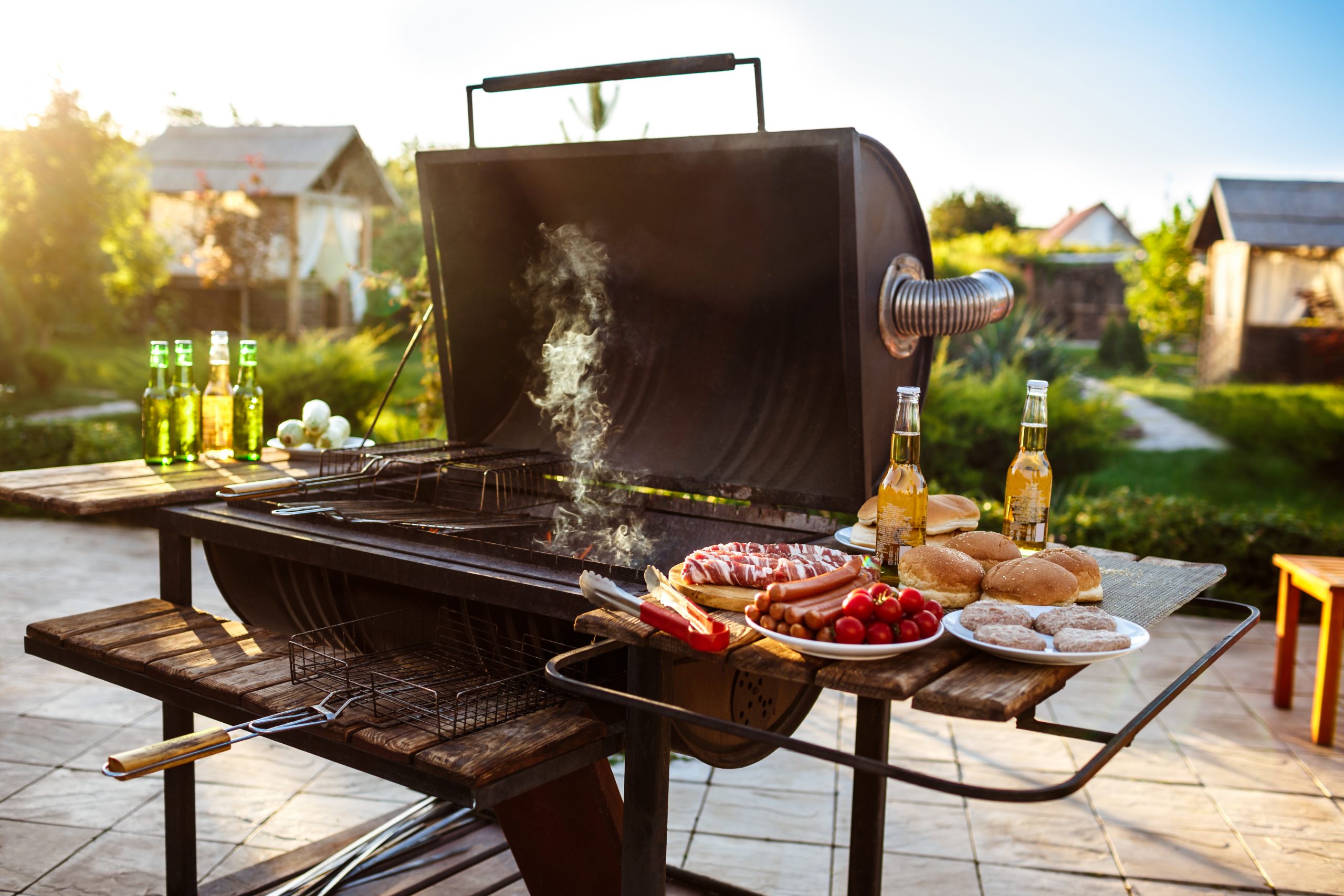
Steel vs brick freestanding braai matters because the right choice affects heat, safety, installation cost and long-term value for South African homes. For broader fire safety guidance, the Fire Protection Association of South Africa...
Steel vs brick freestanding braai matters because the right choice affects heat, safety, installation cost and long-term value for South African homes.
For broader fire safety guidance, the Fire Protection Association of South Africa is a useful independent reference alongside professional installer advice.
Steel vs Brick Freestanding Braai: What Actually Lasts in South Africa?
Whether you’re choosing a freestanding braai or a fireplace, the material question comes up fast. Steel or brick? It’s not a simple answer because they serve different needs, budgets, and lifestyles. The right type of braai depends on your situation. We’ve installed both across the Cape Town area — from coastal properties in Gordon’s Bay where salt air destroys the wrong steel in months, to inland homes in Stellenbosch where a basic mild steel braai can last a decade. Here’s what actually matters.

Recommended Freestanding Braais by Budget
Browse our most popular freestanding braais at every budget — live in-stock pricing, each linked to its product page for full specs.
Entry-level — under R11,000
- Home Fires – 580 Table braai — R3,737
- Home Fires – JanBraai kit complete — R4,576
- Home Fires – KampBraai — R10,878
Mid-range — R11,000–R25,000
- Home Fires – 800 freestanding braai — R20,297
- Home Fires – 1000 freestanding braai — R24,232
Premium — R25,000 and up
- Home Fires – 1200 freestanding braai — R25,192
- SAFire – Plateau Wood Firepit & Braai — R25,995
- SAFire – Modi Freestanding Braai — R59,995
Tell us what you need and we’ll send a free, no-obligation quote — fast.
Request a Free Braai Quote
Steel Freestanding Braais: The Practical Choice
Steel braais are the default for most South African homes. They’re lighter, portable, cheaper upfront, and quick to set up. You buy it, bolt it together, put it on a level surface, and you’re braaing tonight. No builder needed. No curing period. No chimney to worry about.
But not all steel is the same. This is where most people make their mistake.
Mild Steel
The cheapest option. Expect to pay R1500 to R5000 for a basic mild steel freestanding braai. They work fine but need regular maintenance — wire brush after every use, repaint with heat-resistant paint every 6-12 months, and keep a cover on it. In coastal areas, mild steel rusts fast. Inland, it lasts longer with proper care. This is the braai you buy when budget is the main driver.
3cr12 Stainless Steel
A step up. 3CR12 is a budget-friendly stainless that handles corrosion better than mild steel without the price tag of 304. Expect R4000 to R10000 for a 3CR12 braai. Good for inland and semi-coastal areas. Not ideal right on the beach but much better than mild steel if you’re a few kilometres from the coast.
304 Stainless Steel
The standard for quality freestanding braais. 304 grade resists rust and corrosion well enough for most South African conditions. It’s what most Home Fires braais are made from. Prices range from R8000 to R25000 depending on size. Handles inland weather easily and performs well in light coastal conditions with occasional cleaning.
316 Stainless Steel
The top tier. 316 grade includes molybdenum, which gives it serious resistance to salt air. This is why quality stainless steel gas braais from SAFire use 316 as standard. and harsh coastal conditions. If you live within 500 metres of the ocean — think Simon’s Town, Muizenberg, Gordon’s Bay — 316 is the only steel that makes sense long-term. It costs more (R15000 to R35000+) but outlasts everything else in corrosive environments. The SAFire Modi and SAFire Plateau both use high-grade stainless for exactly this reason.

Brick Freestanding Braais: Built to Last Generations
A brick braai is permanent. You build it once and it stays. The heat retention is outstanding — brick absorbs heat and radiates it slowly, making it perfect for slow cooking and long braai sessions. There’s a reason brick braais have been the standard in South Africa for generations.
The catch: it costs more upfront and you can’t move it. A DIY brick braai with fire bricks, proper mortar, and insulation runs R3000 to R7000 in materials. Professional installation adds another R8000 to R15000. You’re looking at R11000 to R22000 total for a basic built-in brick braai with chimney.
Brick braais also need the right bricks. Standard clay bricks are fine for the outer structure, but the firebox must use fire bricks (refractory bricks rated to 1300°C). Standard bricks will crack under direct heat — this isn’t negotiable. Use refractory cement for the firebox mortar, not standard cement.
Freestanding vs Built-in: Does It Matter for Material Choice?
For a freestanding braai, steel is the obvious choice. A steel built freestanding unit is far more practical than a brick version and defeats the purpose of portability. For a built in braai, both materials work — steel inserts inside a brick surround is actually the most common approach. You get the heat retention of brick with the cooking performance of steel.
The Home Fires range shows how this works in practice. Their 800, 1000, and 1200 freestanding braais are all-steel units in a trolley or stand configuration. Built-in versions like their built-in braai range use a steel firebox inside a brick or rendered surround. Best of both worlds.
The Home Fires Range: What We Install and Why
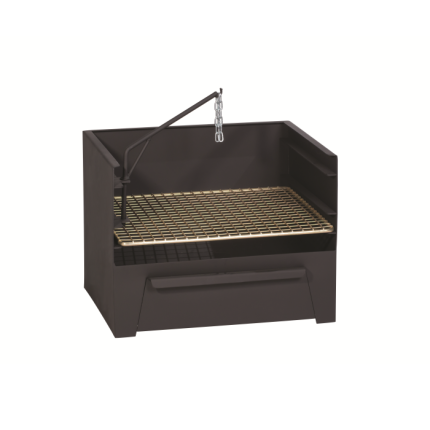
Among the best braais available in South Africa, the Home Fires 580 table braai is the compact option. Small enough for a balcony or tiny patio, it still gives you a proper cooking surface. Great for couples or small families who braai once or twice a week.
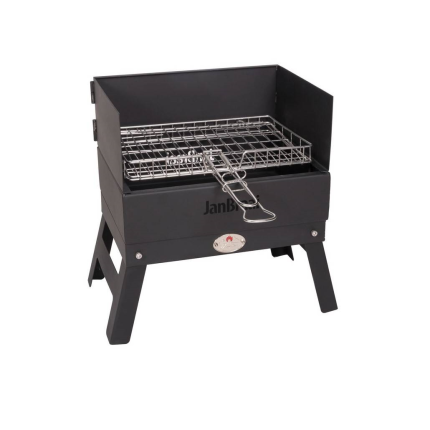
The JanBraai kit is a modular system. Buy the components you need, assemble them into the configuration that suits your space. Clever design for people who want flexibility without building a permanent structure.
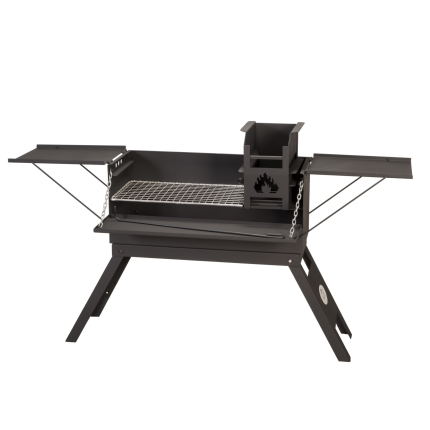
The Kampbraai is designed for outdoor adventures — camping, caravanning, weekend getaways. Lightweight and portable with a surprisingly decent cooking area.
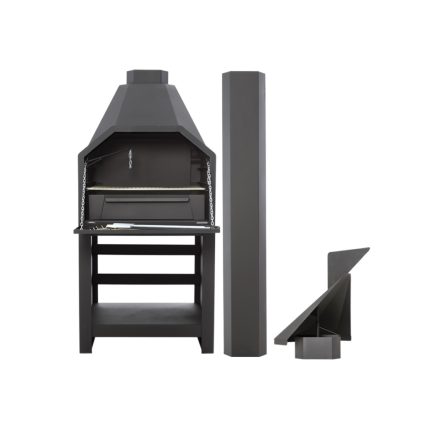
The 800 freestanding braai is the sweet spot for smaller homes. Fits comfortably on most patios without dominating the space. Available in both wood and gas configurations. This is the most popular size for standard Cape Town homes.
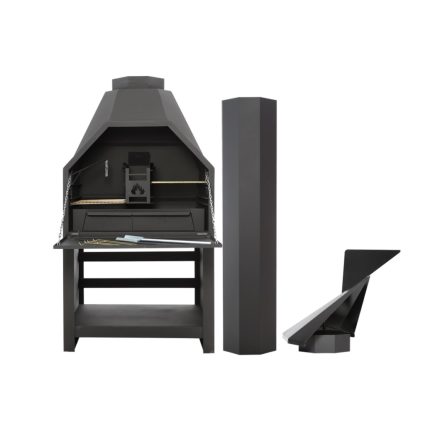
The 1000 is the middle ground that most families end up choosing. Large enough to cook for 8-10 people, compact enough for a standard backyard. It’s the reliable workhorse of the Home Fires range.
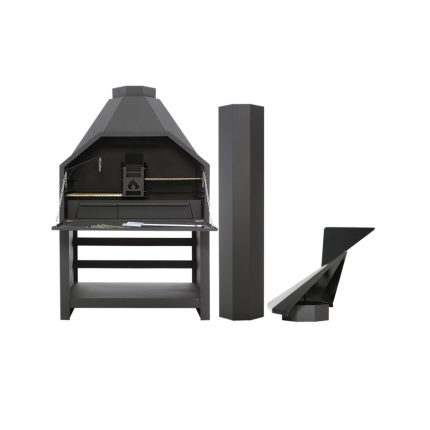
The 1200 is for serious entertainers. Big cooking surface, spacious firebox, and the kind of braai that becomes the centrepiece of your outdoor kitchen. Available in mild steel and 304 stainless steel variants.
The Safire Range: Premium Freestanding Braais
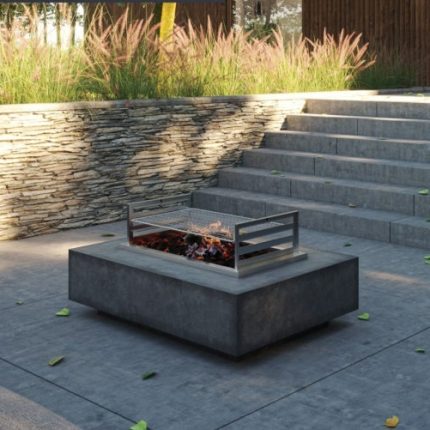
The SAFire Plateau is more than a braai — it’s a wood fire pit that doubles as a cooking station. Perfect for the homeowner who wants a gathering point in their outdoor space, not just a cooking appliance. It’s built for year-round outdoor living.
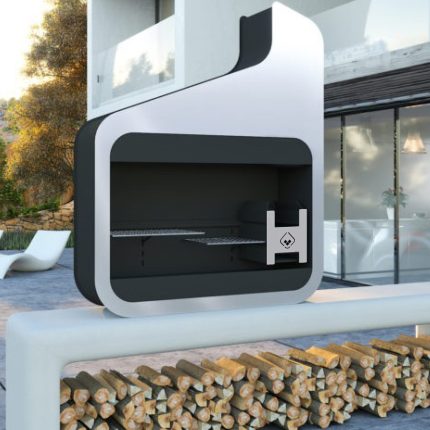
Other brands worth considering include Gijima braais, known for solid build quality. The SAFire Modi is a premium freestanding braai that can be wall-mounted, countertop-mounted, or fitted on its own log box stand. Available as wood-only or a wood and gas combination. It’s the most versatile unit in the SAFire range and the one we recommend for homeowners who want both fuel options. Pricing starts around R50000.
Steel Braai Installation Tips

Place your freestanding braai on a level, non-combustible surface. Pavers or concrete — not timber decking unless you’ve got proper heat protection. Leave at least 1 metre of clearance on all sides. If you’re using a braai with a flue, the flue must extend 750mm above the roof peak for proper draw.
For coastal installations, use 316 stainless steel and apply a light coat of stainless steel cleaner every few months. Even 316 benefits from regular rinsing with fresh water to remove salt residue. For inland installations, 304 with occasional cleaning is sufficient.
Safety Tips for Gas, Wood, and Combo Braais

For gas braais, check connections regularly for leaks. A soap-and-water test on fittings takes 30 seconds and could save your life. For wood braais, never use accelerants — firelighters and kindling only. Keep a fire extinguisher within reach. An ember maker is a handy tool that gets your coals hot faster. For combo braais, never switch between gas and wood without fully extinguishing one fuel source first. The flue must accommodate both fuel types — check with your installer that the sizing is correct.
Customising your Built in Braai
A built in braai doesn’t have to stay basic. Once the structure is in place, the add-ons are what turn it from a cooking spot into something you actually look forward to using every weekend.
Start with an ember maker. It sits under the grate and pulls air through your coals — gets them white-hot in half the time. No more standing around for 40 minutes waiting. Pair it with a warming drawer below the firebox and you’ve got somewhere to keep boerewors warm while the lamb chops finish. A side burner gives you a pot station for potjie or chakalaka without needing a separate gas ring.
Rotisserie kits bolt onto most built in braai units. Motorised versions run about R2000 to R5000 and they’re worth every cent for whole chickens and leg of lamb. The slow rotation gives you that even char you can’t get any other way.
If you’re going the gas route, quality stainless steel gas braais from brands like SAFire and Home Fires give you push-button ignition and precise temperature control. Gas braais are the premium option for homeowners who braai midweek and don’t want to spend 30 minutes on fire management. Among the best braais we install, the dual-fuel models — wood and gas in one unit — offer the most flexibility. You get the convenience of gas for quick Tuesday dinners and real wood coals for Saturday afternoon sessions.
Built in Braai Maintenance: Keeping your Investment Going
Every type of braai needs some love, but built in braais need it on a schedule. Skip maintenance and you’re looking at cracked mortar, rust, and a firebox that crumbles from the inside out.
After every braai session, scrape down the grates while they’re still warm. Wire brush, nothing fancy. Once a month, pull out loose ash from the firebox — accumulated ash holds moisture and accelerates corrosion on steel inserts. For stainless steel components, wipe them with a damp cloth and a drop of dish soap. Avoid abrasive scourers on stainless — they scratch the surface and create spots where rust can take hold.
Check your mortar joints twice a year. Cape Town’s winter rain gets into hairline cracks, freezes on cold Berg wind nights, expands, and widens the gap. Repoint with refractory cement before small cracks become structural problems. Fire bricks inside the firebox typically last 10-15 years, but inspect them annually. If they’re flaking or have deep cracks running through them, replace them — a crumbling fire brick can redirect heat into your outer structure where it doesn’t belong.
For built in braais with steel inserts, rust prevention matters most in autumn. Apply heat-resistant paint to any mild steel surfaces before winter. If your braai is exposed, invest in a fitted cover. R300 for a cover beats R15000 for a rebuild. The braais that last longest are the ones that get 10 minutes of care after every use.
Choosing Between a Freestanding Braai and a Fireplace
People often ask us whether they should put in a braai or a fireplace. Different tools for different jobs.
A freestanding braai is built for outdoor social cooking. It’s where you stand with a beer, turn the wors, and catch up with mates. It handles everything from quick weeknight steaks to full-day potjie sessions. Steel built models can move with you if you relocate — that’s a real advantage for renters or anyone who might sell in a few years.
A fireplace is about indoor warmth and atmosphere. It heats your living room on Helderberg winter nights, gives the house a focal point, and cuts your electricity bill during load shedding. A closed-combustion fireplace from Hydrofire or Sentinel can heat 80 to 120 square metres off a single firebox. That’s practical heating, not just ambience.
Some homeowners want both, and combo setups do exist. An outdoor braai paired with a patio fireplace creates a space you can use year-round — braai in summer, huddle around the fire in winter. We’ve installed plenty of these across the Southern Suburbs and Winelands. The braais handle the cooking, the fireplace handles the cold. If your budget allows, do both. If you have to pick one, think about how you actually spend time at home. Entertain outdoors often? Go braai. Spend winter evenings in the lounge? Fireplace first.
Frequently Asked Questions
What is the Best Material for a Braai?
For freestanding braais, 304 stainless steel is the best all-round choice for most South African conditions. It handles inland weather with minimal maintenance and performs well in light coastal areas. If you’re right on the coast, upgrade to 316. For a built in braai or built-in braais, fire brick (refractory brick) for the firebox with baked clay bricks for the outer structure gives you the best combination of heat retention, durability, and cost.
What Bricks to Use for a Braai?
Fire bricks (refractory bricks rated to 1300°C) for the firebox — no exceptions. Standard clay bricks will crack, crumble, and create a safety hazard. For the outer structure, baked clay bricks are affordable, local, and weather-resistant. Use refractory cement in the firebox, not standard mortar. Standard cement mortar breaks down under high heat and will cause your firebox to fail.
How Deep Should a Braai Be in South Africa?
For a freestanding braai, 400-500mm depth is standard. This gives you enough room for coals and cooking without being so deep that you can’t reach the back. For built-in braais, allow 500mm minimum for comfortable use. The Home Fires 1000 is 500mm deep, which hits the sweet spot for most users. Go deeper than 600mm and you’ll struggle to manage food at the back of the grill.
How Much Does it Cost to Build a Braai?
Freestanding steel braai: R1500 to R25000 depending on size and steel grade. DIY brick braai: R3000 to R7000 in materials. Professional built-in brick braai with chimney: R15000 to R35000 installed. The Home Fires 800 starts around R10000, the 1000 around R15000, and the 1200 in stainless steel around R25000 to R35000. SAFire Modi starts around R50000. For most homeowners, the R10000 to R20000 range covers a quality freestanding braai that lasts years.
Is 304 or 316 Stainless Steel Better for Coastal Areas?
316 is significantly better for coastal areas. The molybdenum in 316 gives it superior resistance to pitting and crevice corrosion from salt air. If you’re within 1 kilometre of the coast, 316 is worth the extra cost. 304 works fine for inland use and light coastal exposure but will show surface corrosion within a year or two in direct salt air. The price difference is roughly 30-50%, but the lifespan difference is much larger in harsh conditions.
How Long Does a Steel Braai Last vs a Brick Braai?
A well-maintained 304 stainless steel braai lasts 10-15 years inland. In coastal areas, the same braai might show significant corrosion in 5-7 years unless you upgrade to 316. 316 in a coastal environment can last 15-20+ years with basic care. Mild steel braais last 3-7 years depending on maintenance and location. A brick braai can last generations — 30 to 50+ years with occasional mortar repairs. The fire bricks inside need replacement every 10-15 years, but the structure itself is essentially permanent.
What is 3cr12 Steel?
3CR12 is a ferritic stainless steel developed in South Africa specifically as a cost-effective alternative to 304. It offers better corrosion resistance than mild steel at a lower price than 304. It contains chromium (about 12%) but no nickel, which keeps costs down. It’s a good middle ground for semi-coastal areas — better than mild steel, cheaper than 304. Not recommended for direct coastal exposure but perfectly adequate for most inland South African homes.
Can You Install a Braai Yourself?
A freestanding braai — absolutely. Bolt it together, put it on level pavers, done. A basic brick braai — yes, if you’re reasonably handy and follow proper guidelines for mortar mix, insulation, and fire bricks. A braai with a chimney penetrating your roofline — hire a professional. The waterproofing and flashing around the roof penetration needs to be done right or you’ll have water damage. For gas connections, a registered gas installer is legally required in South Africa.
Rather have it done properly? Fire Flame installs built-in and freestanding braais across Cape Town — transparent pricing, compliant workmanship and same-day quotes. See our braai installers in Cape Town service.
Planning this kind of work?
Call or WhatsApp with your suburb and photographs. Fire Flames can discuss your fireplace, braai or home project and quote.
Get A Quote →