
Choosing the Right Fuel: Firewood vs Charcoal vs Pellets for Your Braai
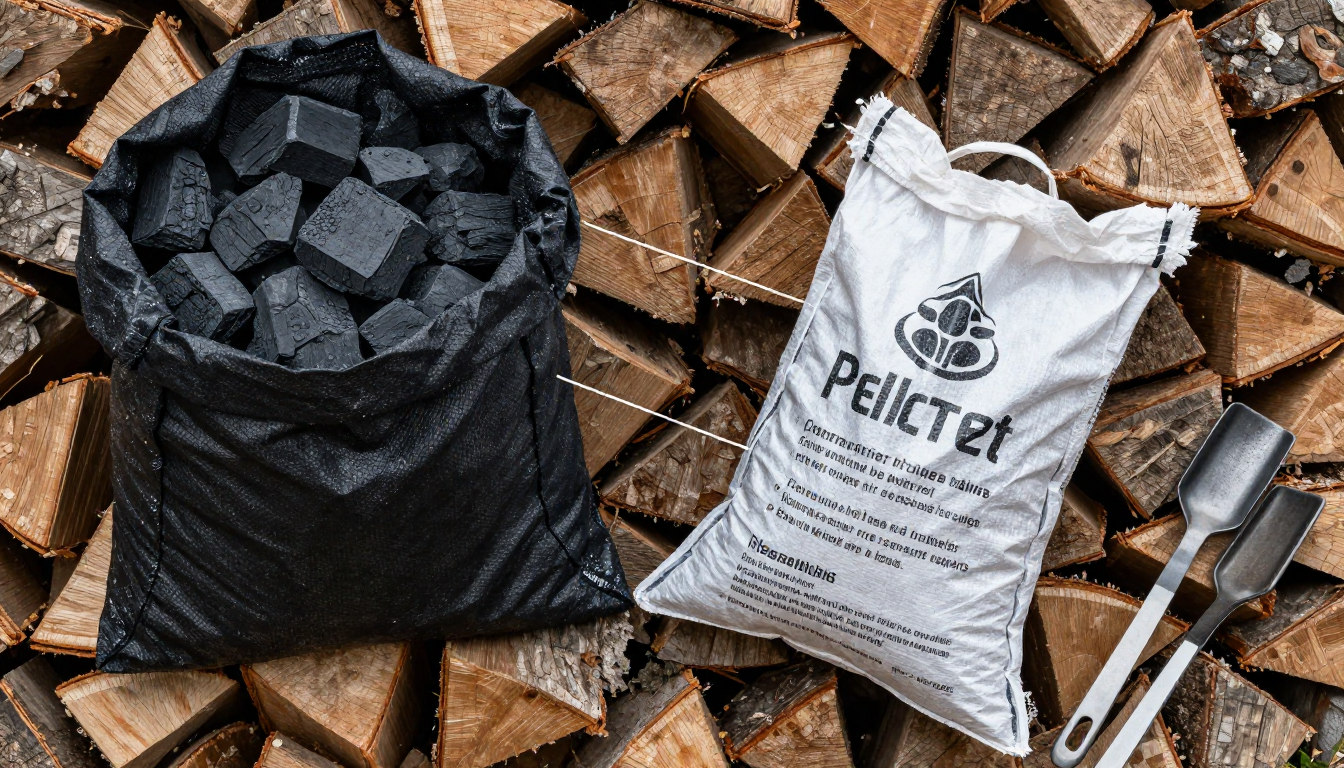
Braai fuel choice matters because the right choice affects heat, safety, installation cost and long-term value for South African homes. For broader fire safety guidance, the Fire Protection Association of South Africa is a...
Braai fuel choice matters because the right choice affects heat, safety, installation cost and long-term value for South African homes.
For broader fire safety guidance, the Fire Protection Association of South Africa is a useful independent reference alongside professional installer advice.
Ever thought about what makes your braai great? Is it firewood, charcoal, or pellets? Each fuel has its own special qualities that can make your grilling amazing. Knowing the good and bad of these fuels is key for any grilling lover who wants perfect dishes every time.
This guide will help you see the benefits of each fuel. You’ll learn how to pick the best braai fuel for your cooking style and taste. It’s all about finding the right fuel for you.

Key Takeaways
- Firewood offers a rich, smoky flavor that enhances meat dishes.
- Charcoal is popular for its high heat output and ease of use.
- Pellets provide convenience and consistent temperature control.
- Understanding each fuel’s impact on cooking style is key for a great braai.
- The right fuel can also affect the environmental footprint of your grilling.
Understanding the Basics of Braai Fuels
Starting your braai master journey means learning about different fuels. Each fuel has its own traits that affect your grilling. Firewood offers unique flavors and high heat when seasoned right. It brings a traditional braai feel.
Charcoal is a top pick for many because it burns evenly and gets hot. It helps get that perfect sear and keeps meat juicy. When deciding between firewood and charcoal, think about how they change your cooking.
Pellets are a new option, making grilling easier with temperature control. The right fuel choice depends on what’s available, the environment, and your taste. Knowing these basics is key for your next braai.

What is Charcoal and Why is it Popular?
Charcoal is a top pick for braai lovers because it’s efficient and adds flavor. It burns clean, heats up fast, and gives off a smoky smell. Knowing the different types of charcoal helps you pick the best one for your needs.
Types of Charcoal
There are many types of charcoal out there, each with its own special features:
- Lump Charcoal: Made from natural wood, it burns hot and clean with less additives.
- Briquettes: These are compressed charcoal pieces that burn evenly. They last longer than lump charcoal but have additives.
The Benefits of Using Charcoal for Braai
Charcoal has many benefits for grilling meat:
- Quick Lighting: It lights up fast, so you can start cooking right away.
- High Temperatures: It gets to the perfect grilling temperature quickly, great for searing steaks.
- Flavor Enhancement: The smoky taste from charcoal makes your grilled food taste better.

The Case for Firewood in Braai Cooking
Firewood brings a rich, traditional feel to braai cooking. It offers a range of types of firewood that boost your dish’s flavors. In South Africa, favorites like mopane, kameeldoring, and blackwattle are top picks. Each wood adds its own special touch, making cooking more fun.
Different Types of Firewood
Picking the right firewood is key for great taste and cooking. Here are some favorites:
| Type of Firewood | Flavor Profile | Heat Output |
|---|---|---|
| Mopane | Sweet and rich | Moderate to high |
| Kameeldoring | Intense and smoky | Very high |
| Blackwattle | Mild with a pleasant aroma | Moderate |
How Firewood Impacts Flavor and Cooking Style
The firewood you choose changes your meat’s taste. Each wood gives a unique flavor profile. For example, mopane adds a sweet smoky taste, making the meat even better. Kameeldoring burns hot, great for searing. Blackwattle has a mild scent, perfect for slow cooking.
Seasoning your firewood right, with 15-20% moisture, helps it burn clean. This brings out the smoky flavor without overpowering your food. Choosing the right firewood makes every braai a new adventure. It lets you try different cooking styles, pleasing every braai lover.

Why Choose Pellets for Your Braai?
Pellets are becoming a top choice for braai lovers. Made from compressed sawdust, they burn well in pellet grills. This gives you many benefits for your grilling.
Characteristics of Pellets
Pellets burn evenly, making it easy to control the temperature. This is key for anyone who wants to cook meat perfectly. You can choose from different wood types, each adding its own flavor and aroma.
The Convenience of Using Pellets
Grilling with pellets is super convenient. They light up fast and need little care. This makes them great for slow cooking and quick grilling alike.
Pre-blended flavors make smoking easier. You can focus on cooking without worrying about fuel. Pellet grills also let you control the temperature easily, so you get the results you want with less effort.

Firewood vs Charcoal vs Pellets for Your Braai
Choosing between firewood, charcoal, and pellets for braaiing affects your cooking. Knowing the heat output and cooking time differences helps you decide. Also, think about the environmental impact of each option.
Comparing Heat Output and Cooking Time
Charcoal heats up faster than firewood or pellets. This makes it great for searing steaks. Firewood, on the other hand, takes longer to heat up but provides strong heat. Pellets are good for slow cooking but don’t get as hot as charcoal.
The cooking time and heat output affect your meal’s quality. So, pick based on what you’re cooking.
Environmental Considerations of Each Fuel Type
Choosing the right fuel for braaiing is key for the environment. Sustainably sourced firewood is better for the planet. Charcoal and pellets can harm the environment if not made from renewable sources.
Look for charcoal and pellets from responsibly managed forests or certified suppliers. This choice helps the planet and makes your braai better.

| Fuel Type | Heat Output | Cooking Time | Environmental Impact |
|---|---|---|---|
| Firewood | High (but slow to heat) | Longer to establish | Variable (depends on sourcing) |
| Charcoal | Very High (quick to heat) | Short | Can be negative if unsustainably sourced |
| Pellets | Moderate (consistent) | Medium | Can be eco-friendly if sustainably produced |
Temperature Control and Cooking Techniques
Mastering temperature control is key to great braai cooking. Knowing how fuels affect heat is important. Charcoal is best for high heat, perfect for searing meat. But, it needs constant watch to avoid flare-ups.
Firewood gives intense heat and special flavors. Yet, its temperature can change based on type and moisture.
Managing Heat Levels with Charcoal and Firewood
Charcoal lets you control heat by adjusting airflow. More oxygen means higher heat. Less oxygen means lower heat. This helps with different cooking methods.
Firewood needs a different strategy. Choose the right type and watch how it burns. Hardwoods burn hotter and longer, while softer woods cook faster but add unique flavors.
The Ease of Temperature Control with Pellets
Pellets are great for temperature control. Many pellet grills have automated systems. This lets you set exact temperatures easily.
This makes cooking easier, like low and slow without constant adjustments. Pellets are perfect for those who want simple cooking but great results.

| Fuel Type | Heat Output | Temperature Stability | Monitoring Effort |
|---|---|---|---|
| Charcoal | High | Moderate | High |
| Firewood | Variable | Low | Moderate |
| Pellets | Consistent | High | Low |
Flavor Profiles: How Different Fuels Affect Your Meat
The fuel you choose is key to the taste of your braai. Firewood and charcoal each offer unique flavors that can make your food unforgettable. Knowing how these fuels affect taste can help you create amazing meals.
The Smoky Flavor from Firewood
Firewood gives a rich, smoky taste that changes with the type used. Mesquite wood has a strong flavor, while apple or cherry wood adds a sweet touch. Trying different firewoods lets you see how they mix with meat, making your braai better.
Why Charcoal Produces a Unique Taste
Charcoal has its own special taste. It heats well and adds a smoky smell that goes great with meat. Its high heat seals in juices and lets the smoky flavor shine. Finding the right balance between charcoal and meat makes your dishes truly memorable.

Practical Considerations When Choosing Your Braai Fuel
When planning your next braai, several practical factors can influence your fuel choice. Cost is a big factor. Charcoal is often more affordable and easy to find at local stores. Firewood, on the other hand, might need more effort to find, as it’s sold by specialized vendors. Prices can change based on where you are and the type of wood.
Cost and Availability of Each Fuel Type
Knowing the cost and availability of your options helps you make a choice. Charcoal is usually sold in bags at supermarkets or convenience stores, with a consistent price. Firewood prices can vary due to season, quality, and where it’s sourced. Think about how much you’re willing to spend for the braai experience you want.
Storage and Preparation of Firewood and Charcoal
Storage needs differ for charcoal and firewood. Charcoal lasts longer and needs less prep. Just keep it dry and sealed, and it’s ready to go. Firewood, though, needs to be seasoned properly, which takes time. It also needs a dry place to store to avoid moisture.
Good storage not only makes it ready to use but also affects how well it burns during your braai.

Best Practices for Lighting and Maintaining Your Fire
Lighting and keeping a fire going are key for a great braai. Whether you use charcoal or firewood, knowing the right methods makes cooking better.
Techniques for Lighting Charcoal and Pellets
Lighting charcoal is easy with the right lighting techniques. A chimney starter is very effective. It lets air flow around the charcoal for even burning.
Lighter cubes are also good, as they light quickly. For pellets, electric starters are easy to use. They heat the pellets fast, making ignition simple.
How to Keep Your Firewood Fire Going
Using firewood? Keeping the fire alive is simple with the right steps. Start with dry kindling to build a strong base.
Once your fire is growing, add bigger logs slowly. Don’t put too big logs in at once. This keeps the fire burning well for your braai.

Conclusion
Choosing between firewood, charcoal, and pellets for your braai is key. It’s not just about the fuel; it’s about making your cooking better. Each fuel has its own benefits, fitting different tastes and needs.
Firewood gives a smoky flavor, while pellets offer ease and consistency. Knowing your fuel choice is important for a great grilling experience.
But it’s not just about heat and light. Your fuel choice greatly affects the taste of your food. The right fuel can make a simple meal unforgettable, making your braai gatherings special.
Think about how each fuel fits your cooking style and the flavors you want. This way, you can create amazing meals for your loved ones.
Mastering braai is about more than just food. It’s about the experience you share with others. By choosing wisely, you make every barbecue session memorable. You get to enjoy delicious meals with friends and family, celebrating outdoor cooking in South Africa.
FAQ
Q: For an african braai, which fuel—firewood, charcoal versus pellets—gives the best balance of flavour and convenience?
A: The best braai choice depends on priorities. Firewood (well-seasoned hardwood like bluegum or sekelbos) gives a smoky flavour to food and authentic wood fire ambience but requires attention to moisture content and ash management. Charcoal is easy to light, provides higher temperature and long-lasting heat with less soot, and pellets offer consistent heat and low maintenance for outdoor cooking. For a traditional south african braai that keeps tradition alive, many south africans prefer dry wood or wood chunks for aroma, while weeknight grilling leans toward charcoal or pellets for convenience.
Q: When grilling on a grill, how important is seasoning and selecting the right wood or charcoal?
A: Seasoning is crucial: well-seasoned, dry wood has low moisture content so it lights easier, burns hotter, and produces less excess smoke. The right wood like hardwood species provides long-lasting heat and aromatic smoke for boerewors and steaks. If using charcoal, choose lump hardwood charcoal for a more natural smoky flavour and less ash than briquettes. Proper seasoning of wood and the grill ensures the perfect braai and reduces soot buildup.
Q: For low-and-slow cooking versus high-heat searing on a grill, should I choose firewood, charcoal, or pellets?
A: For low-and-slow (low-and-slow) smoking, pellets or well-managed hardwood firewood are ideal because they provide steady long-lasting heat and consistent smokiness. For high-heat searing and sizzle, lump charcoal or a gas braai that reaches higher temperature works best. Combining wood chunks with charcoal can give a smoky flavour while maintaining the higher temperature needed for a great crust.
Q: How does moisture content and seasoning affect wood burns and the flavour of your food during braaing?
A: Moisture content directly affects wood burns: wet or green wood produces excess smoke, more soot, and a cooler fire, masking flavours and increasing cleanup. Well-seasoned, dry wood yields clean-burning smoke and the ideal wood aroma that enhances the flavour of your food. Seasoning wood for at least six months, storing it off the ground, and splitting larger logs helps ensure dry wood and a perfect braai.
Q: For a gas braai fan who wants to try wood fire, what are the practical differences and carbon footprint considerations?
A: Gas braai offers convenience, quick heat, and lower immediate soot, making it great for weeknight grilling. Switching to wood or charcoal introduces more labour—kindling to start, ash cleanup—and produces more smoke and soot, affecting carbon footprint. However, using sustainably sourced hardwood, efficient burning techniques, or pellets can reduce environmental impact. Consider frequency: using a wood fire for special occasions preserves tradition alive while a gas braai remains practical for daily use.
Q: Which specific woods are considered ideal wood and best firewood for a south african braai, and why?
A: Hardwood species like bluegum and sekelbos are popular in south africa for their dense, long-burning properties and aromatic smoke. These woods are porous and produce less ash and more consistent heat per log than softwoods. The right wood should be dry, aromatic, and produce long-lasting heat. Avoid treated or resinous woods that can impart unpleasant flavours or harmful soot.
Q: How do charcoal versus pellets compare for easy to light fires, ash production, and maintaining a steady time to cook?
A: Charcoal (especially lump charcoal) is relatively easy to light with good kindling, produces less ash than logs but more than pellets, and reaches higher temperatures for quick searing. Pellets require a pellet grill or smoker but deliver very consistent heat, minimal ash, and predictable time to cook, making them ideal for low-and-slow. Charcoal versus pellets tradeoffs come down to equipment and whether you prioritize higher temperature or ease of temperature control.
Q: Can using wood or charcoal affect the smokiness or smokey flavour of food, and how do I avoid excess smoke?
A: Yes — wood fire and certain charcoals impart smoky flavour to food. To control smokiness and avoid excess smoke, use dry wood, small wood chunks rather than large green logs, maintain good airflow to promote clean combustion, and avoid smouldering. Proper seasoning and correct moisture content minimize excess smoke and ensure a pleasant smoky flavour without overpowering the food.
Q: For someone new to braais, what are quick tips to get the fire, maintain heat, and achieve the perfect braai result?
A: Start with dry kindling to get the fire going, add well-seasoned hardwood or lump charcoal gradually, and use wood chunks for added aroma. Monitor airflow and manage ash so the fire breathes. For consistent heat, build a two-zone setup: hot zone for searing and cooler zone for finishing. Keep an eye on time to cook, rotate food for even sizzle, and clean ash regularly to maintain performance. Combining these practices gives the perfect braai every time while keeping south african tradition alive.
Related reading
- Can You Install a Fireplace in an Existing Home? Yes — Here's How
- Combustion Fireplace Installation: How It Works, Costs & Compliance
- Need it done professionally? See our fireplace installation in Cape Town service.
Planning this kind of work?
Call or WhatsApp with your suburb and photographs. Fire Flames can discuss your fireplace, braai or home project and quote.
Get A Quote →